
UK TimesUK Times
  • Home
  • News
  • TV & Showbiz
  • Money
  • Health
  • Science
  • Sports
  • Travel
  • More
    • Web Stories
    • Trending
    • Press Release
What's Hot
Congo cancel World Cup training camp and fan farewell in Kinshasa amid deadly Ebola outbreak – UK Times

Congo cancel World Cup training camp and fan farewell in Kinshasa amid deadly Ebola outbreak – UK Times

20 May 2026

M11 northbound access from A406 (north) | Northbound | Broken down vehicle

20 May 2026

A585 northbound between A588 South and B5268 near Thornton | Northbound | Congestion

20 May 2026
Facebook X (Twitter) Instagram
UK TimesUK Times
Subscribe
  • Home
  • News
  • TV & Showbiz
  • Money
  • Health
  • Science
  • Sports
  • Travel
  • More
    • Web Stories
    • Trending
    • Press Release
UK TimesUK Times
Home » Chernobyl exclusion zone has more wildlife than Ukraine’s nature reserves, study finds – UK Times
News

Chernobyl exclusion zone has more wildlife than Ukraine’s nature reserves, study finds – UK Times

By uk-times.com20 May 2026No Comments4 Mins Read
Facebook Twitter LinkedIn Telegram Pinterest Tumblr Reddit WhatsApp Email
Chernobyl exclusion zone has more wildlife than Ukraine’s nature reserves, study finds – UK Times
Share
Facebook Twitter LinkedIn Pinterest Email

Sign up to the Independent Climate email for the latest advice on saving the planet

Get our free Climate email

Get our free Climate email

Independent Climate

The Chernobyl nuclear disaster zone, sealed off to humans for four decades, supports more wildlife now than any formally protected nature area in northern Ukraine, according to a new study.

The radioactive landscape, too dangerous for human life, now boasts some of the world’s wildest horses, wolves, and Eurasian lynx.

Researchers deployed 174 camera traps across 60,000 sq km of northern Ukraine between 2020 and 2021, and captured nearly 31,000 animal sightings involving 13 mammal species. The exclusion zone alone accounted for 19,832 of these sightings, more than 63 per cent of the total, and was the only site where all 13 species appeared. The Cheremskyi Nature Reserve, a formally designated wildlife protected area, recorded only one.

Researchers believe the size of the area and the strictly enforced restrictions on human access are the main reasons for it being more conducive to wildlife than areas with formal conservation status.

“Protected areas are most effective when they are large and contiguous, and human access restrictions are actively enforced,” notes the study, published in Proceedings of the Royal Society B.

The exclusion zone was created after a reactor at the Chernobyl nuclear power plant exploded on 26 April 1986, scattering radioactive contamination across Europe and forcing the evacuation of nearby towns, including Pripyat.

The area was designated a reserve by Ukraine in 2016, and is known as the Chernobyl Radiation and Ecological Biosphere Reserve. It covers roughly 2,600 sq km.
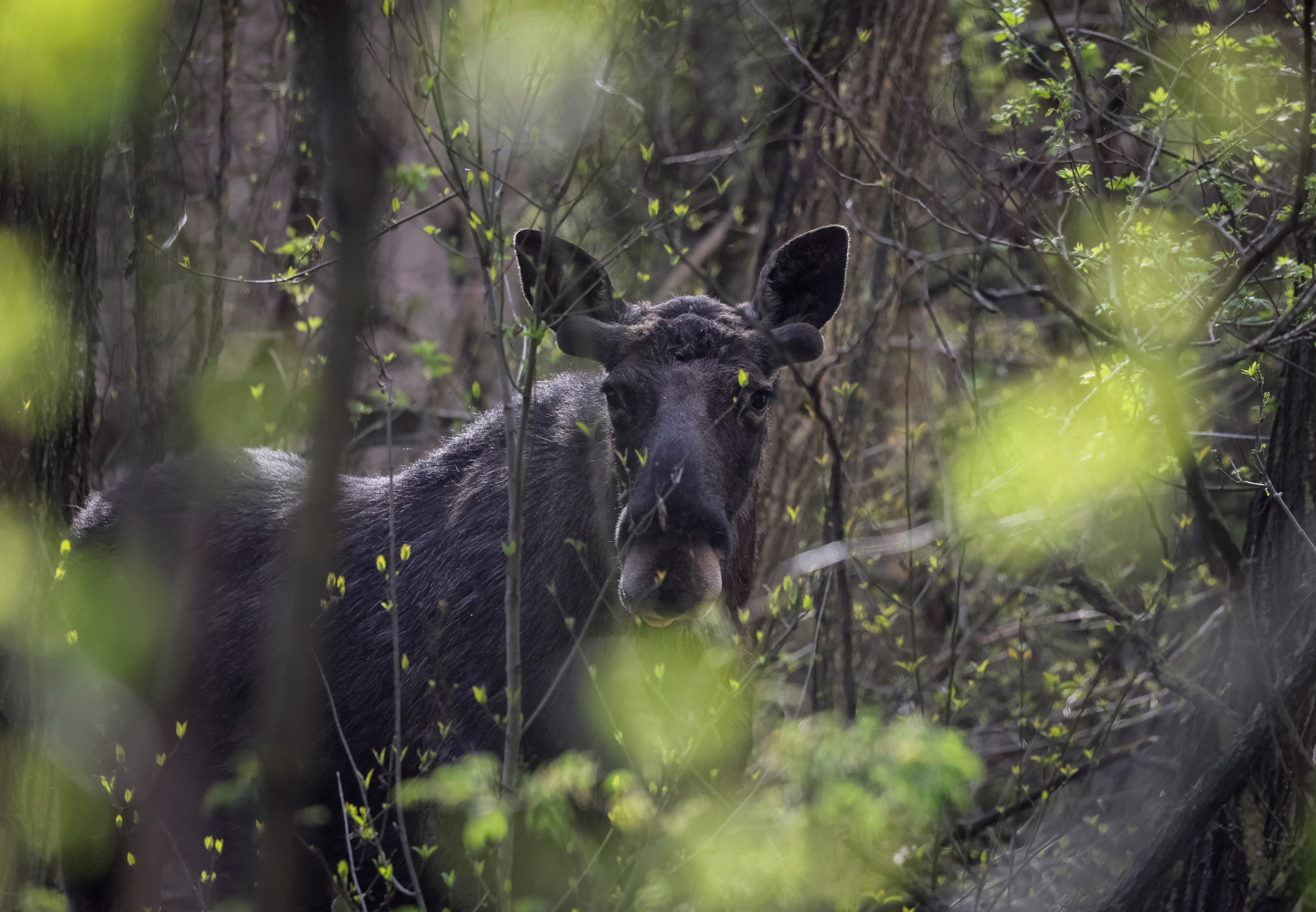
A moose in the abandoned city of Prypiat near the Chernobyl nuclear power plant
A moose in the abandoned city of Prypiat near the Chernobyl nuclear power plant (Reuters)

The near total absence of human activity allowed species that were locally extinct before the disaster to return. Brown bears, absent from the region for more than a century, recolonised the zone while wolves and lynx re-established populations across both Ukrainian and Belarusian parts of the exclusion zone.

Przewalski’s horses, native to Mongolia and genetically distinct from domestic breeds, were introduced to the Ukrainian zone in 1998 and 1999, with an initial population of 23 animals. By 2021, the number had reached 120. They have since dispersed beyond the zone into Belarus and across the Pripyat river.

File: A picture taken from a helicopter in April 1986 shows a general view of the destroyed 4th power block of Chernobyl’s nuclear power plant a few days after the catastrophe
File: A picture taken from a helicopter in April 1986 shows a general view of the destroyed 4th power block of Chernobyl’s nuclear power plant a few days after the catastrophe (Getty)

The wildlife gap between the exclusion zone and the protected areas was stark. Eurasian lynx were nearly four times more likely to be present in the exclusion zone than in the Rivne and Cheremskyi reserves. Wolves and red foxes followed a similar pattern, both being far more prevalent in the exclusion zone than anywhere else in the study area.

Unprotected land in northern Ukraine fared no better than many of the designated reserves nearby.

“Non-protected areas had species composition and occupancy values similar to small-sized protected areas,” the latest study points out, adding that smaller reserves “may merely be too small to sustain permanent abundant populations of species with extensive home ranges”.

The study did not assess the effects of radiation on wildlife populations, citing prior research from the Belarusian part of the exclusion zone that mammal distribution was unaffected by caesium-137 levels.
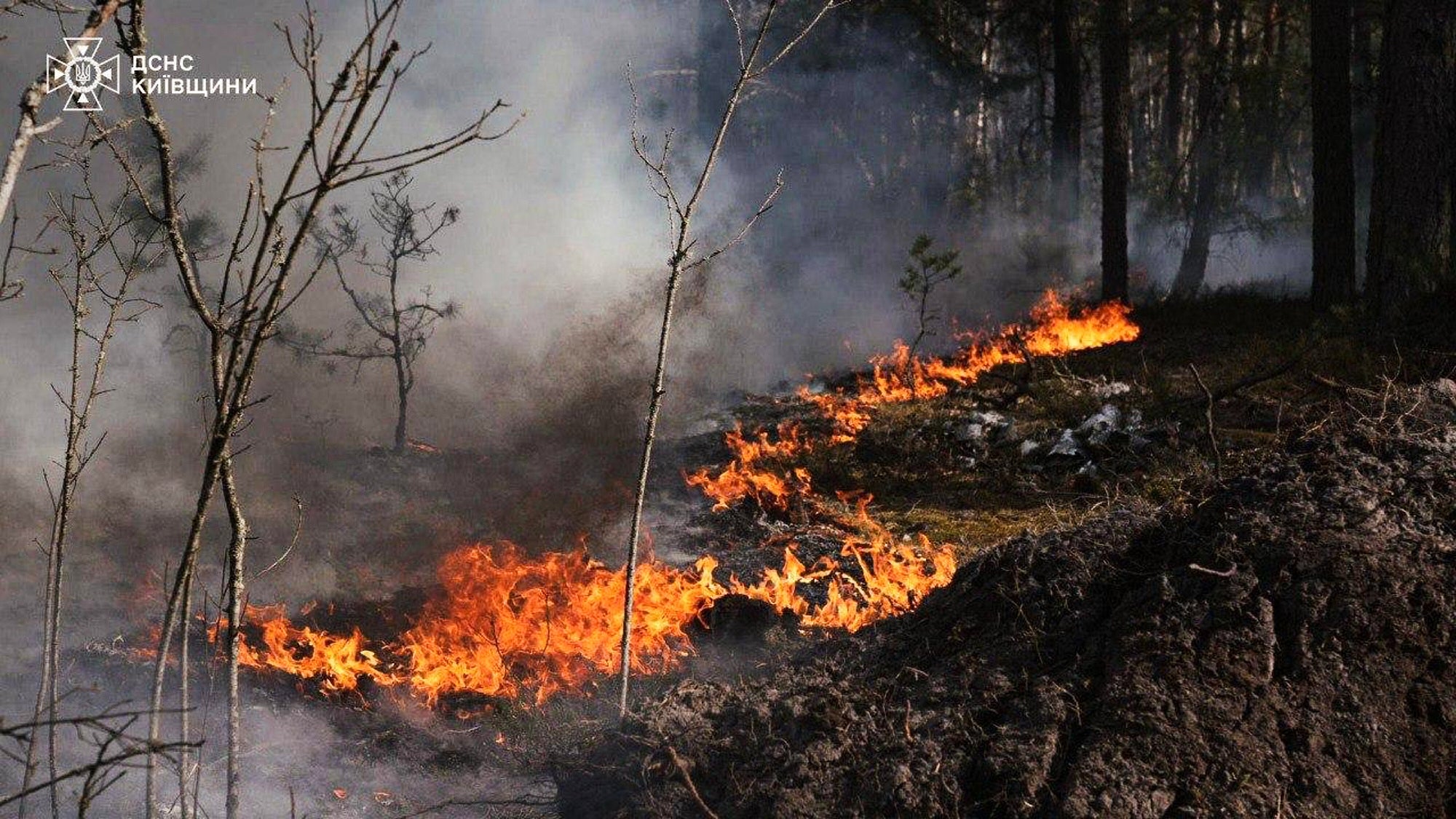
A forest fire burning in the exclusion zone around the Chernobyl nuclear power plant in Ukraine in May 2026
A forest fire burning in the exclusion zone around the Chernobyl nuclear power plant in Ukraine in May 2026 (AP)

However, conditions in the region have changed sharply since the research was conducted. Russia’s invasion of Ukraine in 2022 brought military activity through the exclusion zone and the protected areas along the border with Belarus.

Fires linked to military operations have swept through the zone’s forests, risking radioactive particles getting back into the air.

Civilian monitoring and research activities have been severely restricted across the border zone since the war began.

Share. Facebook Twitter Pinterest LinkedIn Tumblr Telegram Email

Related News

Congo cancel World Cup training camp and fan farewell in Kinshasa amid deadly Ebola outbreak – UK Times

Congo cancel World Cup training camp and fan farewell in Kinshasa amid deadly Ebola outbreak – UK Times

20 May 2026

M11 northbound access from A406 (north) | Northbound | Broken down vehicle

20 May 2026

A585 northbound between A588 South and B5268 near Thornton | Northbound | Congestion

20 May 2026
Aston Villa vs Freiburg LIVE: Team news as Villa chase European glory in Europa League final – UK Times

Aston Villa vs Freiburg LIVE: Team news as Villa chase European glory in Europa League final – UK Times

20 May 2026

A45 westbound access from A452 | Westbound | Road Works

20 May 2026
Jet fuel shortage: All the airlines cancelling flights as Jet2 issues update – UK Times

Jet fuel shortage: All the airlines cancelling flights as Jet2 issues update – UK Times

20 May 2026
Top News
Congo cancel World Cup training camp and fan farewell in Kinshasa amid deadly Ebola outbreak – UK Times

Congo cancel World Cup training camp and fan farewell in Kinshasa amid deadly Ebola outbreak – UK Times

20 May 2026

M11 northbound access from A406 (north) | Northbound | Broken down vehicle

20 May 2026

A585 northbound between A588 South and B5268 near Thornton | Northbound | Congestion

20 May 2026

Subscribe to Updates

Get the latest UK news and updates directly to your inbox.

Recent Posts

  • Congo cancel World Cup training camp and fan farewell in Kinshasa amid deadly Ebola outbreak – UK Times
  • M11 northbound access from A406 (north) | Northbound | Broken down vehicle
  • A585 northbound between A588 South and B5268 near Thornton | Northbound | Congestion
  • Grave of officer missing since 1918 identified in France
  • Aston Villa vs Freiburg LIVE: Team news as Villa chase European glory in Europa League final – UK Times

Recent Comments

No comments to show.
© 2026 UK Times. All Rights Reserved.
  • Privacy Policy
  • Terms of use
  • Advertise
  • Contact Us

Type above and press Enter to search. Press Esc to cancel.

Go to mobile version