Oregon voters headed to the polls Tuesday with much of the primary election drama centered not on candidate races but on a contentious referendum to repeal a recently enacted gas tax increase.
Measure 120 seeks to overturn a bill passed last fall by the Democratic-controlled legislature, which raised the state gas tax and various fees. The legislation was designed to bolster Oregon’s transportation budget in anticipation of a decline in gas tax revenue from the shift to more fuel-efficient, electric, and hybrid vehicles.
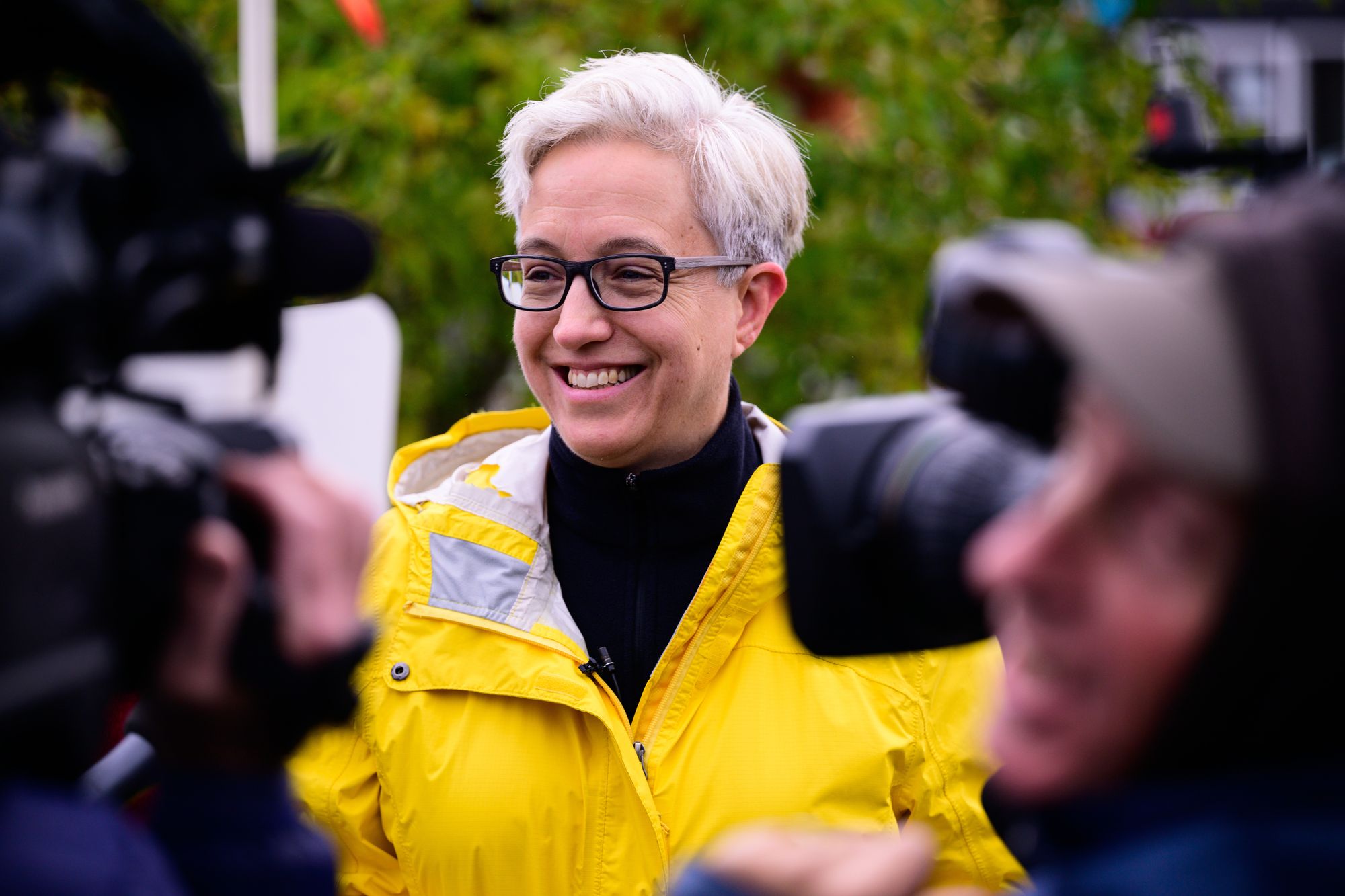
The referendum appears on the ballot amidst a nationwide surge in gas prices, exacerbated by the war in Iran, and Democratic Gov. Tina Kotek and other lawmakers have acknowledged the difficulty Measure 120 faces in passing. A “yes” vote approves the tax increase; a “no” vote rejects it.
“It’s going to lose, so we might as well get on to the work of finding alternatives,” said Democratic state Rep. Paul Evans, predicting voters will reject the hike. “It has been a frustrating year.”
Beyond the gas tax, the ballot features well-financed Democratic incumbents against little-known challengers, and Republicans aiming to nominate competitive candidates in the heavily Democratic state.
Gas tax increase backfired on Democrats’ affordability messaging
Republicans began circulating a petition to repeal the tax and fee increases soon after Kotek signed the legislation. It didn’t take them long to gather more than three times the number of signatures required to place the measure on the ballot.
With the referendum going before voters at a time when gas prices are skyrocketing, Republicans are trying to turn the tables on national Democrats’ messaging about affordability and lowering the cost of living during this year’s midterm elections.
“Oregonians are paying more today and not getting more in return,” said Republican state Sen. Bruce Starr, who helped lead the referendum campaign. “So are they going to, at the polls, vote to increase the price of gas another six cents? I doubt it.”
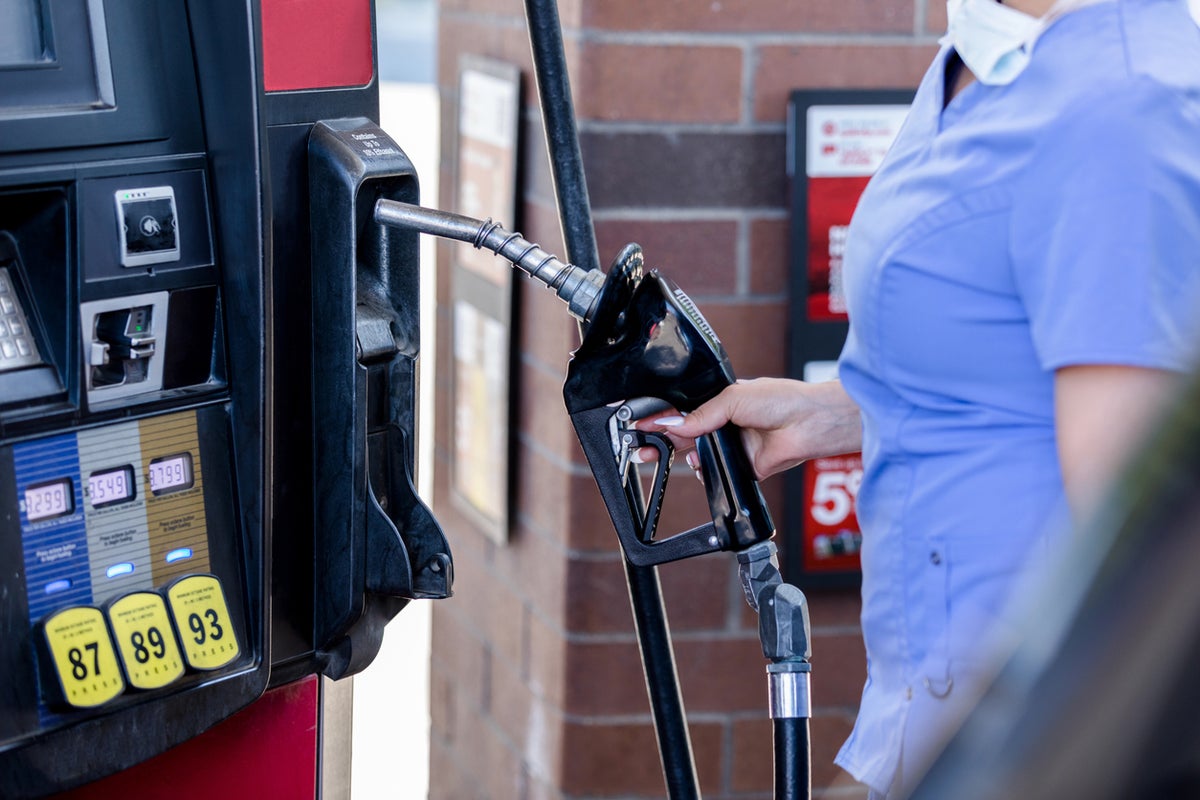
The Democrats’ transportation funding bill raised the state gas tax from 40 cents a gallon to 46 cents a gallon while also boosting a payroll tax for transit projects and vehicle registration and title fees. At a Portland gas station recently, some voters said they were sympathetic to the need to raise money for road upkeep while others said a tax increase was just too much to swallow.
“At a time when everything is more costly … nobody wants to pay more for anything,” said Josh Hansen, 39.
Kotek and other Democrats have linked the rise in gas prices to President Donald Trump’s decision to go to war with Iran, yet the party has not organized efforts to support the gas tax increase on the ballot. If the tax and fee increases pass, they would take effect 30 days after approval by voters.
Trump, for his part, recently said he will move to suspend the federal gas tax of 18 cents a gallon, which would need to be approved by Congress.
A Jan. 6 defendant and an ex-NBA player are among Republicans running for governor
Kotek is running in the Democratic primary for governor as she seeks reelection. While she faces nine primary opponents, they have reported raising little to no money and don’t have experience in elected office.
Republicans have a crowded primary field of 14 candidates vying to run against her in November. They include state Sen. Christine Drazan, who lost to Kotek in the 2022 general election, and state Rep. Ed Diehl, who helped lead the gas tax referendum campaign.
The primary also includes Chris Dudley, a former NBA player whose career included time with the Portland Trail Blazers and who narrowly lost a previous bid for governor in 2010, and David Medina, a conservative influencer who was among those charged after the Jan. 6, 2021, attack on the U.S. Capitol and pardoned by President Donald Trump last year. Medina faced charges that included obstruction of an official proceeding, a felony, and several misdemeanors that included destruction of government property and disorderly and disruptive conduct.
So far, Drazan and Dudley have reported raising the most money. Dudley notably received a $1 million contribution from Phil Knight, the billionaire co-founder of Nike, which is based in Oregon.
Whoever emerges faces a difficult path to the governor’s office. Democrats appear energized around the country this year, and Oregon hasn’t elected a Republican governor in over 40 years.
Few competitive seats for US House and Senate
Voters also are casting ballots in primaries for U.S. Senate and the state’s six U.S. House seats, five of which are held by Democrats.
Oregon’s 5th Congressional District, considered its most competitive, was flipped by Republicans for the first time in decades in 2022 but reclaimed by Democrats in 2024. The district stretches from southern Portland across the Cascade Range to Bend.
The incumbent, Democratic Rep. Janelle Bynum, has more than $2 million on hand and is running against a primary opponent who has not reported raising any money.
Two candidates, a county commissioner and a political consultant, are running in the district’s Republican primary.
The other U.S. House seats are considered largely safe for the current incumbents.
While the U.S. Senate seat held by Democrat Jeff Merkley also is considered safe for him, seven Republicans are running in the primary to challenge him in the fall.