



In the age of Make America Healthy Again, some wellness influencers are treating the Bible like a cookbook.
A growing number of Christian influencers on TikTok and Instagram are embracing “biblical eating,” a lifestyle focused on foods mentioned in the Bible which acts as a bridge between faith and nutrition. Some follow biblical-era ingredients closely, while others simply stick to whole, homemade foods — warning that processed foods harm both the body and soul.
“Sin entered into the world through food, and Satan doesn’t stop there. Food, for me, is really like a weapon of how I can fight back,” Kayla Bundy, a 27-year-old Christian content creator raised in Michigan who now lives in Bali, told The New York Times.
The trend has gained traction alongside the MAHA movement championed by Health and Human Services Secretary Robert F. Kennedy Jr., which promotes raw dairy products, limits ultraprocessed foods and pushes narrower definitions of healthy eating. Biblical eating has also appealed to some GLP-1 users seeking high-protein, whole-food diets, according to the outlet.
Bundy said the approach, which has followed for eight years, includes eating foods like raw milk, sardines, sourdough bread and locally sourced ingredients. On TikTok, where she has over 500,000 followers, Bundy said the diet improved her skin, hair and depression, and she sells coaching sessions starting at about $700 per month. Bundy has openly admitted she lacks formal nutrition credentials, the Times reports.
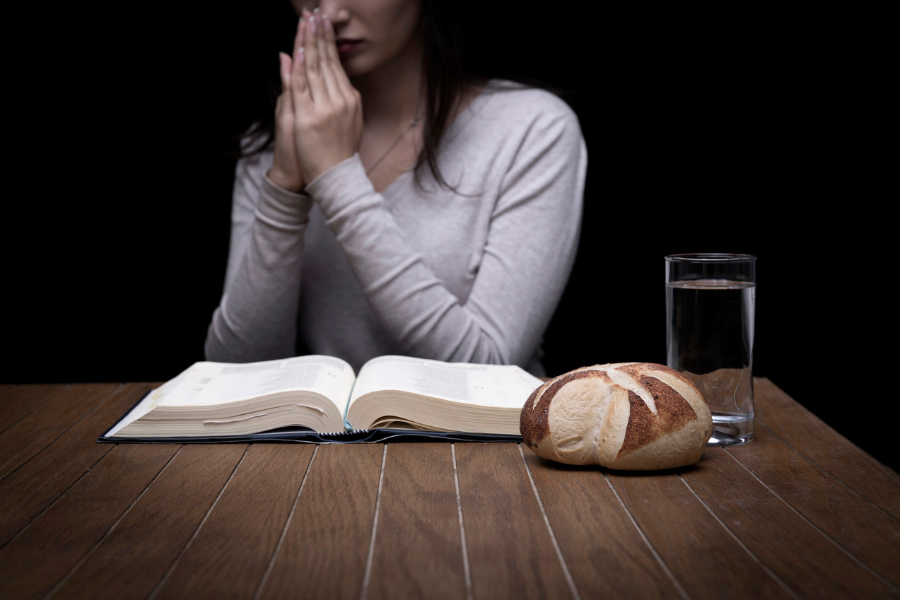
Others are blending scripture with more conventional nutrition advice. Abbie Stasior, a 31-year-old Christian dietitian in Nashville, often starts with standard guidance like the importance of breakfast, then points to biblical passages such as Jesus eating bread and fish as an example of a balanced meal.
“He’s got carbs and protein,” she told the NYT.
In Georgia, stay-at-home mother Annalies Xaviera says her Facebook audience has surged from a few thousand to more than 300,000 as she posts biblical eating tips and sells a digital cookbook.
Xaviera describes her approach as focused on whole, home-cooked foods, though she still uses some processed items like pasta. She does not identify with the MAHA movement, but says she supports some of its goals, including reducing artificial dyes in food.
She also encourages followers to reflect before eating. “When you’re in a craving, have you ever thought to stop and pray?” she told the Times.
While “biblical eating” has seen a renewed surge on social media, the idea has been around in various forms for years. Books like “The Eden Diet” by Rita M. Hancock in 2008 and Jordan Rubin’s “The Maker’s Diet” in 2004 promoted Bible-based nutrition plans. Rubin’s 2025 book, “The Biblio Diet,” co-authored with Josh Axe, a supporter of the MAHA movement, continues that tradition by blending faith-based ideas with modern wellness trends.
Religious fasting practices, including the “Daniel fast,” a 21-day regimen of vegetables and water, have long been part of Christian tradition, alongside established dietary systems like kosher and halal laws. The idea has also periodically resurfaced in pop culture, with celebrities including Chris Pratt, Mark Wahlberg and Patricia Heaton discussing faith-based fasting and prayer challenges in recent years.
The Independent has contacted the White House for comment.