

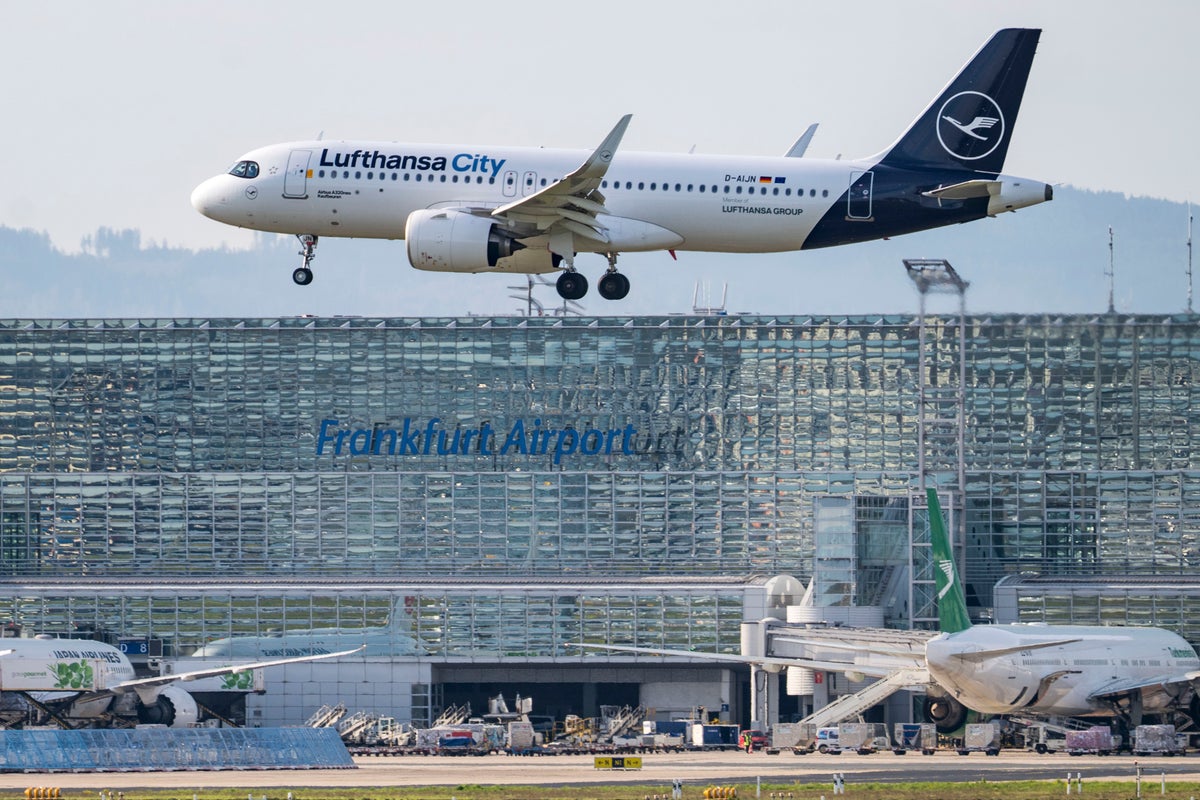
The European Union is poised to coordinate a release of jet fuel stocks if disruptions to the Strait of Hormuz continue, an EU spokesperson informed Reuters on Friday, even as Iran temporarily reopened the vital waterway.
This proactive stance follows urgent warnings from European airlines and regulators, who have cautioned about potential flight cancellations, grounded aircraft, and significant upheaval to summer holiday plans.
These issues are expected unless severe jet fuel supply bottlenecks from the Middle East, linked to the ongoing Iran war, are eased without delay.
Iran said on Friday it would reopen the Strait of Hormuz for commercial shipping following a ceasefire agreement in Lebanon. U.S. President Donald Trump later said a U.S. naval blockade of Iran’s ports would remain until a deal with Tehran is struck.
Shipping firm Hapag-Lloyd said it would avoid transiting the Strait of Hormuz while it assessed Iran’s announcement.
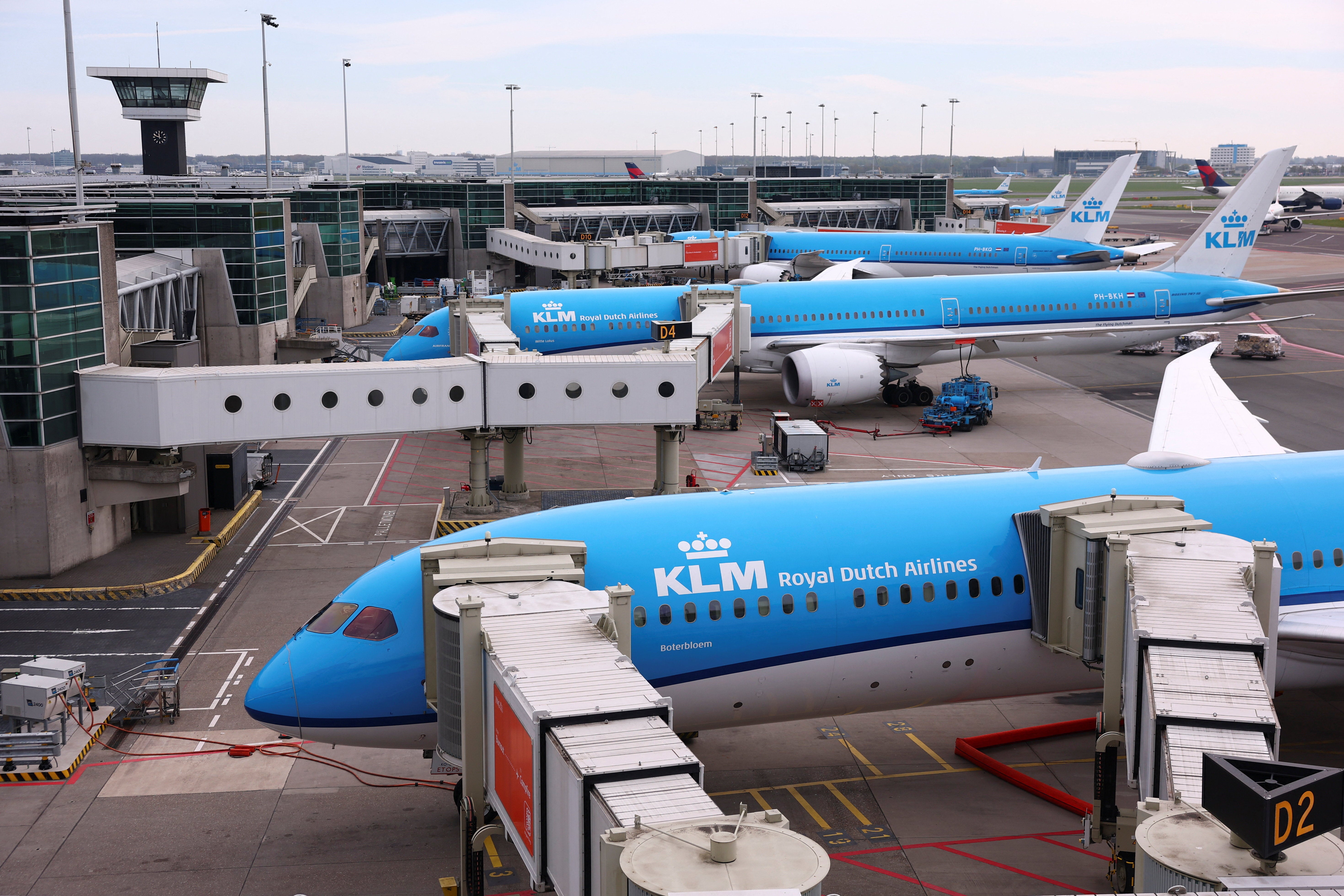
“There are no fuel shortages in the EU at present. We are, however, preparing for possible supply shortages of jet fuels,” the EU spokesperson said in a statement to Reuters, adding the bloc could release reserves if the strait remained disrupted.
“If the situation in the Strait of Hormuz continues, the EU will be preparing to launch a possible coordinated release of jet fuel stocks.” The spokesperson added that Iran’s announcement did not change current plans and said it would be clearer next week whether the strait remains open.
The comments, the EU’s most direct so far, follow a call earlier this week by Germany’s largest aviation lobby for the release of Europe’s strategic jet fuel reserves to support the sector. The EU is also set to announce plans next week to optimise refinery capacity and address a looming jet fuel supply crunch, Reuters reported on Thursday.
The global aviation industry is facing significant turbulence following a dramatic surge in jet fuel prices, driven by the escalating US-Israeli conflict with Iran.
Costs have rocketed from approximately $85 to $90 per barrel to an alarming $150 to $200 per barrel in recent weeks.
This represents a substantial financial hit for carriers, where fuel can constitute up to a quarter of operating expenses. As a result, airlines are being compelled to raise fares and revise their financial outlooks.
An energy chief warned on Thursday that Europe only has around six weeks of jet fuel supply left in what he fears could be “the largest energy crisis we have ever faced”.
Fatih Birol, the head of the International Energy Agency, added flight cancellations will begin “soon” if the Strait of Hormuz remains closed amid the Iran war, potentially plunging summer holidays into chaos.