


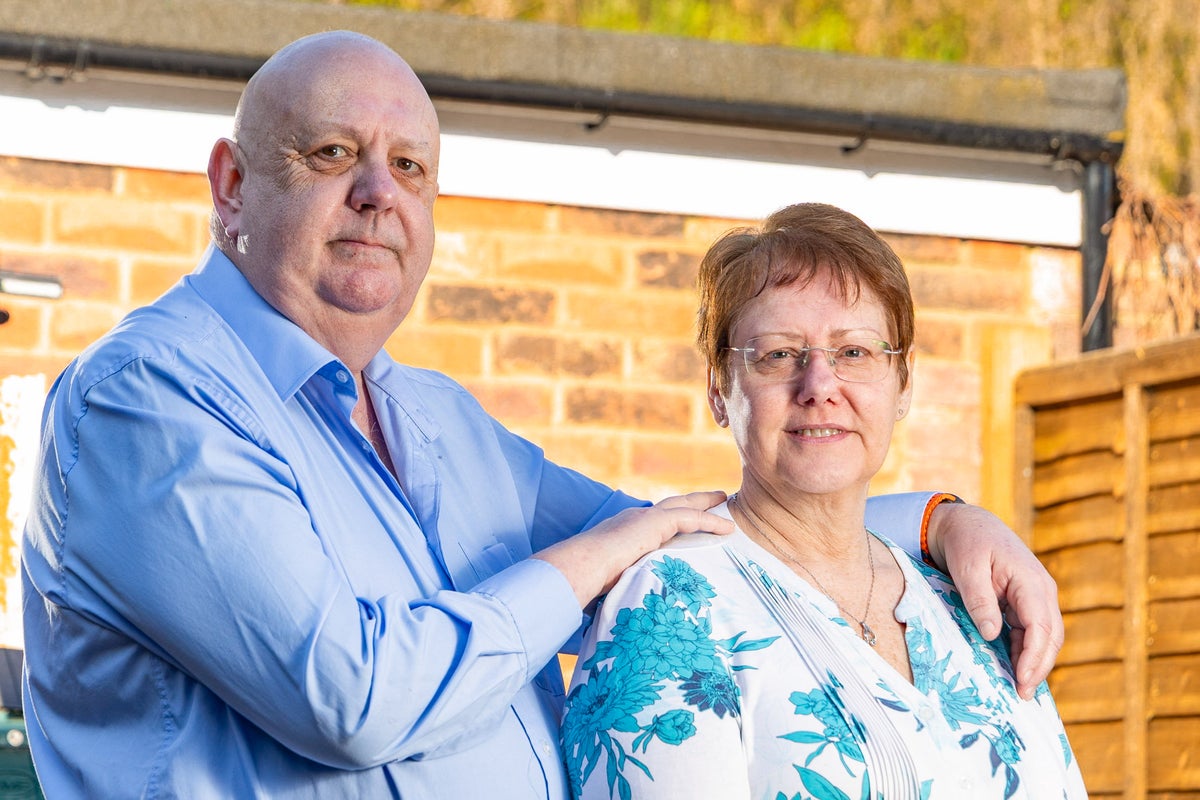
Paul Seymour, like many of us, didn’t want his loved ones to worry about him.
So when he started to notice some unusual changes in his health, he decided to keep them a secret.
When he would struggle to walk up the stairs, he would kneel and pretend to tie his shoelaces. If he started having chest pains when they were out, he would find an excuse for them to stop.
But after seven months of hiding his symptoms, Mr Seymour, then 40, collapsed while running to catch a train in southeast London and woke up to a crowd of people surrounding him.
He was taken to hospital, where he found out that the pains he had been hiding were angina attacks caused by coronary artery disease, a condition in which fatty substances narrow the arteries.
After being told he was “lucky not to have had a full-blown heart attack”, Mr Seymour went home that night and told his wife about his diagnosis.
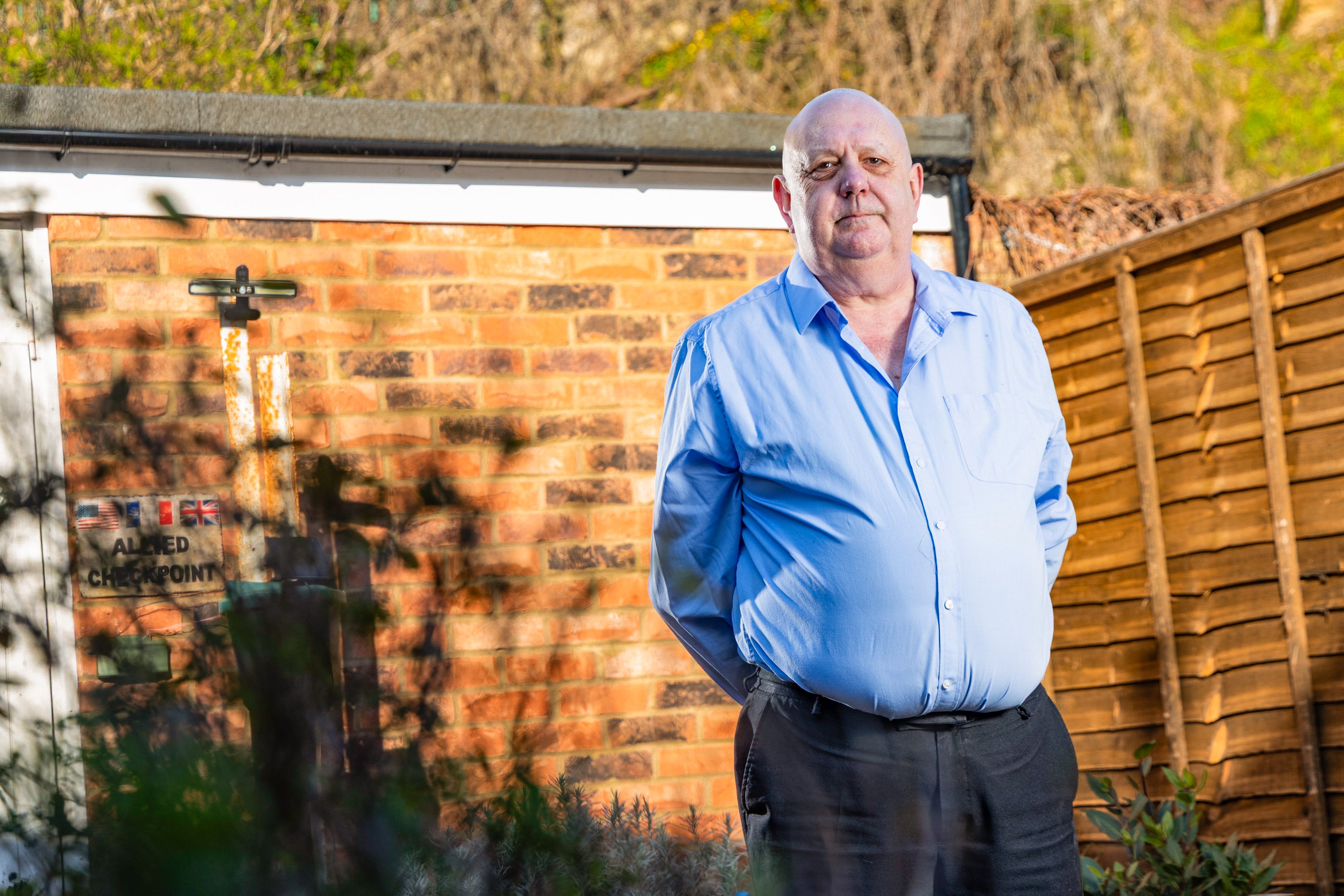
Now an NHS clinical systems manager, the 66-year-old told The Independent: “I remember she wasn’t very happy. We have a great relationship, we’re the best of friends. We never really have arguments, but I could see I’d let her down.
“Once it dawned on her what could have happened, and what was happening, she was extremely worried, and that’s the thing I really wanted to avoid.
“Not opening up about my symptoms is something I regret – it was done for the wrong reasons. I thought I was protecting my wife but in reality, I was not really protecting myself.”
New research has found that 19 per cent of adults who have a health issue kept their condition a secret from a partner at some point. A fifth of those people will never tell their partner about their diagnosis.
Mr Seymour’s own mother had also avoided telling her family about health problems she was facing and suddenly died after after going into a diabetic coma. “Because of what happened with my mother, I should have been more open, but I guess it turned me the other way at the time.”
New research commissioned by health insurance agency AXA Health found that more than a quarter of people who chose not to talk about their health issues feared that their partner might leave them, while around 20 per cent felt unsure about how to bring it up.
Some 28 per cent of people said they did not want to worry their partner.
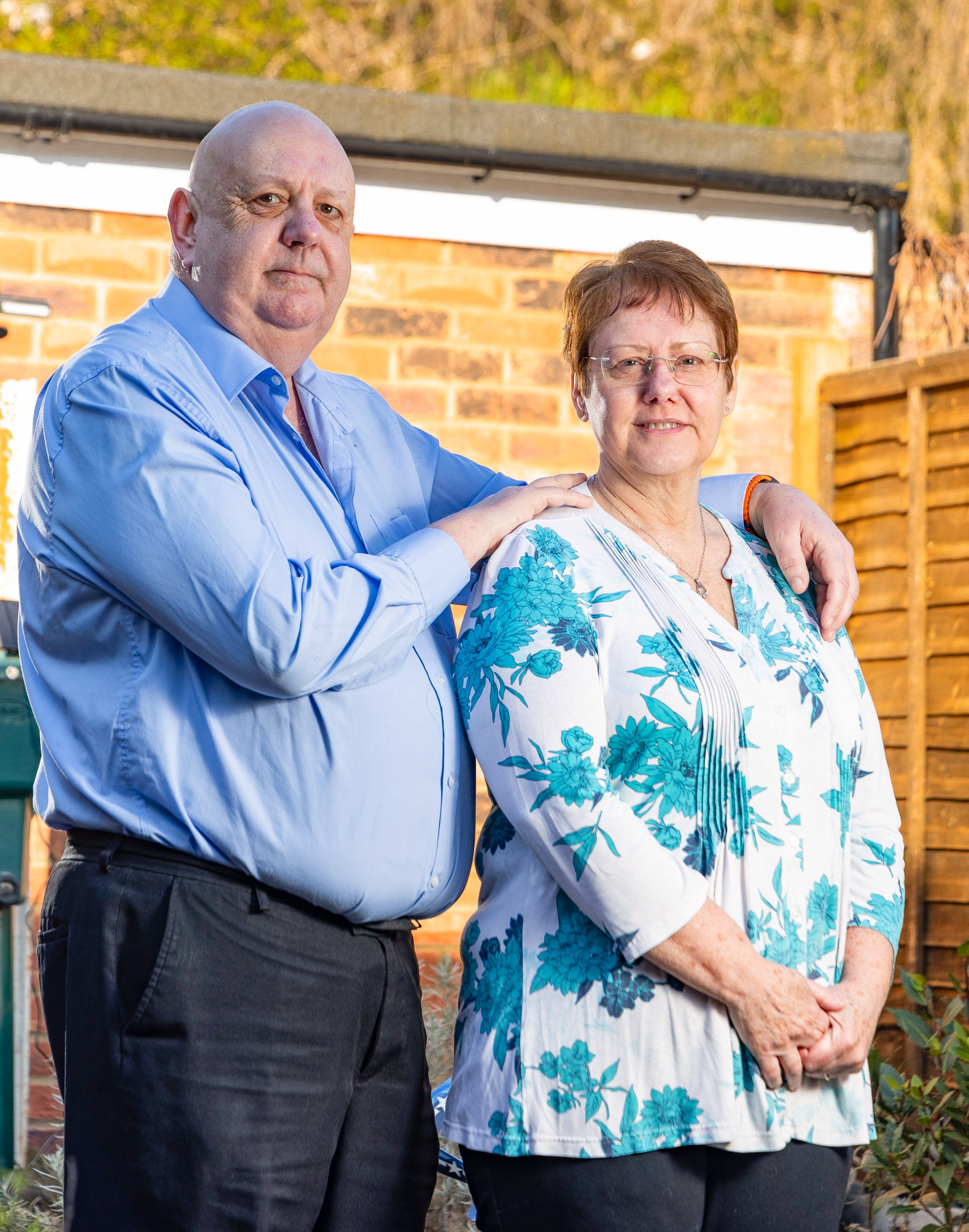
His wife, Joanne, said: “When I found out, it was a mixture of being angry because he hadn’t told me and being scared.
“I was so frightened of losing him for something that could have been prevented.”
She said she may have missed some clues that her husband was unwell. “I remember he didn’t want to go for walks, but I just put this down to him being anti-social.
“One time we were walking to the train station and had only gone about 30 metres when he became sweaty and was an awful grey colour.”
After spending nearly a year regaining his fitness, Mr Seymour had surgery to insert stents and promised his wife he wouldn’t keep quiet about his health again.
He said his advice for anyone scared to address their symptoms is to speak up and seek help.

Heather Smith, the chief executive of AXA Health, which commissioned the research as part of its Cover That Cares campaign, said: “Paul’s story highlights why it’s so important to open up to family and friends about health concerns, even when it comes to difficult or embarrassing topics.
“Undoubtedly it would have been a frightening experience for Paul and keeping his symptoms and worries to himself meant he wasn’t able to receive the care and support from his loved ones.
“It’s completely understandable why people can be reluctant to discuss their health, especially when it comes to serious conditions like Paul’s which could cause worry or distress to their loved ones.
“But as our research shows, 88 per cent of people believe it’s important to be honest about health issues and for those who did open up, the majority felt it positively impacted their relationship.”