Over the last year, the Trump administration’s mass immigration operations cost cities hundreds of millions of dollars, according to a new analysis.
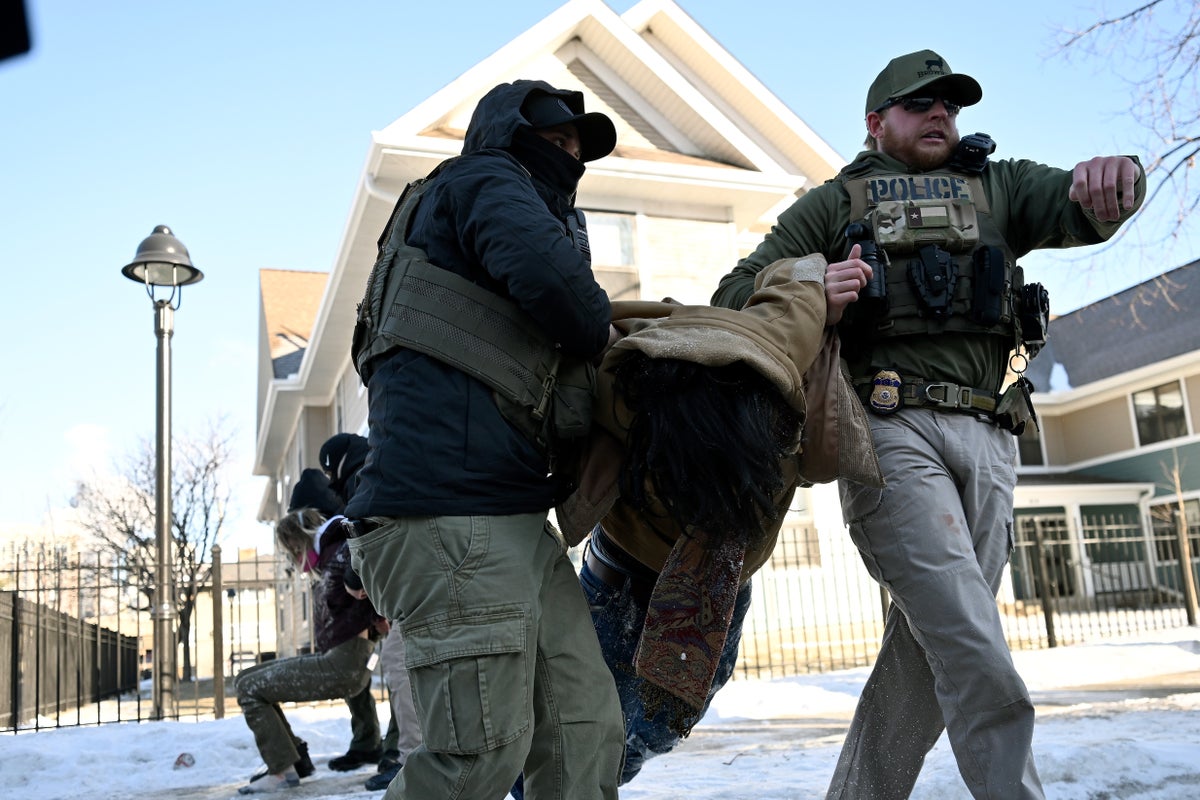
When President Donald Trump took office, he launched military-style operations in cities nationwide, including Minneapolis, Los Angeles, and Portland, to rapidly facilitate millions of deportations.
The deployments were often unprecedented, including a contingent of roughly 3,000 officers from Immigration and Customs Enforcement and the Border Patrol who were sent to Minneapolis, in what officials said was the largest immigration operation in U.S. history.
The operations, conducted mostly in Democrat-led cities, frequently spread fear through local communities, prompting immigrants to avoid going outside and local police departments to spend millions on overtime costs to manage the chaos.
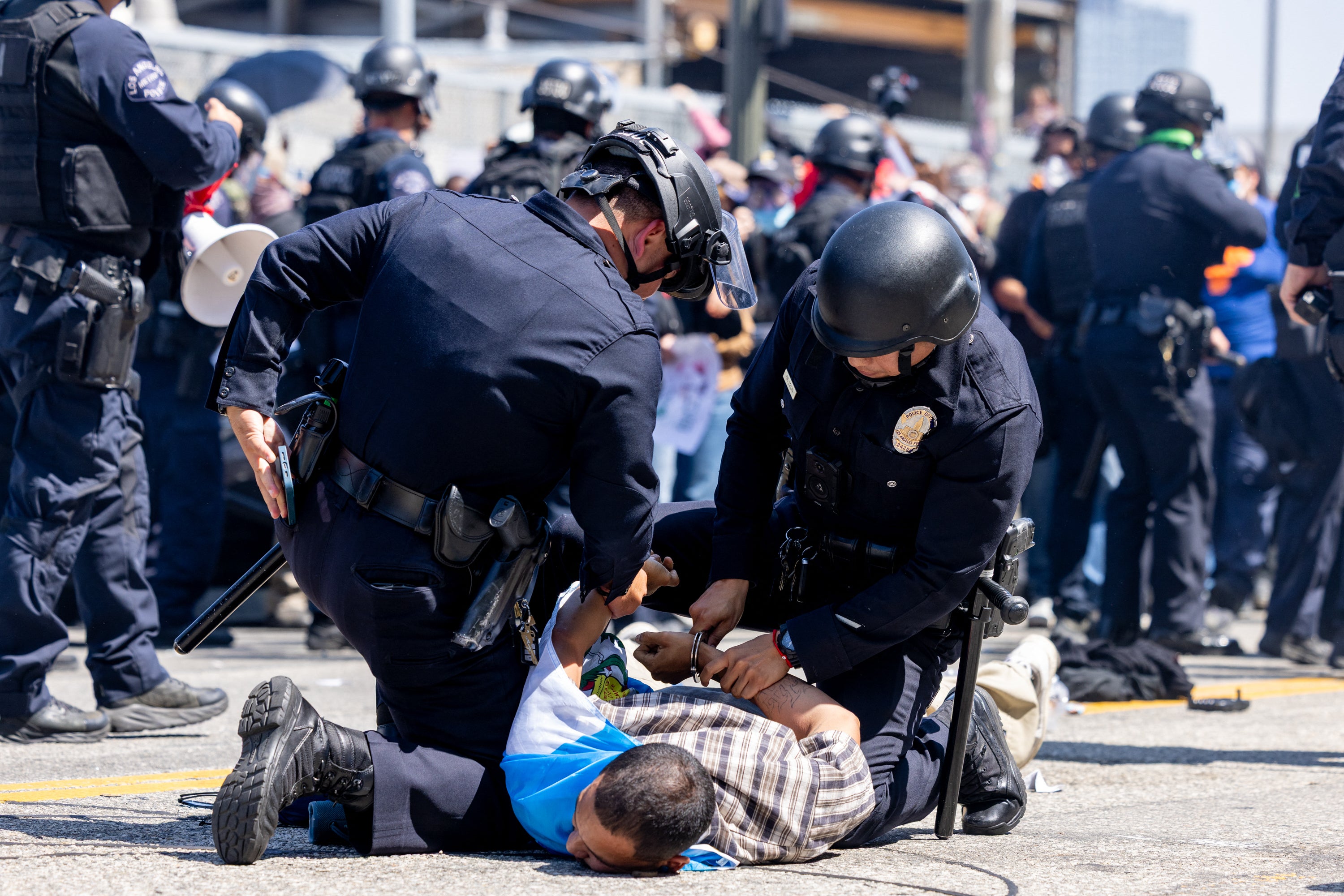
In Los Angeles, where the administration sent agents last summer, the Los Angeles Police Department spent $41 million on overtime in June, NPR found.
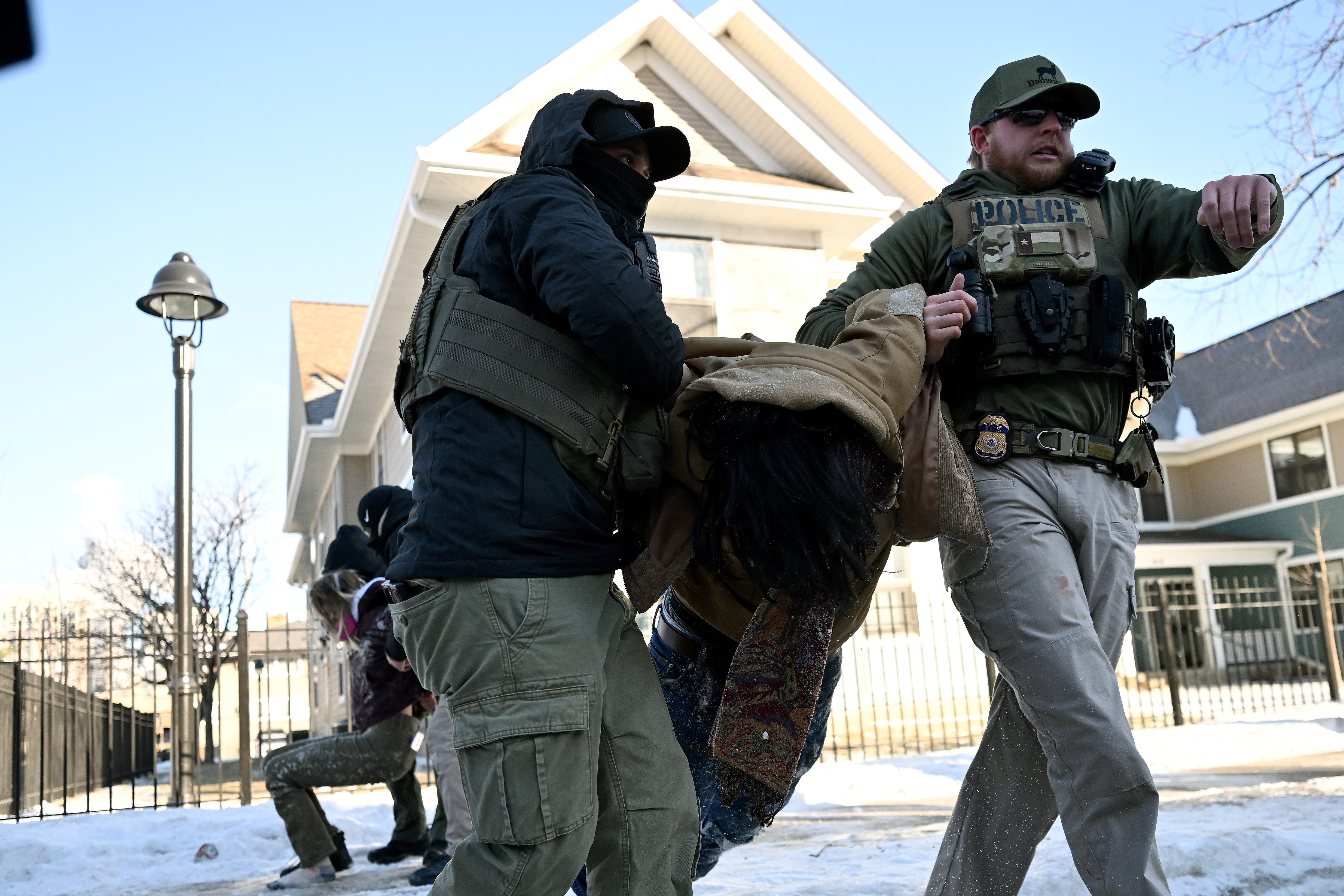
The city has also had to tap reserve funds to pay for growing legal costs tied to lawsuits over the sometimes violent police response to widespread protests against the operation.
In Minneapolis, meanwhile, the police department, already facing a staff shortage after 2020-era resignations, spent more than $6 million on overtime and standby pay between January 7 and February 8, more than double the city’s annual overtime budget.
“I cannot imagine any other city going through the intensity and the sheer amount of chaos that happened here. It was terrible,” Minneapolis Police Chief Brian O’Hara told the outlet. “Minneapolis is a small city. This is not Chicago. It’s not LA, I don’t think it would be possible for them to overwhelm those cities in the way that this city was really overwhelmed by that surge.”
The city later estimated that the White House’s Operation Metro Surge cost it $203 million in economic activity.
Across the country in Portland, police told NPR they nearly doubled the 2024 number of overtime payouts for event response calls, as officers were stationed around the clock near an ICE facility that was a magnet for protests and violent clashes.
A single visit to the facility from then-Homeland Security Secretary Kristi Noem required nearly 3,000 hours of police overtime.
Smaller states and cities have experienced similar financial hits from the operations, which have died down slightly in the wake of the controversial Minneapolis surge, where agents fatally shot two U.S. citizens in January, days apart.
An immigration operation in Maine cost the state some $3.4 million in lost retail sales in 10 days, according to the Maine Center for Economic Policy, with the overall impact of the administration’s Maine operation approaching $20 million.
The mayor of Broadview, a Chicago suburb that’s home to an ICE facility, has said responding to protests there during the Illinois surge cost more than $700,000.
For the time being, the administration hasn’t launched any new mass operations in blue cities, but immigration officers continue to make rapid arrests.
Immigration officers have averaged more than 1,000 arrests per day within the first months of 2026, nearly double the average at roughly the same point last year, according to a recent review of arrest data from The New York Times.
The arrests have prompted hundreds of emergency legal challenges, often overwhelming local Justice Department prosecutors.
Between January and mid-February of this year, there were between 300 and 400 habeas corpus petitions every day, a Politico analysis found, prompting one federal prosecutor to complain in a courtroom, “This job sucks.”
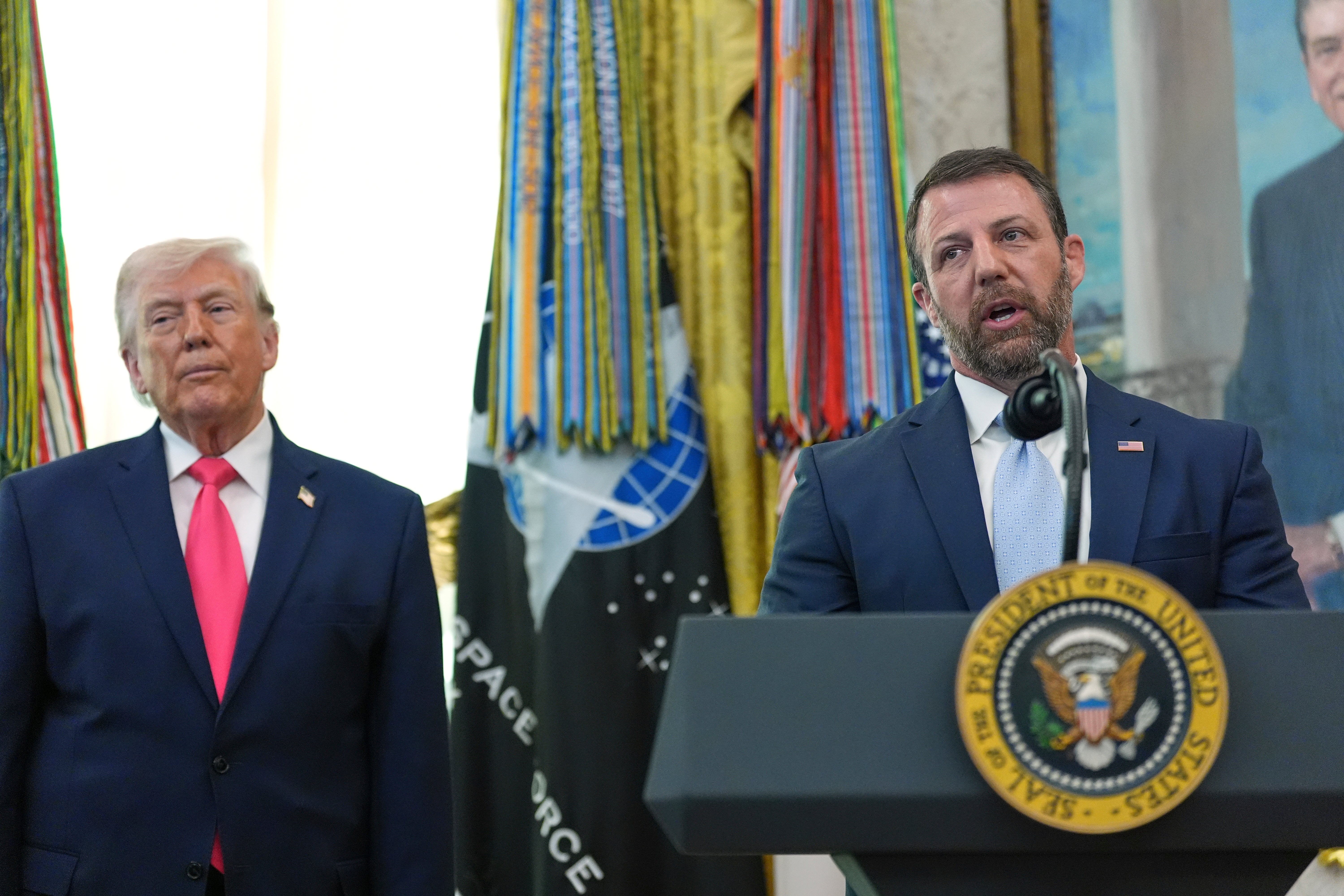
With this week’s confirmation of Markwayne Mullin to lead DHS, the Trump administration has signaled it’s looking for a refreshed approach from the agency, but record funding passed by Congress last year means agency operations are only likely to scale up in 2026.