Andrew Mountbatten-Windsor has been arrested on suspicion of misconduct in public office. The arrest comes after the US government released files that appeared to indicate he had shared official information with financier and convicted child sex offender Jeffrey Epstein while serving as a trade envoy for the UK. But the police have not given details of exactly what they are investigating.
It is important to be clear that the arrest is not related to accusations of sexual assault or misconduct. In 2022, Mountbatten-Windsor reached a settlement with the late Virginia Giuffre for an undisclosed sum that did not include an admission of liability.
Being named in the Epstein files is not an indication of misconduct. Mountbatten-Windsor has previously denied any wrongdoing in his association with Epstein and has previously rejected any suggestion that he used his time as trade envoy to further his own interests.
What was Mountbatten-Windsor’s official role and why did he lose it?
In 2001, Tony Blair’s government made the then-prince the UK’s special representative for trade and investment. According to the government at the time, his remit was to “promote UK business internationally, market the UK to potential inward investors, and build relationships in support of UK business interests”. He did not receive a salary, but he did go on hundreds of trips to promote British businesses.
Members of the royal family are often deployed by the government on international missions to promote trade. When negotiating with other countries, particularly those which are also monarchies, sending a prominent figure like a royal may help seal the deal. Indeed, the then-government claimed that the former Duke of York’s “unique position gives him unrivalled access to members of royal families, heads of state, government ministers and chief executives of companies”.
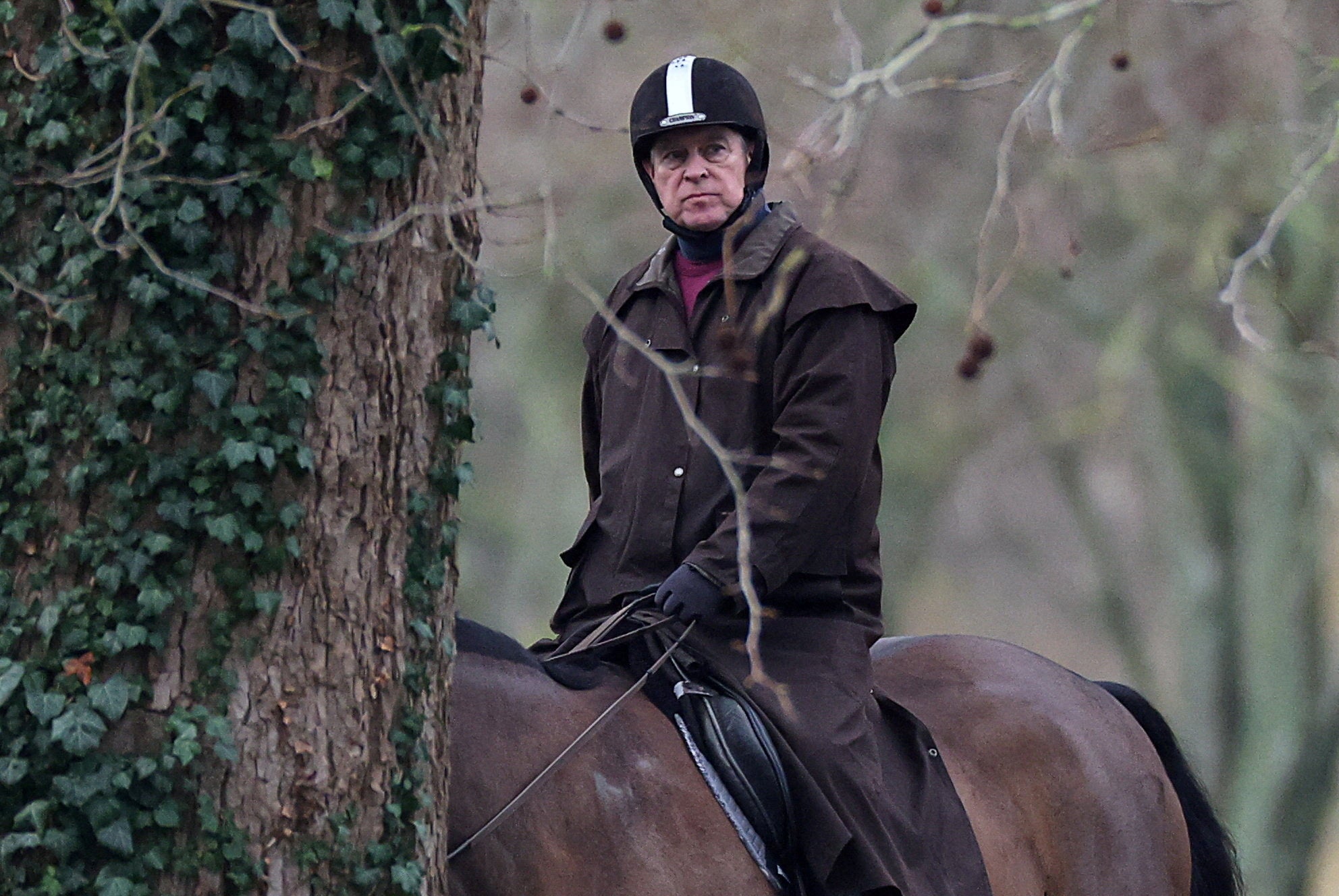
It is not unusual for members of the royal family to be deployed by the government for diplomatic missions. Royals often host incoming state visits and lead similar visits abroad, and can be deployed to lead delegations on more specific missions.
However, Mountbatten-Windsor had an official role as trade envoy. He stepped down from this role in 2011 following reports about his friendship with Epstein, who was convicted of sex offences in 2011.
Are royals protected from prosecution?
The monarch is protected by sovereign immunity, a wide-ranging constitutional principle exempting him from all criminal and civil liability. According to the leading 19th century constitutionalist Alfred Dicey, the monarch could not even be prosecuted for “shooting the Prime Minister through the head”. The Prince of Wales also enjoys immunity as Duke of Cornwall, which protects him from punishment for breaking a range of laws.
The State Immunity Act 1978, which confers immunity on the head of state, also extends to “members of the family forming part of the household”. However, this phrase has been interpreted narrowly to apply to a very tight circle of people and does not appear to apply to the monarch’s children in general. For example, in 2002 Princess Anne was prosecuted (though not arrested) for failing to control her dogs in Windsor Great Park after they bit two children.
Nevertheless, there has often been a perception that members of the royal family are held to a different standard when it comes to the law. In 2016 Thames Valley Police were criticised by anti-monarchy groups for not prosecuting the then-prince after newspaper reports alleged he had driven his car through the gates of Windsor Great Park. In 2019 the Crown Prosecution Service declined to prosecute Prince Philip for causing a car crash which injured two people.
The monarch also cannot be compelled to give evidence in court. For example, prosecutors were unable to summon the late queen to give evidence in the trial of Princess Diana’s former butler, who was accused of stealing her jewellery.
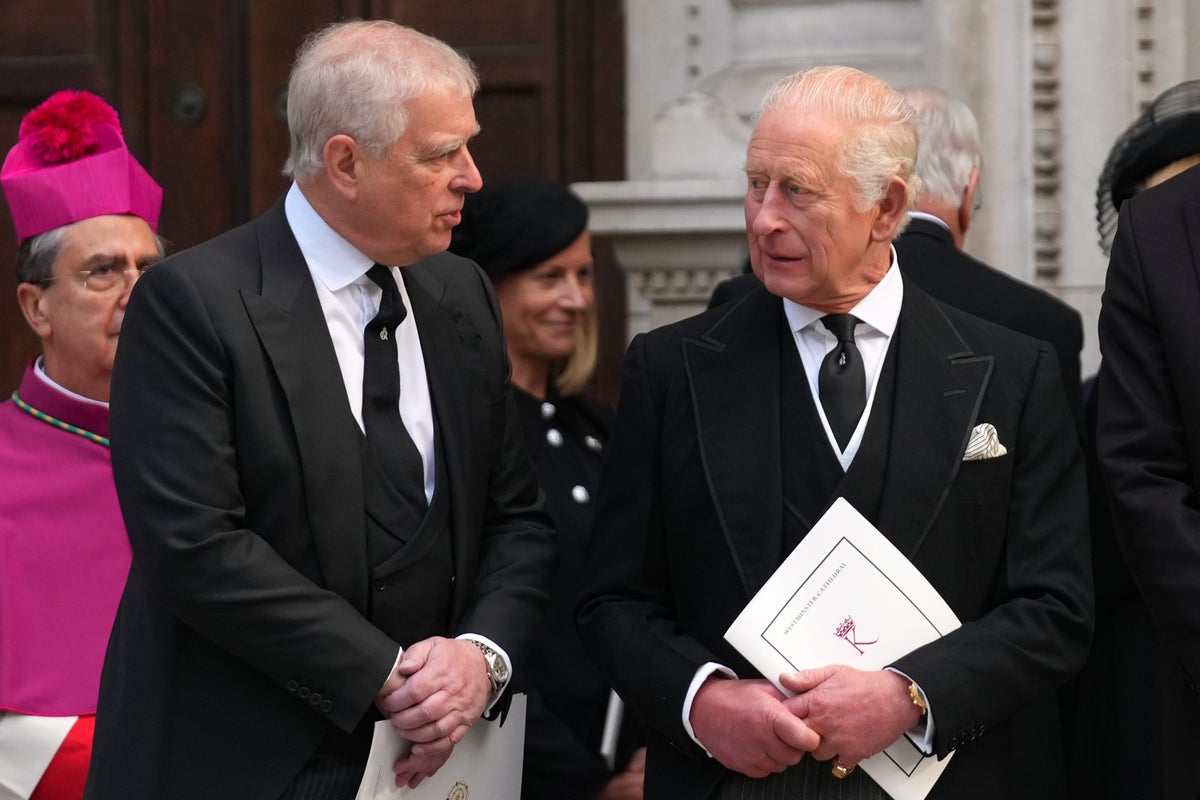
In response to Mountbatten-Windsor’s arrest, the king said: “What now follows is the full, fair and proper process by which this issue is investigated in the appropriate manner and by the appropriate authorities. In this, as I have said before, they have our full and wholehearted support and co-operation. Let me state clearly: the law must take its course.”
When was the last time a royal was arrested?
You have to go back quite a long way to find the last time that a member of the British royal family was arrested. This was during the English Civil War, when Charles I was taken prisoner for treason before being found guilty and ultimately executed in 1649.
A number of royals, including Princess Anne, have committed driving-related offences, including speeding. But this arrest makes Mountbatten-Windsor the first member of the royal family to be arrested in modern times, though it should be noted that he is no longer a royal – he was stripped of all his official titles in October 2025 as his friendship with Epstein came under even more scrutiny.
What limits do police have on investigating royal estates?
Sovereign immunity also prevents police from entering private royal estates to investigate alleged crimes without permission. This can, theoretically, protect members of the royal family from arrest and prosecution. The Cultural Property (Armed Conflicts) Act 2017 also bans police from searching royal estates for stolen or looted artefacts.
In 2007, two hen harriers were illegally shot at Sandringham estate. However, Norfolk Police first needed to ask Sandringham officials for permission to enter the estate, by which time the dead birds’ bodies had been removed. Police questioned Prince Harry, but did not bring charges.
Other incidents have allegedly led to Sandringham being accused of becoming a wildlife crime hotspot, with at least 18 reported cases of suspected wildlife offences taking place between 2003-23 – yet only one resulting in prosecution.
Another longstanding legal precedent is that no one may be arrested in the presence of the monarch or within the precincts of a royal palace. It was thought that this rule could protect other members of the royal family and royal employees. However, Mountbatten-Windsor’s arrest at Sandringham suggests that this antiquated principle may no longer hold true today.