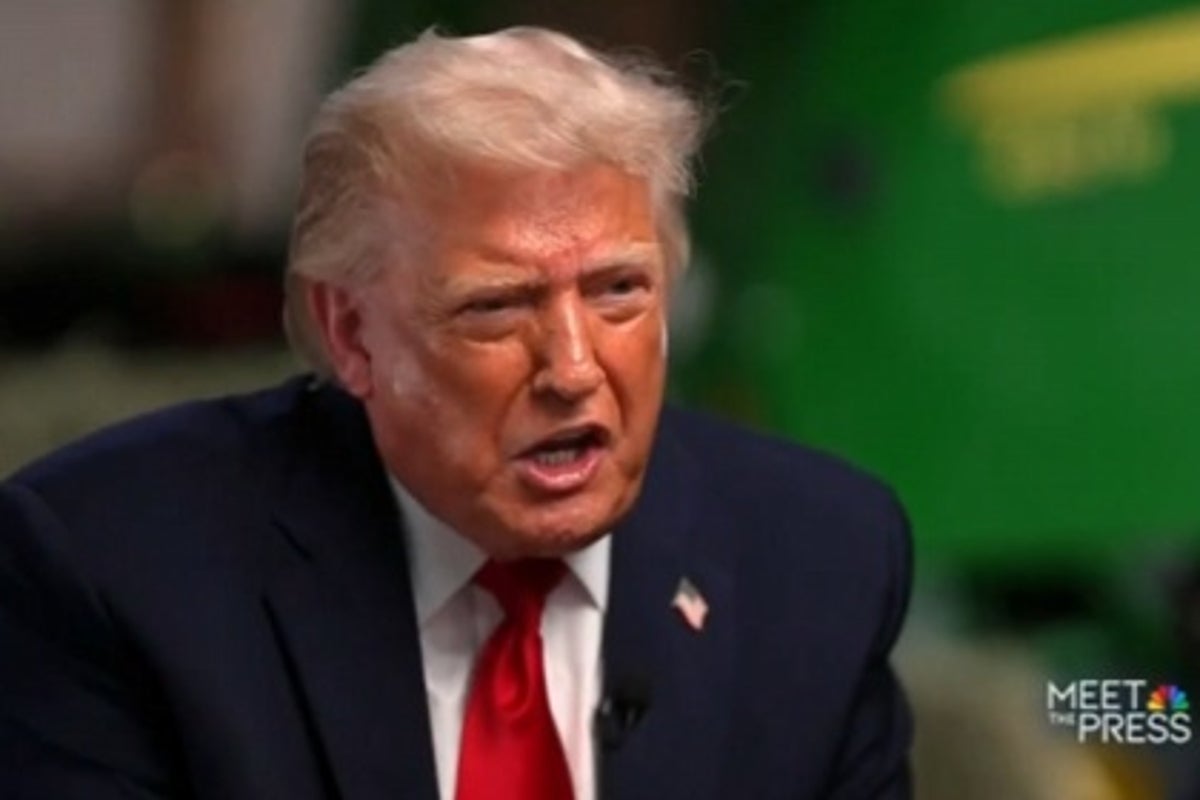

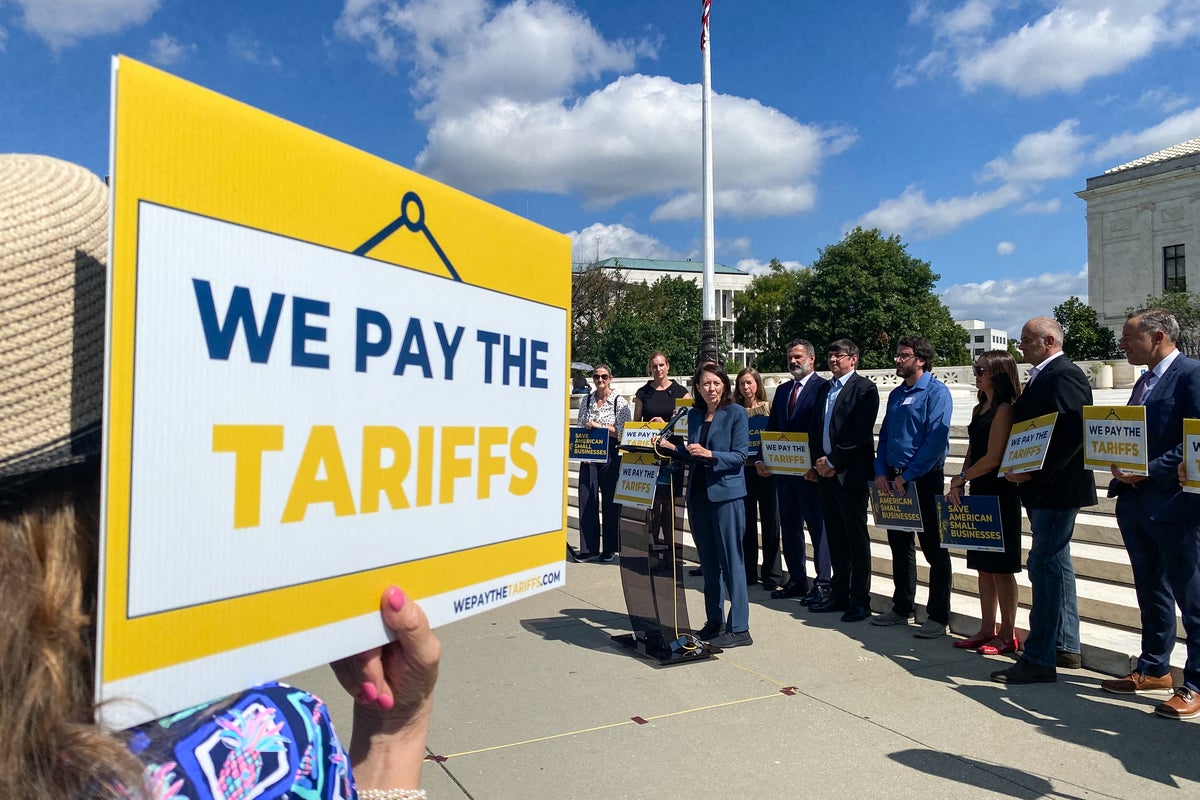
Despite the best efforts from the White House to convince the nation that U.S. trade partners are happily paying for President Donald Trump’s tariffs, consumers aren’t buying it, apparently.
Some 70 percent of Americans believe that Trump’s tariffs have made them pay more for their purchases, according to a Harris Poll survey of 2,138 adults published Tuesday by The Guardian. The sentiment is partisan, too, as 77 percent of Democrats and 64 percent of Republicans said the tariffs made consumer costs somewhat higher or much higher.
The poll confirms what previous studies have indicated – that consumers are paying for a majority of the tariffs, pulling extra dollars from American wallets that are already sparse amid higher-than-desired inflation and gas prices that shot up 50 cents a gallon in the days following the U.S. and Israel’s attack on Iran.
The retail prices that consumers are paying for imported goods have gone up 7 percent compared to pre-tariff trends, according to a study from the nonpartisan tax policy group Tax Foundation. In essence, consumers are paying $107 for imported goods that cost $100 before Trump’s tariffs.
Though the Supreme Court struck down many of Trump’s levies earlier this year, the president is trying to find other avenues for tariffs. If he succeeds in his latest plan to push global tariffs to 15 percent, it could cost Americans an average of $2,512 in added costs this year, up nearly $800 from 2025, according to a study published Friday by congressional Democrats.


The tariff-related extra costs Americans have faced so far – and may face in the future – have to do with, in part, foreign countries only paying 4 percent of the tariffs and U.S. consumers and importers fronting the other 96 percent, a January study from the Kiel Institute for the World Economy found.
“The claim that foreign countries pay these tariffs is a myth,” Kiel’s research director, Julian Hinz, said in a statement about the study. “The data show the opposite: Americans are footing the bill.”
Tariffs are piling on added costs for consumers who headed into 2026 already pessimistic about their finances.
Some 39 percent of consumers believed they were either somewhat worse off or much worse off financially at the end of last year compared to the previous year, a consumer expectations survey from the Federal Reserve Bank of New York found in December.

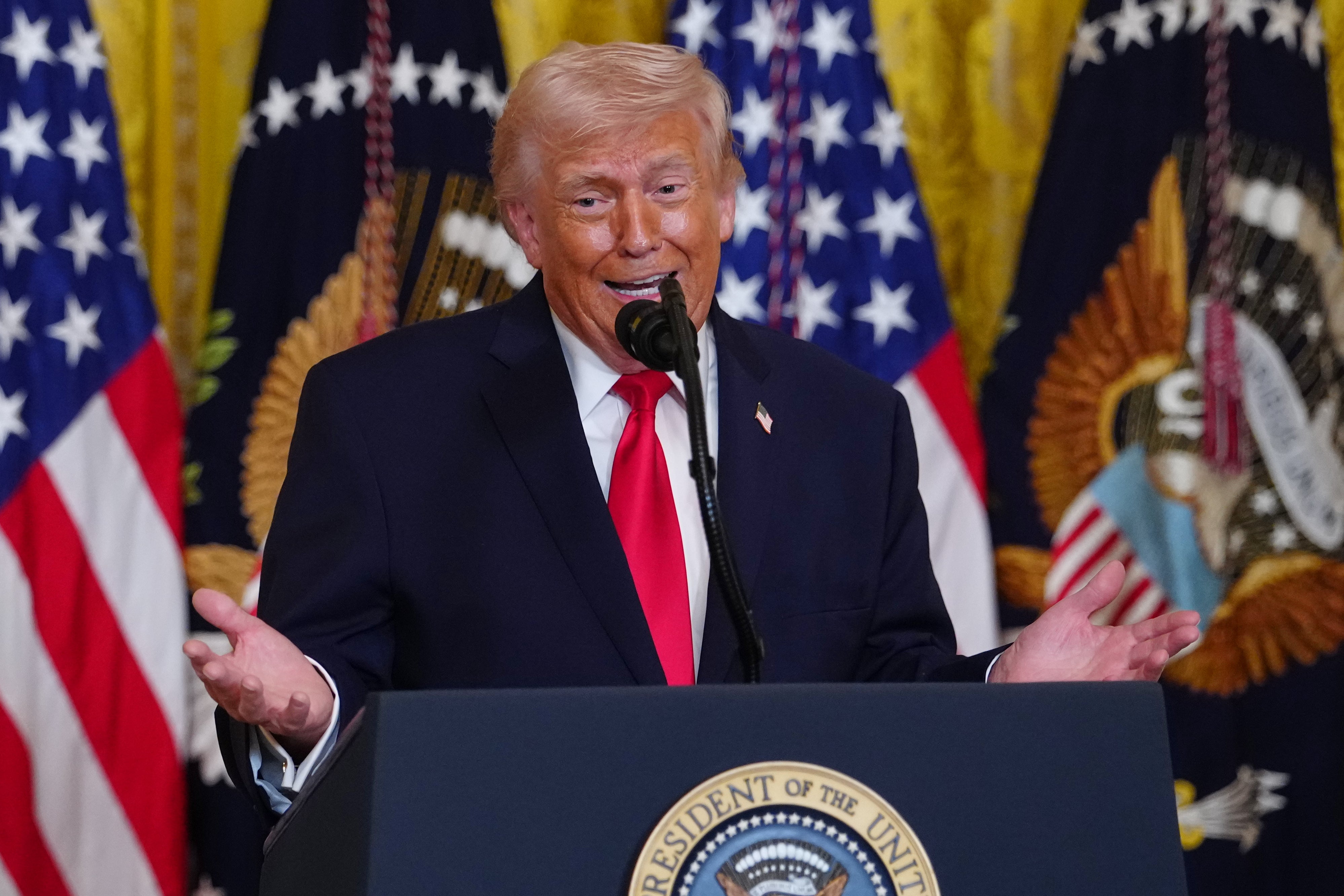
The overall negativity Americans feel about their finances – tariffs included – could impact Republicans’ chances of winning seats in Congress during mid-term elections later this year.
All 435 seats in the House and 35 of 100 Senate seats are up for grabs when voters head to the ballot boxes this November.
Of the 435 seats in the House, Republicans are projected to win 218, resulting in a razor-thin, one-seat majority over Democrats, according to nonpartisan election and campaign analysis group The Cook Political Report.
The Associated Press contributed to this report.