



Build your financial safety net now – before you need it.
That’s the message from financial experts, who have long recommended an emergency fund that covers three to six months of essential expenses, like mortgage repayments and utility bills.
In today’s climate, that advice carries new urgency because of huge advancements in technology and economic turbulence, according to Rajan Lakhani, head of money at Plum.
“Changes that would have taken decades are now happening within months, so it’s really important to be prepared in such a volatile, uncertain environment,’ he says.
But the benefits go beyond crisis-proofing, with Dan Browne, financial planner at Smith & Pinching, adding: “It’s not just about covering emergencies; it’s about reducing financial stress and improving resilience. Typically, people with money set aside are in a better place to absorb shock.”
Here, Browne and Lakhani share their six best tips for building up a financial safety net.
1. Don’t wait


The most important tip for creating a financial safety net is to start saving now, regardless of your income or how much you can put away. “Don’t wait until you can afford hundreds of pounds; if it can be as small as £10 or £20 a month,” Browne says. “It creates that momentum and instills really good habits. So start small, because at least you’re starting.”
2. Zero-based budgeting method

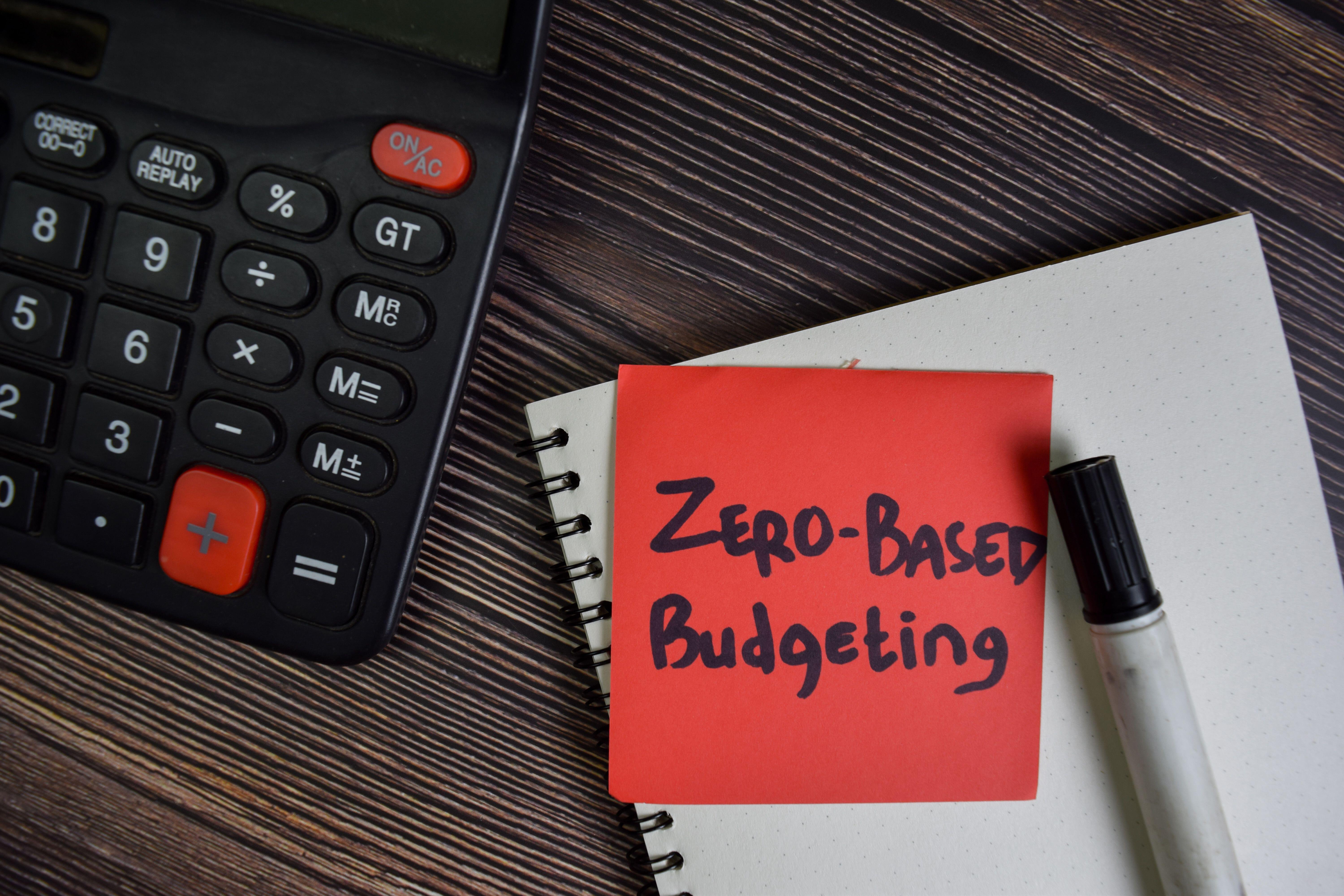
Lakhani suggests adopting the zero-based budgeting method, which requires every expense to be justified to prevent frivolous spending. He explains: “It involves creating a budget from scratch for each new period, typically every month. Then what you need to do is make sure that every single pound, whether that’s essential or discretionary, is accounted for, and that leaves you with no money unassigned at the end of your budget.
“It means that you’re spending mindfully as you’re giving every pound a purpose, whether that’s subscriptions, direct debits, debt repayments, or discretionary spending. That helps you to look holistically at what you’re spending on and what you could cut out.” Lakhani says that by doing this savers often find that they’re paying for forgotten gym or TV subscriptions, which could instead fuel a safety net.
3. No-spend challenge


Get a free fractional share worth up to £100.
Capital at risk.
Terms and conditions apply.
Go to website
ADVERTISEMENT
Get a free fractional share worth up to £100.
Capital at risk.
Terms and conditions apply.
Go to website
ADVERTISEMENT
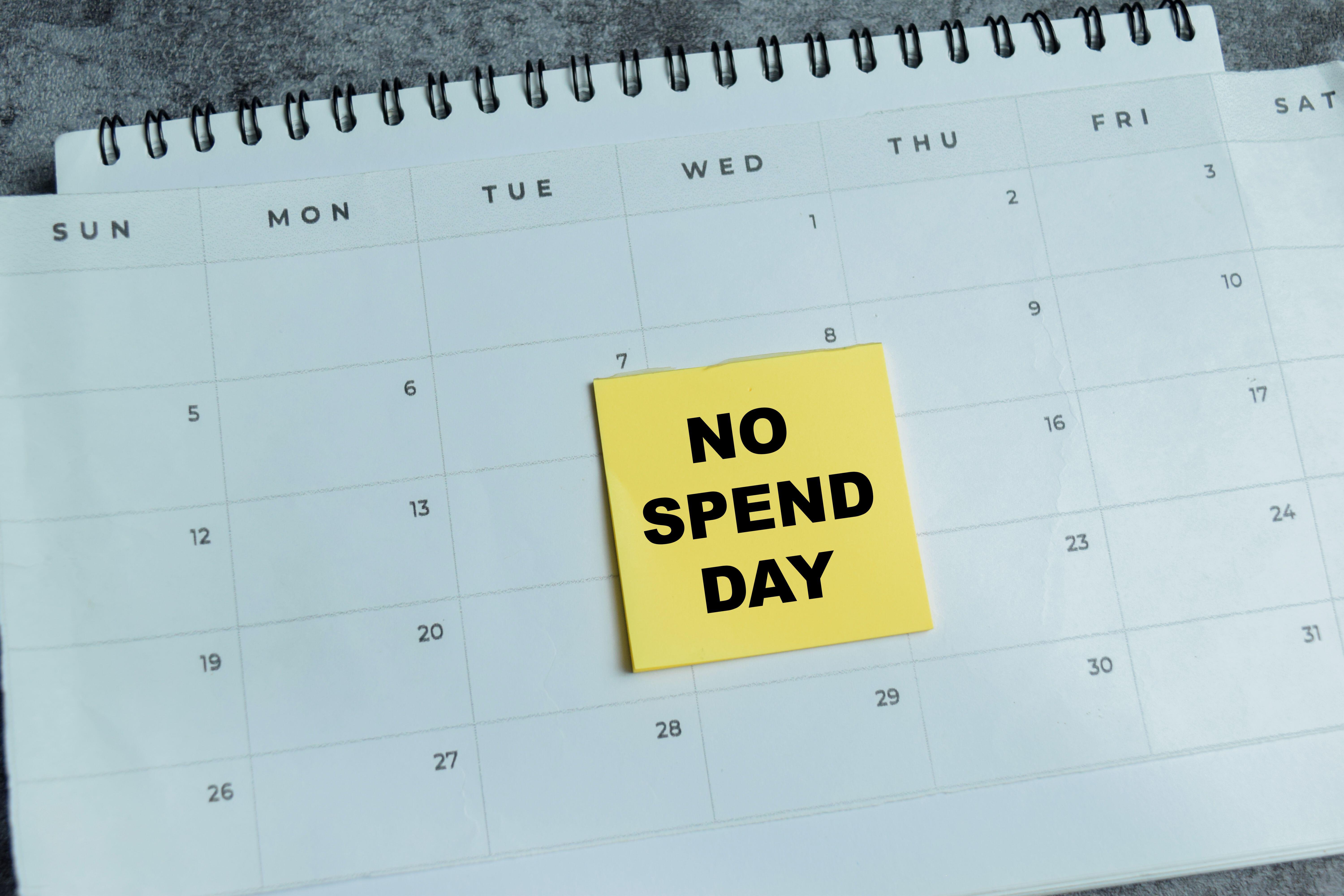
For a quick cash injection, consider forgoing discretionary spending, even if just for one day. “You’d be surprised by how much you spend on those trips to the shop or Amazon orders. Actually cutting out those small unnecessary purchases can leave you with a lot more at the end of each month,” Lakhani says. You may find that you’re able to commit to longer periods of no-spending, such as a week or a month, or even make it a regular habit.
4. Stick to easy-access savings accounts
An easy-access savings account is the best choice for a financial safety net, as the goal is peace of mind and security, rather than accumulating wealth.
“It doesn’t make sense to put that money in something like a stocks and shares ISA and put it at risk in the market. You don’t want it to be vulnerable to the volatility of the market,” Lakhani says.
“That’s not to say investing is a bad thing. Investing is a good thing, and, historically, it’s been shown to be the best way of earning inflation-beaten returns. But that’s over the long-term, at least five years, because that helps you to get through the ups and downs in the market.”
5. Make saving fun


If saving money feels daunting, turn building your financial safety net into a game to make it fun and rewarding.
It can also help build your emergency fund quickly. “At Plum, we found the 1p challenge was a really popular way to gamify your savings,” Lakhani says. “How it works is you save 1p on the first day, and you add an extra 1p each day for the next 364 days. By the end of the year, you’ll save almost £670.”
For an emergency fund, however, Lakhani recommends trying to save more each day, if possible. He says: “For example, you can do the 50p challenge, which has the same principle as the 1p challenge. When you think about it, 50p extra each day doesn’t seem that much, but if you do it for two months, you’ll have saved almost £1,200.”
6. Make your savings work
Make your money work harder by shopping around for the top interest rates on easy-access savings accounts.
To find the best deals, Lakhani recommends searching online or using dedicated comparison platforms, such as MoneySavingExpert.
“It’s really important that once you’ve done all the hard work to put that money aside, that you put your money to work, so you’re maximising your emergency fund. Nowadays, you can get interest rates of at least 4.5%, if not more,” he says. “Also, check how long the rate is available for, and then you can mark in your diary when that rate closes. Then you can consider whether you want to stick with that provider or consider another option.”
Lakhani advises that beyond securing the most competitive rate, savers should check that their account is protected by the Financial Services Compensation Scheme (FSCS), which protects cash up to £120,000 in the event the provider goes bust.