


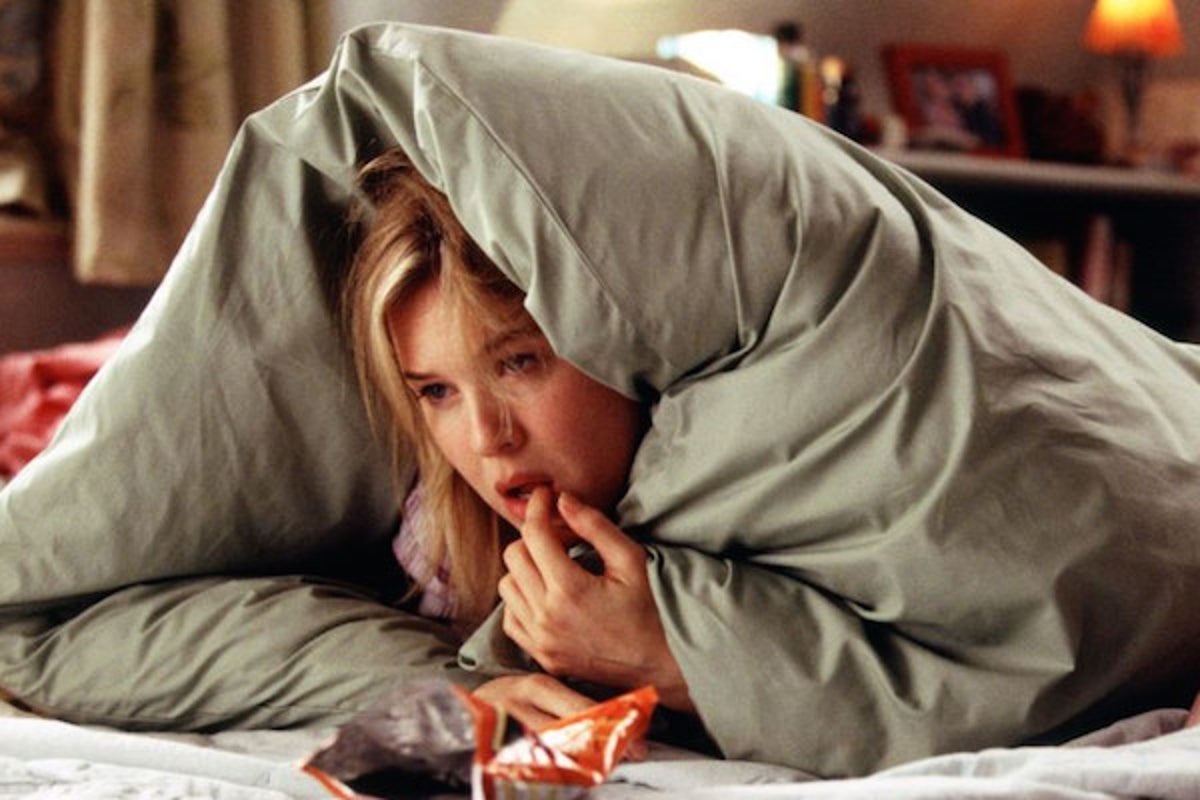
As yet another beautiful, sun-drenched day dawns in the coastal town I call home, I feel my heart sink. Gorgeous summer weather should, on the face of it, be a source of joy. This is Great Britain after all, and a traditional British summer usually means more picnics ruined by drizzle than you can shake a damp sandwich at.
The problem is, with the sunshine comes the “shoulds”. With weather this nice, I should be organising an impromptu ultimate frisbee game or lawn croquet tournament in the park. I should be going paddleboarding. I should be barbecuing and quaffing ice-cold rosé in the garden, but I should also simultaneously be practising beach yoga, going to an al fresco Shakespeare play, doing a 10-mile hike, sea swimming and socialising with everyone I’ve ever met.
The pressure to be out, on the go, doing a million and one fun activities and “making the most of it” swiftly becomes a noose around our necks the moment we catch a glimpse of blue sky. In reality, after an already over-stuffed summer and multiple exhausting heatwaves, all I really want to do is catch up on trashy TV from the comfort of my own living room while the world burns. Sigh.
I’m not alone in this desire. Gen Z are, apparently, embracing a trend called “soft hermitting”, deliberately saying no to plans and steering clear of human contact. In the past year, a third of young adults reported going days – while nearly one in 10 said they had gone several months – without any human interaction, according to a survey of 2,000 Gen Z and Millennials conducted by RiseGuide, a self-improvement app.
Google searches for “Signs of social burnout” have jumped by 270 per cent in the past month; searches for “How to say no to plans” have doubled.
Type “#hermitting” into TikTok, meanwhile, and you’ll find hundreds of videos. These aren’t posts from grizzled old men wearing sackcloth in caves, or even modern-day monks sharing wisdom from Tibet. They’re from young, attractive people – largely Gen Z – expounding the benefits of embracing “hermit mode”, whether to “protect your peace” or as part of your spiritual journey.

“We have this term in our apartment called ‘hermitting’, and basically what that means is if you don’t want to be social or talk to anyone you just say, ‘I’m going to go hermit in my room for a bit’,” according to one post. “That means you’re going to be in your room for the foreseeable future. The key is we cannot ask you for anything or knock on your door until you’ve emerged from your hermit session.”
Even A-listers are getting in on the action; global pop sensation Harry Styles said he became a “hermit” after his last tour ended in 2023, flying into Italy for “quiet time” and rejecting any and all invites to social engagements.
It can be a natural antidote to an overwhelmingly overactive summer, says Jaimee Campanella, a time strategist and productivity coach.
“Summer has a scorecard that no other season does,” she says. “Somehow, summer keeps track of how many events you attended, how beautiful the pictures looked, and whether your summer was ‘full enough’.”
Keeping up can be “exhausting”, she adds – and “soft hermitting is a decision not to measure yourself through your summer experience. Sometimes the best summer is to just have more time and space for yourself.”
Soft hermitting is a decision not to measure yourself through your summer experience
In fact, mental health professionals have recognised a trend of what’s been dubbed the “summer crash out”, a collective burnout where emotional capacity is maxed out, according to Michelle Ruth, a humanistic integrative counsellor. “It’s not an isolated breakdown, but a natural response to relentless pressure, heat, social comparison, or overstimulation,” she says.
Summer can also trigger something called the “comparison trap”, wherein we can’t help but hold our lives up to the perfectly curated Instagram versions we see other people share online and find them wanting. Studies have shown that frequent comparison via social media sites can lead to greater levels of anxiety and depression.
The temptation, then, to simply tap out of social engagements – and social media – altogether makes sense. But is it good for us? Not necessarily, according to the research.
Since the 1980s, the amount of in-person social time we have with others has decreased in the Western world. At the same time, loneliness has gone up dramatically. The World Health Organisation (WHO) has called loneliness an international “crisis”, with one in six people experiencing it worldwide.
Concerningly, it is young people who are hardest hit – the highest rates of loneliness between 2014 and 2023 were found among adolescents aged 13-17 (20.9 per cent) and young adults aged 18-29 (17.4 per cent).

In young people, social disconnection has been linked by the WHO to an uptick in mental health issues like depression and anxiety, plus reduced life satisfaction. One study from the University of Cambridge discovered that adolescents become highly motivated to seek rewards after just a few hours of social isolation – and that when opportunities for connection are limited, this could lead them to pursue less healthy rewards like drugs or alcohol.
Chronic loneliness has also been strongly associated with an increased risk of cardiovascular disease and cognitive decline in later life, and even early death.
While a tad overdramatic to say that soft hermitting could kill you, it might just be bad for your health. So how much time should we ideally be spending with other people on a weekly basis?
Though there’s no hard and fast number, one comprehensive analysis of data from the Canadian Social Connection Survey, which tracks social isolation and loneliness, determined that the sweet spot was about one to two hours per day, or nine to 12 hours per week.
While a tad overdramatic to say soft hermitting could kill you, it might just be bad for your health
A separate piece of research by Gallup, which provides workplace advisory services and global analytics, extrapolated that people need to spend six hours per day socialising to have a good day (which sounds, frankly, exhausting). “We found that even introverted personality types have more happy moments and fewer stressful moments when they spend at least five hours a day socialising with others,” said Gallup’s Tom Rath, who headed up the research along with Jim Harter, chief scientist of workplace management and well-being.
However, the good news for wannabe hermits is that research has also determined that individuals sometimes need a break from social interactions. One 2022 study concluded that periods of solitude give us the chance to recharge our social battery. The analysis of the Social Connection Survey revealed that too much social time can actually increase emotional loneliness; this appeared to happen when people spent above 20 hours per week socialising.
Of course, feel free to say no to that frisbee game, barbecue or croquet lawn tournament this summer if it’ll keep you sane. But maybe reconsider holing up indefinitely – there’ll be more than enough time to hibernate come winter, after all.