



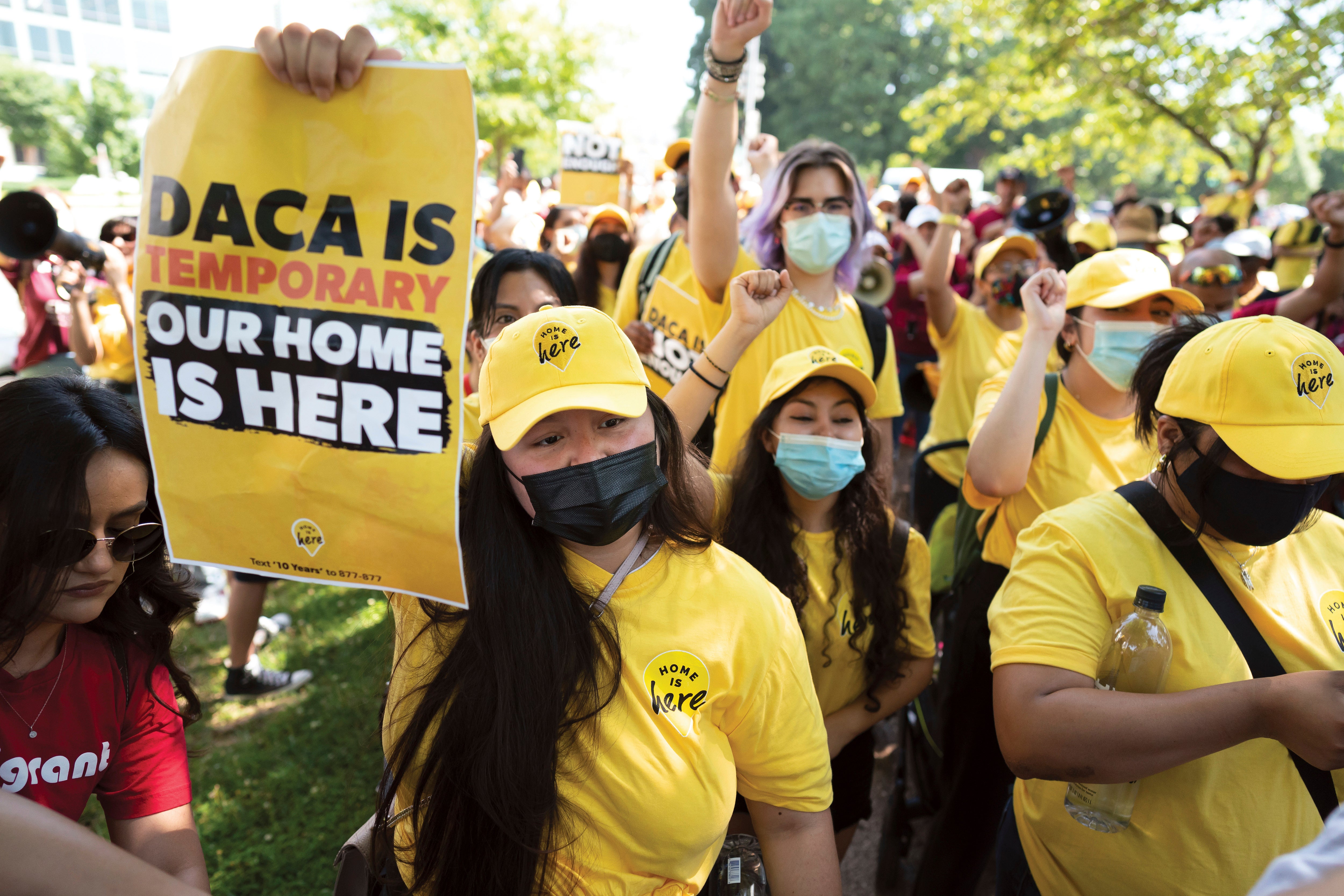
The Trump administration is moving slowly to renew applications for a longstanding immigration program that grants people brought to the U.S. illegally as children the chance to remain in the country, causing them to lose jobs and risk being deported.
The Obama-era Deferred Action for Childhood Arrivals (DACA) program has allowed hundreds of thousands of recipients to remain in the U.S. and legally work while remaining in the country on a renewable, two-year basis.
Now, the Trump administration efforts to restrict parts of the program have put the lives and careers of people who have counted on DACA at risk.
“You feel like a dog on the corner waiting for somebody to feed them,” DACA recipient Victor Jardon-Reyes, 33, told the Chicago Tribune.
Jardon-Reyes lost his Chicago-area job in the airline repair industry last month as he was waiting for renewal paperwork he submitted in November.
“Under the leadership of President Trump, USCIS is safeguarding the American people by more thoroughly screening and vetting all aliens, which can lengthen processing times,” Matthew J. Tragesser, a spokesperson for U.S. Citizenship and Immigration Services, told The Independent in a statement.
“DACA does not confer any form of legal status in this country. Illegal aliens claiming to be recipients of DACA are not automatically protected from deportation,” he said.
Advocates across the country say they’ve seen similar delays.
“Whereas before, you would get a response within a month [or] two months at most, now we’re into three or four months,” DACA recipient Mario Gonzalez, executive director at Fresno, California’s Education & Leadership Foundation, told KFSN earlier this month.
As of last June, there were about 516,000 people in the DACA program, according to the Migration Policy Institute, with the largest share in states like Texas, Illinois and California.
President Donald Trump has long pushed to end the program, unsuccessfully seeking to eliminate it during his first term, and chipping away at it in other ways during his second.
Over the last year, DHS arrested more than 260 DACA recipients. Between 86 and 174 of those people have been removed from the country, the agency has said, in contrasting statements on the exact figures that have outraged Democrat lawmakers.
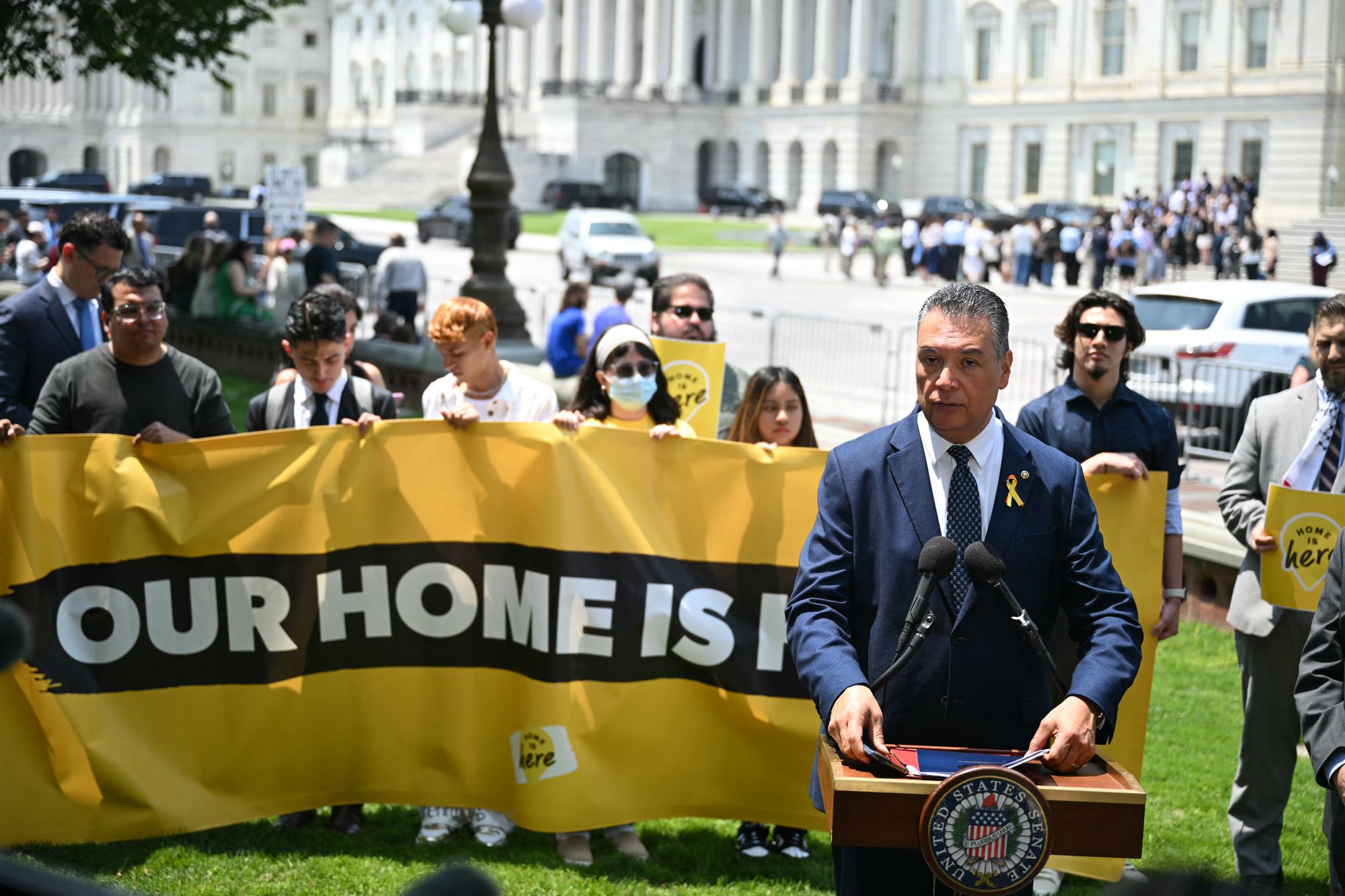
Congressional Democrats allege such arrests are illegal.
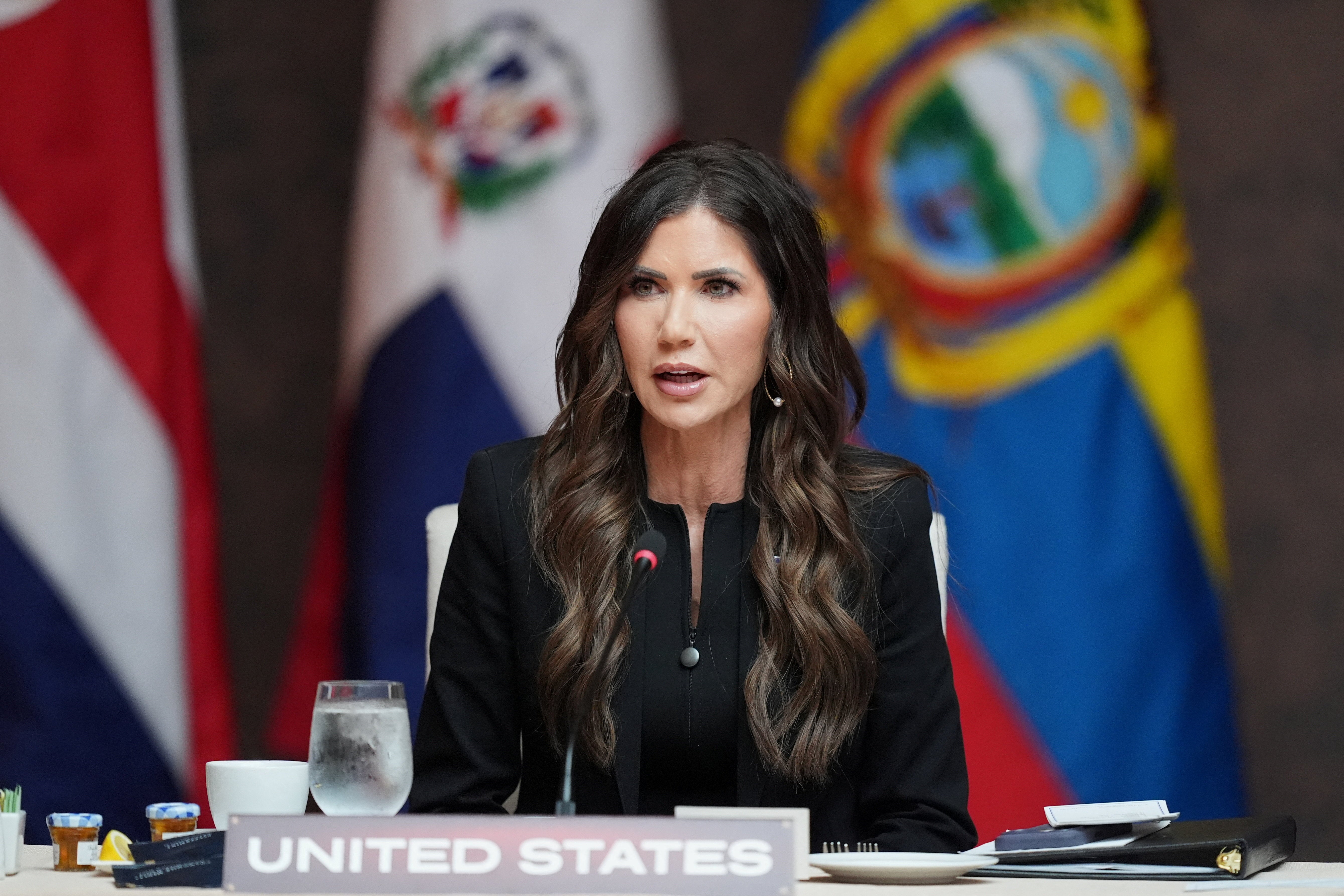
“We all know these facts: DACA beneficiaries are people who, put in a difficult situation, came out and trusted the government to do the right thing,” the Congressional Hispanic Caucus said in a statement this month. “They did everything right, knowing the risks. Is this how Donald Trump and Kristi Noem reward honesty, civic virtue and courage?”
A 42-year-old DACA recipient is suing the Trump administration, alleging she was deported a day after showing up to a green card appointment and is now stranded in Mexico.
“I built my life in Sacramento, raised my daughter there, and worked hard for years under DACA to support my family,” Maria de Jesus Estrada Juarez, the mother of a 22-year-old U.S. citizen, said in a statement shared with The Independent.
“I followed the rules and showed up to my immigration appointment believing I was taking the next step toward stability,” she added. “Instead, I was taken away from my daughter and forced out of the country overnight. I just want the chance to return home to my family and the life we built together.”
DHS alleges she was ordered removed from the country in 1998 and re-entered the U.S. anyway, though the lawsuit argues she never got a removal order or has been in removal proceedings.
Advocates have alleged that the Trump administration is trying to chip away at the program little by little until it no longer functions.
The administration has barred DACA recipients from being eligible for Obamacare, and the Department of Justice has sued states for allowing DACA recipients to pay in-state tuition at state universities.
Last year, a federal appeals court ruled in a long-running legal challenge against DACA that while the government can protect recipients from deportation, it is illegal to grant them work permits.
The latter portion of the ruling only applied to Texas, where a federal judge is now reviewing next steps.
“We have 89,000 DACA recipients who contribute $6 billion in spending power and pay $1.3 billion in taxes,” Juan Carlos Cerda, a DACA recipient and Texas director at the American Business Immigration Coalition, told CBS Texas. “Most of them would probably have to leave the state if they weren’t able to renew their work authorization.”

