



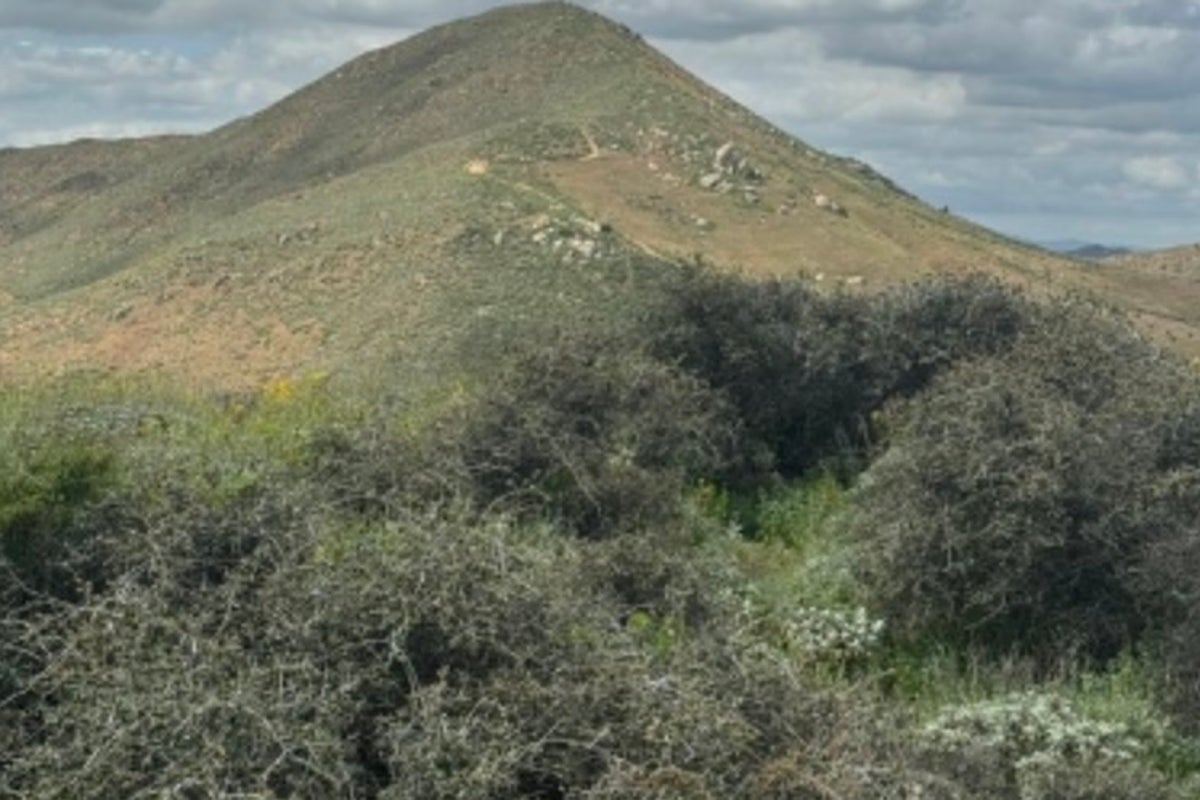
The world’s oldest oak has been spared from Southern California developers after a years-long battle to protect the land around the tree.
Conservation groups fought the city of Jurupa Valley to protect the Jurupa Oak, an ancient Palmer’s oak, from a new development just 550 feet away, warning it could cause environmental harm.
The Jurupa Oak is not known for its height, but rather its length. The shrub-looking oak covers nearly 80 feet of Jurupa Valley.
Tribal groups and environmental organizations had called on the city to create a 100-acre buffer for the tree, but their demands were denied in the approval of the development.
The development plans include around 1,700 homes, a business park and a school, according to SFGate, which first reported on the community’s battle.
The Center for Biological Diversity, along with other conservation groups, escalated the fight by suing the city in October 2024. The lawsuit claimed that the city approved the project without assessing the potential harm to the 13,000-year-old tree.
City officials failed to “reduce the project’s wildfire risks, greenhouse gas emissions, wildlife harms, water supply concerns and other environmental consequences,” the Center for Biological Diversity said in a press release at the time.
On Tuesday, the center celebrated an agreement reached by the conservation groups and developers to protect about 55 acres of open land near the oak tree.
“I’m relieved that we can steer development away from an oak that’s so special it can’t be found anywhere else in the world,” Aruna Prabhala, a senior attorney at the center, said in a new statement.
Jurupa Valley Mayor Brian Berkson told The Independent he was “very pleased” to hear of the agreement.
Berkson said that he had voted against the development in 2024, ”based on my belief that the 450 foot buffer of protection of the Jurupa Oak was arbitrary and did not protect the Oak well enough.”
“I wanted to see a larger buffer to protect this one-of-a-kind living organism,” the mayor added.
The agreement also expands the buffer around the oak. The development’s nearest border will be moved from 450 feet to 1,000 feet away from the tree.
“Our goal was to minimize risk to the Jurupa Oak and this agreement does exactly that while also making it easier for hillside animals in the region to roam and thrive,” Prabhala said.
“This ancient oak is an example of the rich natural heritage protected by California’s environmental laws, and how those laws help us protect our natural heritage for future generations.”

