


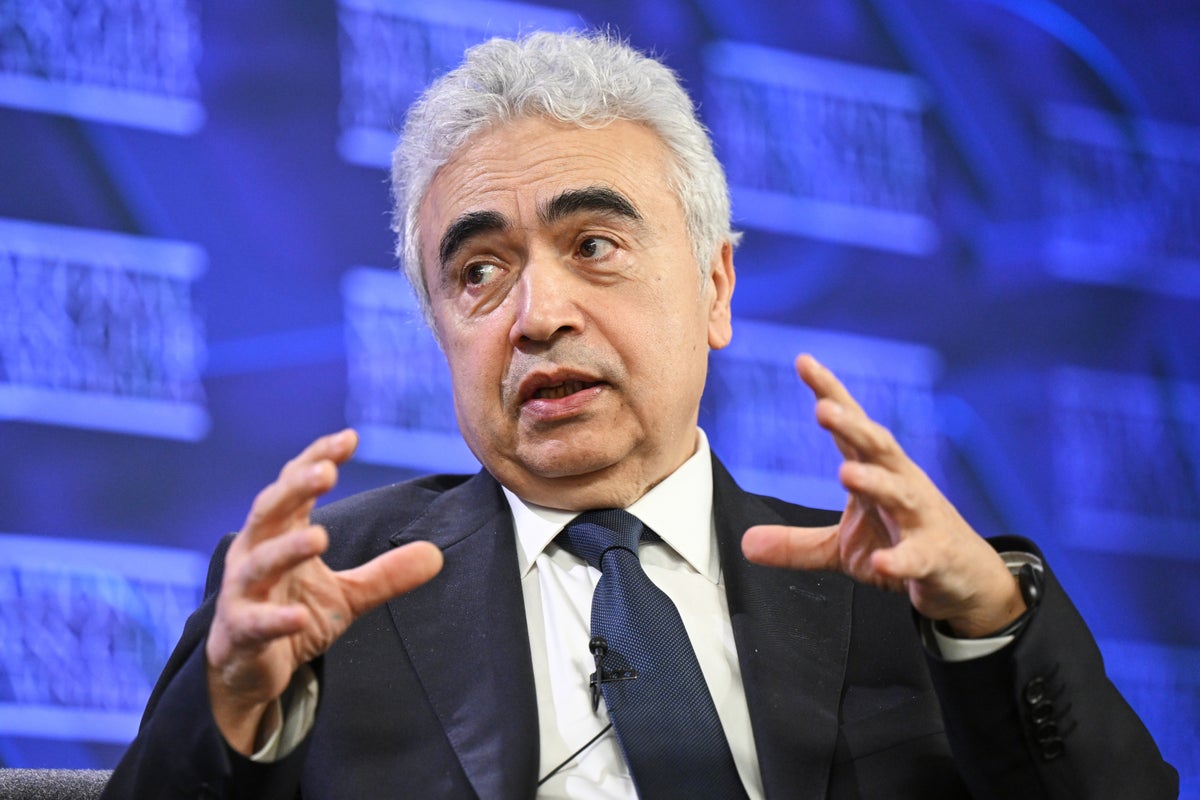
The shock to international energy supplies caused by the war in Iran will exceed the two 1970s oil crises and the war in Ukraine combined, the head of the International Energy Agency has said.
Speaking in Canberra on Monday, IEA executive director Fatih Birol said the growing crisis could worsen further because of interruptions to “vital arteries of the global economy”, including fertilisers, petrochemicals, and sulphur.
Mr Birol added that the full impact of the US and Israel’s attack of Iran, and Tehran’s subsequent closure of the strait of Hormuz, was not initially understood by world leaders.
The IEA last week pushed for demand-side measures to minimise the upward pressure on oil prices, including increasing the number of people working from home, temporary lowering of motorway speed limits, and reducing air travel.
He noted that even if the conflict was to end it would take time to restore energy supplies to pre-war levels, saying at least 40 energy assets in the gulf had been severely or very severely damaged.
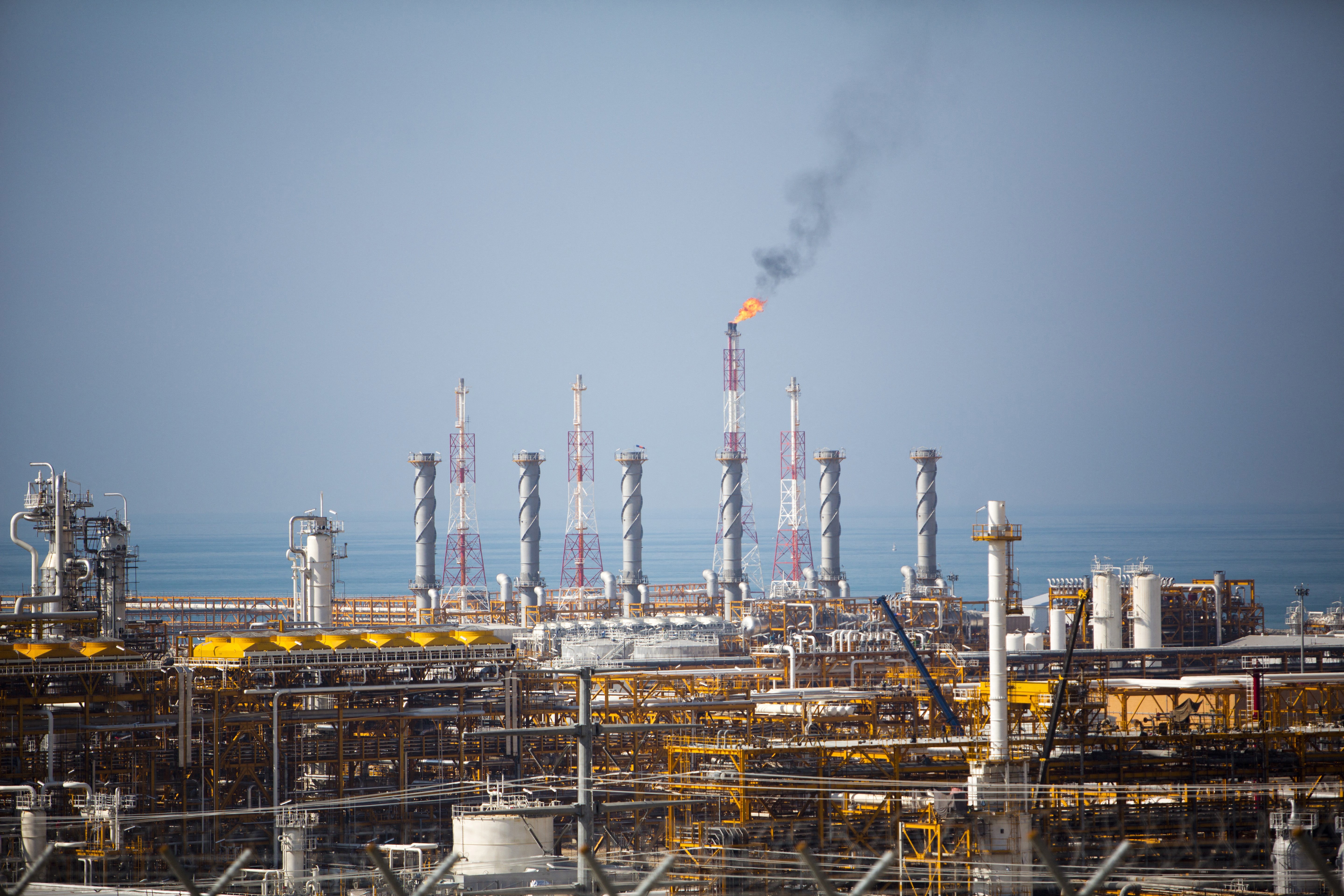
Comparing the current supply shock to previous emergencies, Mr Birol said 5 million barrels of oil had been lost during each day of the two energy crises in 1973 and 1979. Similarly, the Russian invasion of Ukraine in 2022 had removed 75 cubic metres (bcm) of natural gas from international markets.
By contrast, Mr Birol said the current crisis in the gulf has cut oil output by about 11m barrels per day and removed 140 bcm from markets.
“This crisis, as things stand now, is two oil crises and one gas crisis put all together,” Birol said. “The single most important solution to this problem is opening up the Hormuz strait.”
On 11 March, Birol directed the release of 400m barrels of oil from strategic reserves, the largest emergency energy measure every undertaken.
The IEA head said he is speaking with leaders in Asia, Europe and North America about further emergency releases, adding that the initial transfer was only 20% of reserve stocks.
“Our stock release will help to comfort the markets, but this is not the solution. It will only have to reduce the pain on the economy,” Mr Birol said.
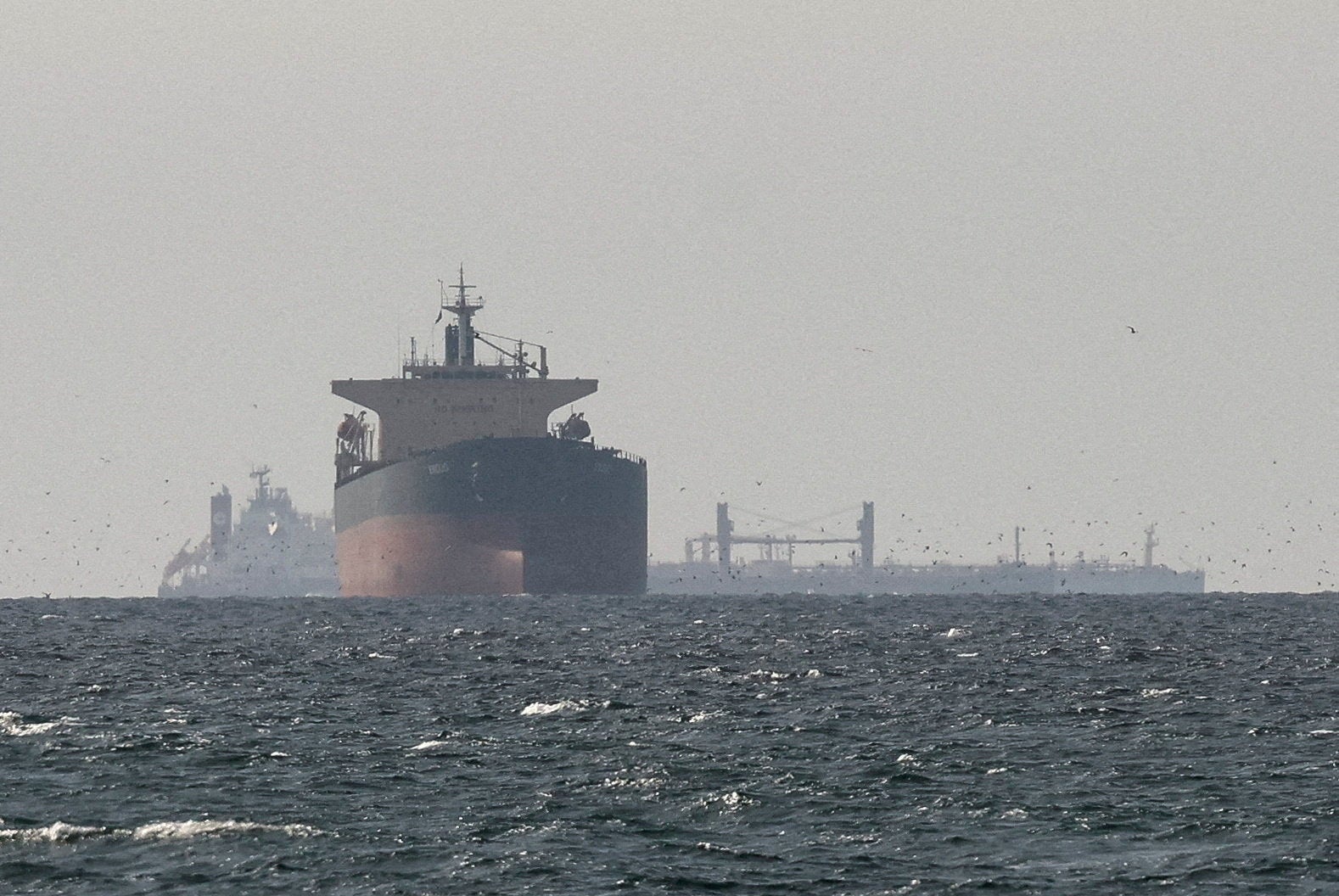
There was a surplus in global oil markets at the beginning of 2026, but since the war in Iran began on 28 February, Tehran has restricted the flow of tankers to a trickle and struck some ships in the strait, through which a fifth of the world’s oil passes.
On Saturday evening, US president Donald Trump issued Iran with a 48 hour ultimatum to reopen the strait, warning Iran it would “obliterate” its energy facilities, “starting with the biggest one first”.
In response, Iran said it hit energy and desalination infrastructure “belonging to the US and the regime in the region.”