
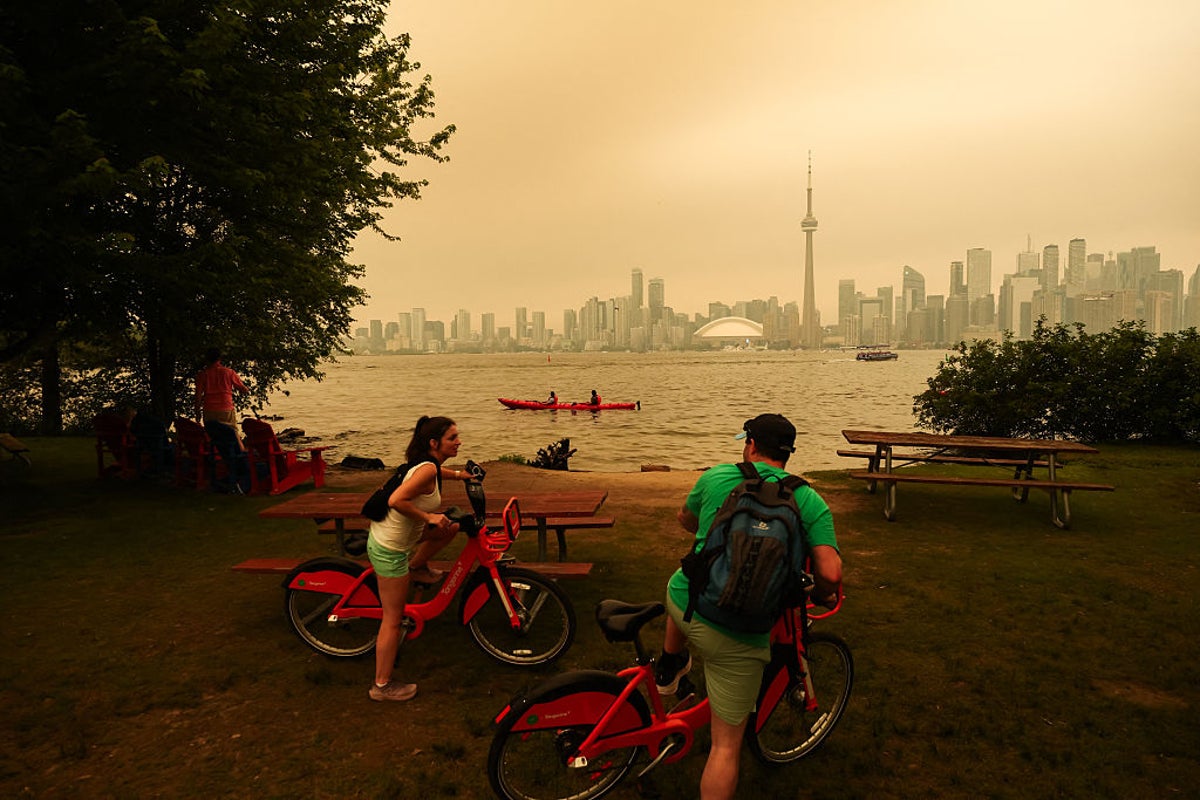
I woke up today seeing that my windows appeared to have an yellow/orange tint to them, signalling that wildfire smoke was upon my city and reminding us that climate-related hazards are increasingly becoming visible parts of our daily lives.
I’m a family physician, public health physician and medical educator. My work and research in space medicine has also given me a unique appreciation for planetary environments, and as I looked out at the orange haze, I could not help but reflect on how this view resembles the dust-filled skies astronauts will one day encounter when viewing the Martian landscape.
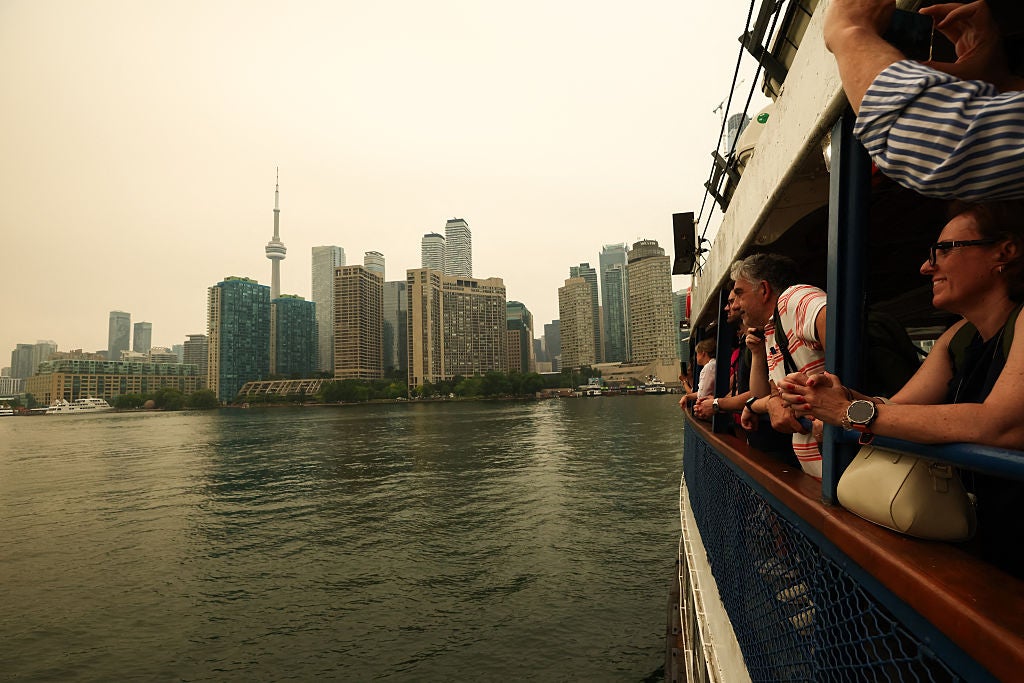
The current wildfires in Northern Ontario are impacting not just surrounding regions but a large swath of eastern North America, with wildfire smoke travelling far beyond the immediate fire zone and affecting communities hundreds of kilometres away.
As I write this, Toronto has the worst recorded air quality in the world. Millions across the United States are also being impacted by wildfire smoke originating from Canadian wildfires.
A triple threat
The triple threat of wildfire, poor air quality and extreme heat have been impacting countries around the world, including Canada, the United States and European nations.
Climate change is creating conditions that are increasingly favourable for wildfires, including hotter temperatures. Wildfire smoke can travel long distances, impacting air quality and increasing health risks for populations far removed from the original wildfire.
Wildfire smoke is a dangerous mixture of gases, fine particles and chemicals. The primary health concern is fine particulate matter (PM₂.₅). These particles can easily bypass the body’s defences, penetrate deep into the lungs and may enter the bloodstream, contributing to inflammation and systemic health effects.
Other harmful components in wildfire smoke include carbon monoxide, ozone, sulphur dioxide and nitrogen dioxide. Additionally, the convergence of air pollution, wildfire smoke and extreme heat represents a growing global health threat, with compounding effects that increase acute illness, worsen chronic diseases and contribute to preventable deaths.
The impact on health
Wildfire smoke reduces air quality and causes air pollution. Air pollution is a major concern for morbidity and mortality around the world.
The World Health Organization (WHO) indicates air pollution is responsible for seven million premature deaths annually and is responsible for more than 17,000 deaths in Canada, over 180,000 in Europe and around 200,000 in the U.S. annually.
Not only that, air pollution has become the second leading risk factor for death and also the second leading death risk factor globally for children under the age of five. Air pollution affects not only mortality rates but also quality of life and chronic disease management, and adds significant strain to an already overburdened health system.
Who’s most at risk?
Those who are at increased risk include children, older adults, pregnant people and those with pre-existing health conditions like asthma, chronic lung disease, cardiovascular disease and diabetes. We frequently notice increases in respiratory symptoms, ER visits, hospital admissions, worsening of underlying medical conditions and even death during such periods of either extreme heat, poor air quality, and/or wildfires.
Even those who are otherwise healthy can be affected, particularly people who work outdoors and those who participate in strenuous outdoor activities (including sports and physical exercise outdoors).
Symptoms commonly seen include cough, shortness of breath, wheezing, chest discomfort, headache, dizziness and irritation of the eyes, nose and throat. It can also lead to triggering or worsening of pre-existing medical conditions, including respiratory and cardiovascular diseases.
I was part of a national initiative by the College of Family Physicians of Canada and Health Canada, where I educated physicians across Canada on managing environmental health issues. I have seen the importance of translating environmental health warnings into practical actions that protect patients and communities.
How to stay safe
My recommendations include:
- Stay informed: Keep an eye out for air quality statements/warnings, and monitor the Air Quality Index/Air Quality Health Index (AQHI) for your region. The AQHI is designed to help people understand what air quality means for their health and steps to take to reduce exposure.
- Reduce exposure: When air quality is poor, limit time outdoors, avoid strenuous outdoor activities, consider exercising indoors and postpone or reschedule outdoor activities when possible. It’s important to check forecasts and plan activities accordingly. Those with asthma and other health conditions should ensure they have their medications and puffers readily available. Individuals should also ensure their home is adequately sealed from smoke infiltration, and consider the use of air purifiers. An N95 respirator can provide additional protection when going outdoors.
- Seek medical attention: Those experiencing symptoms related to the exposure, or worsening of underlying medical conditions should seek medical attention promptly.
- Check in on vulnerable populations: Given the heightened risk of preventable illness and death from wildfire smoke, extreme heat and air pollution, proactive outreach to vulnerable family members, neighbours, patients and others during environmental health emergencies is essential, particularly for older adults, socially isolated individuals and those with chronic medical conditions.
As climate-related hazards become more frequent and severe, protecting our health will require moving beyond warnings toward prevention. This will require stronger connections among public health, health-care systems and communities to ensure people have the knowledge, resources and support needed to prepare and respond before emergencies occur.