




If Chelsea’s 2-1 defeat at Arsenal was considered “boring” by many, that wasn’t how the Paris Saint-Germain coaching staff saw it. They thought it was an extremely high-end game, with a lot going into it. There were rotations, unexpected movements and a constant sense of “5D chess” to get players into positions.
Like Arsenal, the PSG staff were seeing Liam Rosenior giving the opposition a lot of unexpected things to think about. They were also seeing how the young coach had evidently upscaled from Strasbourg, that he was able to add even greater layers of sophistication to his approach with superior players.
And Rosenior had given PSG enough problems with the French side. Over three games with Strasbourg in 2024-25 and 2025-26, Rosenior lost his first early on away to PSG 4-2, beat them 2-1 when Luis Enrique’s team were at their absolute peak, and then drew 1-1 earlier this season.
A decent record, but better performances. Rosenior opted for an intense attacking approach, that ensured genuinely end-to-end games – in a way many caution against with PSG. It broadly worked.
It may get better, with Chelsea, if PSG don’t adapt to the kind of different little details their staff are now trying to anticipate. Rosenior has obviously been watching Luis Enrique’s side, too, and not just for game preparation.
“PSG were so good last year,” he said on the eve of the game. “The football I saw… I was admiring it.
“I don’t have too big an ego to say I don’t look at other coaches and learn from them. I showed the Strasbourg players clips of PSG last year.”
Through that, Rosenior also saw something even more high-end, as well as even more unexpected. If the young Chelsea coach has started to do very different things in all the little details of the game, Luis Enrique’s PSG were arguably the first team in some time – maybe even a decade or more – to do something very different with the bigger picture.

They made dribbling an intrinsic part of their ideology, just when it looked like it was going out of the game. The irony is that the base of Luis Enrique’s approach is still Pep Guardiola’s positional game, which is commonly seen as having eroded such individualism.
Luis Enrique has instead updated the game model and upgraded it, with something much more livewire. When you think of that Champions League run, after all, the main memory is of Kvicha Kvaratshkelia, Ousmane Dembele, Bradley Barcola and Desire Doue beating players at pace. It was exhilarating. It’s what might give Chelsea’s ever-changing defence a real challenge in this first leg.
And if these are two coaches trying to do different things, in different ways, that’s all the more interesting since there are also some significant differences between them. Rosenior is at the start of his career, and in this very tie overseeing his first ever Champions League knock-out match. As one other coach in the competition confides, “he has an ego, and he’s just taken a step that hasn’t been normal in most careers, but he also has quality”.
He’s really going to have to show it because that first ever knock-out tie also happens to be against the competition’s reigning champions, and one of the most experienced and sought-after coaches in the game. Luis Enrique is on Manchester United’s list. Chelsea have looked at him in the past. How couldn’t they, given this is a manager that has won two trebles.
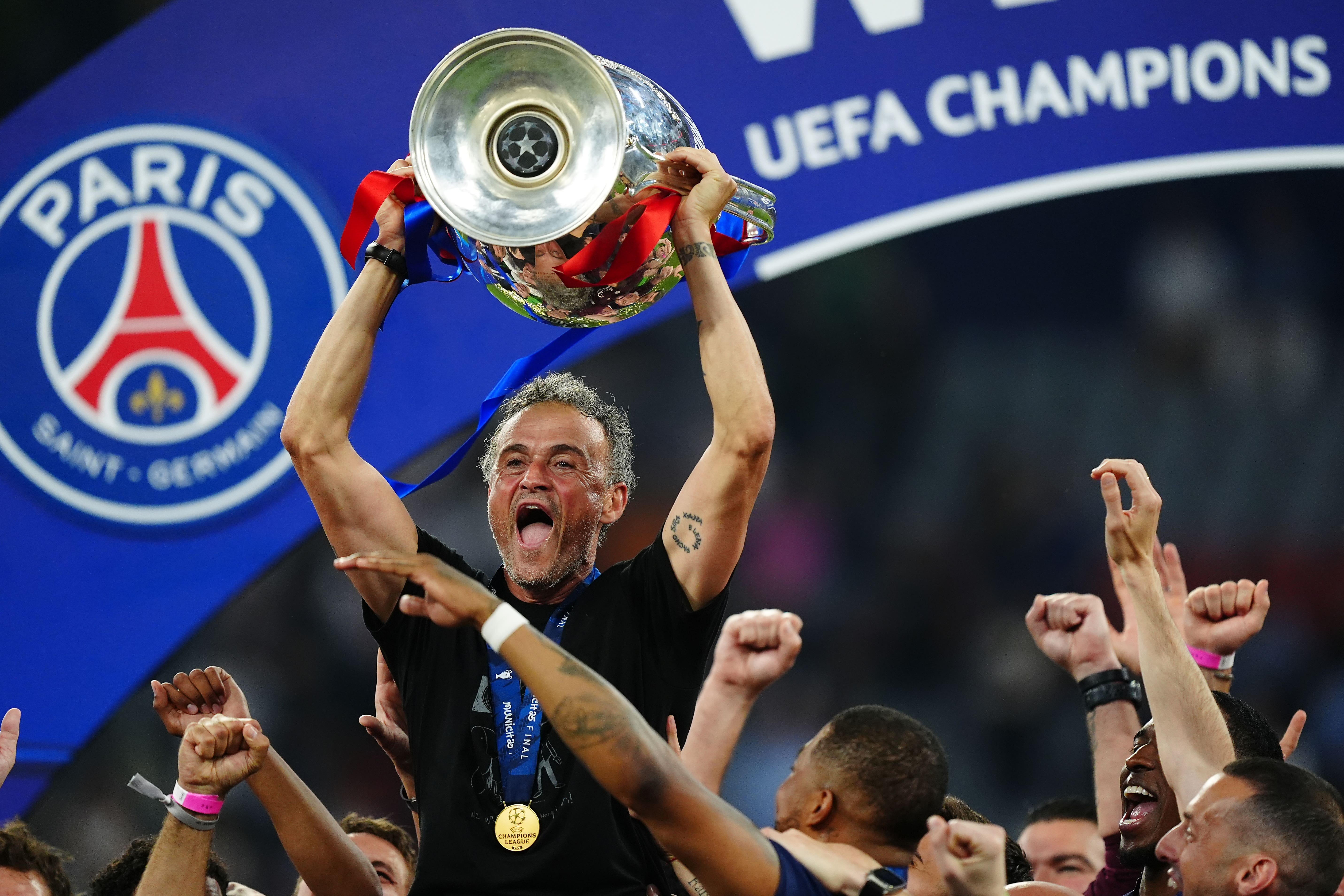
That difference also points to something more distinctive about this Champions League last 16. There is actually a considerable split between a small group of coaches with a lot of experience – principally Pep Guardiola and Diego Simeone, with 30 seasons between them, to go with Luis Enrique’s six – and a much larger group with very little.
Five managers, including Rosenior, are in their first ever Champions League season. A further three – Igor Tudor, Vincent Kompany, Eddie Howe – are in their second. This naturally feeds into wider themes from this season, as regards how the game is changing and the model is moving more towards head coaches over managers.
Inexperience hasn’t exactly been a barrier to victory, mind. In the last two decades, all of Guardiola, Roberto Di Matteo, Zinedine Zidane, Hansi Flick and Luis Enrique himself won it in their first seasons.
This isn’t necessarily to now declare that Rosenior can do that, but it says a lot that this is probably the tie which is closest to 50-50 out of all the eight. It’s a very difficult pairing to predict, and may well end up the most engaging of the round.
Even when it comes to the stars, Joao Pedro is in the kind of form where it looks like he can equal anything Kvaratshkelia wants to offer.
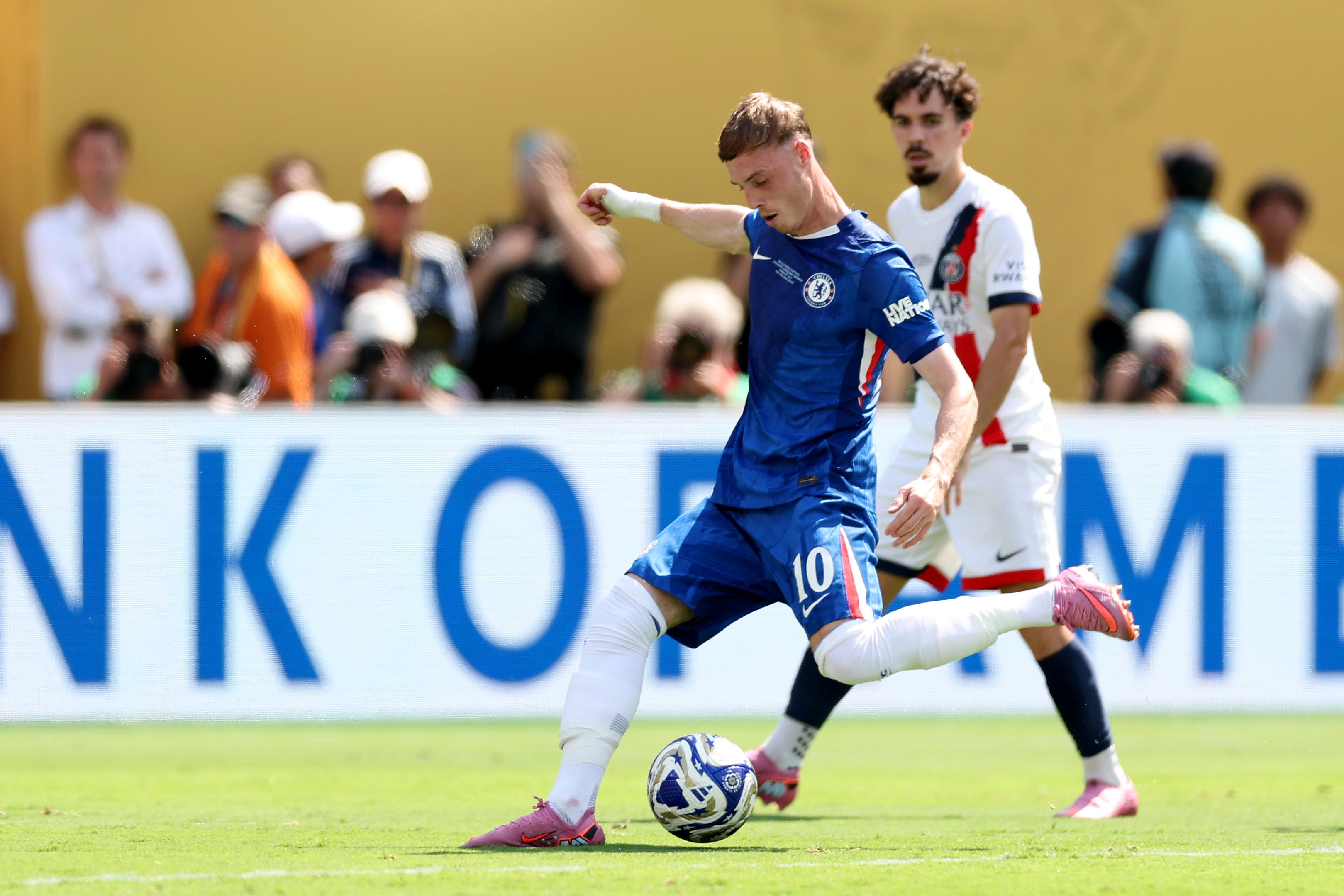
Some of the reasons for this balance are admittedly down to other factors, beyond quality of squad and managers.
PSG have endured something of a drop-off, that is arguably natural after winning the Champions League. It’s partly why no one outside Real Madrid has retained it since 1990. Luis Enrique also endured this the season after his last treble, with Barcelona, arguably raising questions over how sustainable his intense approach is.
That in itself is nevertheless further complicated by something affecting both clubs, which is the long-term fatigue from the Club World Cup. That genuinely can’t be discounted, even if there is a temptation to dismiss the concerns of very expensive squads overseen by one state ownership and one private equity ownership.
As regards the players as professionals, though, the disrupted pre-season has clearly affected both squads. Chelsea at least don’t have that many direct injury concerns, and there is hope that Reece James will be fit enough.
These are all various elements that Rosenior has to handle. Luis Enrique has plenty of experience managing that. His Chelsea counterpart is at the start of that journey.
And yet this tie is there in the middle of it all, for a perfectly balanced first leg. It’s why, like both sides, but for different reasons, it’s very difficult to predict.
.jpg?trim=0,0,0,0&width=1200&height=800&crop=1200:800 "South Africa denies Trump’s claim that returning white citizens face persecution – UK Times")