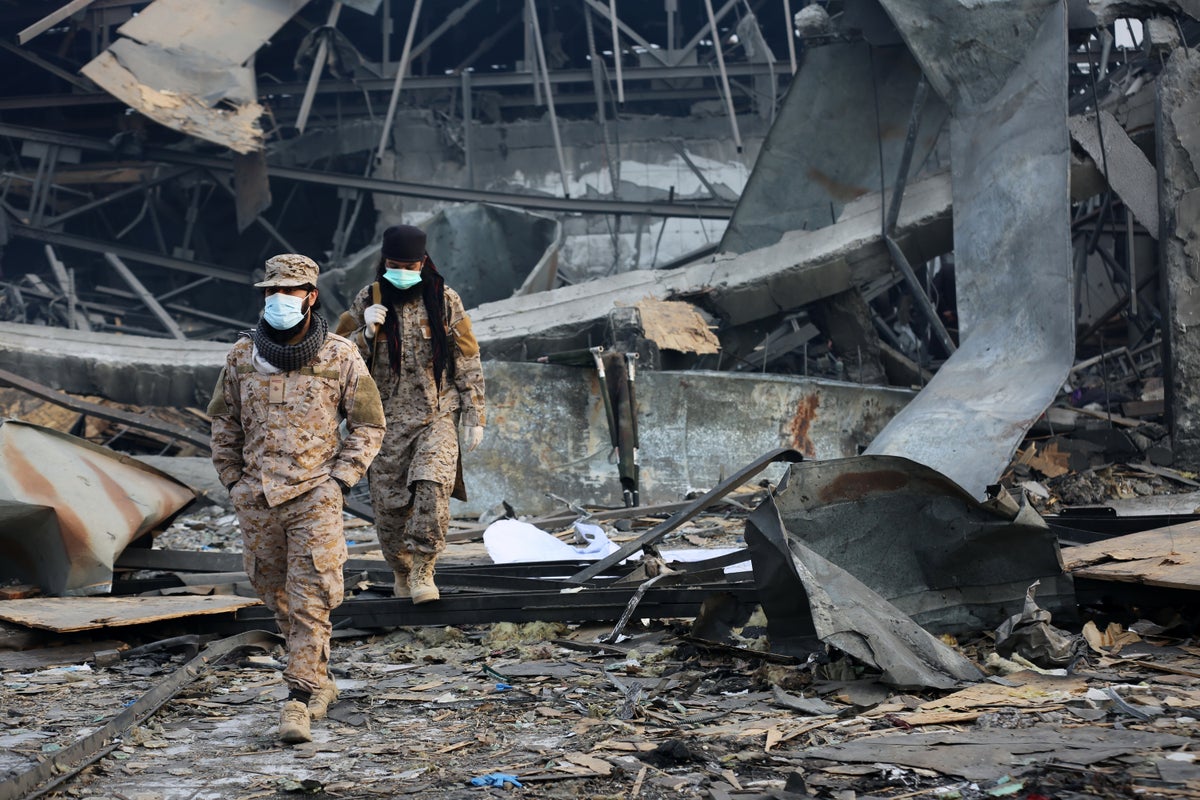
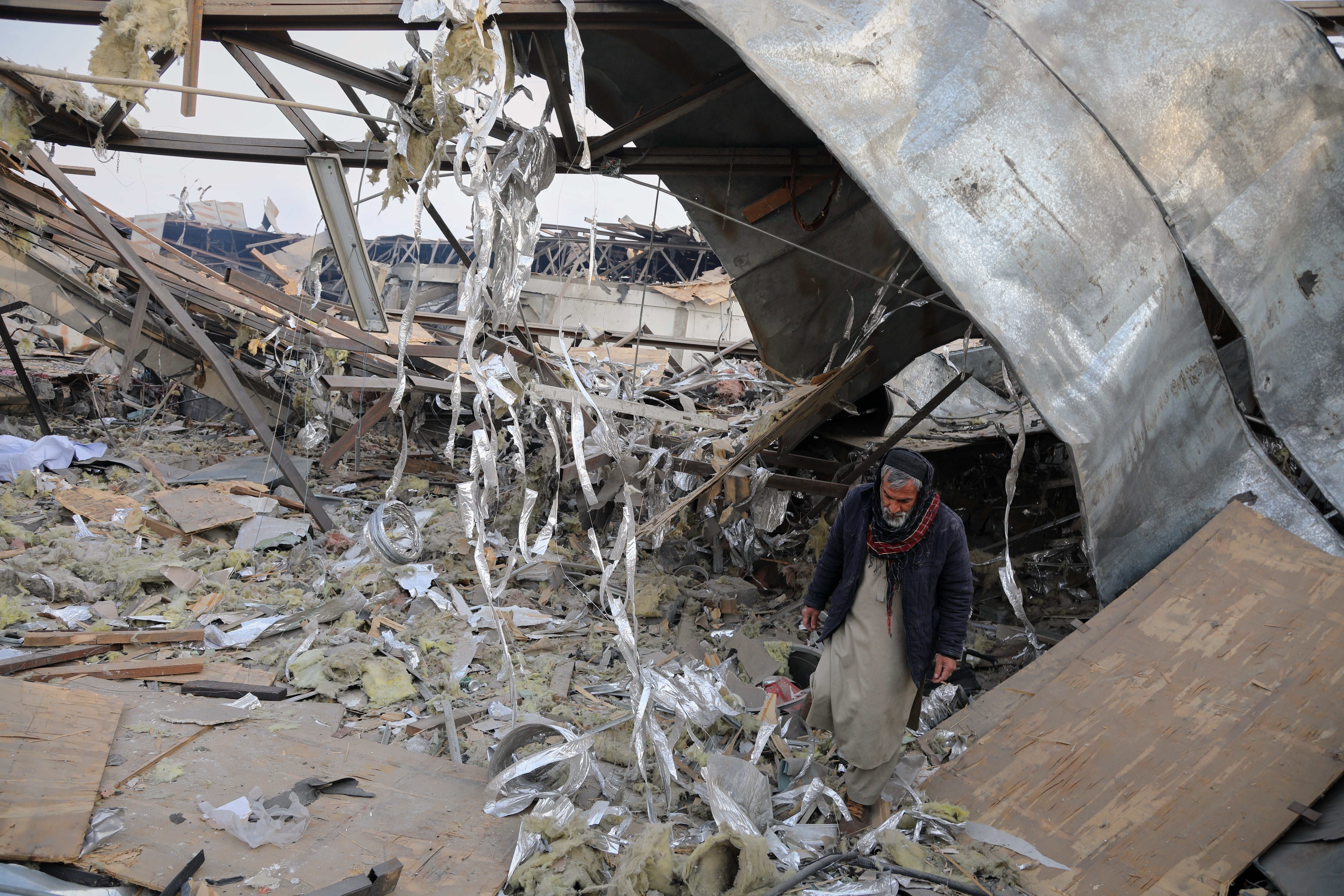
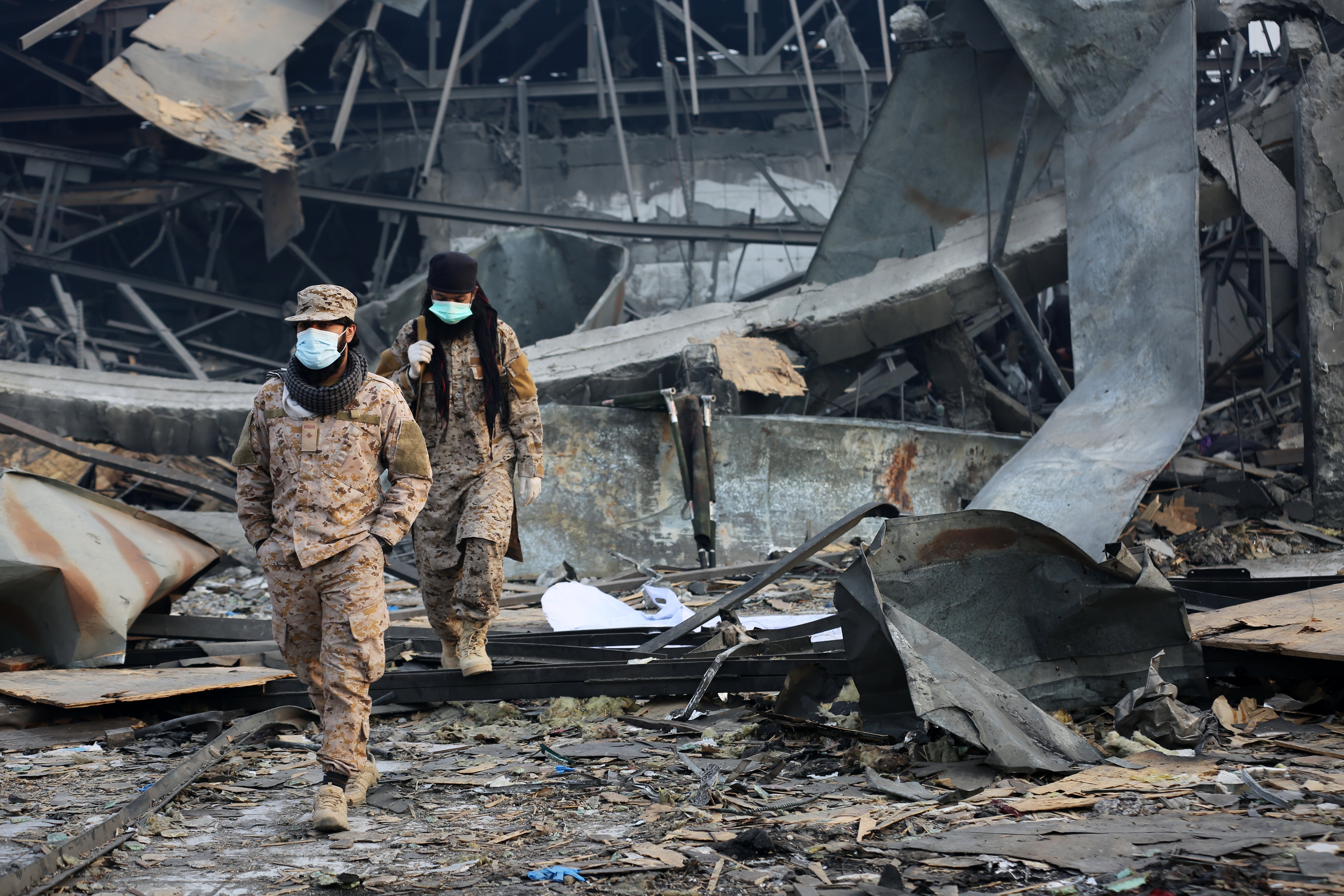
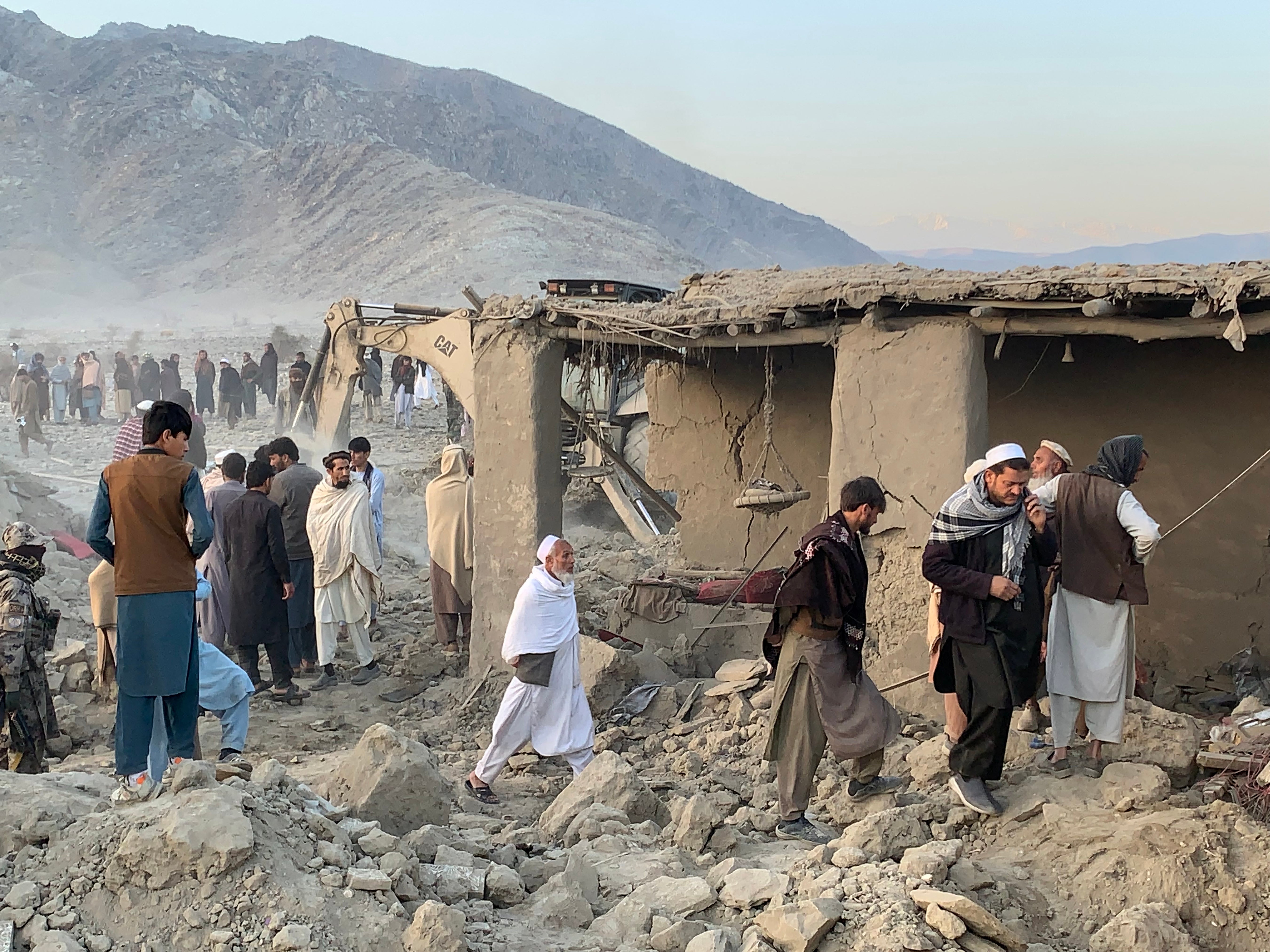
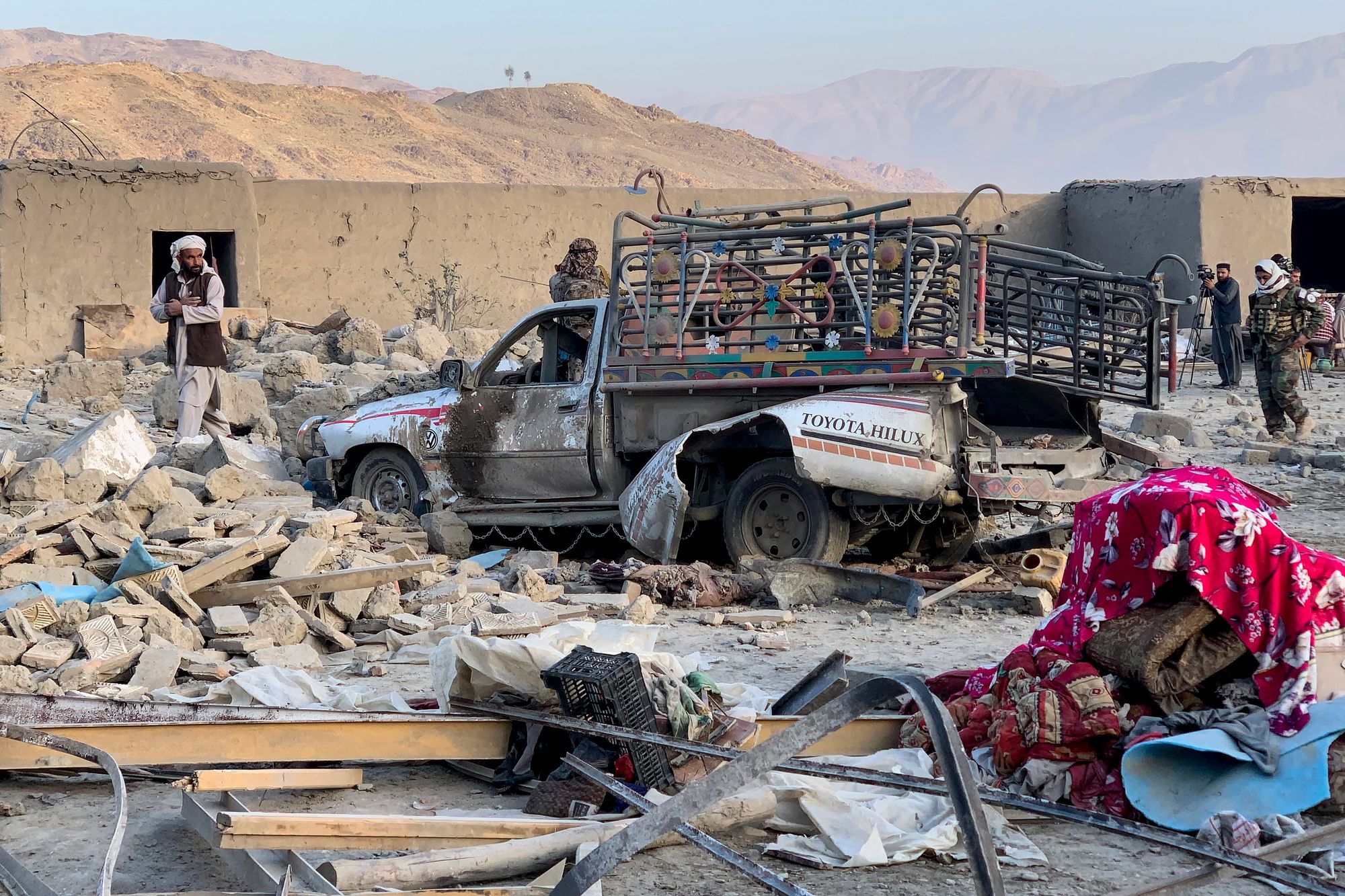
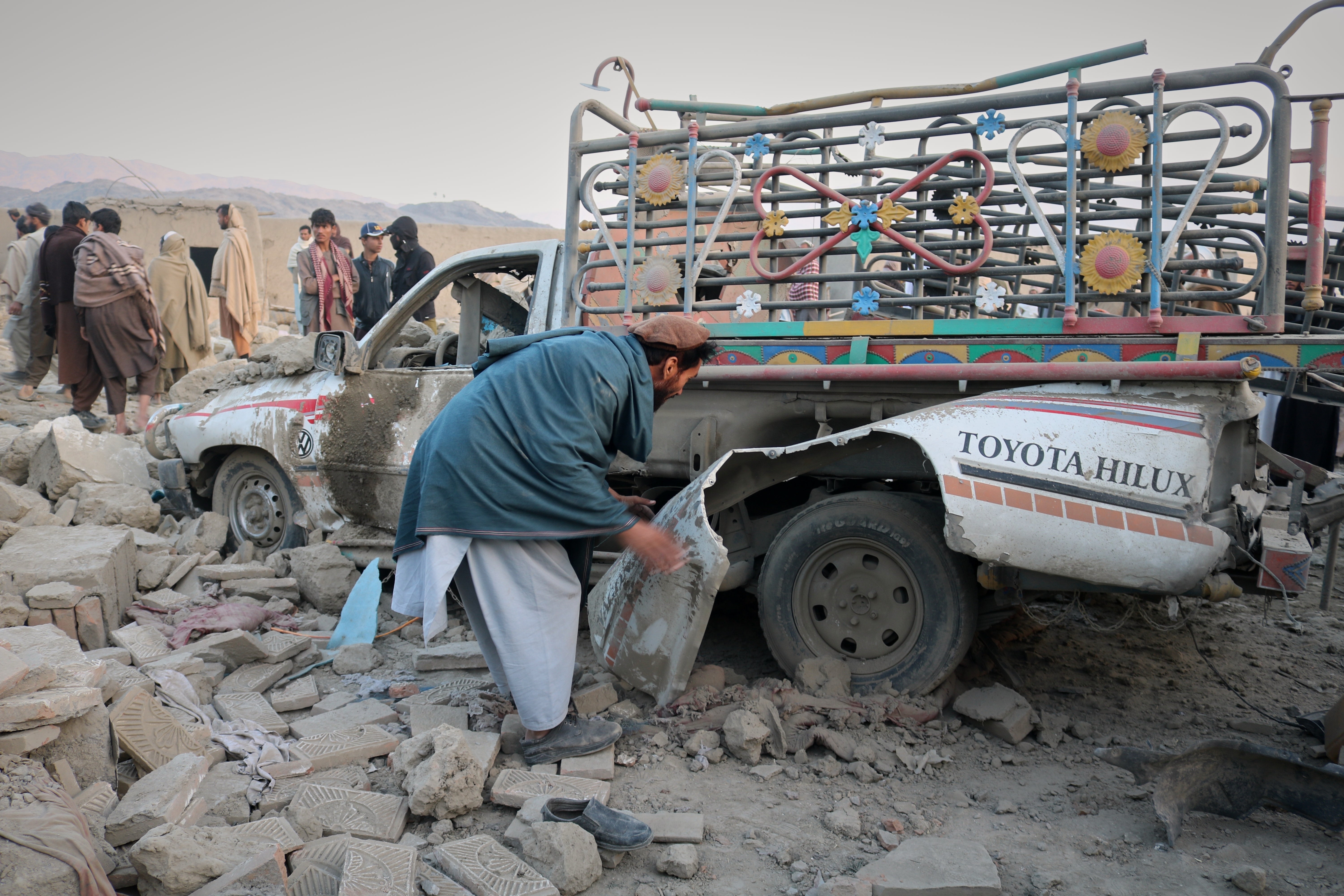
Afghanistan’s Taliban have accused Pakistan of killing hundreds of civilians in an attack on a drug rehabilitation centre housing people recovering from addiction in Kabul late on Monday night.
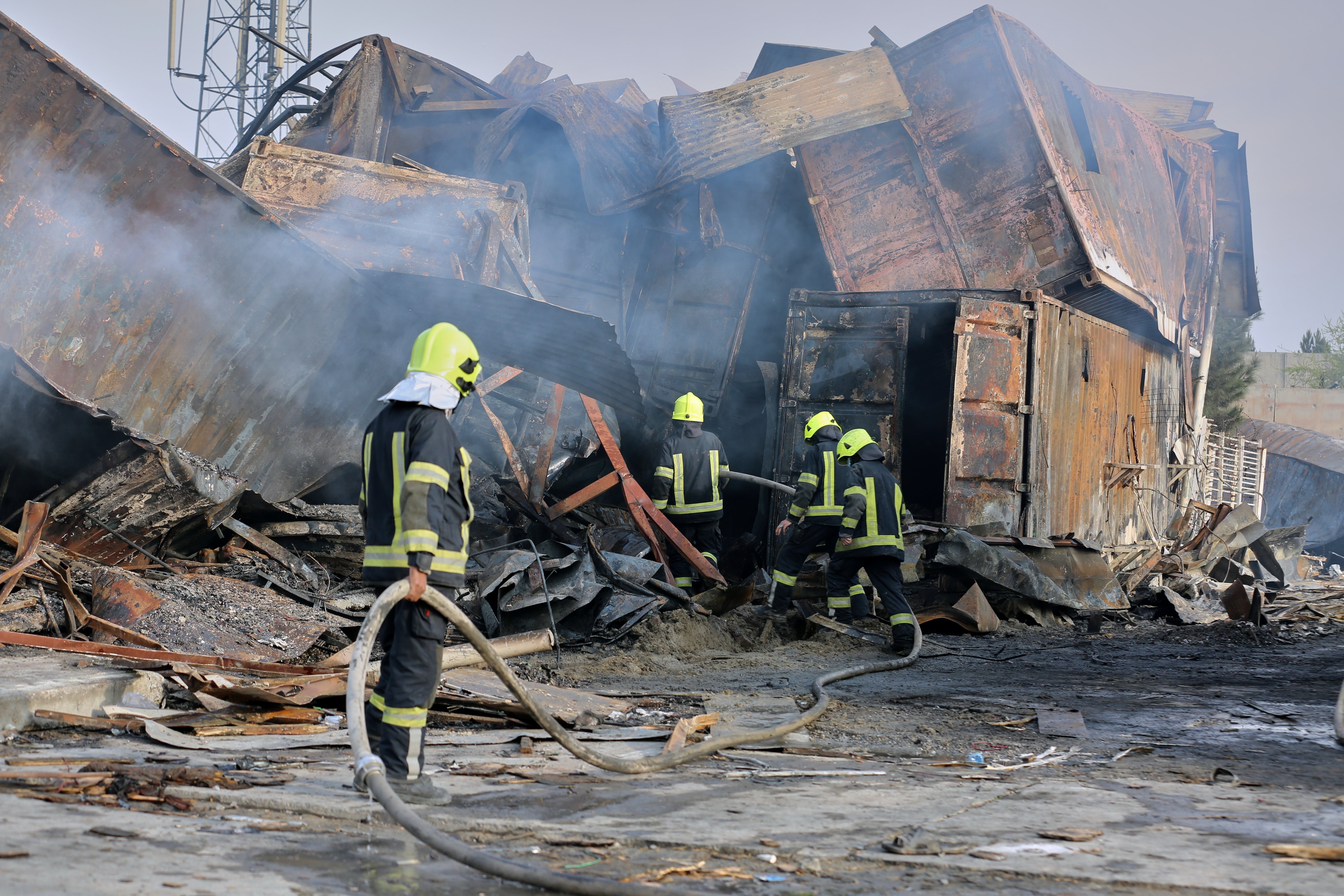
Afghanistan’s deputy government spokesperson, Hamdullah Fitrat, said the airstrike from Pakistan hit the Omid addiction treatment hospital at around 9pm local time. The 2,000-bed facility in the Afghan capital was turned to rubble and photos and videos of the airstrikes shared on social media showed a massive fire engulfing the facility.
The Taliban spokesperson said large sections of the facility had been destroyed and more than 400 people have been killed and at least 250 reported injured so far. Pakistan denied the accusation and claimed its forces “precisely targeted military installations and terrorist support infrastructure” in Kabul and the eastern Afghan province of Nangarhar, including equipment and ammunition storage allegedly used by insurgents that Islamabad says are responsible for attacks on its soil.
This is latest escalation in hostility between the two neighbours who have been engaged in conflict since late February after the Taliban authorities launched cross-border attacks in response to Pakistani airstrikes.
Pakistani security sources had earlier said they had “irrefutable evidence” that militants in Afghanistan were causing a wave of attacks and suicide bombings on Pakistan’s military and police.
Pakistan claimed that one attack that killed 11 security personnel and two civilians in Bajaur district in 2024 was undertaken by an Afghan national. The attack was claimed by a Pakistani Taliban group, called the Tehreek-e-Taliban Pakistan (TTP), formed in 2007 by several militant outfits in northwest Pakistan.
The tensions reached a point of full-blown conflict on 28 February when Pakistan announced it was in an “open war” with the Taliban-led government of Afghanistan and carried out air and ground strikes.
They targeted Taliban military posts, headquarters and ammunition depots in multiple sectors along the border, just hours after the Taliban launched an air attack on Pakistan’s border forces.
Both sides reported heavy losses in the fighting, with Pakistan saying it has killed 133 Afghan Taliban fighters and wounded more than 200, with 27 posts destroyed and nine captured, following months of tit-for-tat clashes.
The Taliban’s chief spokesperson, Zabihullah Mujahid, said 55 Pakistani soldiers were killed and 19 posts seized, while eight Taliban fighters were killed, 11 wounded and 13 civilians injured in Nangarhar province.
Pakistani defence minister, Khawaja Muhammad Asif, confirmed the aerial raid and said: “Our cup of patience has overflowed. Now it is open war between us and you [Afghanistan].”
The Taliban government and Pakistan have been engaged in a diplomatic and military confrontation for months now, despite being in a ceasefire for several months. The tensions worsened after Pakistan launched air strikes on militant targets in Afghanistan, in which 13 civilians were killed, according to the UN data.
Border clashes between the two countries killed dozens of soldiers in October until negotiations facilitated by Turkey, Qatar and Saudi Arabia halted the hostilities and a fragile ceasefire was put in place.
Pakistan’s military launched air raids inside Afghanistan in the early hours on 22 February, targeting what officials described as “camps and hideouts” linked to armed groups blamed for a recent wave of attacks, including a deadly suicide bombing at a Shia mosque in Islamabad.
Pakistan’s ministry of information and broadcasting said the armed forces carried out “intelligence-based, selective operations” against seven sites associated with the TTP, and its affiliates.
The ministry added that the Isis affiliate in Khorasan province, which claimed responsibility for a suicide attack in the capital earlier this month, was also targeted.
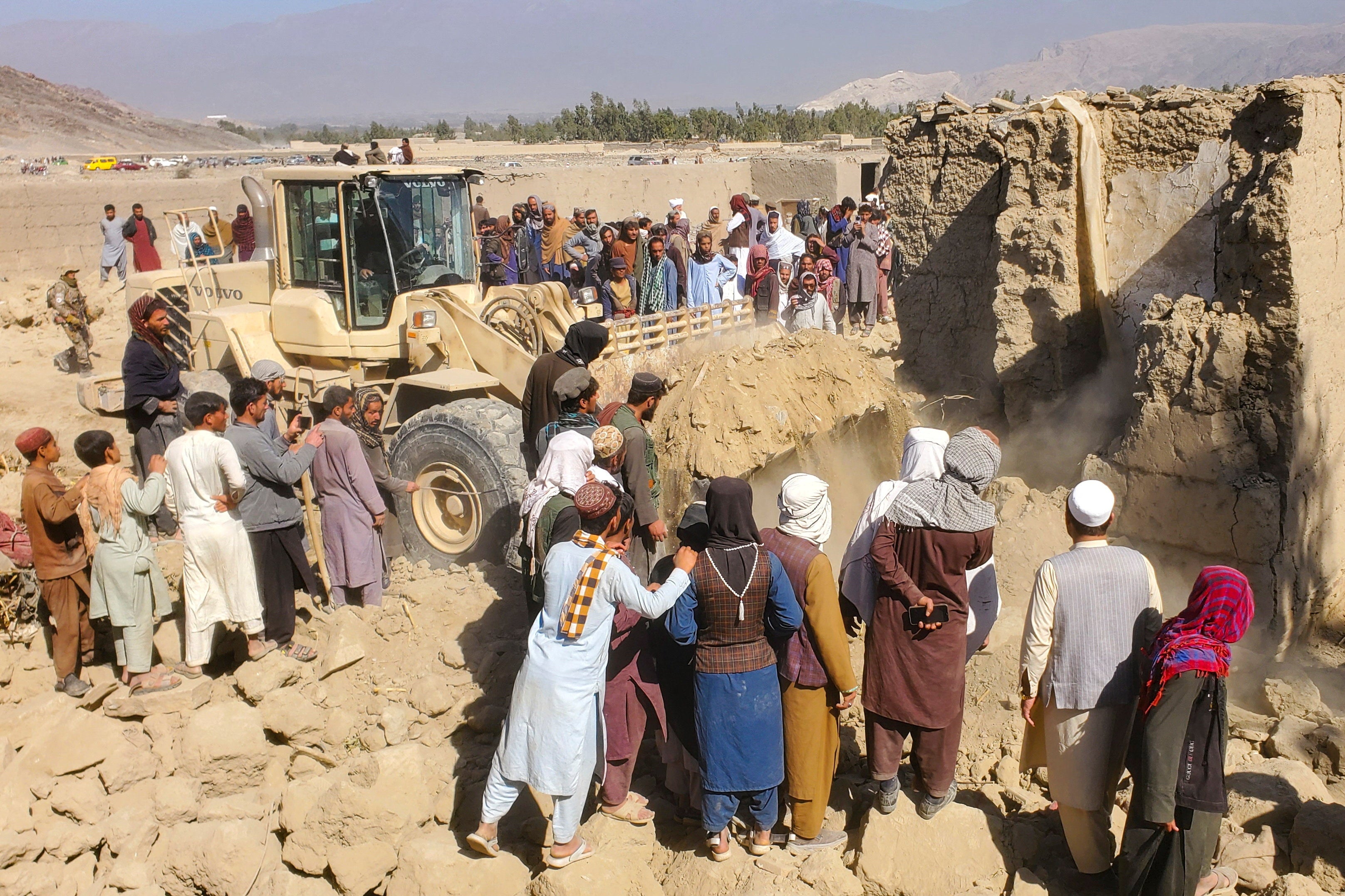
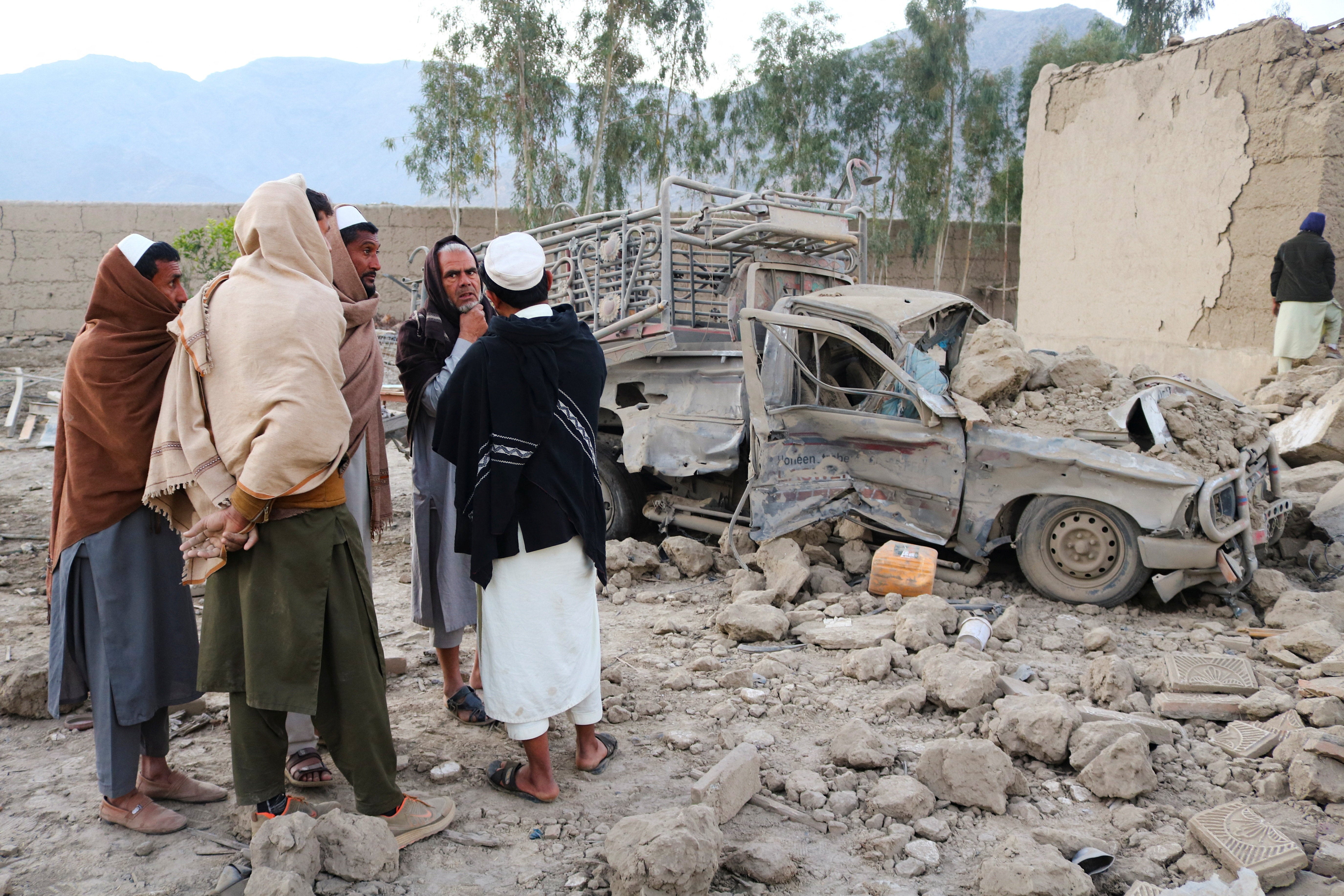
Afghanistan’s ministry of defence condemned the strikes, saying they hit a religious school and residential homes in the eastern border provinces of Nangarhar and Paktika, causing dozens of deaths and injuries, including among women and children.
The strikes risk undermining a tenuous ceasefire between the South Asian neighbours, brokered after deadly border clashes in October last year left dozens of soldiers, civilians and suspected fighters dead.
Pakistan said it has repeatedly called on Afghanistan’s Taliban authorities to curb armed groups operating from Afghan soil, but that Kabul has failed to “undertake any substantive action”.
While asserting that Pakistan “has always strived to maintain peace and stability in the region”, the statement stressed that the safety and security of Pakistani citizens remains its foremost priority.
In October, the two countries declared a ceasefire after several days of intense border fighting that left dozens dead on both sides and sharply escalated regional tensions.
What sparked the latest strike?
The Pakistani information ministry said Omid Hospital was miles away from Camp Phoenix, the “military terrorist ammunition and equipment storage site” that it said was targeted.
“The visible secondary detonations after the strikes clearly indicate the presence of large ammunition depots,” Pakistani information minister Attaullah Tarar said in a post on X. Kabul residents, including a Reuters journalist, said Camp Phoenix, an abandoned NATO military base in the city, was converted into a drug treatment centre locals referred to it as Omid Camp, or “camp of hope”, although its official name was “Ibn Sina Drug Addiction Treatment Hospital”. It was this centre that had been hit, they said, adding that Omid Hospital and Omid Camp were not related.
Pakistan’s earlier cross-border strikes followed a string of high-profile attacks at home. Just hours earlier, a suicide bomber targeted a security convoy in Bannu, in Khyber Pakhtunkhwa province, killing two soldiers, including a lieutenant colonel.
Another suicide attacker, supported by gunmen, drove an explosives-filled vehicle into the wall of a security post in nearby Bajaur. The assault killed 11 soldiers and a child. Officials later identified the bomber as an Afghan national.
On 6 February, a suicide attacker set off explosives during midday prayers at the Khadija Tul Kubra mosque in Islamabad’s Tarlai Kalan neighbourhood, leaving at least 31 worshippers dead and 170 injured.
The Islamic State Khorasan Province claimed responsibility for the Islamabad bombing.
In Islamabad, security analyst Abdullah Khan suggested that the Pakistani strikes indicate that Qatari, Turkish, and even Saudi-led mediations have failed to resolve tensions between Pakistan and Afghanistan. “These strikes are likely to further escalate the situation,” he was quoted as saying by the Associated Press.
Is Pakistan employing a new deterrence framework?
Last year in October, analysts noted that Pakistan was finding it increasingly hard to overlook the rising fatalities caused by attacks that it claims are launched from Afghan soil.
According to the Centre for Research and Security Studies, an Islamabad-based think-tank, more than 2,400 members of Pakistan’s security forces had been killed in the first nine months of 2025 alone, putting the country on track for its deadliest year in a decade.
Attacks had surged since the removal of former prime minister Imran Khan a few years ago. Khan’s administration had worked with the Taliban to negotiate a TTP ceasefire. While that truce collapsed during his tenure, the frequency of assaults remained comparatively lower.
Relations worsened further as Islamabad increasingly carried out airstrikes within Afghan territory, targeting locations it said were used by TTP fighters. Analysts point to the uptick in TTP attacks on Pakistani forces as the primary trigger for the recent border clashes.
They believed that Islamabad was attempting to establish a new deterrence framework, signalling that any assault perceived to originate from Afghanistan, whether carried out by the TTP or other armed groups, will trigger consequences for Kabul.
“Any attack which emanates from Afghanistan will be responded [to] with [the] same ferocity on their territory, with Pakistan implying that [the] Afghan Taliban are facilitating such attacks in Pakistan, and thus are legitimate targets,” Abdul Basit, a scholar at the International Centre for Political Violence and Terrorism Research at Singapore’s S Rajaratnam School of International Studies, was quoted as saying by Al Jazeera, at the time.
Pakistan’s border regions have long been hotspots of conflict, dating back to 1979 when the country became a frontline state in the US-backed war against the then Soviet Union in Afghanistan.
According to the defence analyst Abdullah Khan, who is also the managing director of the Pakistan Institute for Conflict and Security Studies, the area’s instability worsened after the 9/11 attacks.
He told the Associated Press in October last year: “After the September 11 attacks, Pakistan’s tribal belt descended into chaos as the Afghan Taliban, al-Qaeda and other groups operated from both sides of the border for attacks on Nato forces and Pakistani security forces.”
Tensions between the two neighbours are further compounded by Pakistan’s deportation of tens of thousands of Afghan refugees. Since the decades of conflict began, at least 3 million Afghans have sought refuge in Pakistan, creating additional friction between the two neighbours.
How have international leaders responded?
On 17 March, China, a key ally of both Afghanistan and Pakistan, urged “dialogue and negotiation”, saying it will continue to play a “constructive role” to de-escalate tensions between the countries.
In October, the Pakistan-Afghanistan border clashes drew concern from regional powers, urging both sides to exercise restraint and prioritise dialogue to prevent escalation.
Iran, Qatar, and Saudi Arabia all called for diplomacy to maintain regional stability and security.
India did not comment, though Pakistan is wary of New Delhi’s engagement with the Taliban, some observers note.
Saudi Arabia’s ministry of foreign affairs said in October: “The kingdom calls for restraint, avoiding escalation, and embracing dialogue and wisdom to contribute to reducing tensions and maintaining security and stability in the region.
“The kingdom affirms its support for all regional and international efforts aimed at promoting peace and stability and its continued commitment to ensuring security, which will achieve stability and prosperity for the brotherly Pakistani and Afghan peoples,” it added.
Iranian foreign minister Abbas Araghchi said at the time: “Our position is that both sides must exercise restraint,” and added that “stability” between the two countries “contributes to regional stability”.
Qatar’s ministry of foreign affairs also urged “both sides to prioritise dialogue and diplomacy, exercise restraint, and work to contain the disputes in a way that helps reduce tension, avoids escalation, and contributes to regional peace and stability”.
China also called for safeguarding its citizens and investments, Russia urged both sides to exercise restraint, and US president Donald Trump suggested he could step in to help resolve the conflict.
What happens next?
Although TTP’s presence remains a key irritant for Pakistan, analysts believe the recent Pakistan-Afghanistan border clashes are unlikely to escalate into a larger conflict. Afghanistan lacks conventional military strength compared with Pakistan, and both sides appear focused on de-escalation at the moment.
However, the border is expected to stay tense for the foreseeable future, as Pakistan has signalled it will continue taking action against militants it claims are crossing from Afghanistan to target its security forces.