



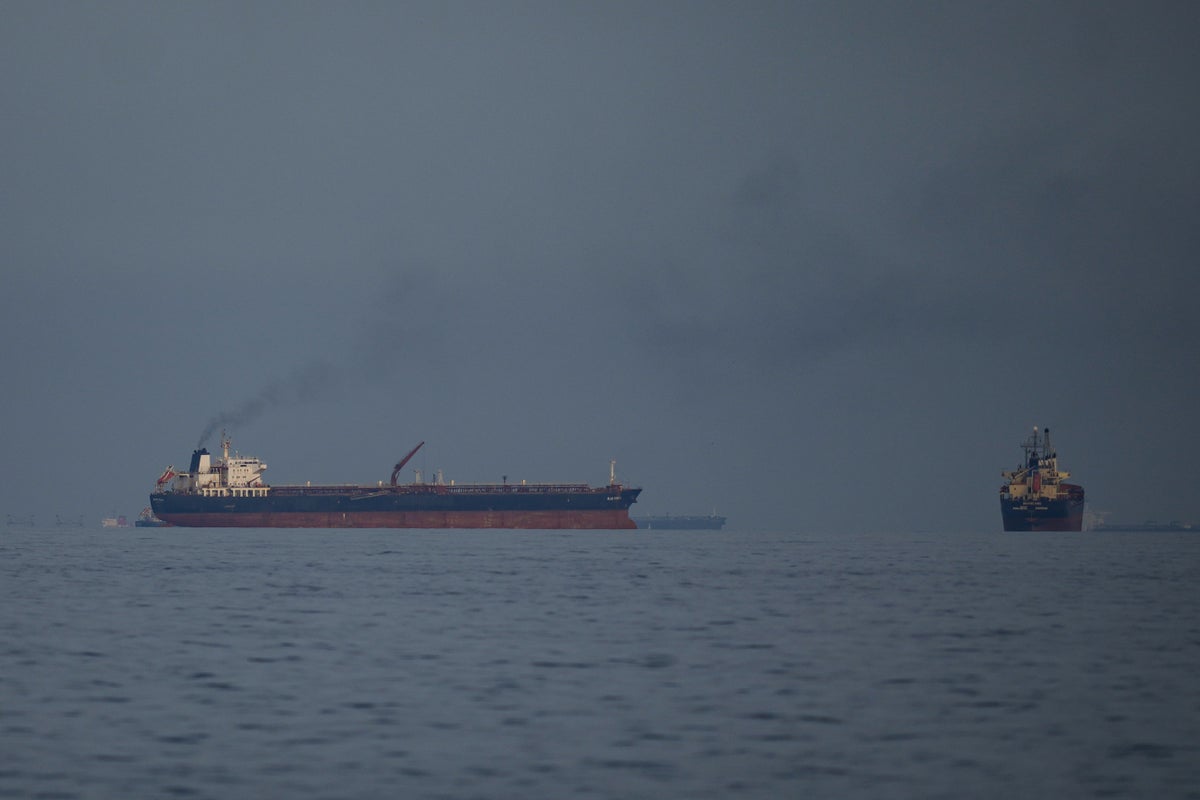
Nato leaders rejected US president Donald Trump’s call to get involved in the war against Iran, despite mounting pressure from Washington.
A day after Japan, Australia and the UK said they had no plans to send naval ships to the strategic waterway, Germany joined in saying Nato had “nothing to do” with the US-Israeli war on Iran.
“It is not Nato’s war,” a spokesperson for German chancellor Friedrich Merz said. “Nato is an alliance to defend the alliance area. The United States did not consult us before this war, and so we believe this is not a matter for Nato or the German government.”
Mr Trump earlier said his administration had contacted seven countries and expected them to help secure the waterway, which Iran has effectively blockaded.
“I’m demanding that these countries come in and protect their own territory because it is their territory,” Mr Trump told reporters aboard the Air Force One. “It’s the place from which they get their energy.”
German defence minister Boris Pistorius also dismissed the American request. “This is not our war. We have not started it. What does Donald Trump expect a handful or two handfuls of European frigates to do in the Strait of Hormuz that the powerful US navy cannot do?” he said, downplaying warnings by the US president that failing to come to Washington’s aid could have consequences for the Nato alliance.
Japanese prime minister Sanae Takaichi earlier said the US had yet to make any formal request for assistance.
“We have not made any decisions whatsoever about dispatching escort ships. We are continuing to examine what Japan can do independently and what can be done within the legal framework,” she said.
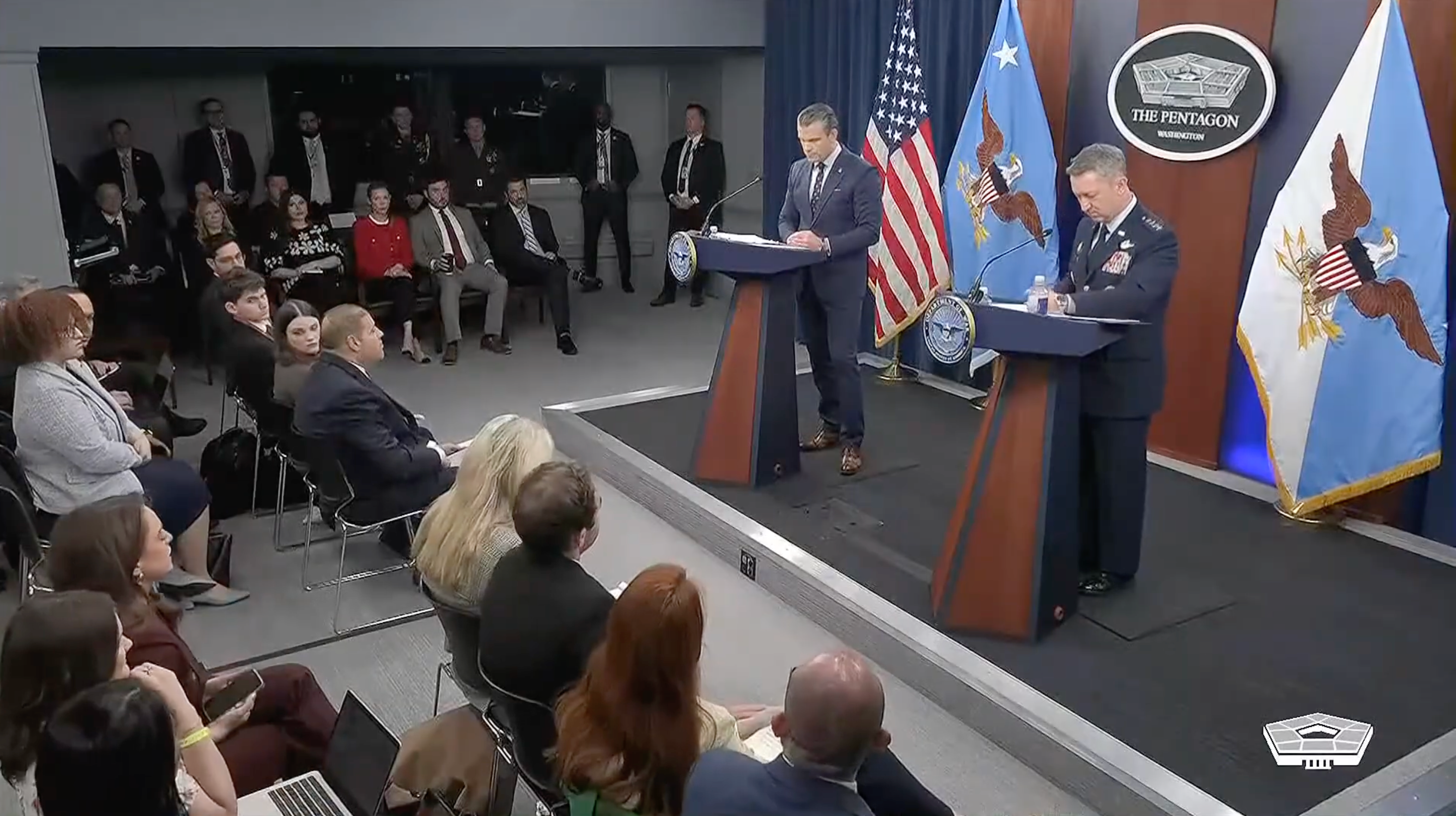
Ms Takaichi told lawmakers: “Legally speaking, this is very difficult. We are carefully examining what can be done within the scope of current laws and what is the best course of action at this time. At the same time, we are continuing to engage with Iran to help de-escalate the situation while also exchanging information with various countries.”
Japan has begun releasing oil reserves to stabilise supply, but says sending its Self-Defence Forces abroad would be politically sensitive. Takayuki Kobayashi, the policy chief of Takaichi’s ruling Liberal Democratic Party, said the threshold for military involvement was “extremely high”.
Australia has also rejected calls to provide naval support to secure shipping in the strait. “We’ve been very clear about what our contribution is to requests and so far that is to the UAE [United Arab Emirates] obviously providing aircraft to assist with defence particularly given the number of Australians that are in that area in particular,” transport minister Catherine King said.
“We won’t be sending a ship to the Strait of Hormuz,” Ms King said.
“We know how incredibly important that is but that’s not something we’ve been asked or we’re contributing to.”
James Paterson, the shadow defence minister, said that Australia would have to “carefully consider” any request for naval assets. “You would need to have a naval vessel that’s capable of protecting itself against drone and missile attacks.
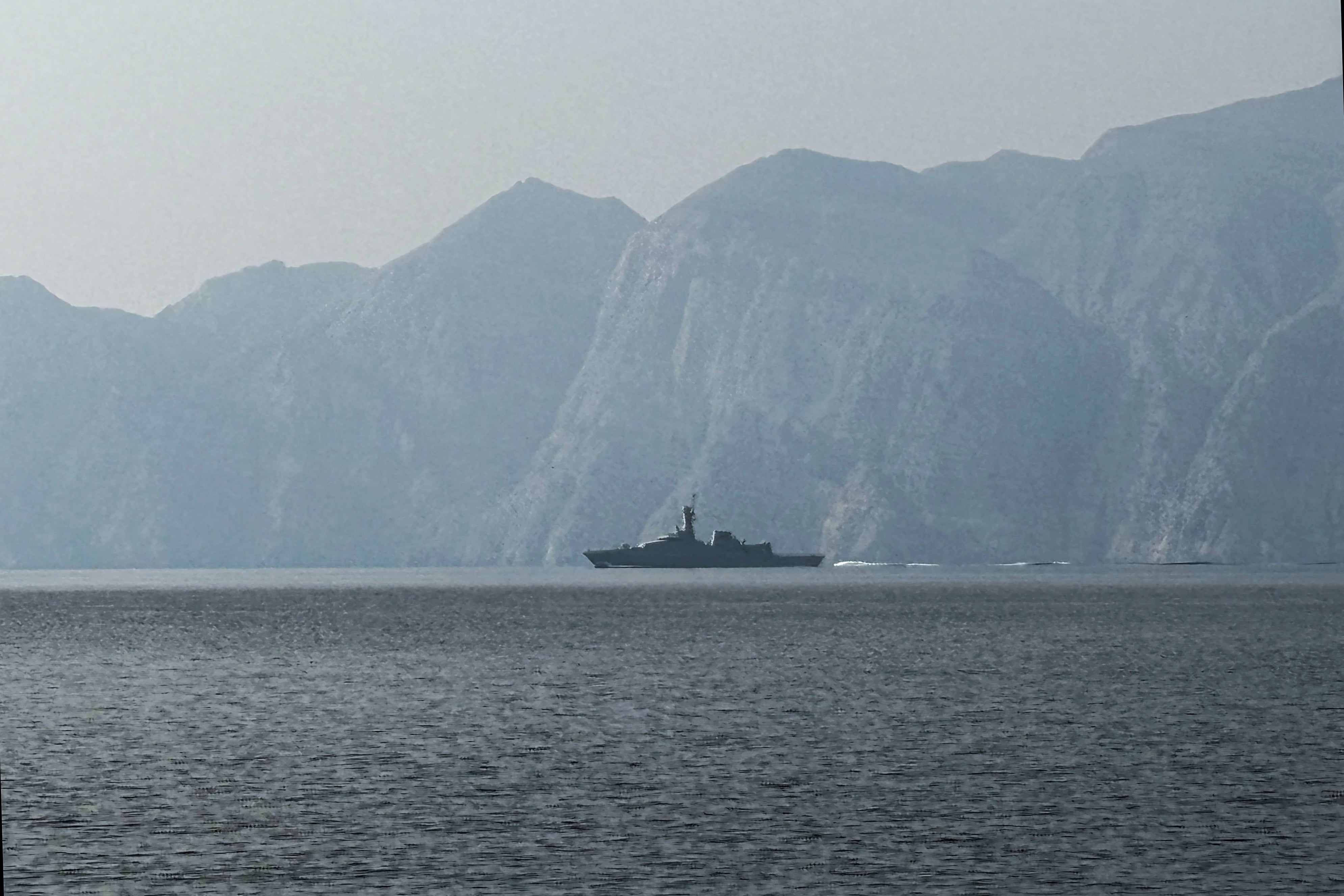
“And in 2023, when a similar request from the United States came to help in the Red Sea against the Houthis terrorist organisation, we weren’t able to provide any naval vessels because we didn’t have ones that could protect themselves that were available for that mission,” he told Australia’s Channel Nine.
Most other countries approached by Mr Trump are reluctant to send military ships to the Strait of Hormuz, despite US pressure. In an earlier social media post, he said he hoped countries including China, France, Japan, South Korea and Britain would take part.
The UK is considering sending aerial minesweepers, but officials have warned that deploying warships could escalate the conflict.
Prime minister Keir Starmer also went on the record to warn that Britain “will not be drawn into the wider war”.
“My leadership is about standing firm for the British interest, no matter the pressure,” he said, without naming Mr Trump.
Observers note that European leaders are under pressure from rising fuel costs at home but are wary of repeating past mistakes like the 2003 Iraq war.
Italian foreign minister Antonio Tajani said diplomacy was the right way to solve the crisis in the strait and there were no naval missions Italy was involved in that could be extended to the area.
“As far as Hormuz is concerned I believe diplomacy needs to prevail,” he told reporters on the sidelines of a meeting in Brussels.
Italy is involved in defensive naval missions in the Red Sea, he claimed, “but I don’t see any missions that can be extended to Hormuz”.

France has ruled out sending additional military forces, saying its current posture aims to maintain regional stability rather than escalate tensions. On Monday, in a post on X, the French foreign ministry said its navy was staying in the eastern Mediterranean. “Posture has not changed: defensive it is.”
Dutch prime minister Rob Jetten said it would be “very difficult to launch a successful mission there in the short term”, according to the country’s ANP news agency.
Luxembourg’s deputy prime minister Xavier Bettel said his country would not give in to “blackmail” from Washington. “Don’t ask us” to send troops, he told reporters in Brussels.
Greek government spokesman Pavlos Marinakis said his country would not take part in any military operations in the Strait of Hormuz.
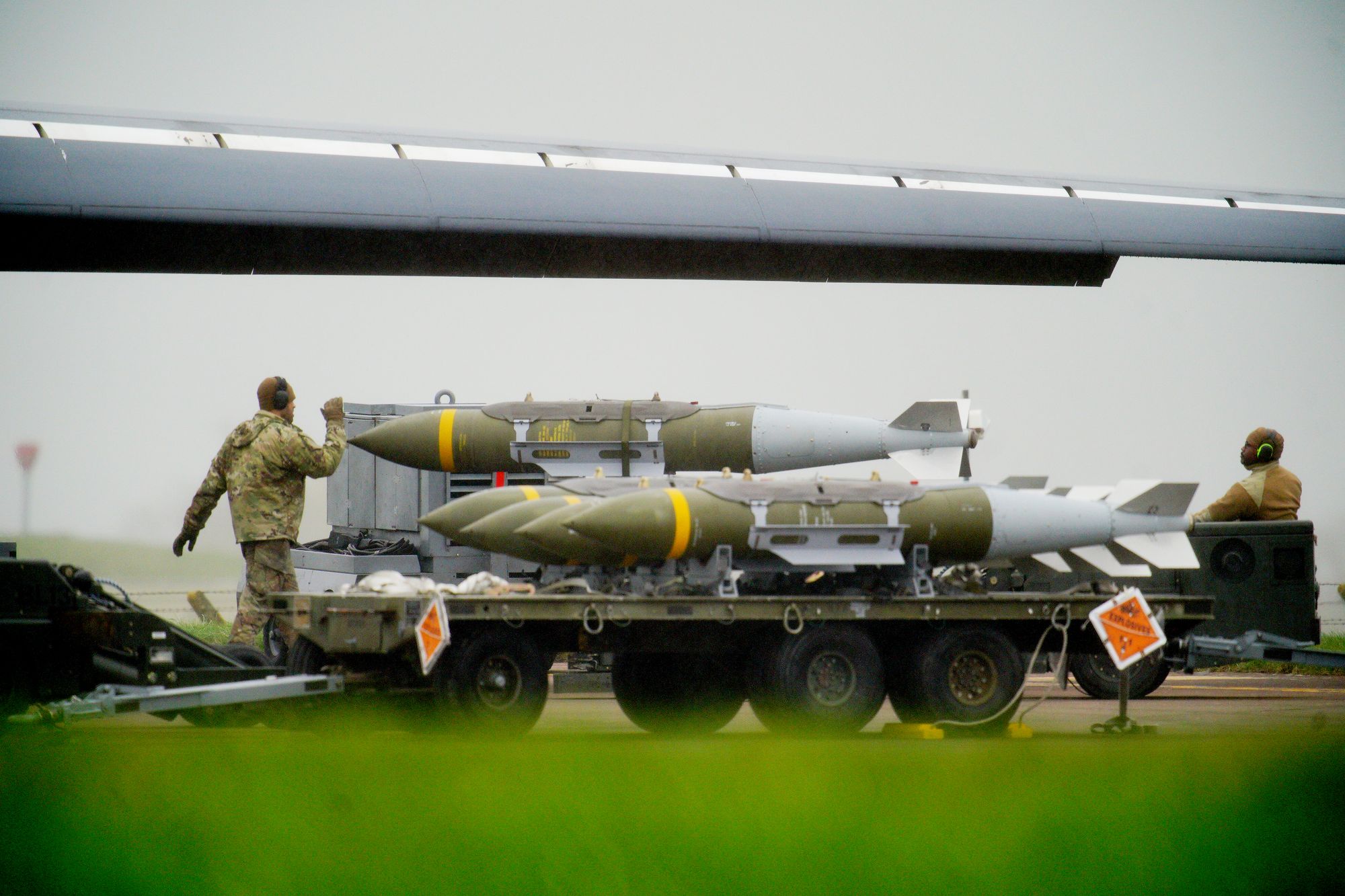
Denmark, a country which has clashed repeatedly with Mr Trump over his demands that it cede Greenland, said even if the EU did not agree with the war, it should consider helping reopen the strait.
“Even if we don’t like what’s going on, I think it’s wise to keep an open mind on whether Europe,” Danish foreign minister Lars Lokke Rasmussen said, “in some way can contribute, but with a view towards de-escalation.”
In an interview with the Financial Times on Sunday, Mr Trump warned that Nato faced a “very bad” future if his proposal for a military operation in the Strait was ignored or rejected.
Kaja Kallas, the European Union’s top diplomat, said on Monday: “This is not Europe’s war, but Europe’s interests are directly at stake.” She met foreign ministers from across the 27-nation bloc in Brussels.
She added: “For the time being, there was no appetite in changing the mandate of the Operation Aspides.”
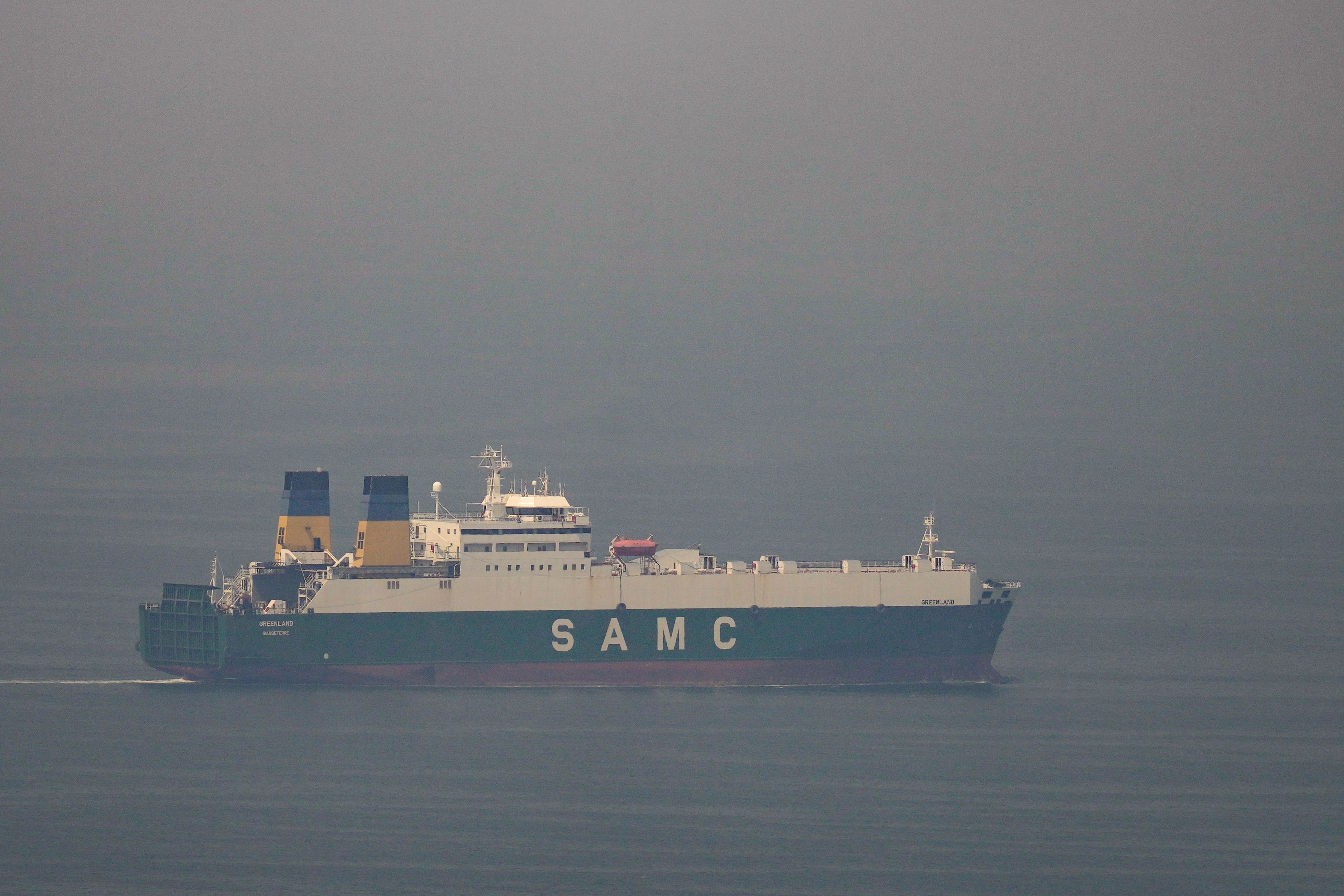
In Asia, South Korea has not committed either way, saying they’ll “continue to communicate closely with the US regarding this matter and make a decision after careful review”.
It was reported last week that China has been in talks with Iran about ensuring safe oil and gas passage.
However, the US president said he might postpone his trip if it did not provide assistance.”I think China should help too because China gets 90 per cent of its oil from the Straits,” Mr Trump said.
“We may delay,” he said in reference to his visit if China did not offer support in the Gulf.
On Monday, Mr Trump claimed that “numerous countries have told me they’re on the way”, without naming any.
“Some are very enthusiastic about it, and some aren’t. Some are countries that we’ve helped for many, many years. We’ve protected them from horrible outside sources, and they weren’t that enthusiastic. And the level of enthusiasm matters to me,” he said during an event at the White House.
“We have some that are really enthusiastic. They’re coming already. They’ve already started to get there,” he said. “You know, it takes a little while to get there.”

