
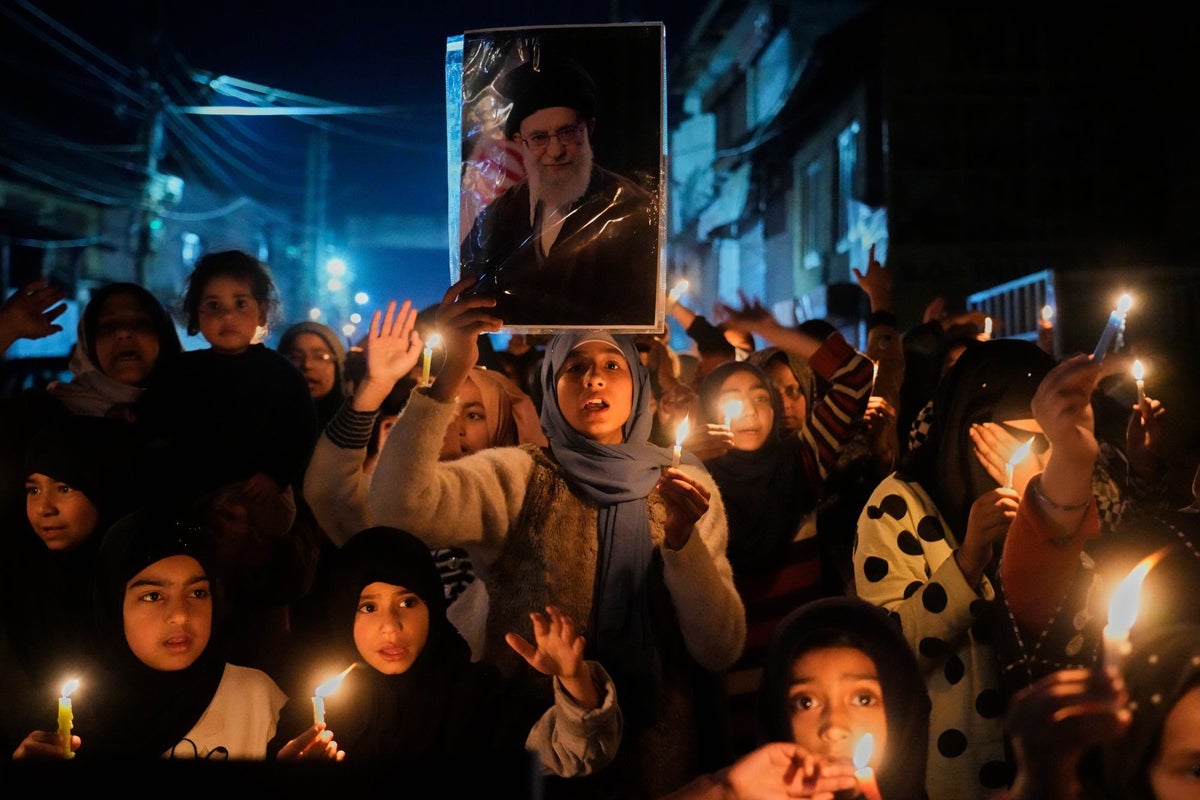
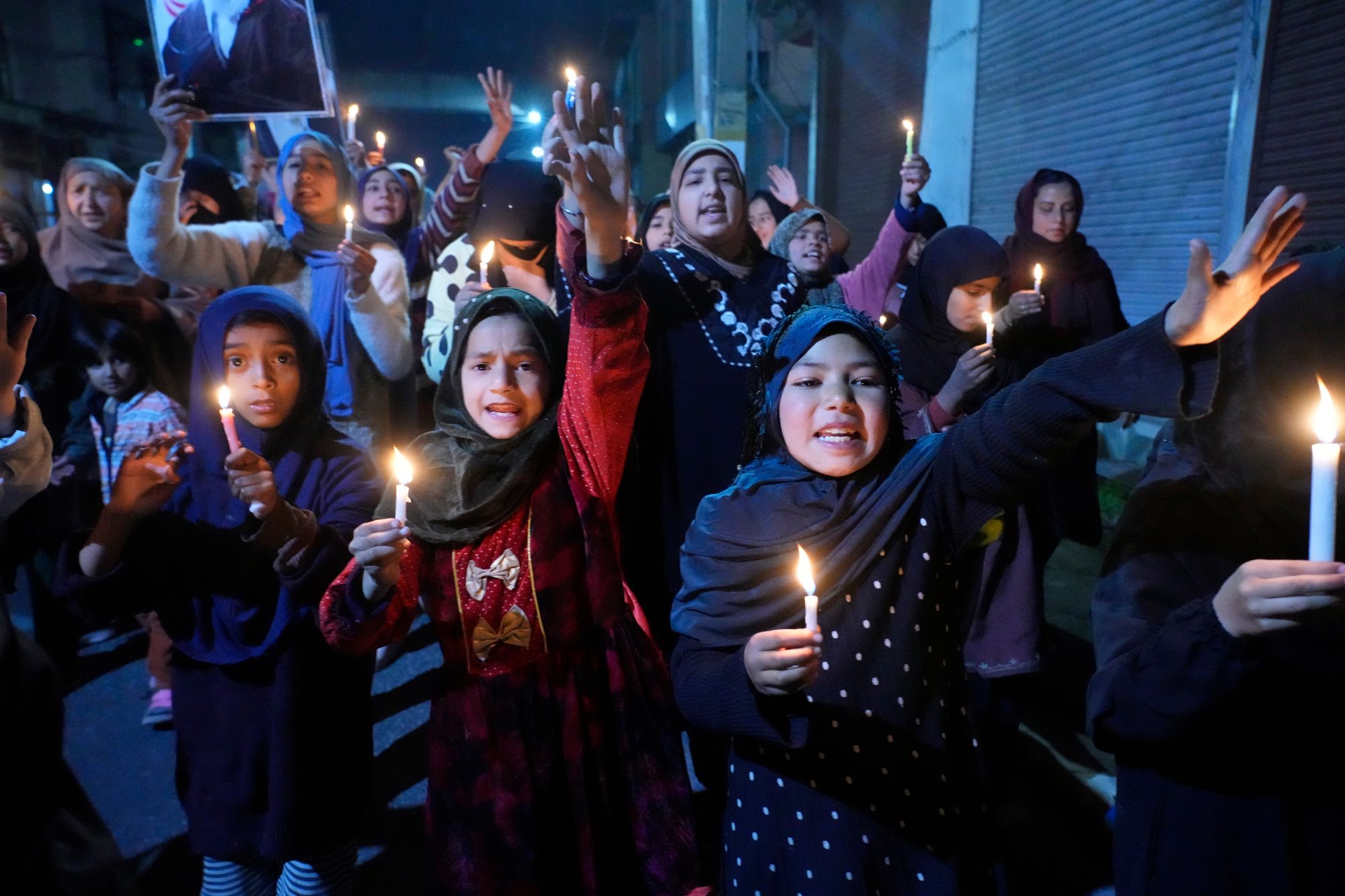
Mourners dressed in black gathered at mosques and public squares in India to pray, light candles, and remember Ayatollah Ali Khamenei as protests against the assassination of Iran’s supreme leaderspread across several Indian cities last week.
Khamenei was killed on 28 February, aged 86, in air strikes by Israel and the US that pulverised his central Tehran compound, as decades of efforts to resolve the dispute over Iran’s nuclear programme diplomatically failed.
During his three-decade reign, Khamenei built Iran into a powerful anti-US force, spreading its military sway across the Middle East, while using an iron fist to crush repeated unrest at home. His death sparked mixed reactions around the world, with some celebrating the end of a rule marked by alleged atrocities against women and crackdown on dissenting voices.
In 2022, Khamenei gave his full backing to security forces confronting protests ignited by the death of Mahsa Amini, who died after being detained by Iran’s morality police for allegedly not wearing her hijab in accordance with government rules. Protests had also spread across Iran since 28 December 2025, beginning in response to soaring inflation, and quickly turning political with protesters demanding an end to clerical rule.
Rights groups say thousands of people were killed in a crackdown on the protests, the worst domestic unrest in Iran since the era of its 1979 Islamic Revolution.
But for many in India, Khamenei’s assassination has cast a dark shadow over upcoming Eid celebrations at the end of the Muslim holy month of Ramadan. Condolence gatherings drew thousands of people from India’s Shia Muslim community from the northern Himalayan region of Kashmir to the city of Hyderabad in the south.
“I will not celebrate Eid because we would be mourning the death of Ayatollah Ali Khamenei,” Rajab Ali, a 58-year-old electrician, tells The Independent.
“He was our rahbar (guide). One celebrates Eid when they are happy. How can we celebrate it now? We won’t call guests, we won’t wear new clothes.”
While the US-Israeli war on Iran is unravelling in the Middle East and West Asia, its tremors are being felt all the way to India – the impact ranges from its energy and labour dependence on the Gulf to strategic turmoil, leaving Delhi with limited options.
India imports close to 50 per cent of its oil through the narrow Gulf chokepoint of the Strait of Hormuz. This year, it imported an average of 2.6 million barrels a day, underlining its dependence on the region. Additionally, India imports 90 per cent of its total oil and now faces the risk of inflation.
India’s economic links to the Middle East run just as deep. According to brokerage firm Jefferies, about 10 million Indians live and work across the Gulf, sending record remittances, reported the BBC.
A widening war could, therefore, hit India on several fronts, even as the conflict inches closer to its borders.
On Wednesday, Iranian warship Iris Dena, returning from India after participating in a multilateral naval exercise, was torpedoed by a US submarine, just 44 nautical miles off southern Sri Lanka in the Indian Ocean. Yet the Indian authorities took more than a day to formally acknowledge the incident.
The acknowledgement came after a furious Iran noted its warship had been “a guest of India’s navy” and was returning home after completing the exercise to which it had been invited to attend by Delhi.
According to Sri Lankan officials involved in the rescue operations, 87 bodies were recovered and 32 people were rescued. At least 180 people were believed to be on board when Iris Dena sank on Wednesday.
But while the Indian Navy acknowledged receiving distress signals from the Iranian ship, neither the force nor prime minister Narendra Modi’s government condemned the decision by US to attack the warship. Critics have called this incident a “strategic embarrassment” for the Modi administration.
C Uday Bhaskar, a retired navy officer told Al Jazeera that the incident weakened Delhi’s credibility in the Indian Ocean, while the government’s silence about it meant the country’s moral standing “takes a beating”.
Mr Modi has also been tight-lipped about Khamenei’s assassination.
On Thursday, four days after the supreme leader’s death, India sent its condolences to Tehran. Foreign secretary Vikram Misri met the Iran ambassador in Delhi and signed the condolence book for Khamenei’s death “on behalf of the people and the government of India”, according to Randhir Jaiswal, spokesperson for the Indian foreign ministry.
But the grief of those mourning Khamenei’s killing in India is not punctuated by the financial and strategic worries bothering the Indian leadership. For his supporters, the slain supreme leader was not just a political figure but a religious guide whose influence extended well beyond Iran.
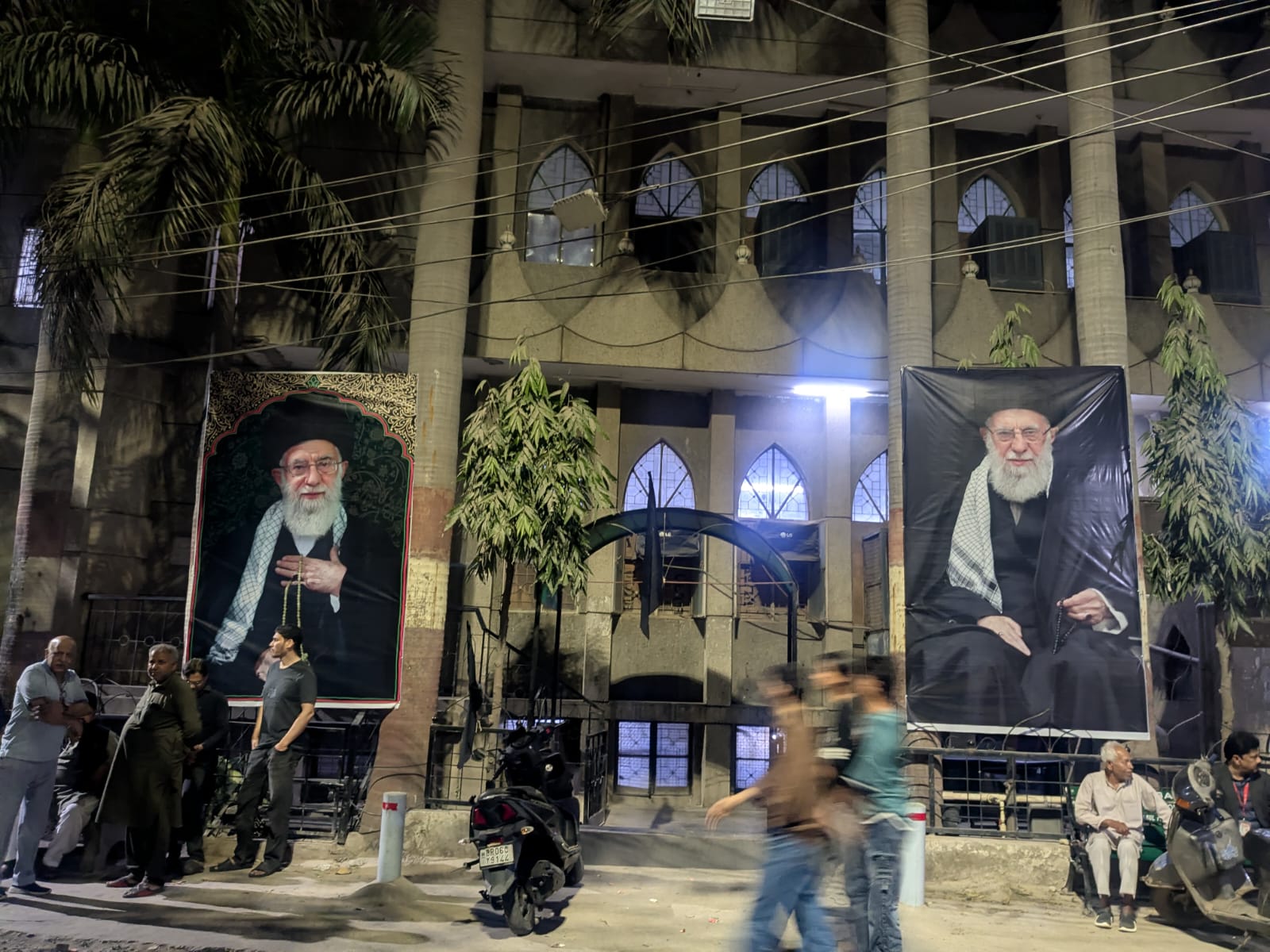
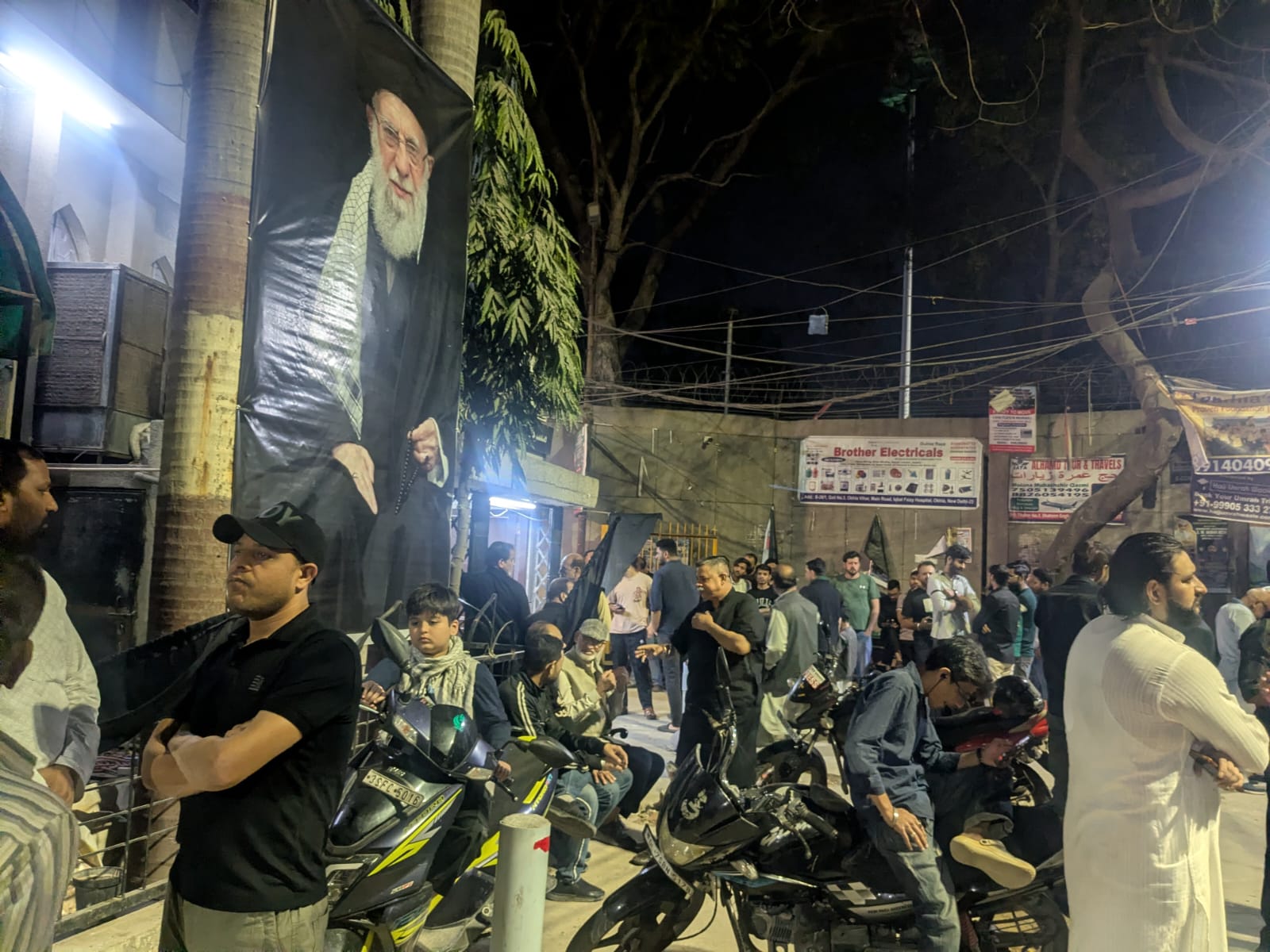
Mourners in black clothing – traditionally worn during periods of mourning in Shia Islam – arrived in small groups at an evening gathering outside a mosque in Delhi. Large portraits of Khamenei hung on the walls behind the speakers. A group of men sang a song in his memory while prayers were read aloud. Some women wept quietly, while others sat silently at the back, declining to speak.
Among those attending was Dr Muhammad Ali, a retired horticulture researcher in Delhi. “I felt as if I had been orphaned again,” Ali says. “The last time I felt that way was when my parents died. Now it feels as if all Shias have been orphaned.”
“Khamenei sa’ab has been martyred,” he says, adding that the timing of his death deepened the sense of shock among many believers. “It happened during the holy month of Ramadan.
“Even in times of conflict, this is considered a sacred time and wars are stopped,” Ali says.
Syed Javed Zaheer, a 62-year-old man from Muzaffarpur in the eastern state of Bihar, says many in the community were still struggling to come to terms with the news.
He says the teachings of Iran’s clerical leadership shaped how many Shia Muslims view their relationship with the countries in which they lived. “They taught us to love our nation.”
“There are many Muslim countries,” he says. “But for us, Iran is the only Islamic country.”
Dr Muddassir Quamar, an associate professor at the prestigious Jawaharlal Nehru University in India’s capital city, says the position of Iran’s supreme leader is rooted in a theological concept known as the Velayat-e-Faqih or the “guardianship of the jurist” in Twelver Shi’ism.
Twelver Shi’ism, the largest branch of Shia Islam, believes in twelve divinely appointed leaders, known as Imams, as the rightful spiritual and political successors to the Prophet Muhammad.
The idea of Velayat-e-Faqih, he explains, is that a senior Islamic cleric should guide both the religious and political life of the country. In Iran’s system, this means the supreme leader – known as the Rahbar-e-Azam – is both the highest religious authority and the most powerful political figure in the Islamic Republic.
Quamar says the concept of Velayat-e-Faqih emerged as a way for senior clerics to guide the community in the Imam’s absence, which is why Iran’s supreme leader holds both religious and political authority.
Because of this dual authority, Quamar says the position carries influence far beyond Iran. “Twelver Shias across Arab and Islamic world including in South Asia consider him as a spiritual and political leader, and look up to the Supreme Leader to lead the Shiite and Islamic world.”
“Also, the sense of anti-imperialism and anti-Americanism is embedded in the revolutionary ideals of the Islamic Republic, and since the current supreme leader was killed in the US-Israel strike, it has further fueled protests across the world.”
In Pakistan, with the world’s second-largest Shi’ite Muslim community after Iran, at least 26 people were killed as protesters clashed with police following news of the death of Khamenei. In Karachi, US Marines fired on protesters who breached the walls of the consulate, two US officials said. Senior Shia clerics in Pakistan announced days of mourning and warned that more protests would follow, which could lead to bursts of instability in its main cities, analysts said.
Khamenei’s “death has not weakened the Shi’ites but united them with a new spirit of revolution and independence from the slavery of the US and its allies,” Shia cleric Sajid Ali Naqvi told Reuters. Shias make up about one-fifth of Pakistan’s 240 million people. The vast majority of Pakistan’s people are Sunni Muslims.
In India, however, the demonstrations are likely to remain limited.
“Yes, it is mostly located in the areas with significant Shia population. In my view, these are localised and sporadic and is unlikely to develop into a bigger organised movement,” Quamar says.
He adds the protests are driven largely by religious solidarity.
“It is unlikely to spread further, and would settle down, although it would also depend on the situation in Iran and the direction of the ongoing war.”
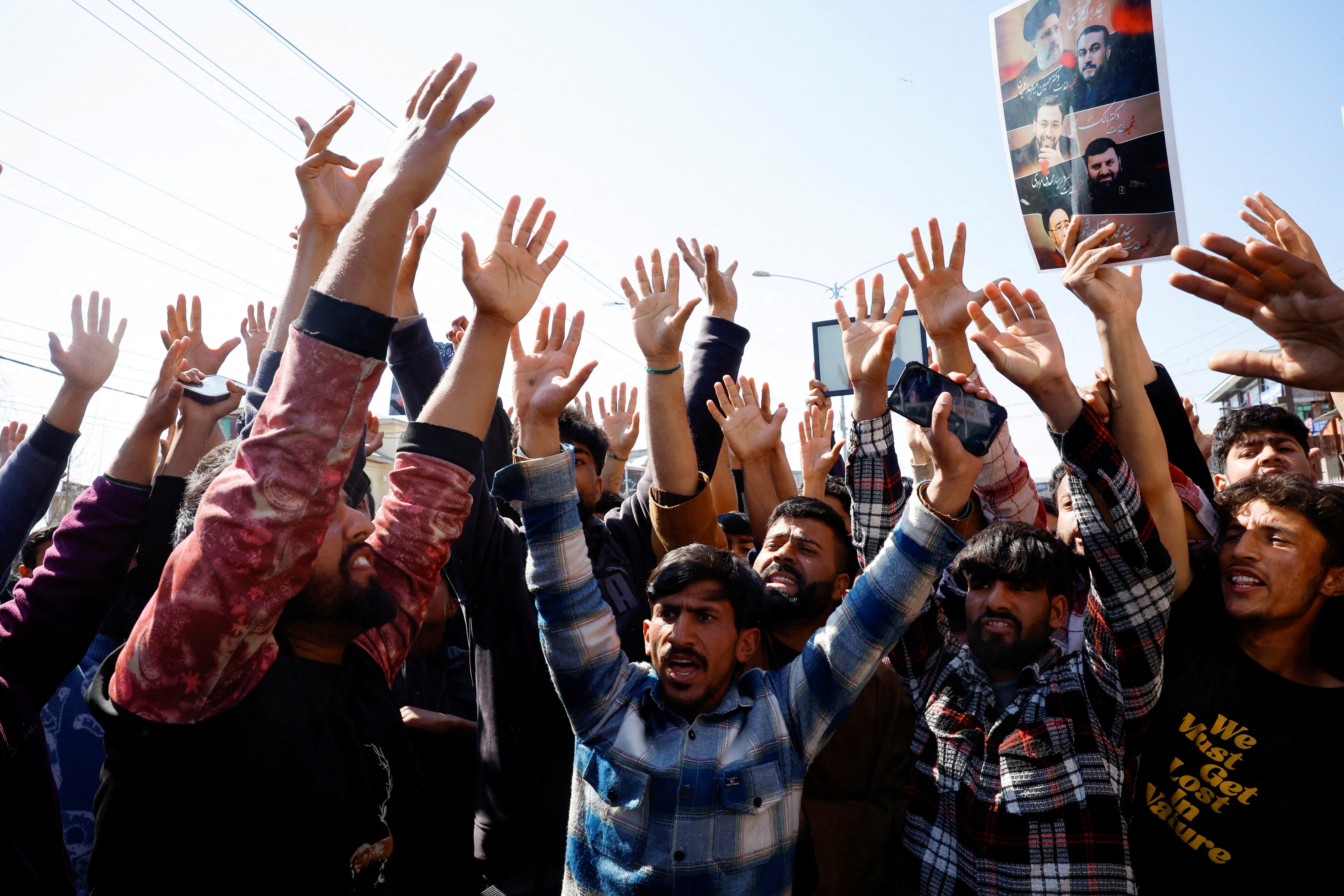
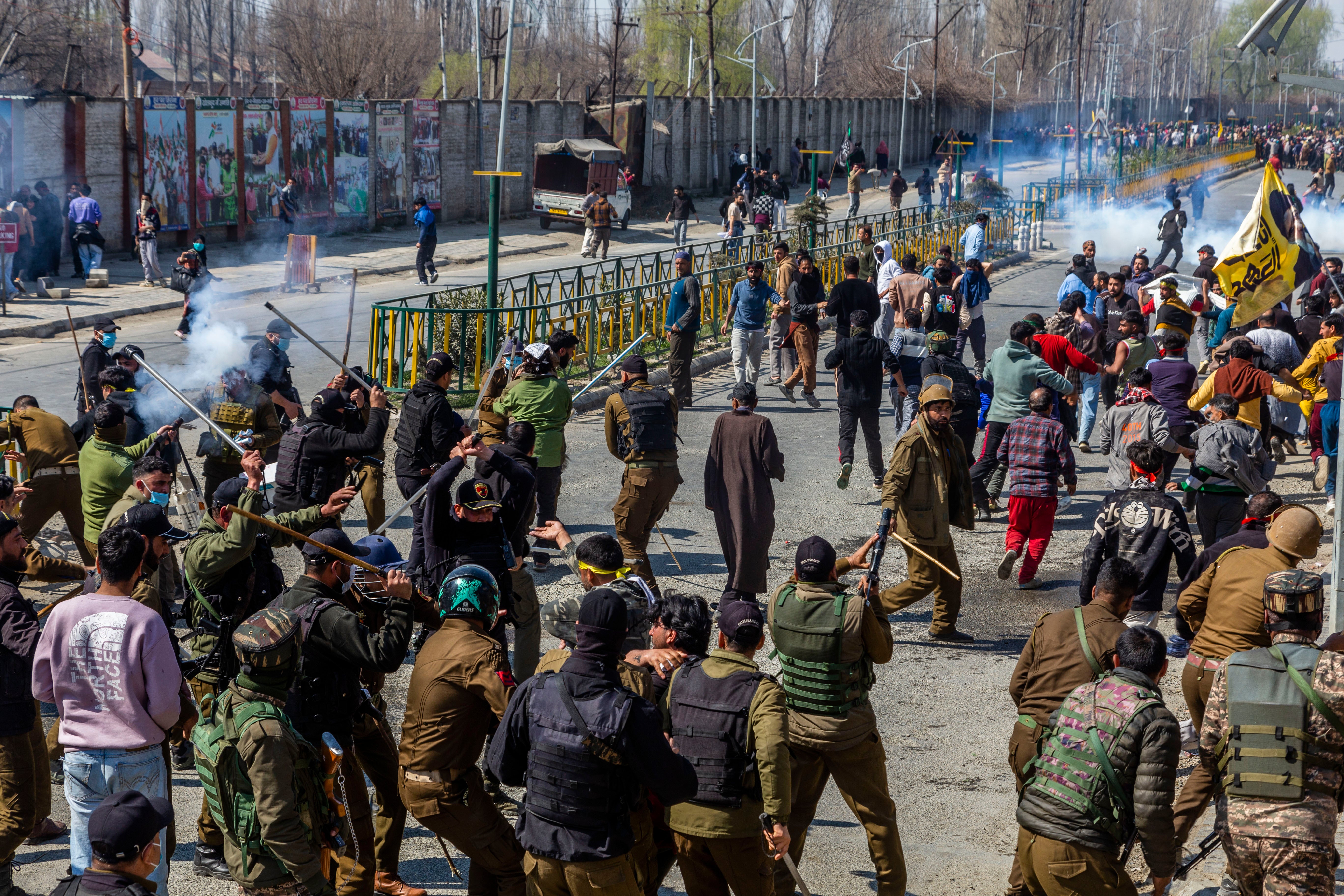
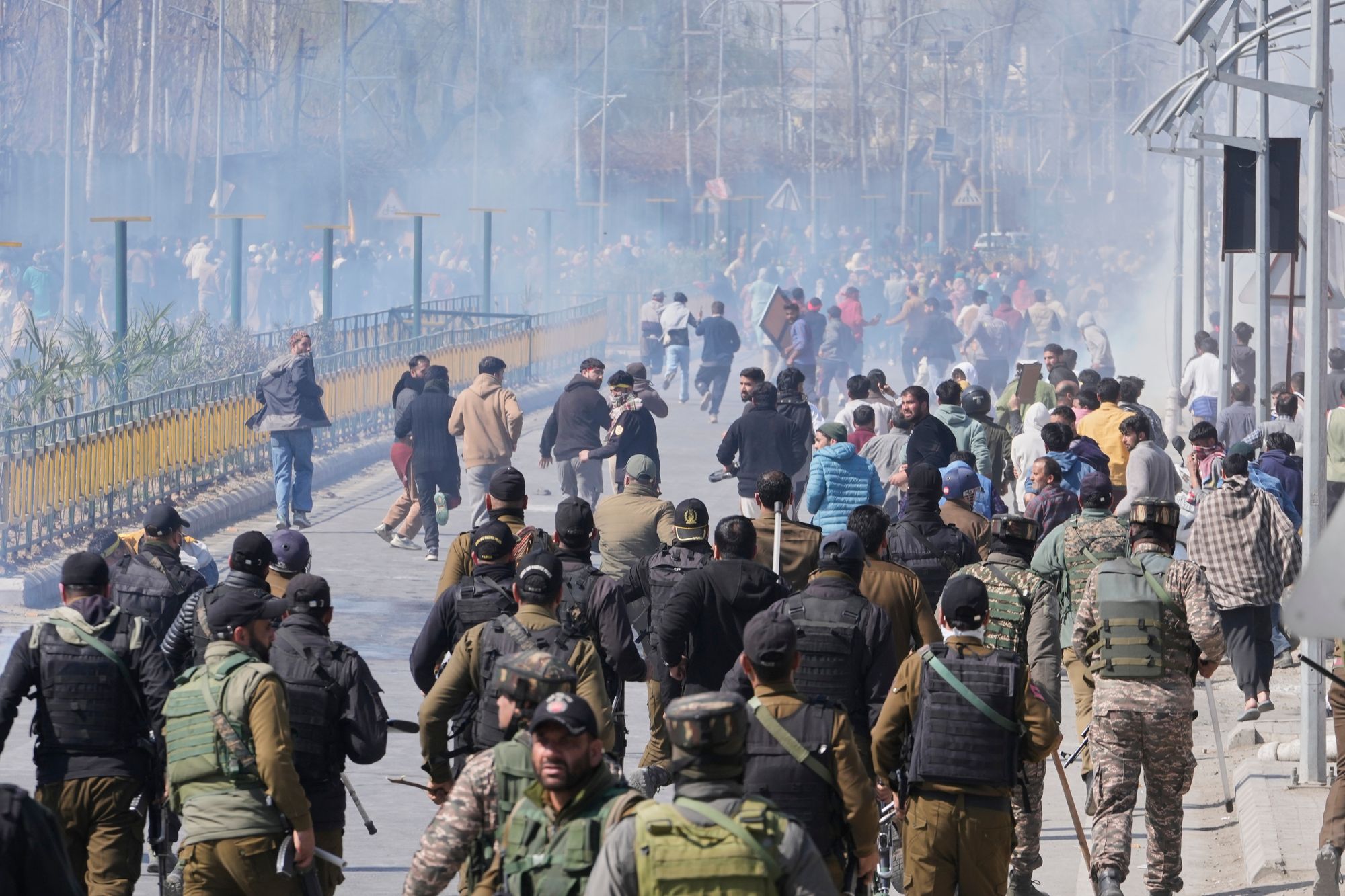
In Srinagar, protesters gathered at the city’s landmark Lal Chowk and climbed the clock tower. Several others sang eulogies and wept. There were gatherings in surrounding districts, including Budgam and Bandipora.
Authorities later sealed the clock tower and imposed restrictions across several parts of the valley. Curbs on movement and assembly remained in place for three consecutive days, particularly in areas with large Shia populations.
Educational institutions were closed until 7 March as a precaution, while mobile internet speed was throttled. Police and paramilitary Central Reserve Police Force personnel were deployed across the city, with barricades and concertina wire placed at key intersections.
Protests were also reported in the federal territory of Ladakh, including in Leh and Kargil, where men and women dressed in black marched carrying portraits of Khamenei. In Lucknow, hundreds gathered at the historic Rumi Gate holding black flags and photographs of the Iranian leader. Authorities say the gatherings were largely peaceful.
Kashmir’s lieutenant governor Manoj Sinha chaired a security review meeting and appealed for calm, saying peace was a shared responsibility. Chief minister Omar Abdullah also urged residents to avoid actions that could create tension.