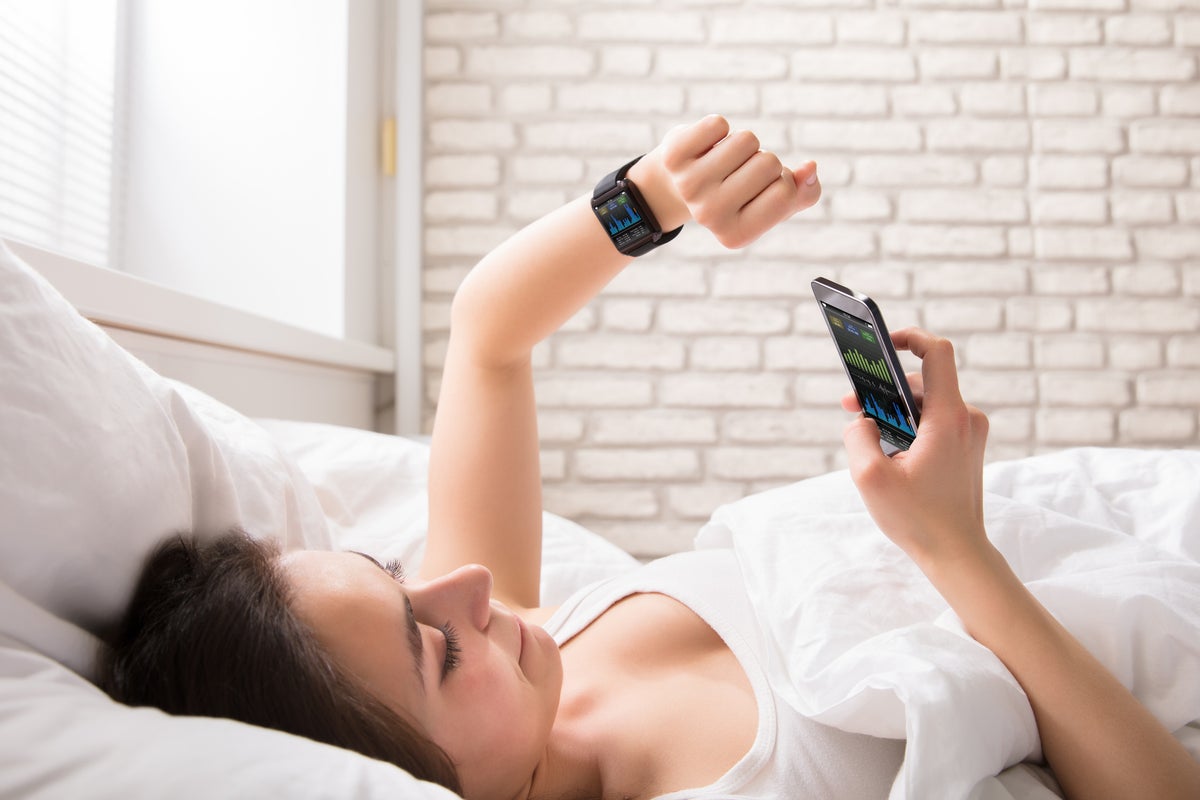
Sleep tracking apps could actually heighten stress for individuals grappling with insomnia, new research indicates.
Experts caution that while some users may benefit, these apps frequently provide inaccurate results, fostering unnecessary anxiety.
The significant rise in smartphone app usage for sleep monitoring, often utilising sensors in wearables like smartwatches and fitness bands, was highlighted by Norwegian researchers in the journal Frontiers In Psychology.
“This technological progress has coincided with an increased interest and awareness regarding sleep health, and the majority of health apps now include sleep monitoring as part of their daily tracking.”
The team said sleep apps generally track the time people go to sleep, how long they sleep for and some have data on the quality of sleep, offering a “sleep score”.
For their study, they recruited 508 men and 494 women with an average age of 50.
Some 461 said they currently used a sleep app or had done so previously, with most relying on a smartwatch (411), followed by a mobile app (65).
Sleep app use was more common among women than men.
Over half (around 57 per cent) of those aged 18 to 50 used apps, which was significantly higher than for older age groups.
People were asked about their experience of the apps, both positive and negative, and their feelings around using them.
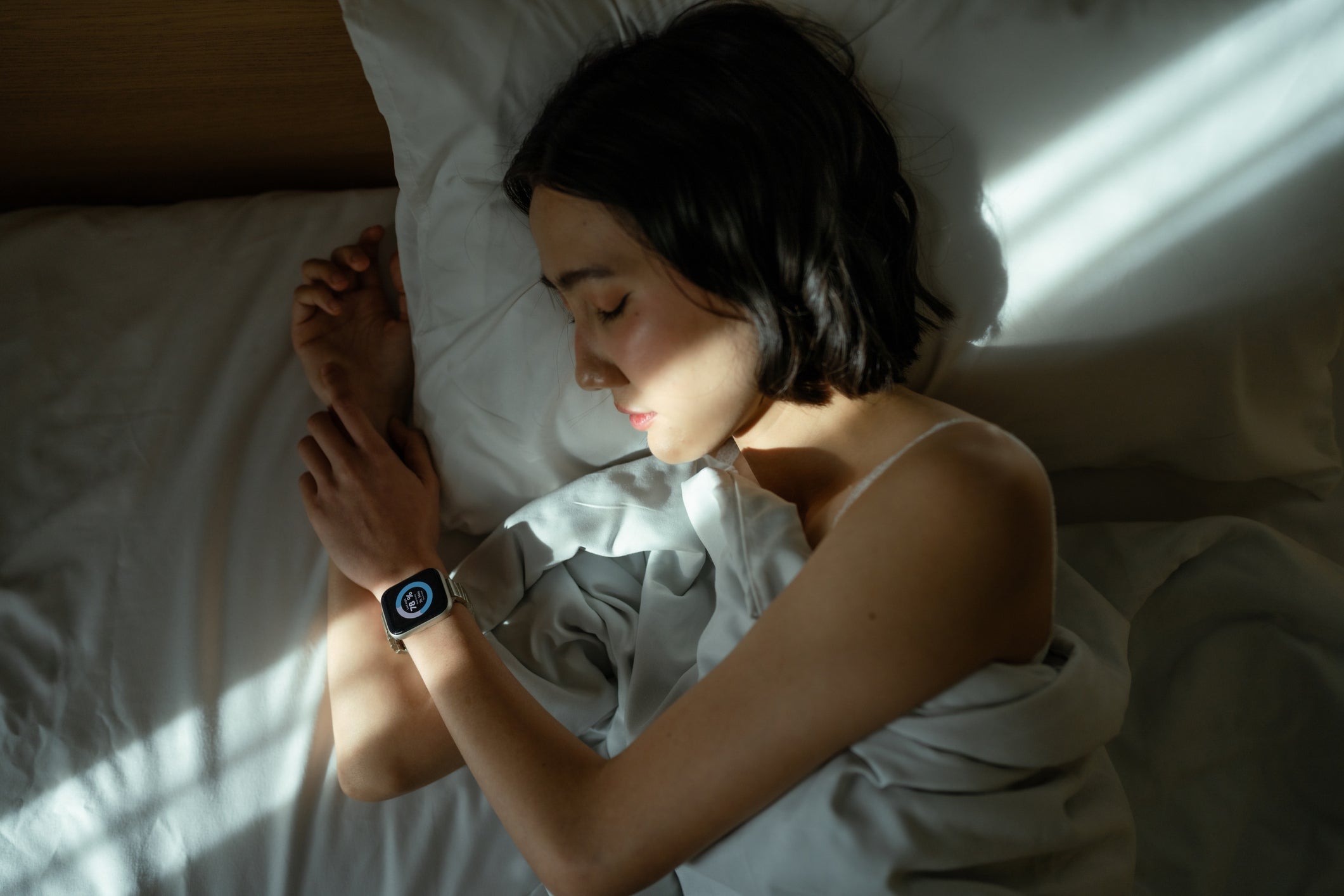
Positive effects were reported more often than negative effects, the study found.
Some 15 per cent of respondents said the apps improved their sleep, while 2.3 per cent of respondents reported worse sleep.
Overall, the most common benefit was learning more about one’s sleep (48 per cent of people), whereas the most common negative effect was worrying more about sleep (17 per cent).
The researchers wrote: “Our findings may indicate that younger users are more strongly affected, both positively and negatively, by sleep app use compared to older adults.
“Specifically, younger age groups (18–35 and 36–50 years) were more likely to report beneficial effects, such as ‘improved sleep’ and ‘prioritise sleep’, whereas older participants (66+) were less likely to report such advantages.
“Younger adults have a greater tendency to use electronic media in bed, which suggests that younger age groups may have more potential to improve their sleep habits, and thus report greater perceived effects from sleep apps.
“Moreover, the two youngest age groups also reported higher levels of stress and concern (‘increased sleep-related stress’ and ‘developed concerns about my sleep’), suggesting that they may be more susceptible to the negative effects of digital health information.”
The study further found that people with insomnia reported more negative effects of sleep apps.
“In particular, individuals with insomnia seemed to be more prone to negative thoughts and worries about sleep,” the researchers wrote.
People with insomnia more often agreed or totally agreed with the statements “something wrong with my sleep” and “more worried about my sleep”.
The team suggested possible reasons for this, including that people with insomnia “often exhibit excessive cognitive activity and attentional biases (eg heightened focus on sleep-related threats and negative expectations about sleep interventions).”
They also may have “dysfunctional beliefs about sleep” and problems “disengaging from sleep-related concerns”.
The team concluded: “As a result, sleep app use may serve as a potential contributor to increased sleep-related stress and worry.”
Researcher Karl Lundekvam, from the University of Bergen, said: “We would urge people who get more stressed by using sleep apps to learn more about which measures they use and how accurate they are.
“If this does not calm your worries, you should consider taking off your sleep app device during the night-time or turning off notifications.
“We encourage sleep app users to use the feedback as motivation to create helpful sleeping habits.
“For instance, minimise screen time before bedtime.”
Hakon Berge, of the University of Bergen, said: “We would also encourage people to listen to their body and go to bed when you actually feel tired.
“The bed and the bedroom should be associated with sleep, and going to bed before your body is ready to sleep will cause you to lie awake in bed, and this may exacerbate your sleep problems further.
“It is more beneficial to go to bed when your need for sleep actually requires it.”