As the machinery of parliament and Whitehall begins to prepare for a seemingly inevitable Andy Burnham premiership, one major foreign policy issue tops the questions that need to be answered – how will he handle Donald Trump?
The erratic and combustible 47th president has been a nightmare for the leaders of Western democracies throughout both his terms in the Oval Office, and his erratic and chaotic approach to dealing with both friends and foes has not made Sir Keir Starmer’s job any easier.
But, strangely, there is a feeling that the mood swings of Mr Trump may be less of an issue for Mr Burnham – not necessarily because he will be better equipped at dealing with him than Sir Keir, but because of the timeline in America.
The first significant date for an incoming Burnham government is one in late September, when he – if he suceeds Sir Keir – will fly out on his first international gathering at the United Nations General Assembly (UNGA).
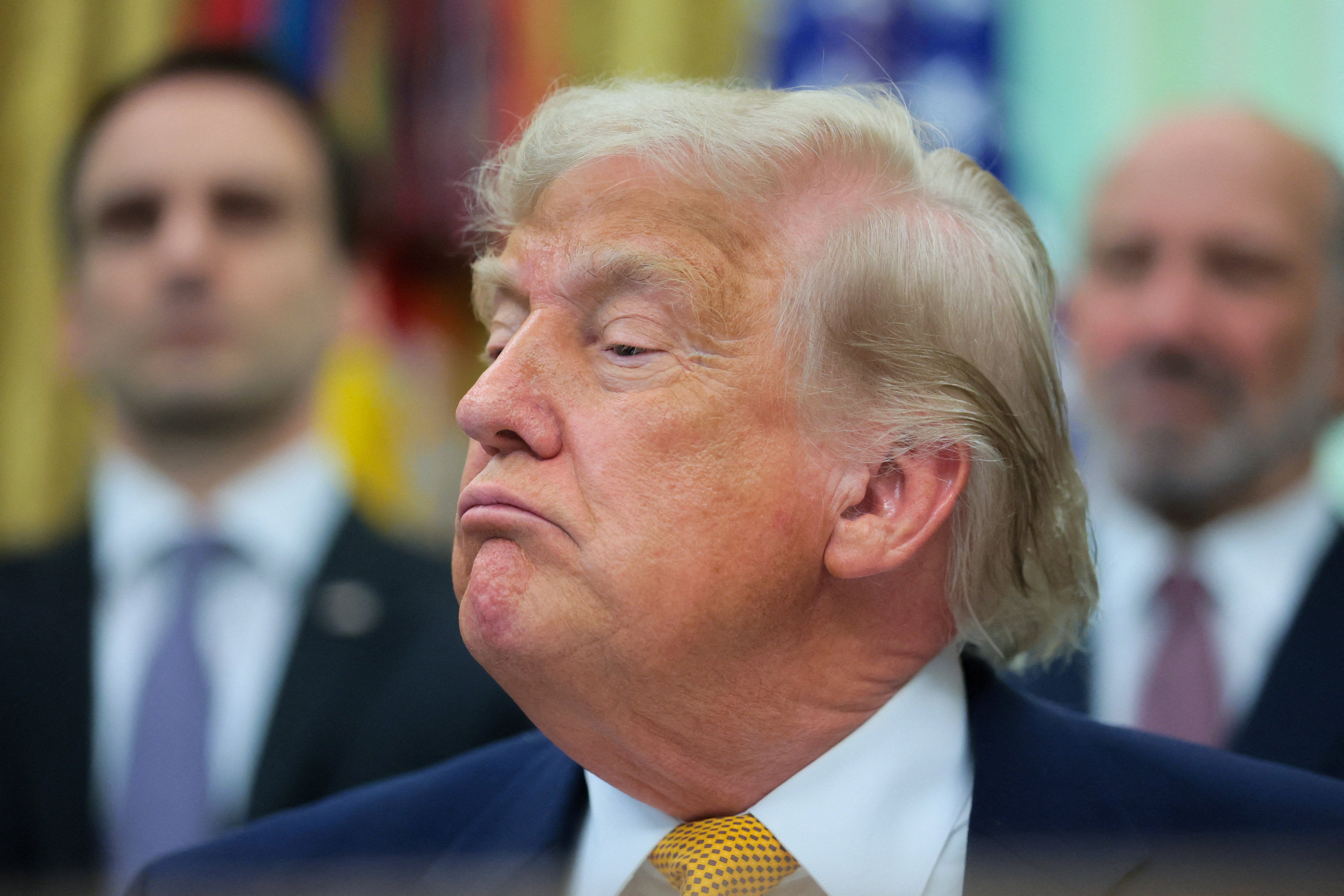
The UNGA trip to New York is likely to be the first time that the new prime minister gets a meeting with the US president. All eyes certainly will be on them to see if they gel or not.
The second trip though will be in November to Florida for the G20 summit, at which point a significant date will have occurred in the US democratic calendar – the midterm elections.
Trump’s Republicans and MAGA supporters are expected to struggle, with most pollsters having given Democrats a lead nationally since the start of the year.
The focus will almost immediately switch to the potential candidates trying to get on the ticket for the Republicans and Democrats for the presidential election in two years’ time. The Trump presidency will be entering the traditional “lame duck” stage where power quickly ebbs away, not least because he cannot run again.
That is not to say that this most unconventional of presidents cannot cause problems in his last two years, and he is unlikely to settle on a final lap of honour like his predecessors did.
There could still be new tariffs or even further issues in the Middle East, but nevertheless the need to pay homage to him, as Sir Keir did, will be much reduced.
So when Mr Burnham rolls up in New York in September he will be emboldened to be less deferential than Sir Keir, and more vocal about British interests.
.jpeg)
It is also clear that he will not back down on issues like not drilling for North Sea oil if he makes Ed Miliband his chancellor and will be unapologetic about his plans to rip up the economic model of the last 40 years.
None of these things Trump will like, so we can probably expect some barbed posts on Truth Social.
It may well be though that Mr Burnham simply does not care and attempts to get to know potential successors in the White House, perhaps Secretary of State Marco Rubio, California governor Gavin Newsom or Vice President JD Vance.
But one thing Mr Burnham has in his favour is that Trump appears to like and respect politicians who have a celebrity swagger about them.
Mr Burnham certainly does that. He arrives with plenty of empathy and emotional intelligence. An ability to get people to like him.
A bit like Sir Keir and former foreign secretary now deputy prime minister David Lammy Mr Burnham’s past derogatory tweets about Mr Trump are unlikely to matter much.
And it is likely that he will still prioritise the transatlantic special relationship for the UK while carrying on the rebuilding work with the EU.
In the end though it will all come down to whether President Trump is convinced by Mr Burnham’s smile and convivial personality.
One thing that can be guaranteed with both men is that it will be entirely unpredictable.