
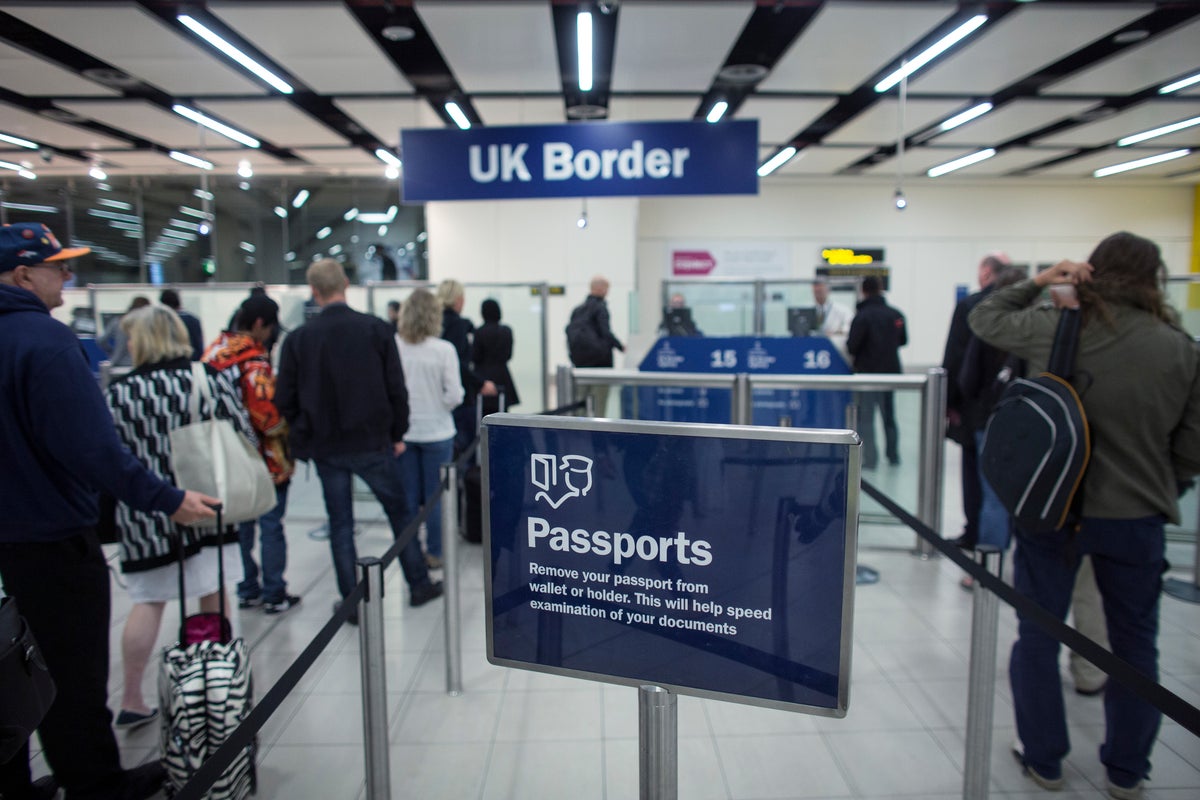
A new digital border system for visitors to the UK comes into force from Wednesday, with a Home Office minister describing its enforcement as “vital”.
Mike Tapp urged anyone planning a trip to the UK to “ensure they are travel-ready” ahead of the change.
From Wednesday, non-exempt visitors will require an Electronic Travel Authorisation (ETA), a digital permission to travel first introduced in October 2023.
This authorisation costs £16 and allows for multiple journeys to the UK, permitting stays of up to six months over a two-year period, or until the holder’s passport expires, whichever comes first.
Travellers without a valid ETA will be prevented from boarding their flight, ferry, or train. British and Irish citizens, including those with dual nationality, are exempt from this new requirement.
Mr Tapp said: “The ETA scheme is a vital part of our work to strengthen the UK’s border security, helping to deliver a more efficient and modern service that works for both visitors and the British public.
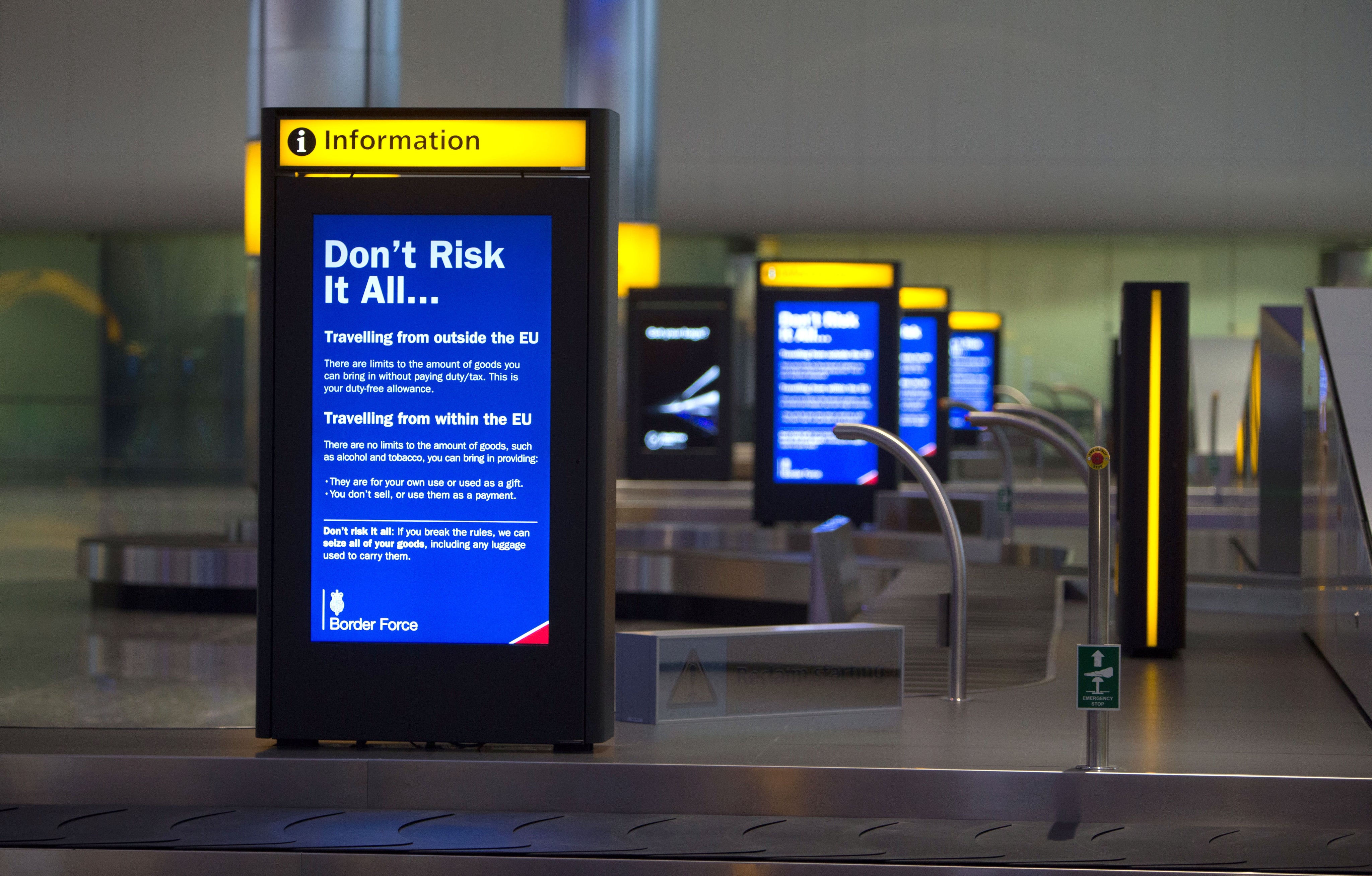
“I’d urge anyone wanting to travel to the UK to ensure they are travel-ready and have the right permission, to make their journey much smoother.”
The policy change means dual nationals – who could previously enter the UK using their non-British passport – will need a British passport or to pay £589 for a certificate of entitlement.
Some dual nationals have said enforcement of ETAs is being brought in at short notice and was poorly communicated.
There are fears that holidays or work trips could be affected if people cannot get a passport or certificate of entitlement in time.
The Home Office previously said public information advising dual nationals to carry the correct documentation has been available since October 2024, and a “substantive communications campaign” has been running since 2023.
There are plans to increase the cost of an ETA to £20 at an unspecified future date.