
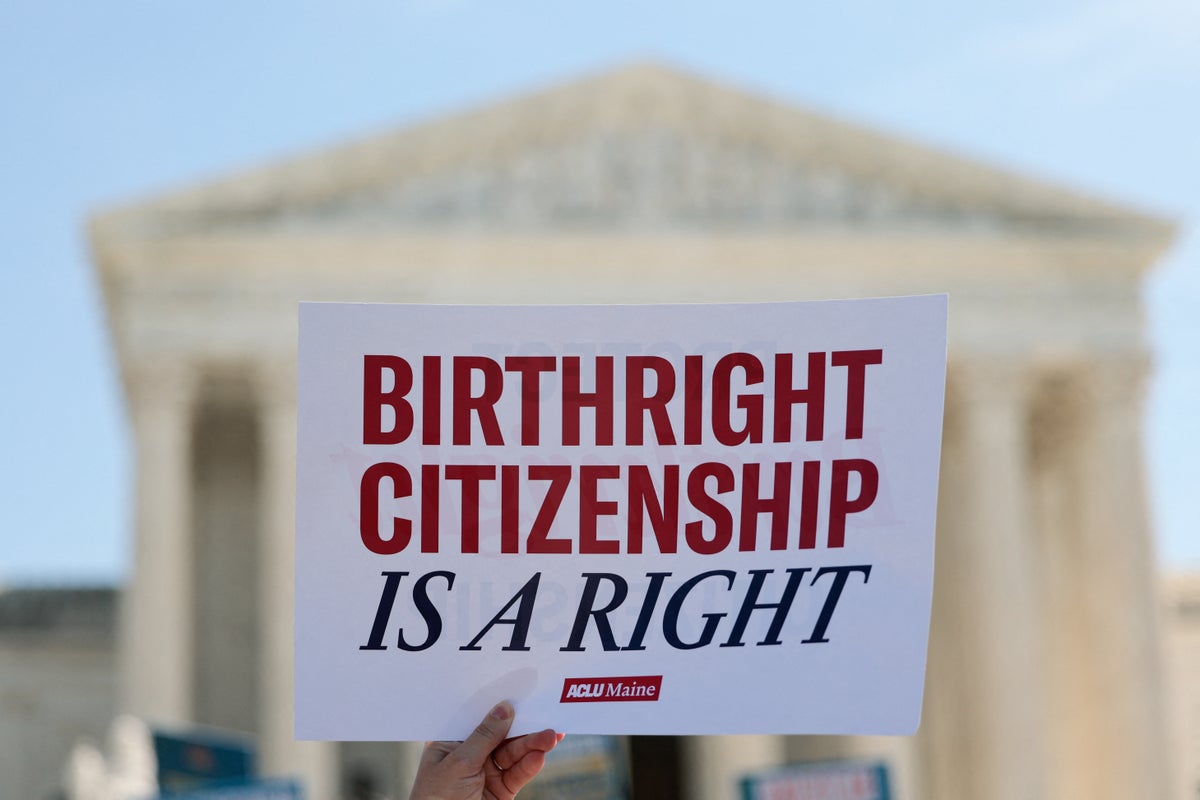
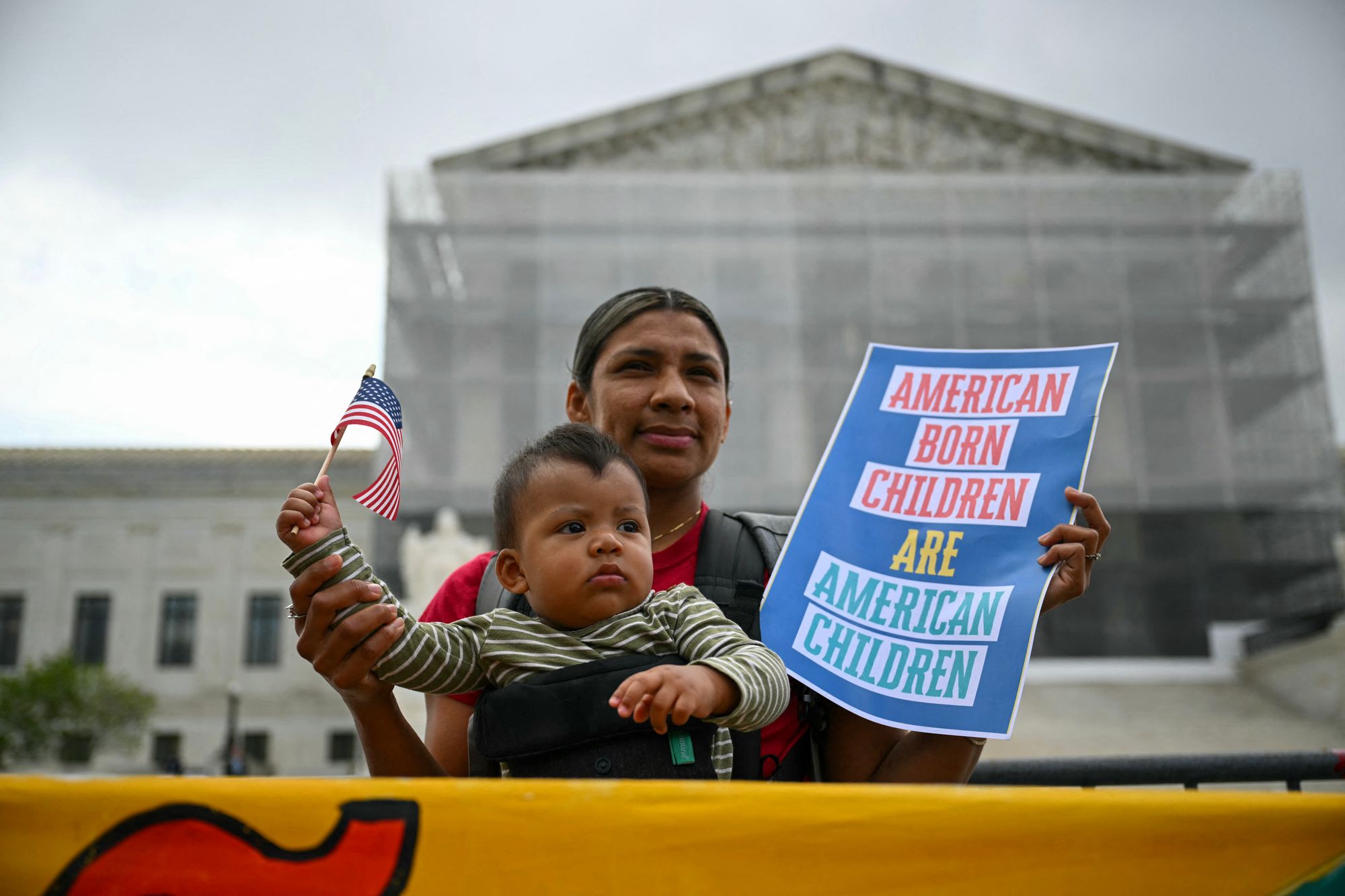
If the Supreme Court were to uphold President Donald Trump’s birthright citizenship executive order, it could render thousands of children stateless and force any parent to prove their citizenship to ensure their child has access to healthcare, social services, education and other basic social services.
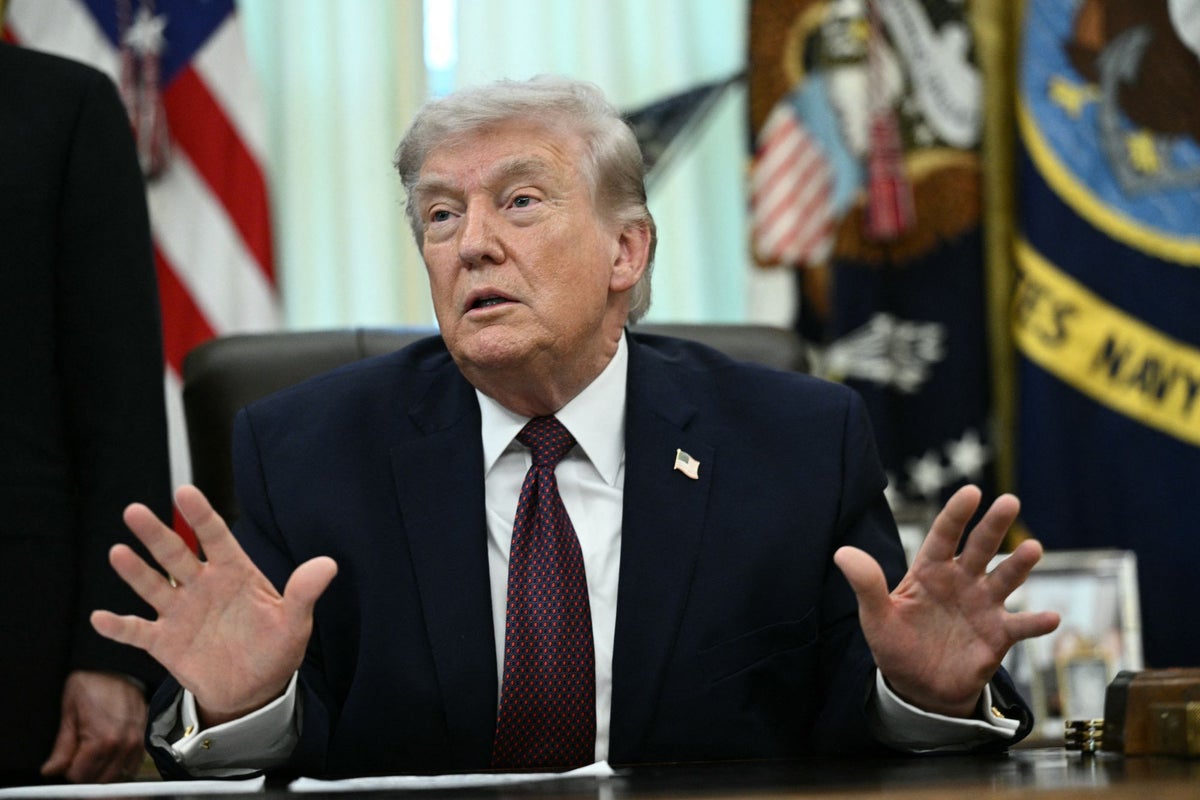
On Wednesday, Trump was in attendance as the Supreme Court heard arguments on whether his order to revoke birthright citizenship is constitutional. Typically, anyone born in the U.S., no matter their parents’ legal status, has been granted citizenship. Trump is looking to end that policy.
Legal experts and advocates alike have warned of the far-reaching implications if the Supreme Court backs Trump that would first impact immigrants and their children, increasing the population of undocumented immigrants and revoking essential healthcare from pregnant women and babies.
“It would mean, essentially, the creation of second-class residents of the United States, people who can never become fully part of the American community – something that was promised as part of the 14th Amendment,” Noah Baron, the assistant director of litigation at Asian Americans Advancing Justice, told The Independent.
But it would extend to those who are already U.S. citizens, forcing people to prove their legitimacy with copies of their parents’ birth certificates or risk losing access to key services.
“The long-term effect would be to give the government kind of a free-ranging power to strip people of their citizenship, even if they were born in the United States,” Aziz Huq, a constitutional law expert and professor at the University of Chicago, told The Independent.
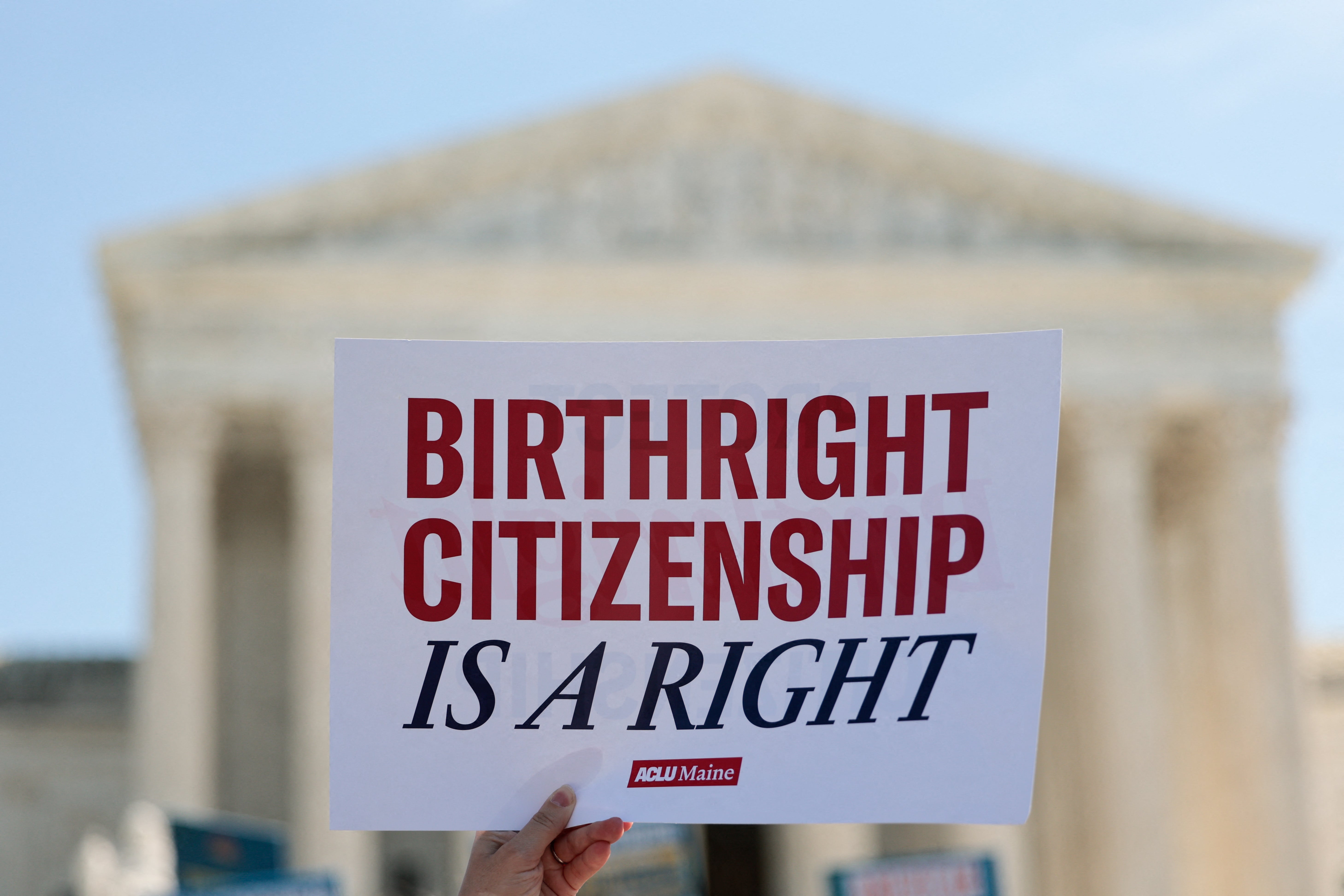
For more than 150 years, any person born on United States soil has been granted automatic citizenship under the 14th Amendment.
So far, lower courts have ruled against his executive order and legal experts agree that the theories used to justify the president’s executive order are fringe.
Huq said from oral arguments Wednesday, it “seems unlikely” the court would be willing to fully uphold the president’s executive order, noting that the government’s logic was “peculiar” and “weird.”
Yet, the conservative-majority court could still choose to rule in favor of the president, as it has done many times in the past, throwing much of the bureaucracy into “chaos.”
Giving an example, Aarti Kohli, the executive director of the Asian Law Caucus, told reporters last week that “right now, having a baby in the United States is straightforward” because hospital paperwork streamlines the process for a child to obtain a Social Security number.
“The executive order would end that and create chaos for us all. Parents would have to prove immigration status before their child’s citizenship is recognized. That sounds manageable until you understand the reality,” Kohli said.
Kohli explained how databases used to verify immigration status are “notoriously unreliable.”
That new rule would apply to all parents in the United States, not just those who may be immigrants. It would also leave a lot of questions about the statehood of foundlings, or children who are abandoned by their parents at birth.
“Does every foundling suddenly become a non-citizen?” Huq questioned. “Who would bear the burden of proof? How would a child bear that?”
Baron added that long-term complications could also lead to voter disenfranchisement. He cited the citizenship requirements in the SAVE America Act, a proposed piece of legislation that requires voters to prove they are U.S. citizens before voting in a federal election.
Should the government revoke birth certificates as a form of proof of citizenship, it would mean voters would need to find other ways to prove their identification, such as a passport or driver’s license – which often requires a birth certificate to obtain in the first place.
“A birth certificate is how Americans get a passport, a driver’s license, enroll in school, access healthcare. For children born after this order takes effect, it would no longer be sufficient proof of citizenship on its own,” Kohli said.
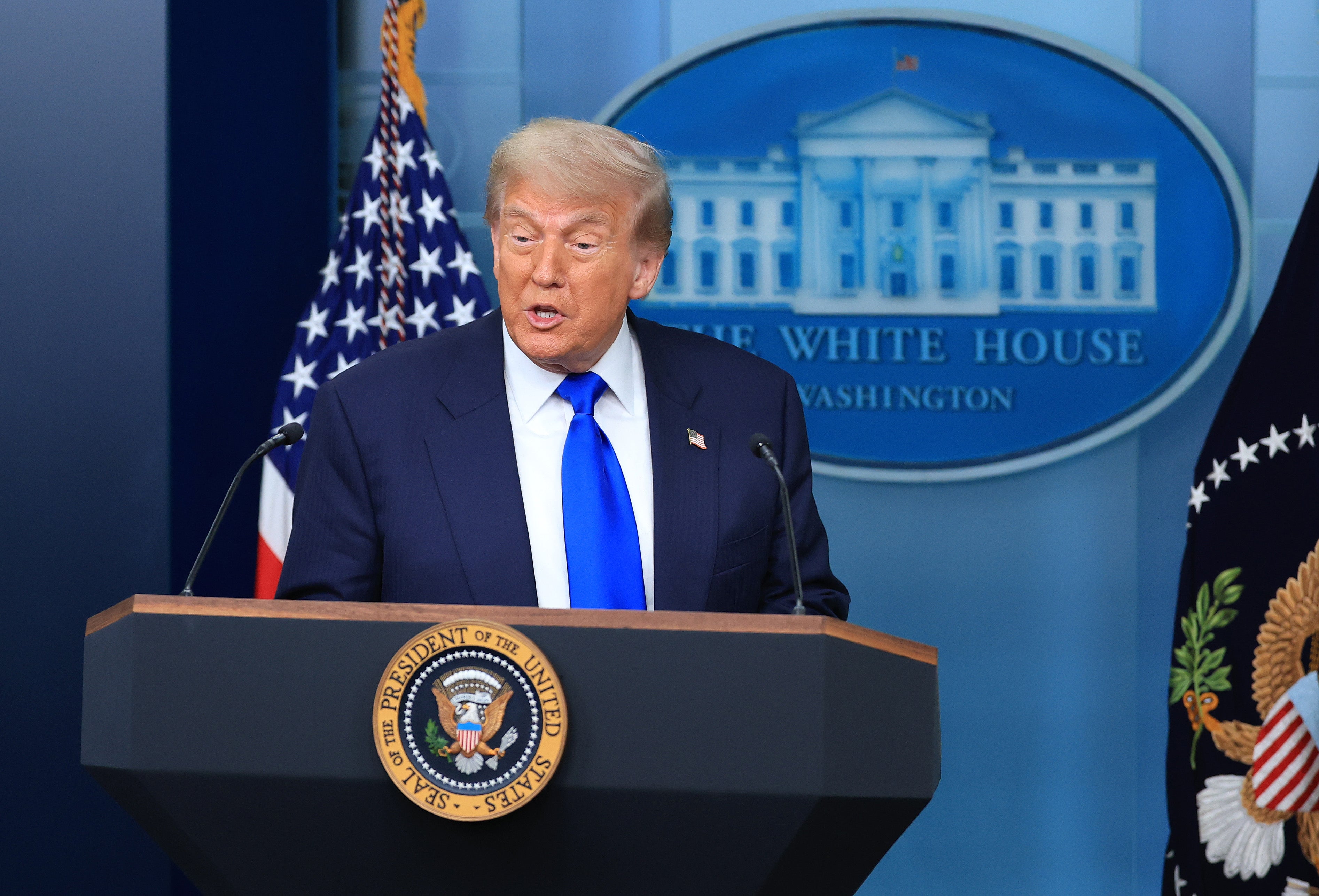
The Trump administration’s attempts to rewrite citizenship requirements are part of the president’s larger agenda to reduce illegal immigration. But perhaps most jarring for some, though, is the idea that allowing the administration to revoke citizenship opens the door for the government to issue new rules around citizenship later.
“Setting aside the implications of the principle of undermining the 14th Amendment, it provides the executive branch a terrifying amount of discretion in terms of how to make these decisions,” Baron said
While the executive order only applies to children born after it takes effect, Huq said there’s “no reason” the administration couldn’t use it as precedent to revoke citizenship for others.
“There’s no reason that they couldn’t say ‘We’re not going to be looking at your parents, we’re going to be looking at your grandparents, or your great-grandparents, or your great-great-grandparents.’” Huq said.
“Once you open the door, it’s not clear how the citizenship-stripping power that the Trump administration is claiming can be limited or countered.”