
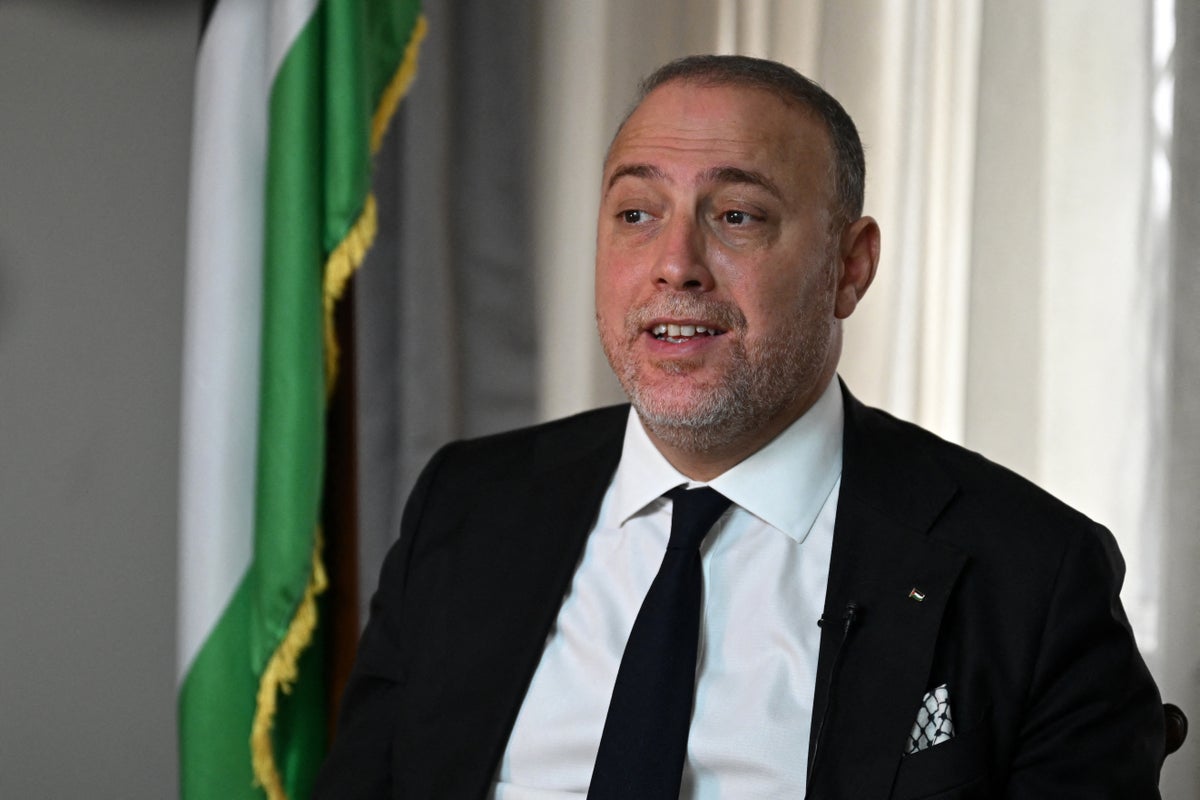
As Israel prepares to occupy parts of southern Lebanon, weeks after warning it would take the territory, Palestine’s ambassador to the UK has warned what has happened in Gaza is only the beginning for the troubled region.
Israel says it needs to create a buffer zone in Lebanon, similar to Gaza, so it can fight Hezbollah and keep its territory safe.
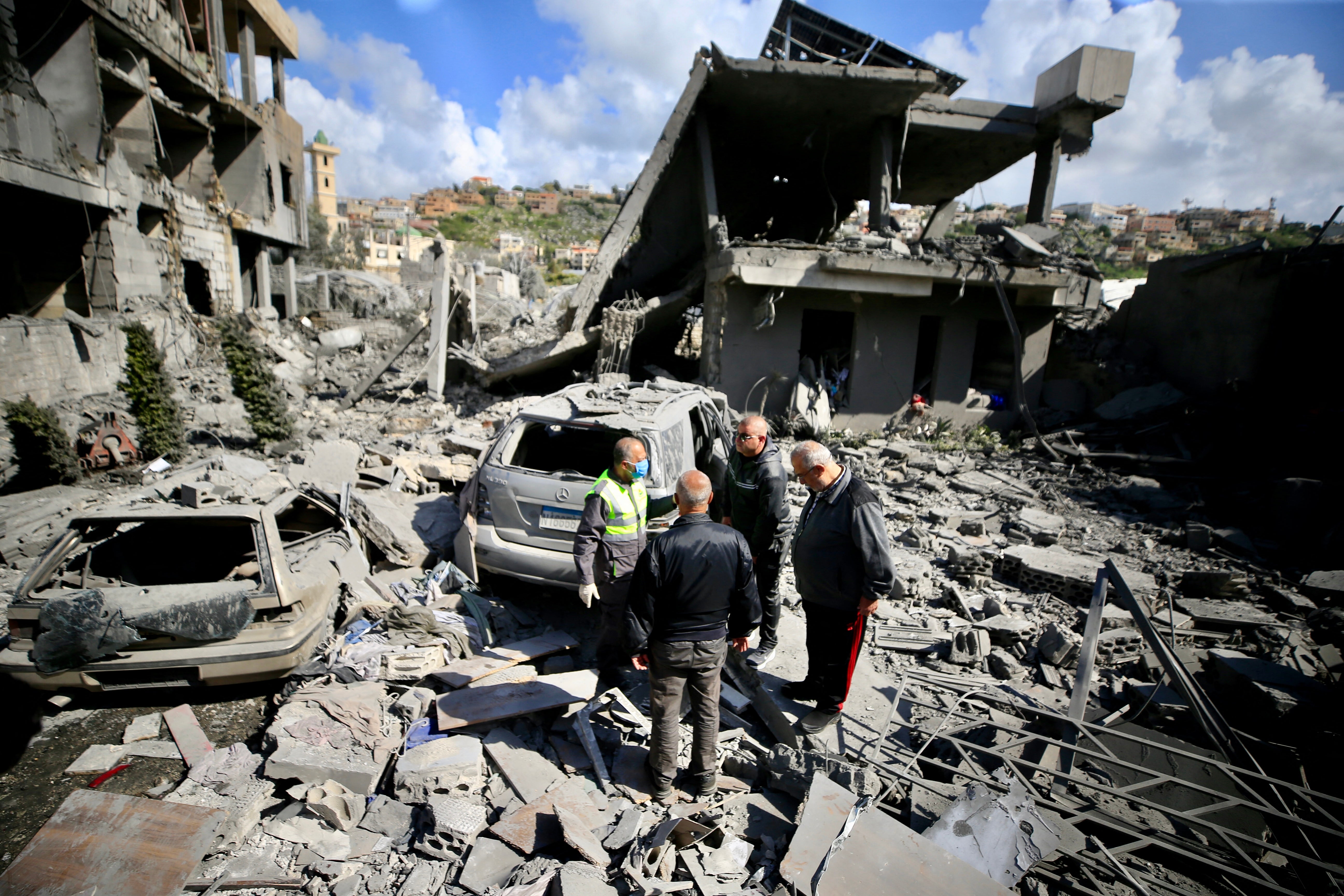
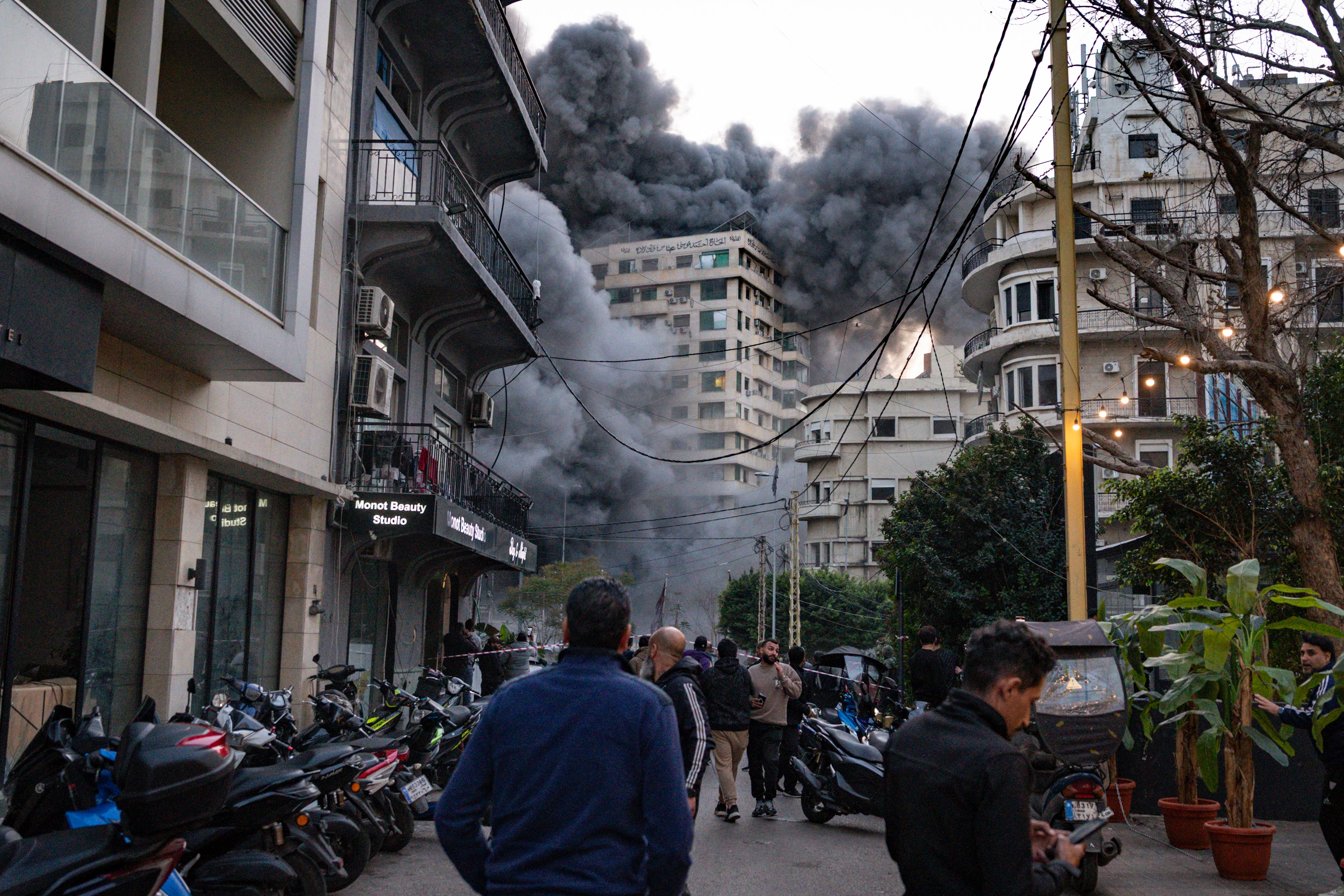
Thousands of Lebanese have already been forced into tents and UN calls for Lebanon’s territorial integrity to be respected, appear to have fallen on deaf ears.
Israeli prime minister Benjamin Netanyahu says the Iran war, launched a month ago jointly with the US, is the fulfillment of a “40 year dream”.
But Lebanon’s deputy prime minister expressed fears on Thursday the territory could create a new humanitarian crisis like the war-ravaged Palestinian enclave.
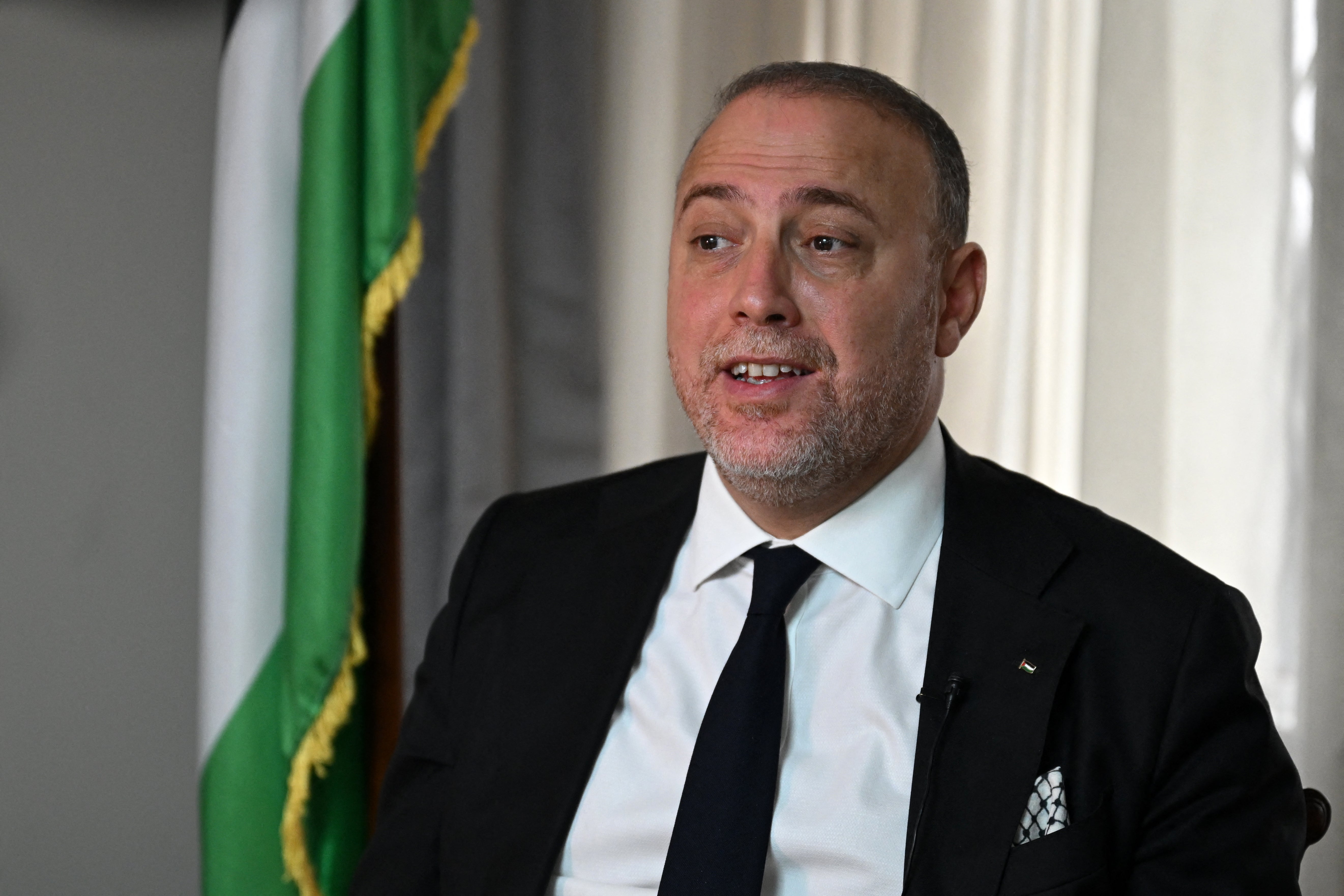
In an interview with The Independent at the new Palestinian embassy in London, ambassador Husam Zomlot says the writing for this has always been on the wall.
“Israel is always in search of an enemy because they don’t want to deal with the biggest elephant in the room, which is the Palestinian people,” he explains, when asked about the current crisis in the Middle East.
“We have warned the world for years, if this can happen in Gaza, it will be done elsewhere. And here you go.”
The United States has indicated it entered the war against Iran following Israel’s lead, preempting attacks on US military bases in retaliation for Israeli strikes – claims both countries later denied.
Regardless of the motivation, the ongoing war has nevertheless wreaked havoc across the region, upending oil markets and halting shipments across the world.
Netanyahu said this week its assault on Lebanon was Israel “expanding this security strip to keep the threat of anti-tank weapons away from our towns and our territory”.
“We are simply creating a larger buffer zone,” he added. The Independent has contacted the Israeli military for comment.
With over one million people displaced in Lebanon and thousands killed and injured across the region, Mr Zomlot warns that a “culture of impunity” that was exercised in Gaza has now led to a flagrant disregard for diplomacy and order.
“This is it,” the longstanding critic of Israel and advocate for a Palestinian state says . “We have said so many times: What happens in Palestine does not stay in Palestine. Whatever happens in Palestine spreads to the rest of the world.”
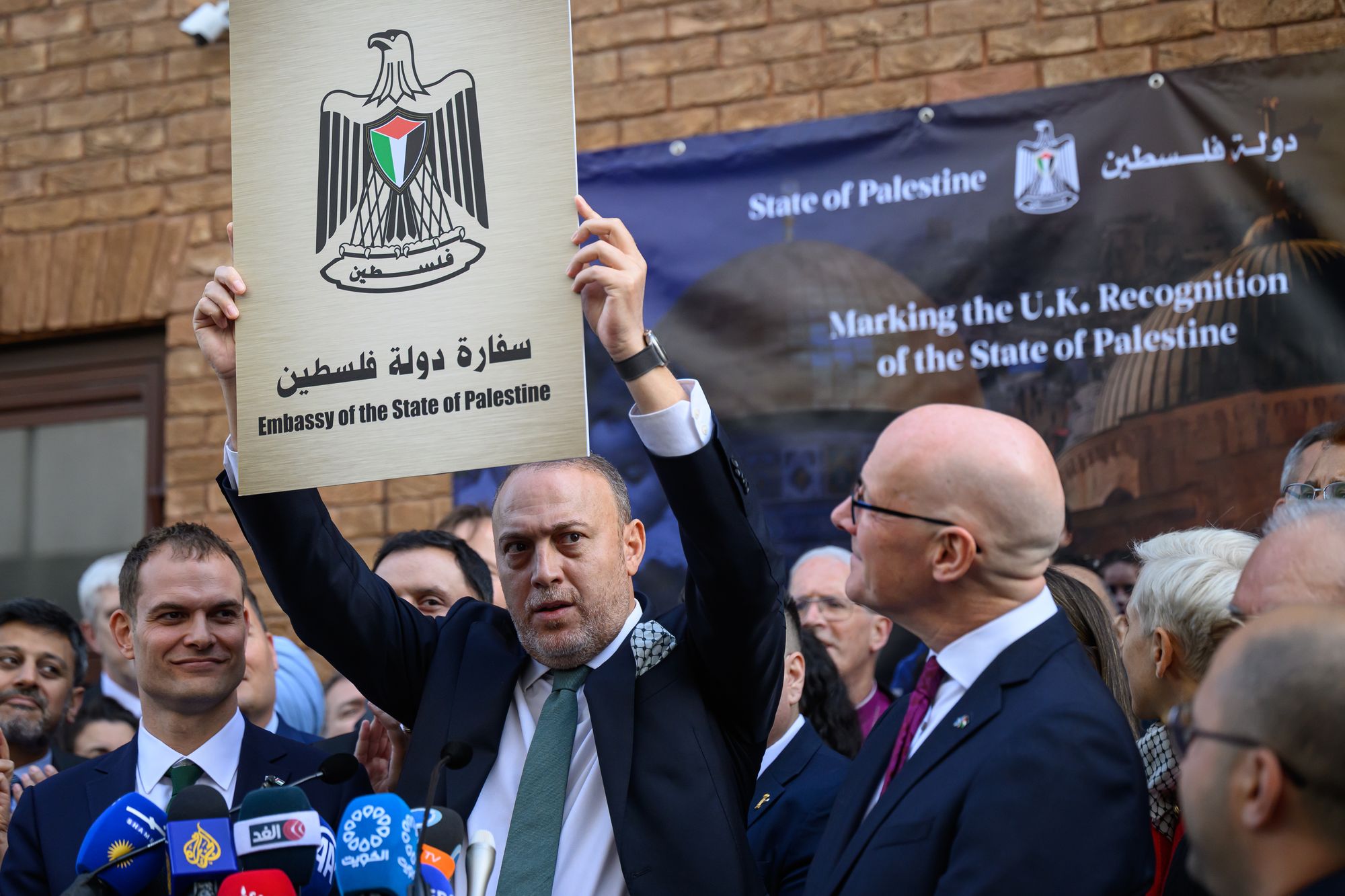
The UK’s Palestinian Embassy, formerly the UK Palestinian Mission, is in an unassuming office down a side street in Hammersmith, in the west of the capital. Previously functioning as a charity, it was upgraded to embassy status in January 2026 after the UK recognised the state of Palestine in September 2025.
But reaching this point has not been an easy journey. In November 2023 staff reported multiple attacks and death threats. The Met Police said they were investigating the instances as “hate incidents” at the time.
In November 2025, masked activists approached the entrance with British and Israeli flags and vandalised the building with stickers that read: “I love the IDF (Israeli Defence Force)”, The Guardian reported, with Mr Zomlot calling for diplomatic protection.
It all comes amid an increasingly tense climate in the UK, as the impact of the troubles in the Middle East continue to reverberate closer to home.
Since the Hamas massacre in October 2023 and the subsequent deaths of tens of thousands of Palestinians in Gaza, Britain has seen a rise in both anti Muslim and antisemitic incidents, the latter including a recent attack on ambulances serving the Jewish community in London.
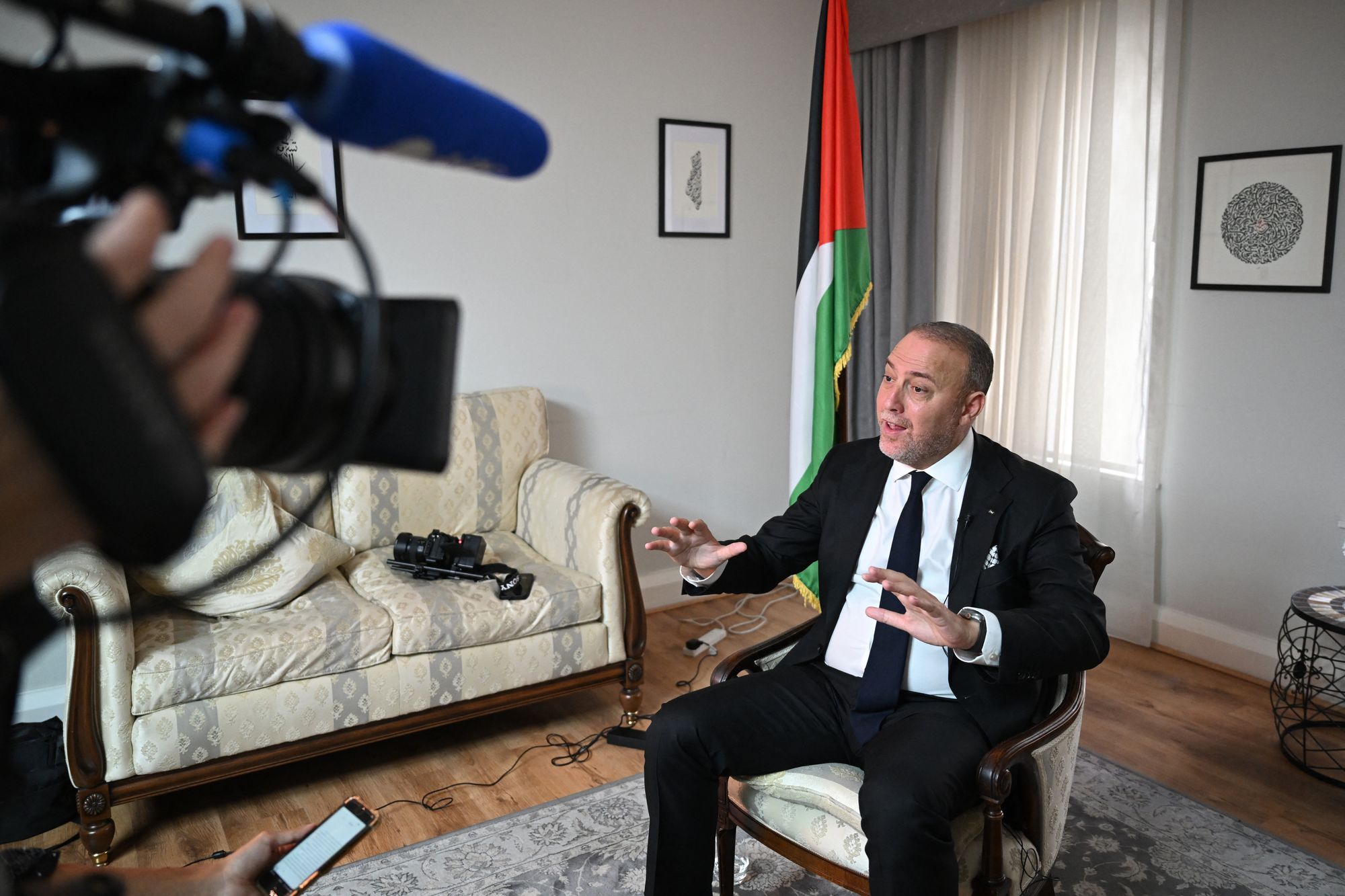
Mr Zomlot knows something about the personal cost of the bitter battle for Palestinian self-determination himself.
Born in 1973 in the Shaburah refugee camp in Rafah, run by the United Nations Relief and Works Agency, the conflict has served as the backdrop to most of his life.
He went on to study at Birzeit University, LSE and SOAS and earned a post-doctoral fellowship at Harvard. Returning to the UK in 2018 after serving as the representative for the Palestinian Mission in Washington, when the US embassy relocated to Jerusalem he was recalled and posted in London.
The politician has since gone on to become one of the region’s most visible representatives in the west.
During the two year Israeli military onslaught in Gaza, his wife’s 7-year-old cousin, Sidra Hassouna, made headlines worldwide after a harrowing image of her body hanging over a wall went viral at the same time as the American Super Bowl aired in February 2024, prompting horror at the contrast.
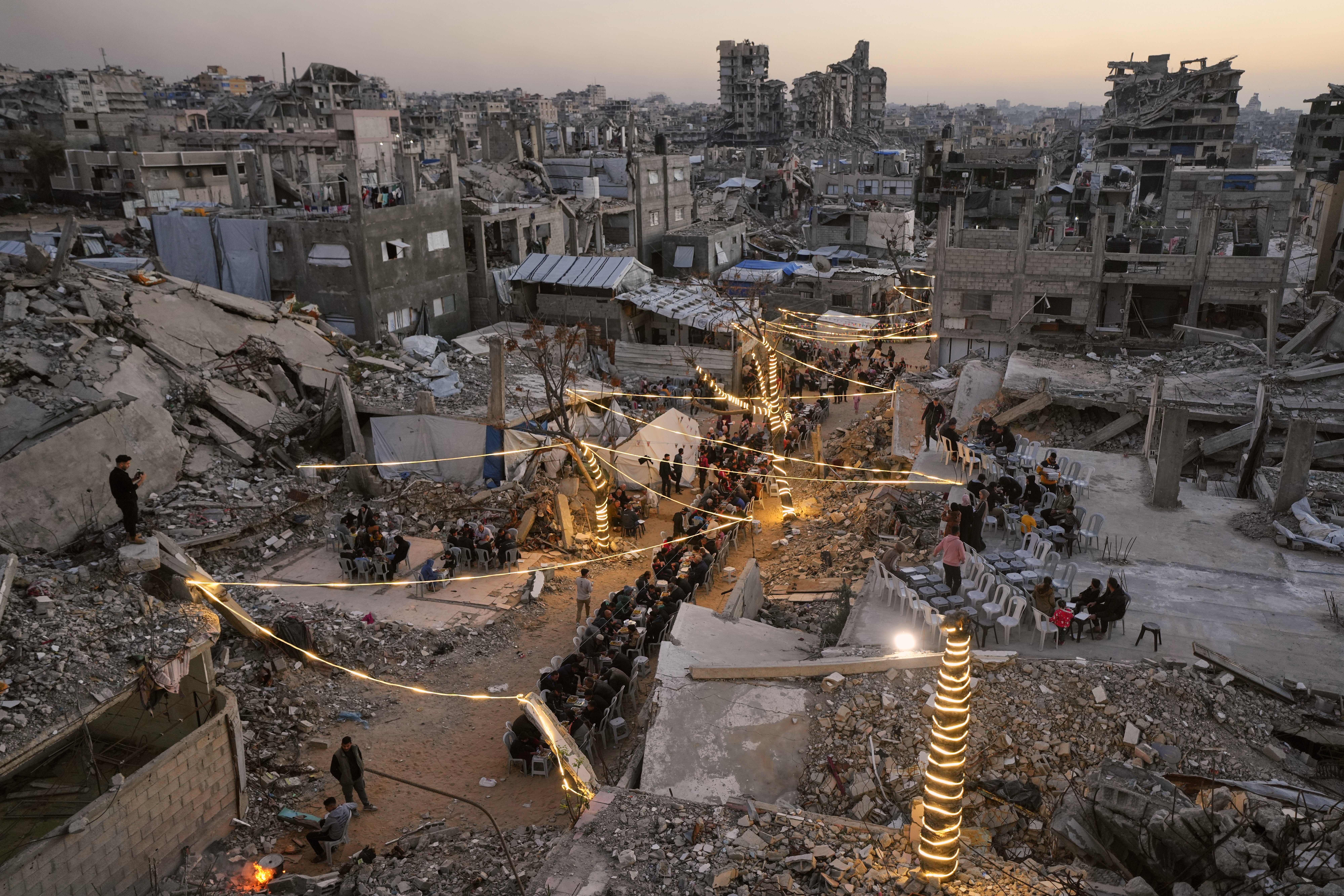
The diplomat has lost countless other family members to the war, saying in an October 2023 interview with the BBC: “My cousin is not Hamas. These kids are not Hamas”.
He believes the path to peace lies in international law and domestic policy that aligns with the UK’s legal obligations if the political will is there to implement it.
The International Criminal Court issued an arrest warrant for Netanyahu in November 2024 on accusations of war crimes, including allegations of starvation as a method of warfare.
Netanyahu’s office called it “an antisemitic decision … equivalent to the modern Dreyfus trial” referring to the 1894 trial of a French Jewish artillery officer who was wrongfully convicted of treason due to antisemitism and later exonerated.
He added: “Israel rejects with disgust the absurd and false actions and charges against it by the international criminal court, which is a biased and discriminatory political body.”
“The law is the law,” Mr Zomlot said. “We need to respect these rules. You can’t be selective when it comes to issues of legality.”
Yet, annexation plans and illegal settler activity and violence have proliferated in the West Bank and the Israeli government’s plan to break up the E1 territory there would further fragment plans for a Palestinian state.
“The UK and the international community must take concrete steps now,” the ambassador says. “We are reaching the point of no return.”
Concerning the establishment of illegal Israeli settlements on Palestinian territory, he refers to UN Security Council Resolution 2334 issued in December 2016 and the International Court of Justice’s 2024 ruling.
“What I’m discussing with you about the action required is not a political demand. It’s a legal obligation,” he says.
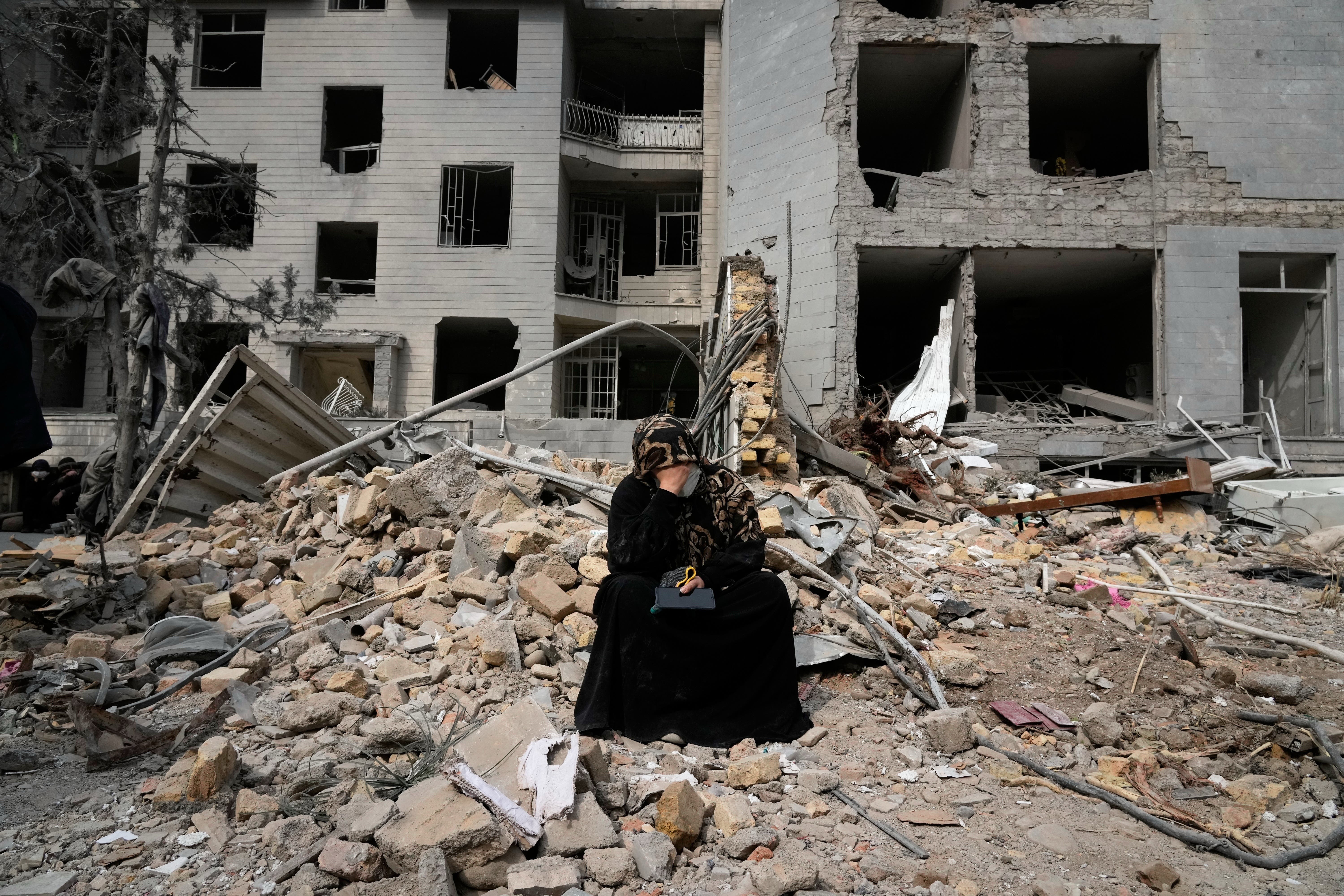
He believes sanctions, suspending trade talks and cancelling export licences to Israel would be first steps.
Palestine is now recognised as a state by 147 of 193 UN member states with several nations including the UK, Canada and Australia taking formal steps last year. Mr Zomlot says it’s a welcome gesture, albeit one that has come very late.
“From a political sense, if your policy is belief in a two-state solution why has it taken so long to recognise the other state?”
Over 72,134 people have been killed in Gaza, according to local officials, almost half of them women and children. Thousands more are missing and suspected to be under the rubble.
“This is not an earthquake or a tsunami that befall Gaza. This is a man-made orchestrated genocide by the occupying power that is Israel,” he says.
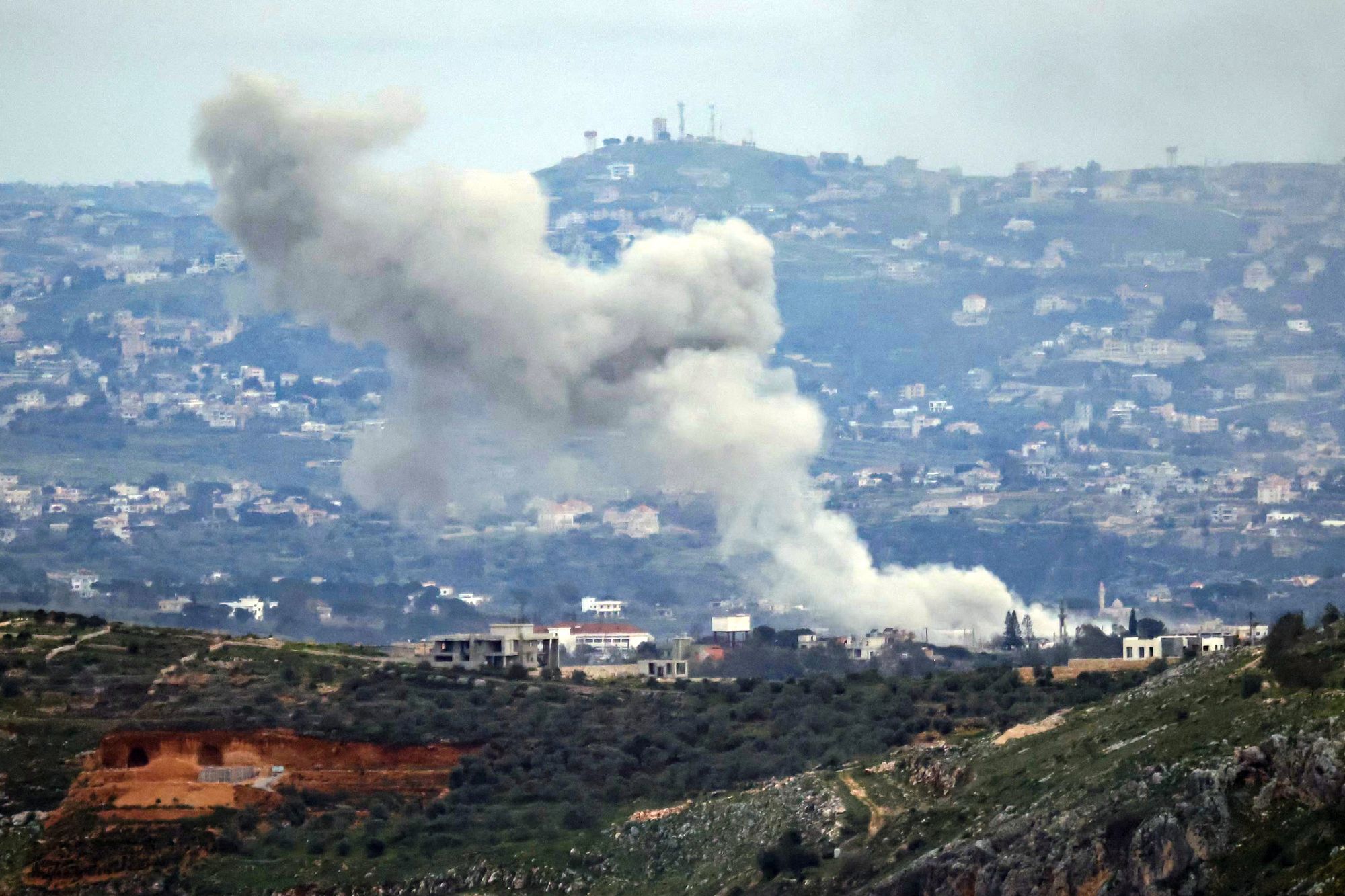
Israel has vehemently denied that it is committing a genocide in Gaza and against the Palestinians, contrary to reports by groups including the United Nations and Amnesty International.
“It is very important that Gaza is rebuilt by Palestinians,” the ambassador stresses. “Gaza is one of the oldest continuous human communities on earth. It has a rich and ancient history. All we ask: Israel out. Leave the rest to us.
“The core issue in the region is the issue of Palestine. You solve this, and you can establish a stable regional order.
“Palestine is the only issue. It is a prerequisite for peace and stability in the region. The time is now.”