

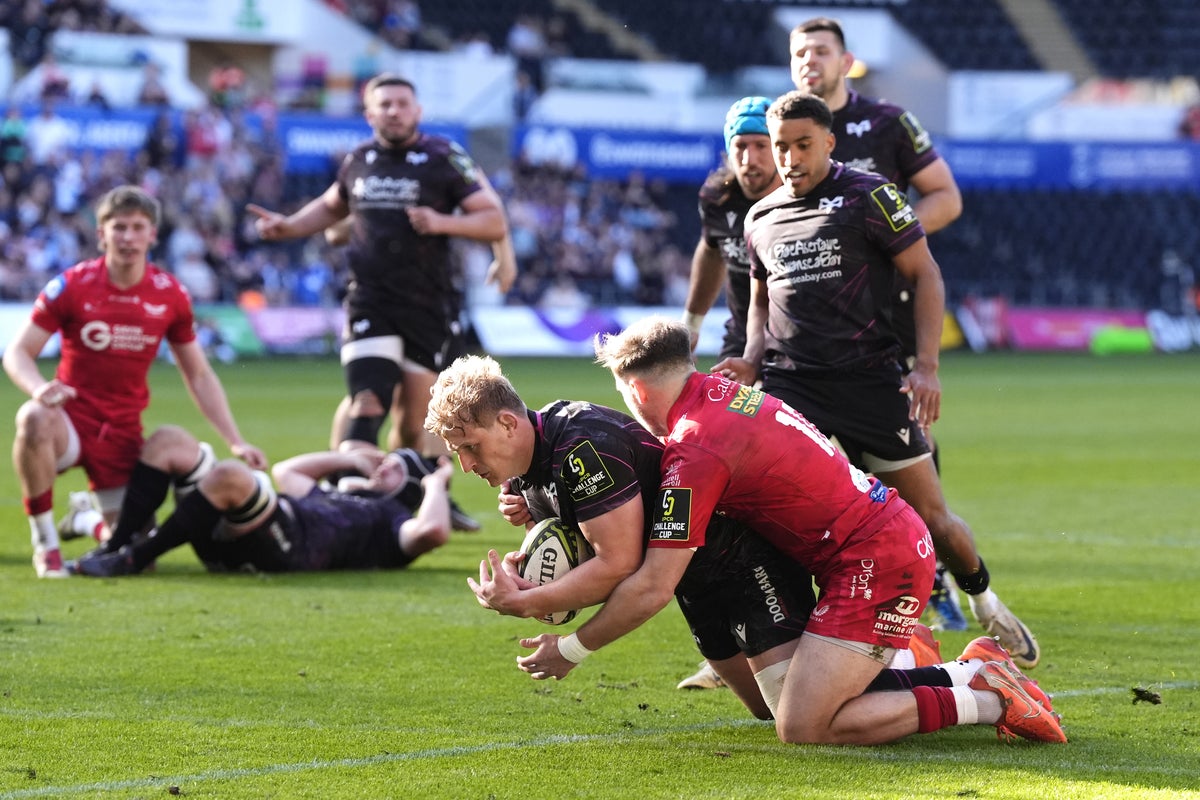
A backdrop of off-field chaos is not necessarily the way in which one would wish to embark upon a Six Nations campaign, but it is one nonetheless with which Welsh rugby is increasingly familiar. While Steve Tandy spent much of Monday finalising a squad for the tournament that he hopes can end a three-year wait for a win, those who sit above the Wales head coach held a board meeting at which the executive presented their chosen option in reshaping the elite domestic game.

The Welsh Rugby Union (WRU) has now entered into a “period of exclusivity” with its preferred bidder for Cardiff, which has been under union control since entering administration in April 2025. The identity of that bidder is believed to be Y11 Sport & Media – an investment firm that owns the Ospreys.
No deal has yet been signed, but the direction of travel would appear clear. Last year, the WRU proposed cutting one of the four men’s professional sides, expressing a preference for a team based in the east (the Dragons in Newport), the capital (Cardiff) and west of the country. That appeared to leave the Scarlets, based in Llanelli, and the Ospreys, who are set to redevelop the St Helen’s ground in Swansea later this year, as vulnerable.
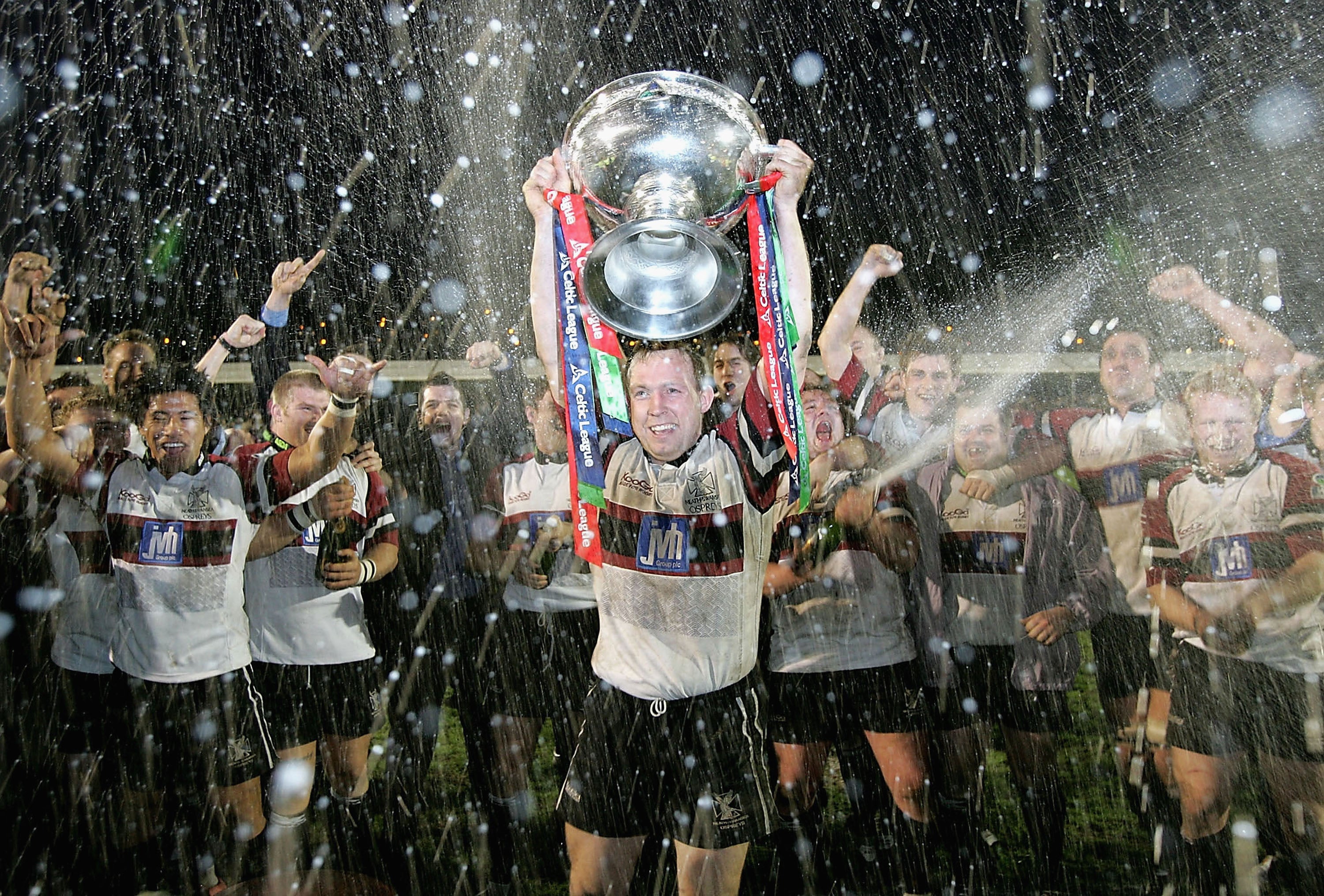
For supporters and stakeholders of the Ospreys, reports of Y11’s possible purchase of Cardiff have understandably caused angst. The most successful of the four remaining sides formed in the regionalisation process in 2003, uncertainty over their ground after leaving the Swansea.com Stadium – formerly shared with Swansea City – has perhaps caused destabilisation. While geographically close to Llanelli, if the Ospreys are to go, it would take professional rugby out of the nation’s second-largest city.
The WRU’s view is that fielding three equally funded teams is the optimal strategy for both on-field performance and off-field sustainability, having consulted with players, coaches, fans and stakeholders over a proposal to drop to just two sides. Its plans have, however, caused uproar, with Central Glamorgan Rugby Union attempting to force an extraordinary general meeting (EGM) and hold a vote of no confidence in Richard Collier-Keywood, the WRU chair. While most in Wales agree that something must be done to address an ailing rugby nation, finding compromise and concord increasingly appears impossible.
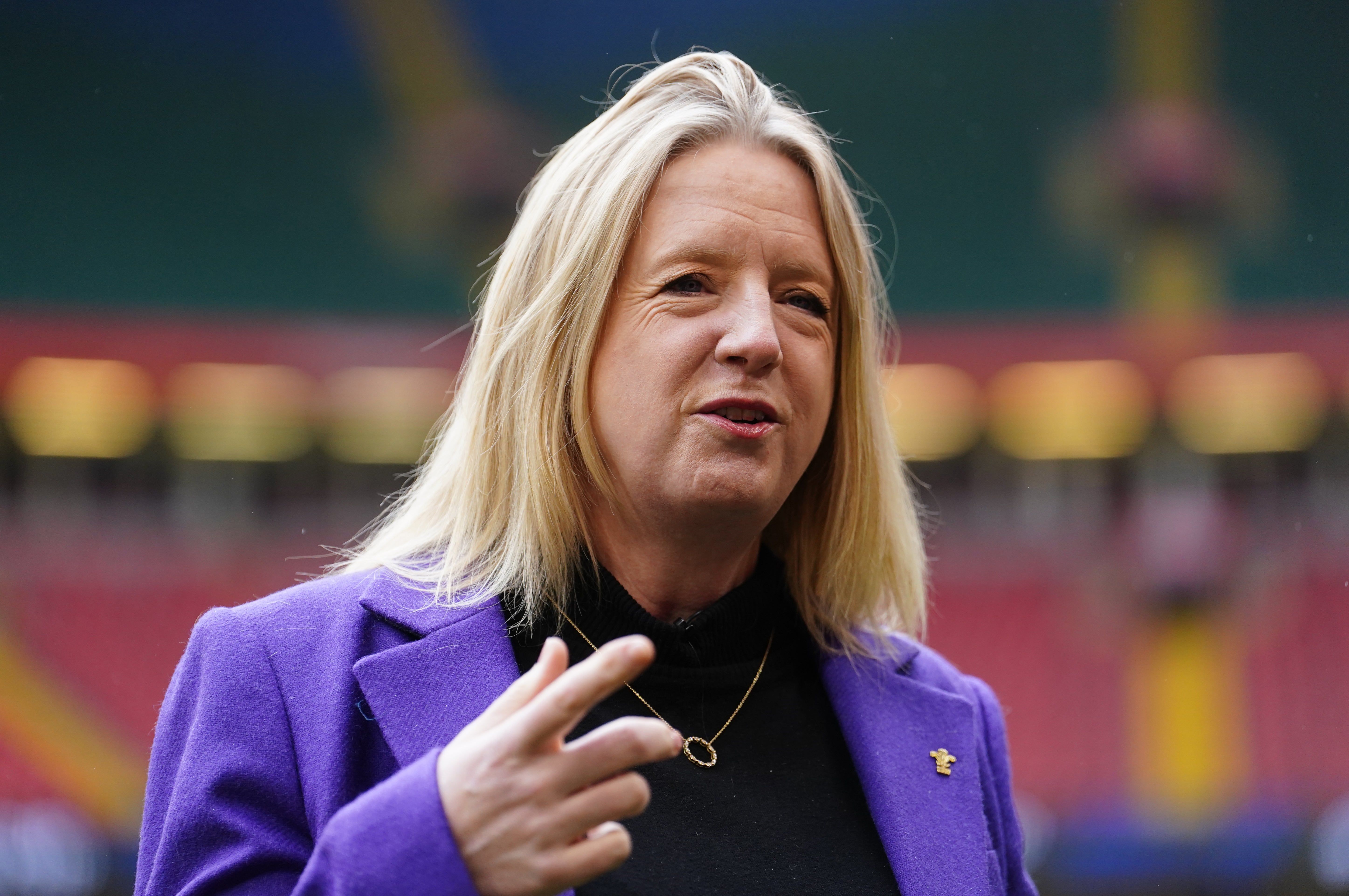
The WRU will anticipate yet more resistance to its proposals. Collier-Keywood and Abi Tierney, the chief executive, will appear in front of the Welsh affairs select committee in Westminster on Wednesday, while Dave Reddin, WRU director of rugby, has been a key driving force in the plans as he attempts to reshape the professional system to, in his words, “create one that is authentically Welsh”.
Agreement is still to be reached with the United Rugby Championship (URC) about the mechanisms and timing for withdrawal for one of the teams. Collier-Keywood has previously suggested that the WRU could enter a semi-professional side from Super Rygbi Cymru, which sits beneath the URC, although that would cause obvious issues and is thought to be unlikely. The three Welsh teams are committed to the competition until 2028, and will continue to play alongside the four Irish, four South African, two Scottish and two Italian clubs that comprise the league.
The URC has explored a possible expansion into the United States but met resistance from South Africa, which supplies four clubs to the cross-continent league, while exploratory discussions with English clubs like Ealing and London Irish are unlikely to progress with the Rugby Football Union (RFU) firm in its position that it will not allow clubs to play in overseas competitions.
RugbyPass reports that the Black Lion club in Georgia, regular competitors in the EPCR Challenge Cup, is now being looked at as an option, although there could be logistical and political issues with expansion into Tbilisi. An Anglo-Welsh league, long mooted and discussed by various hierarchies behind closed doors, is not yet thought to be on the table, with Prem Rugby committed to its own plans for the future, which are likely to include a franchising model.
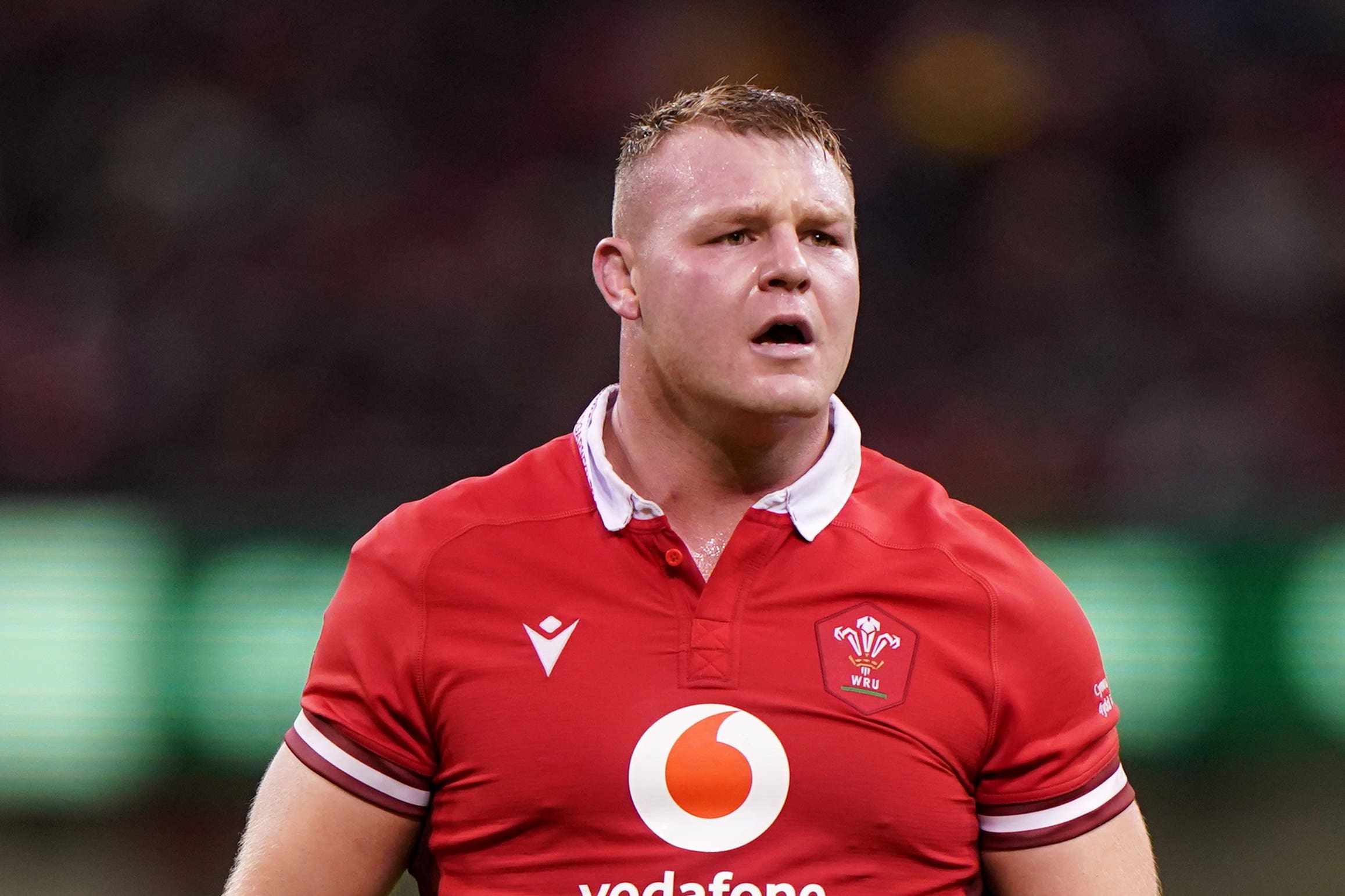
Again, though, the doubts within Wales are creating pressure on a player base already struggling to match their Six Nations rivals. Ospreys duo, and regular Welsh captains, Jac Morgan and Dewi Lake, have both elected to cross the Severn and sign for Gloucester next season, while back rower Aaron Wainwright has signed for Leicester Tigers from the Dragons. Fly-half Dan Edwards looked at one stage like he may also be bound for Welford Road, only to renew with the Ospreys, and talented No 8 Morgan Morse has done likewise. Edwards and Lake were two of seven inclusions in Tandy’s Six Nations squad from the Ospreys — what the future may hold for them, and all of the other employees, now appears entirely uncertain.