

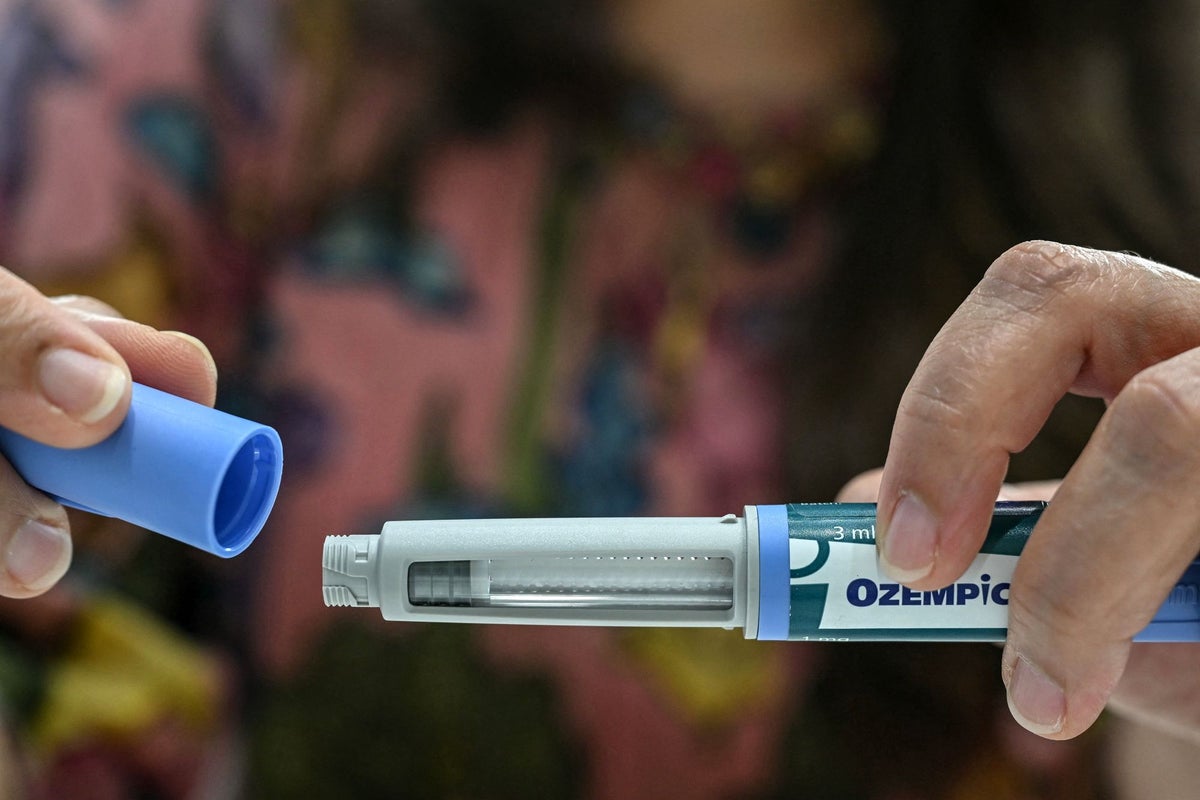
A 13-year study involving nearly 100,000 participants found that the GLP-1 medication semaglutide is associated with a substantial decrease in hospitalizations and sick leave for people already diagnosed with depression or anxiety.
The research, published in The Lancet Psychiatry by an international team from Griffith University, the Karolinska Institutet and the University of Eastern Finland, tracked Swedish national registers between 2009 and 2022.
Using a design in which each person acted as their own control, researchers found that patients using semaglutide experienced a 42 percent lower risk of hospitalization for mental health issues during periods of use, compared to periods when they were not taking the drug.
According to the findings, the risk of worsening depression was 44 percent lower among users, while the likelihood of worsening anxiety disorders fell by 38 percent. Hospital care and health-related absences from work linked to substance use disorders were also 47 percent lower during periods of semaglutide use.
The study also noted that GLP-1 medications as a group were associated with a reduced risk of self-harm.
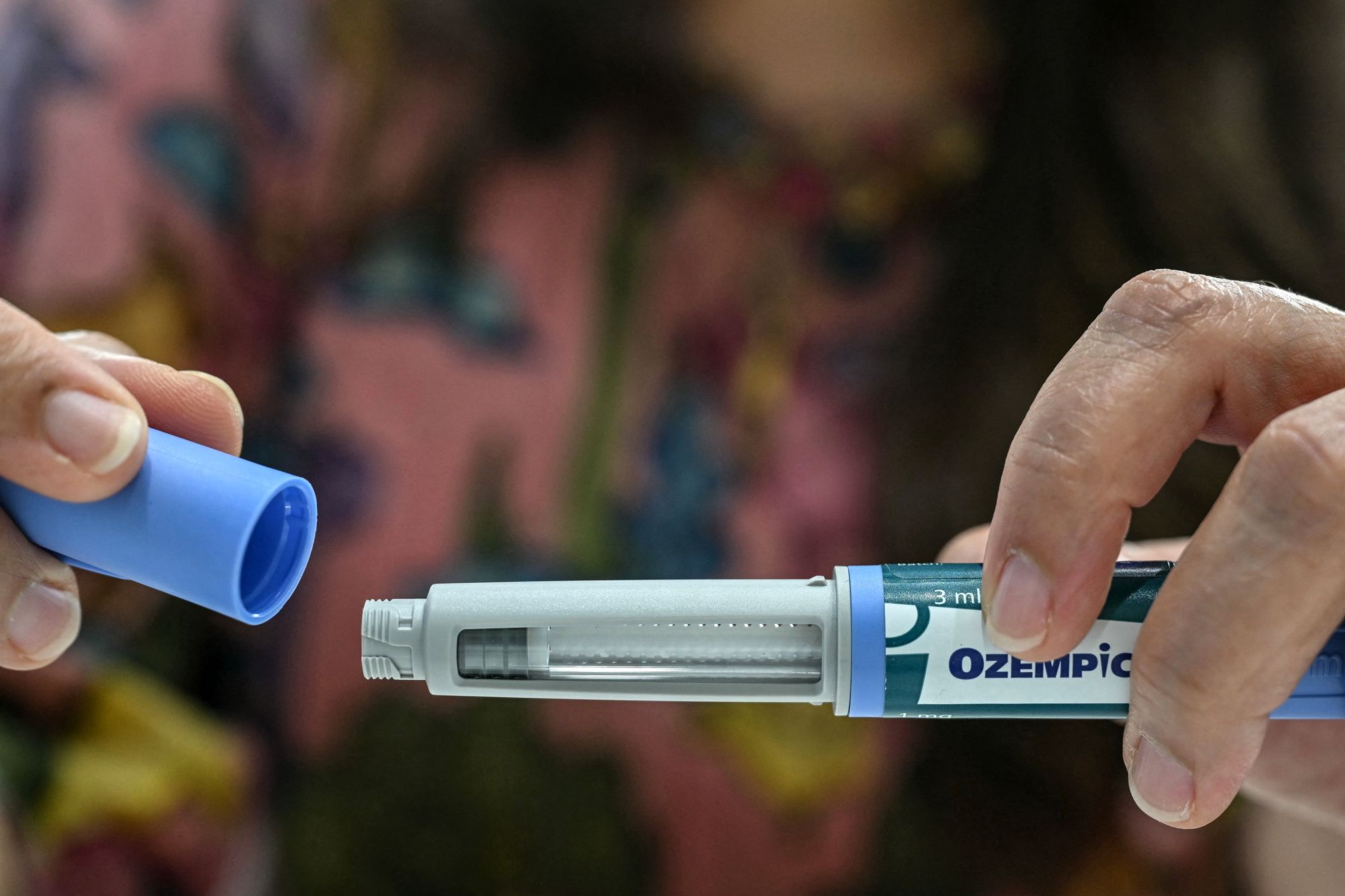
From a policy perspective, the researchers noted that the reduction in sick leave was of “particular interest.” Because depression and anxiety are now leading reasons for health-related sick leave, the study suggests the data could have implications for public health policy.
The authors also found that GLP-1 medications as a group were associated with a reduced risk of self-harm. They stated that this data countered earlier concerns regarding a potential increased risk of suicidal behavior linked to the drugs.
The researchers suggested that for patients with dual conditions — such as obesity or diabetes co-occurring with depression — semaglutide and, to a lesser extent, liraglutide may offer “dually effective therapeutic options.”
However, the authors cautioned that the results did not necessarily reflect a “class effect” for all weight-loss drugs. While semaglutide and liraglutide showed positive associations, other GLP-1 medications, such as exenatide and dulaglutide, did not show the same benefits.
Additionally, the study highlighted that prior evidence regarding whether these drugs improve or worsen psychiatric symptoms remains inconclusive, with some drug safety monitoring reports previously triggering regulatory reviews over potential links to suicidal ideation.
The researchers emphasized that, because this was an observational study, it could not prove that the medication directly caused the mental health improvements. Possible factors included better glycemic control, weight loss-related improvements in body image or changes in the brain’s reward system, though the study could not confirm the exact biological mechanisms involved.
The findings come as doctors continue to monitor the long-term safety of weight-loss drugs.
While the Swedish study highlights potential psychiatric benefits, the medications are also reportedly linked to a range of known physical risks. These include common gastrointestinal issues like nausea and vomiting, as well as more severe complications such as stomach paralysis, pancreatitis and bowel obstructions.
Additional clinical concerns include the risk of gallbladder-related issues and potential muscle mass loss during rapid weight loss. Some users have also reported hair loss, which experts often attribute to the physical stress of rapid weight loss rather than the drug itself.