

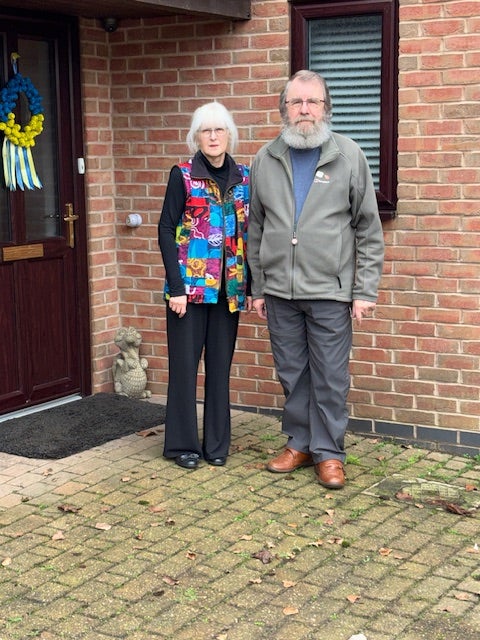
A couple who moved to the countryside to escape a sprawl of overdevelopment on the outskirts of London say they are devastated by plans for a huge solar farm around their new rural community.
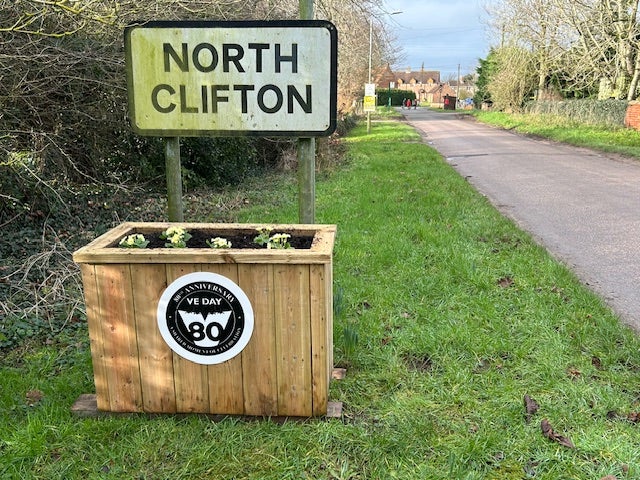
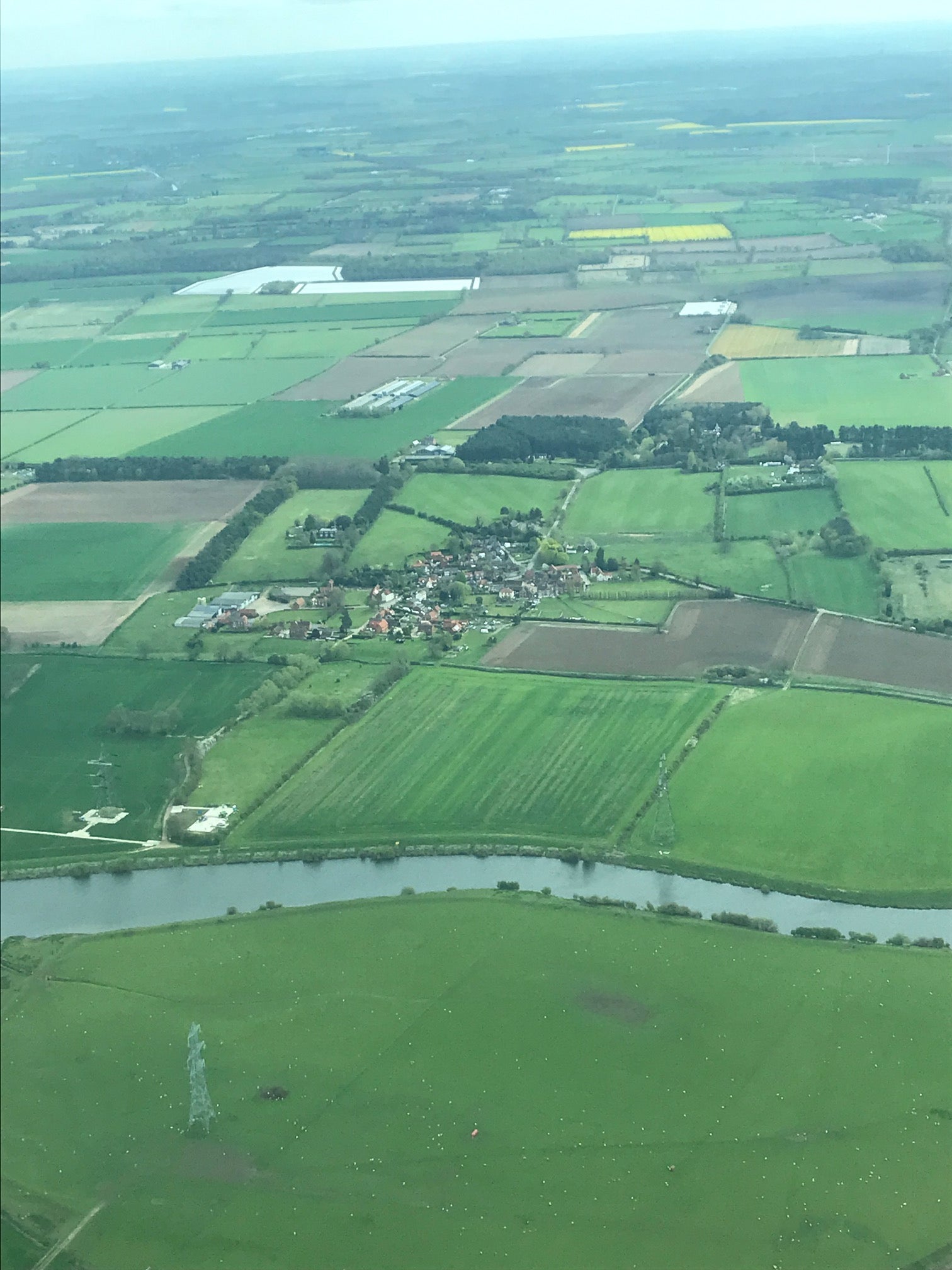
Chris and Maggie Firth said coming to the idyllic village of North Clifton on the bank of the River Trent in Nottinghamshire had been a “dream”, after spending £350,000 on a five-bedroom home in a modern estate six years ago.
But now the retired couple say they face becoming “collateral damage” in the building of a massive solar farm project, which, at 3,500 acres in size, would cover an area of around 2,200 football pitches.
The company behind it, One Earth Solar Farm, says the solar farm will provide enough electricity to power more than 200,000 homes a year, with energy secretary Ed Miliband set to make a decision on the plans this year.
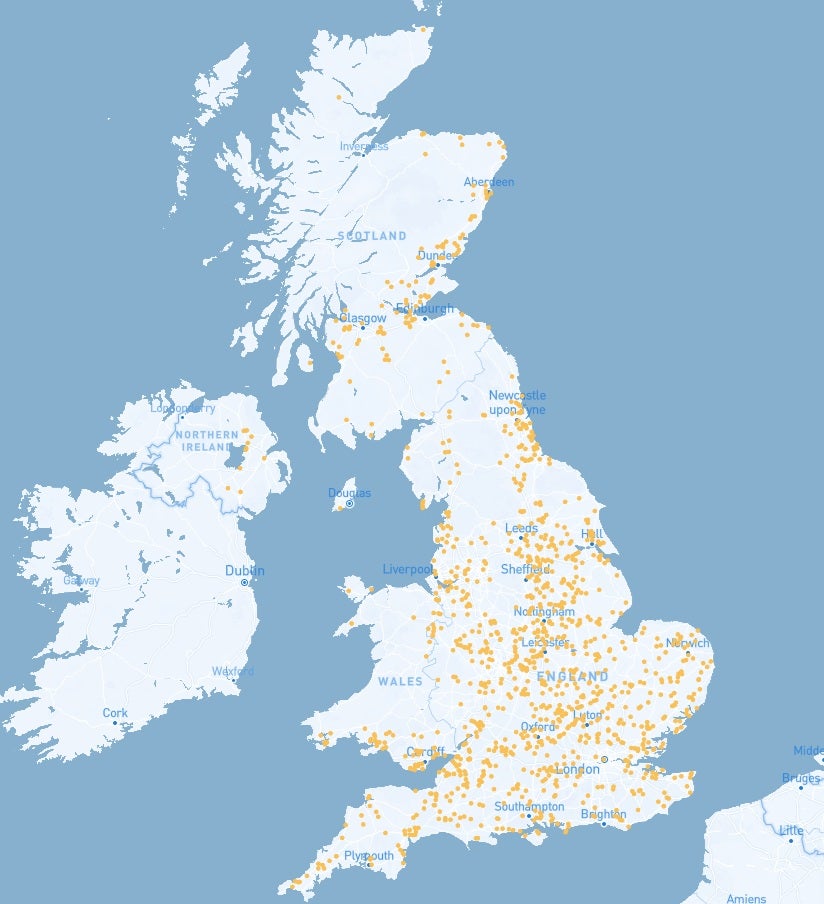
It is one of more than 1,100 UK sites earmarked for solar farms under proposals that have been approved or are going through the planning system, with the Labour government ramping up the number of projects given consent in the pursuit of a target for 95 per cent clean power by 2030.
Many of the farms are proposed in the countryside of Nottinghamshire and Lincolnshire, where almost all have been met with fierce local opposition.
In North Clifton, 98 per cent of residents surveyed said they were against the solar farm plan. The community has just 110 homes, and there are fears over the impact on the village school and church if people were to leave because of the development.
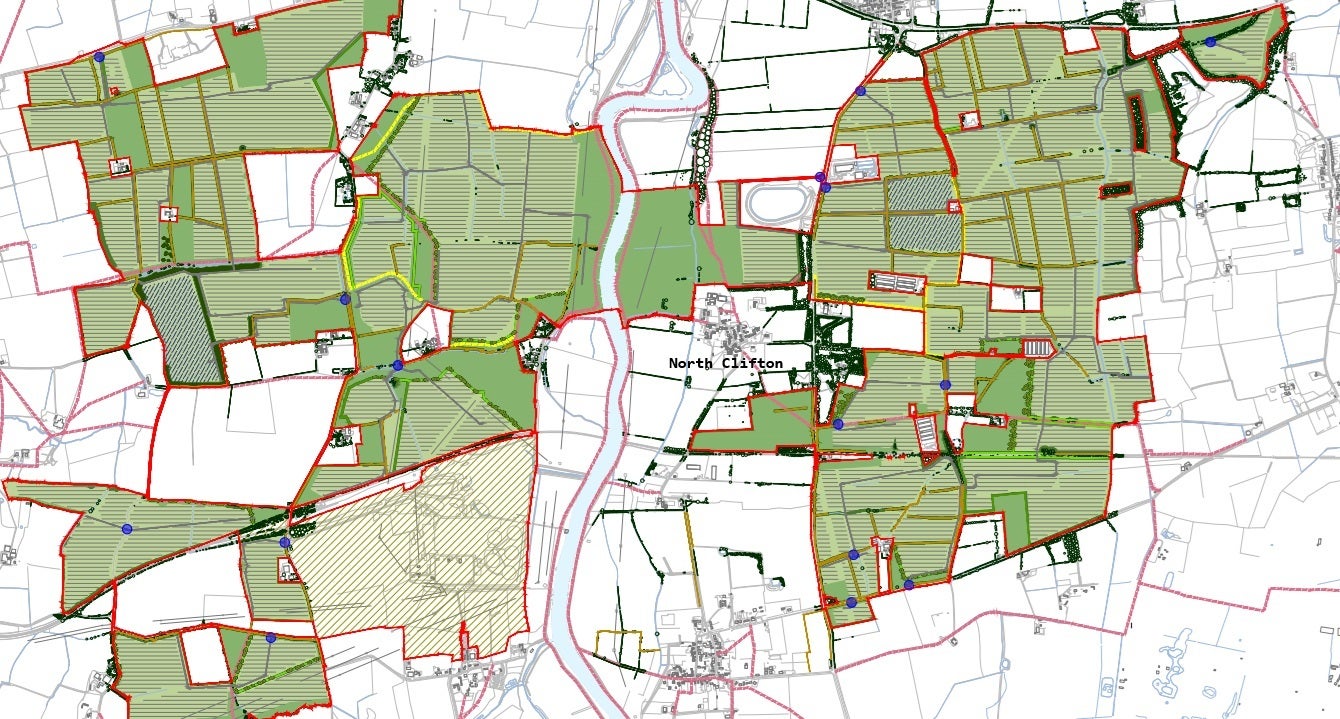
A masterplan of the solar farm shows the project boundary hugs the three sides of the village – although fields north and south of the village will be kept free of solar panels, the company said, after making “significant changes” after feedback.
Mrs Firth, a former finance worker, told The Independent: “After 30 years in Surrey, we moved away for our retirement from the M25 traffic, the overdevelopment and general stress of urban life. We found this beautiful, quiet hamlet and saw the house, it was like an instant dream moving in.
“We walked the dogs in the surrounding fields, got ourselves involved in rural village life.
“Then we heard about the plans for the solar farm, and when I went to the consultation, I just broke out in tears. The panels will literally surround the village, it will feel prison-like. You will have to go along way just to get away from seeing the damn things.
“We should be protecting our countryside, not running over it with solar panels and impacting rural village life. We’re just the collateral damage in the government’s pursuit of green energy, aren’t we?”
Mr Firth, 74, a former facilities manager, said the couple, who have solar panels on their home, would consider moving again if the plans were approved. “But what will that mean for the school, village life, house prices if everyone starts to move away?” he added.
The pair’s remarks have been echoed in the more than 100 comments of objection made against the solar farm to the government’s planning inspectorate. Fellow villager David White, who runs the Say No to One Earth Farm group, has also raised concerns over the use of land at risk of flooding.
In documents to the government, One Earth Solar Farm said it planned to raise solar panels further above the ground in some areas to mitigate the risk, while, it said, balancing this against their visual impact.
But villagers are already unhappy about the proposed height of the solar panels, up to 3.8 metres from the ground in some areas. A substation could also reach 13.5 metres in height, according to planning documents.
The company said it will also plant 14 acres of woodland and nine miles of new hedgerows, and that the solar panels and infrastructure will cover less than 2,400 acres of the overall site due to the land set aside for wildlife and environmental benefits. Fifteen full-time staff would also be employed at the site.
However, North Clifton parish chair James Radley said the loss of farming, and its knock-on for local employment, would likely counterbalance any jobs created. “It will decimate any feeling of rural life we enjoy,” he said.
Mr Radley said he understood farmers were being offered £1,000 an acre per year to have the solar panels on their land.
On Monday, the government awarded subsidies for renewable energy projects, including a contract for the 2,550-acre West Burton solar farm, to be built around 10 miles from North Clifton.
One Earth Solar Farm said it had consulted with the community for the past two years, making changes after each round of consultation, including moving solar panels away from homes and villages, shrinking the size of the farm and selecting a location for a substation that least impact on the community.
A spokesperson also said that components on the solar farm that make noise, such as batteries, substations and inverters, would be kept at least 100 metres from homes.
They added: “We have sought to balance the need for producing as much clean, home-grown energy as possible, while doing so in a way that is sensitive to the local community and environment.
“We are confident that our final proposals strike this balance, and are currently awaiting a consent decision from the Secretary of State for Energy Security and Net Zero later this summer.”
The government said all solar projects were subject to a rigorous planning process. A spokesperson said: “The biggest threat to agriculture and nature is the climate crisis. Solar is one of the cheapest and quickest forms of energy to build – getting us off fossil fuels and delivering energy security so we can get bills down for good.
“Even in the most ambitious scenarios, we only expect up to 0.4 per cent of total UK land to be used for solar by 2030.”