

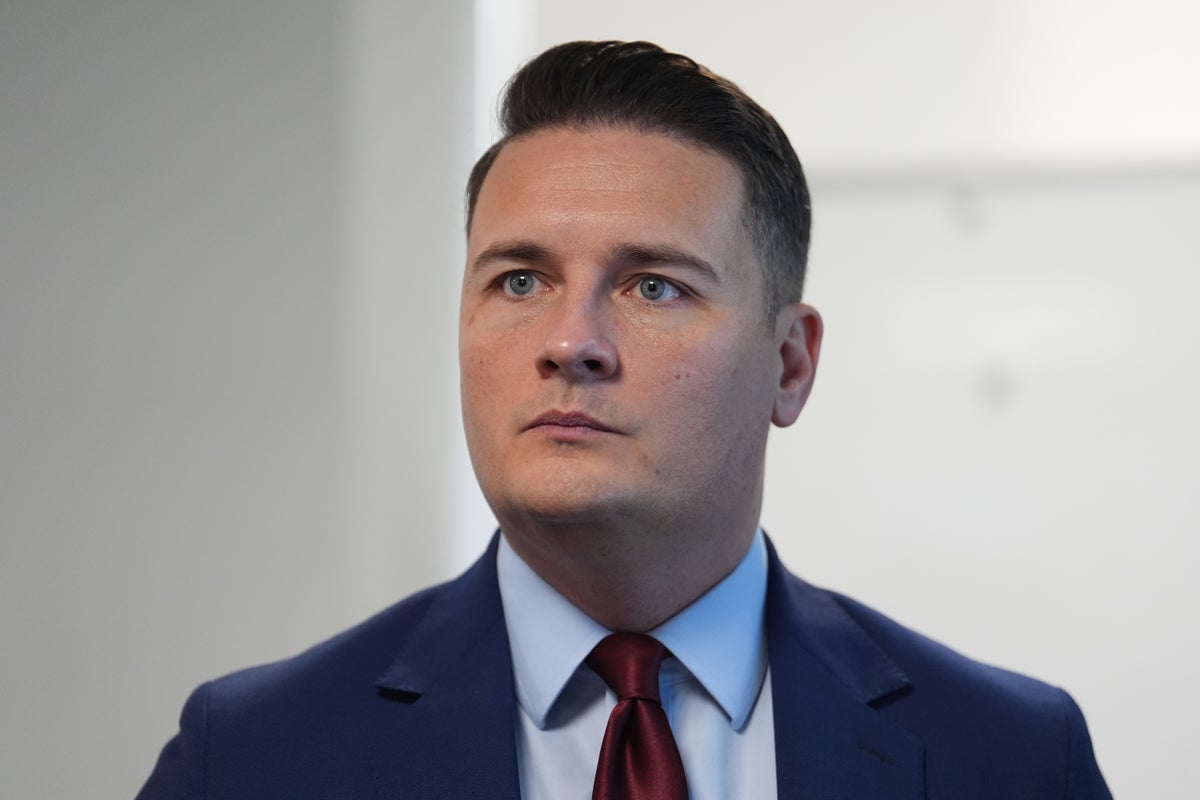
Victims of a cancer-linked pregnancy drug will meet with Health Secretary Wes Streeting on Monday as part of a push to get a public inquiry into what they believe is a “silent scandal”.
DES Justice UK (DJUK) is also seeking the creation of an NHS screening programme to identify those who may be at risk from exposure to diethylstilbestrol, commonly known as DES.
The campaign group has more than 500 members and includes women who took the drug, but also their daughters, sons and grand-daughters who have suffered issues such as infertility, reproductive abnormalities and increased risk of cancer.
DES – a synthetic form of the female hormone oestrogen – was prescribed to pregnant women from 1940 to the 1970s.
It was used to prevent miscarriage, premature labour and complications of pregnancy, as well as to suppress breast milk production, as emergency contraception and to treat symptoms of menopause.
According to DJUK, DES was prescribed to about 300,000 women over almost four decades.
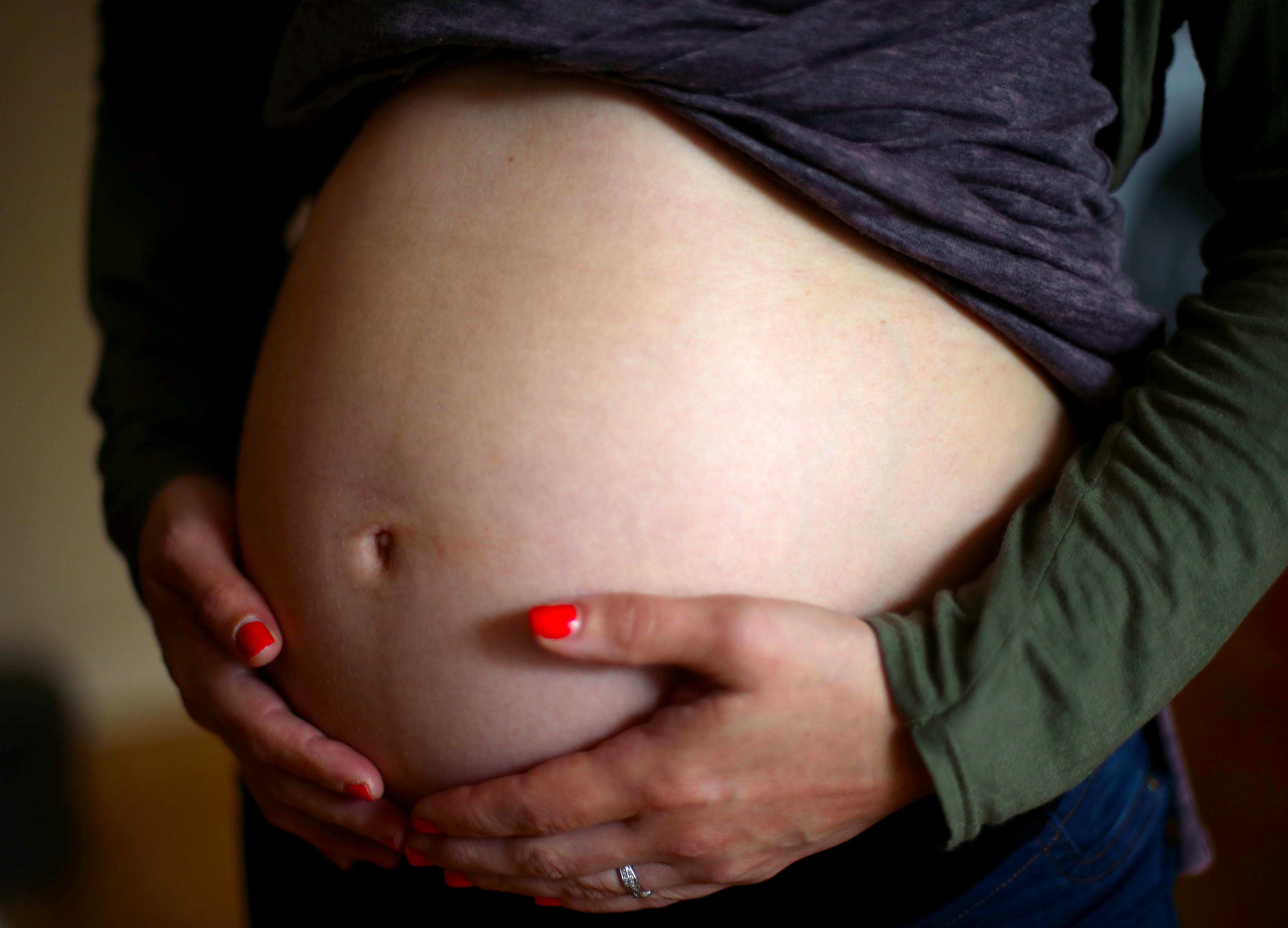
In 1971, it was linked to a cancer of the cervix and vagina called clear cell adenocarcinomam, leading to US regulators calling for it not to be given to pregnant women.
However, it continued to be prescribed to pregnant women in Europe until 1978.
DES is also linked to cancers such as breast, pancreatic and cervical.
DJUK is meeting with Mr Streeting to urge him to launch a public inquiry into the events.
In November, the Health Secretary told ITV News that the “state got it wrong” and apologised to victims.
He also urged those who think they may have been affected by DES to go to their GP.
Susie Martin, from Manchester, whose mother took DES, has had between 20 and 30 operations as a result.
The 55-year-old said: “The impact of this terrible drug cannot be underestimated as it has ruined and devastated so many lives, including my own.
“The physical and emotional pain has been unbearable. I always have this impending doom hanging over me that I will need further surgeries or develop cancer, and I am far from the only one.
“This has been the silent scandal for too long and I am grateful to my legal team that our voices are finally being heard.
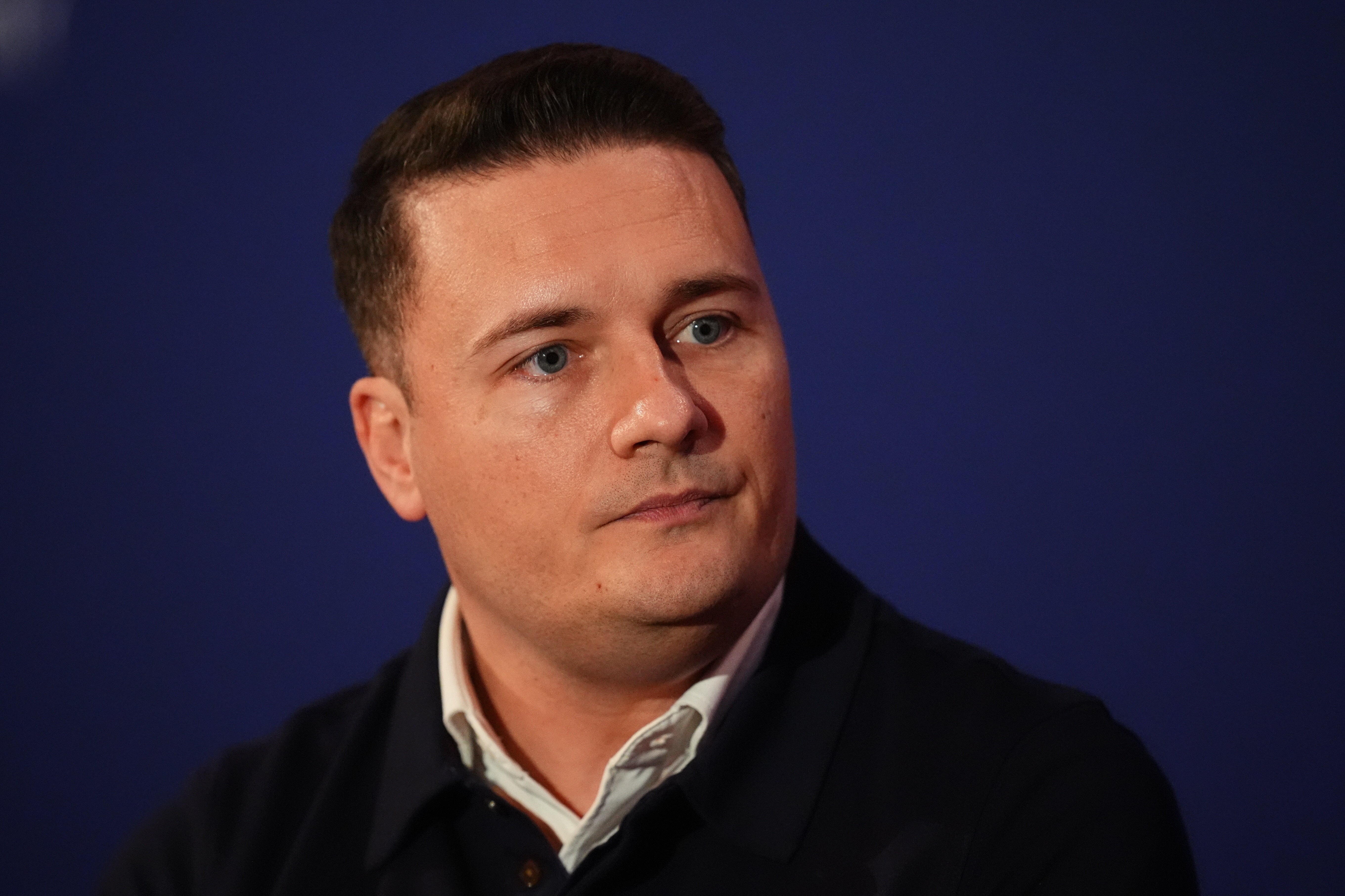
“While I am pleased that Mr Streeting is meeting us, it will only be significant if he actually pledges to do something for the victims of this shameful period in British medical history, including a screening programme and a full statutory public inquiry.”
Clare Fletcher, partner at Broudie Jackson Canter, who represents DJUK, said: “We are delighted that Wes Streeting has kept his word and is meeting with us, but words will only go so far.
“This is one of the biggest pharmaceutical scandals this country has ever seen and we are demanding answers as to how this drug could have been prescribed to so many for so long.
“The only way to get the truth is with a statutory public inquiry and I hope Mr Streeting will listen to us and give us the far-reaching investigation this scandal needs.
“The fact is that this isn’t a historic injustice as women and men continue to suffer today. It is a national disgrace that victims have been ignored, disbelieved and humiliated when all they wanted was fair treatment. It is time that they finally received some justice.”
Compensation schemes have been set up for DES victims in the US and Netherlands, but the UK does not have one.
A Department of Health and Social Care spokesperson said: “There are harrowing accounts of harm caused by the historic use of Diethylstilbestrol (DES). Some women and their relatives are still suffering from the associated risks of this medicine which have been passed down a generation, and haven’t been supported.
“The Secretary of State has been looking seriously at this legacy issue and carefully considering what more the government can do to better support women and their families who have been impacted.
“NHS England has alerted all cancer alliances to this issue so that healthcare professionals are aware of the impacts of DES and the existing NHS screening guidance which sets out the arrangements for those who show signs and symptoms of exposure.”