
U.S. diesel prices have surged dramatically, sparking fears that escalating costs will ripple through the economy — affecting groceries, shipping and construction — as the war in Iran stretches into its third week.
On Monday, the average price of a gallon of diesel reached $5 a gallon, marking the highest rate since December 2022 — the only other time it surpassed this worrying milestone, according to GasBuddy. On Tuesday, the average cost for a gallon of diesel stood at $5.04, up from $3.65 the previous month, according to AAA.
Diesel, the lifeblood of global commerce, powering freight and manufacturing, has long been vulnerable to geopolitical crises. The Iran war, launched by the U.S. and Israel on February 28, is no exception.
As the conflict engulfs the broader Middle East region, a number of nations have slowed their oil production, including Kuwait and Qatar. At the same time, tanker traffic through the Strait of Hormuz — a vital trade artery through which 20 percent of global oil passes — has ground to a halt.
Experts have warned that the elevated price of diesel, derived from crude oil, will trigger knock-on effects that will be felt by American consumers. Matt McClain, a petroleum analyst at GasBuddy, described the shift as an “extraordinarily sharp increase in a very short amount of time,” while energy economist Philip Verleger told Reuters that “the costs of all products will rise…”
President Donald Trump has said that oil prices will drop when the war is over, though he has refrained from providing any clear timeline. He added that increases are “a very small price to pay” for global security.
Here are some of the sectors that are likely to be impacted.
Groceries
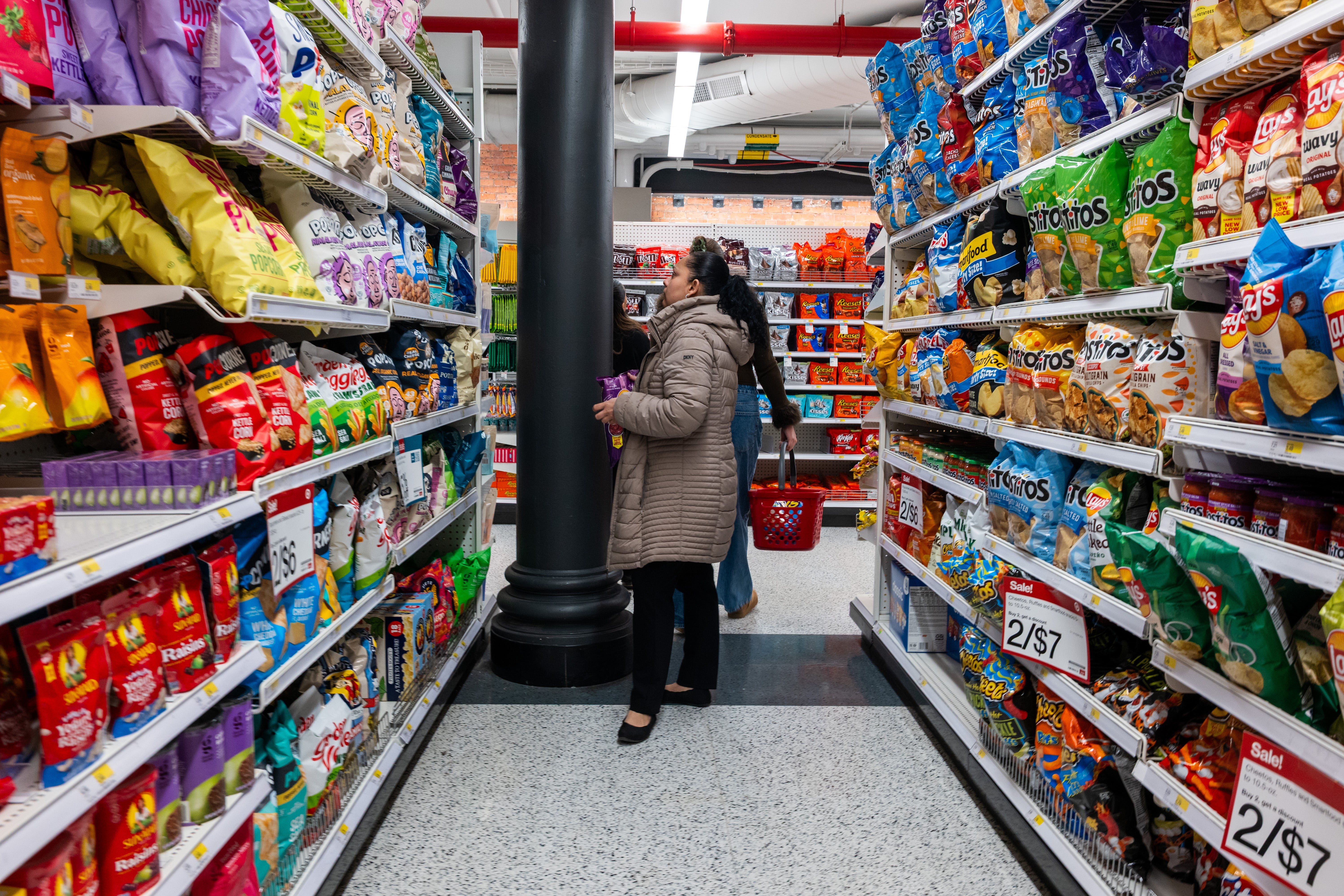
The cost of groceries is expected to tick up due to farmers’ reliance on diesel to operate agricultural machinery and to transport food across the nation, according to Forbes.
Trucks ship more than 80 percent of agricultural products and more than 90 percent of vegetables, fruit, nuts and dairy, according to the Department of Agriculture.
“Diesel is what moves the real economy. It hauls the food,” Paul Dietrich, the chief investment strategist at Wedbush Securities, told NBC News. “If the Iran war keeps diesel prices elevated, this becomes a direct hit on consumer prices. Groceries get more expensive.”
Shipping
Shipping prices are also expected to face increases.
Both UPS and FedEx, the biggest domestic trucking companies, have already lifted their fuel surcharge rates and instituted fees for shipments from the U.S to the Middle East.
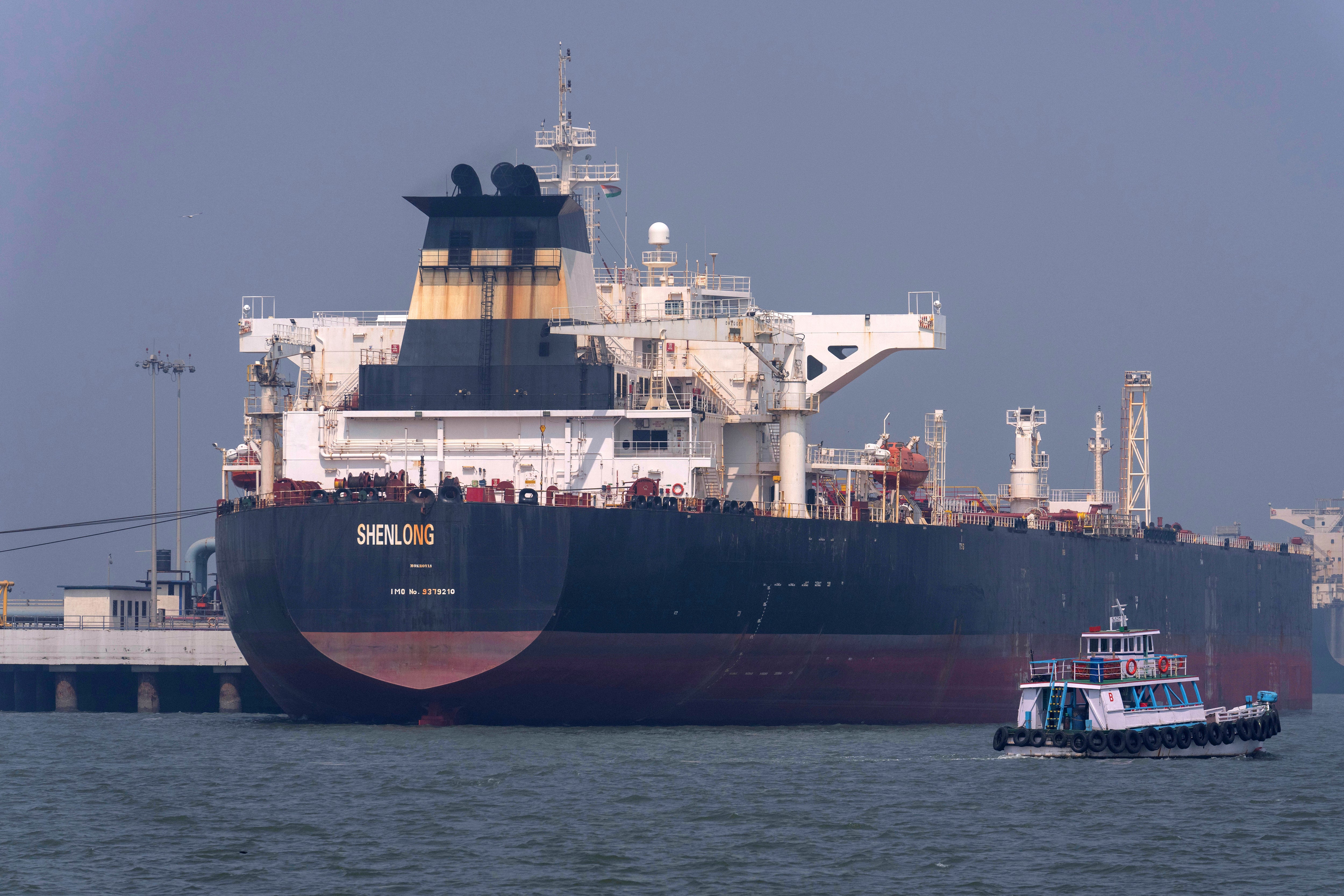
Container shipping fees could also tick up, as dozens of vessels remain trapped in the Persian Gulf.
“The longer the conflict continues, the more of an impact the charges and delays will have on supply chains,” Jonathan Gold, vice president of supply chain at the National Retail Federation, told The Wall Street Journal.
Construction
Climbing diesel prices could have implications for the construction industry as much of the equipment used in building runs on it.
Bulldozers, dump trucks and excavators use diesel, and many raw materials used in construction are moved on diesel-powered trucks, meaning the cost of homes and renovations could tick up, according to Forbes.
De Haan told CBS News that diesel spikes are “particularly disruptive” for construction companies since their budgets may struggle to adapt to sudden fuel surcharges.
Air travel
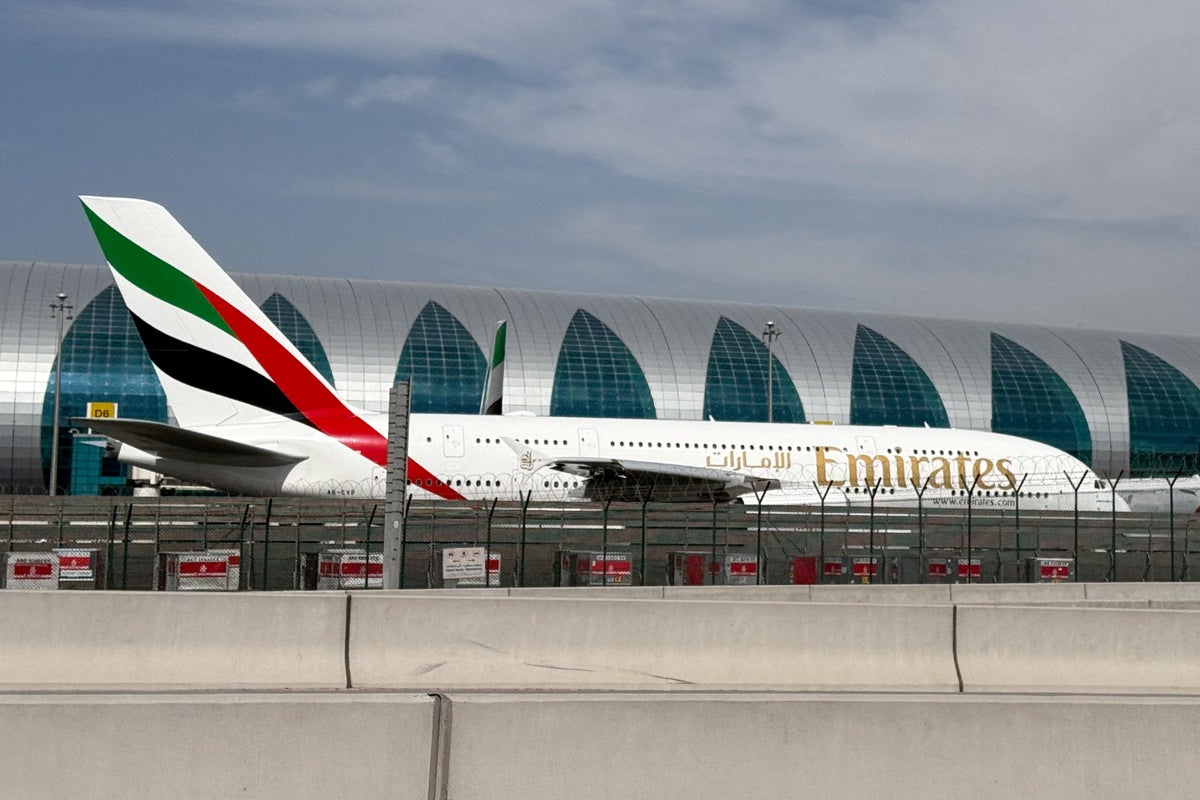
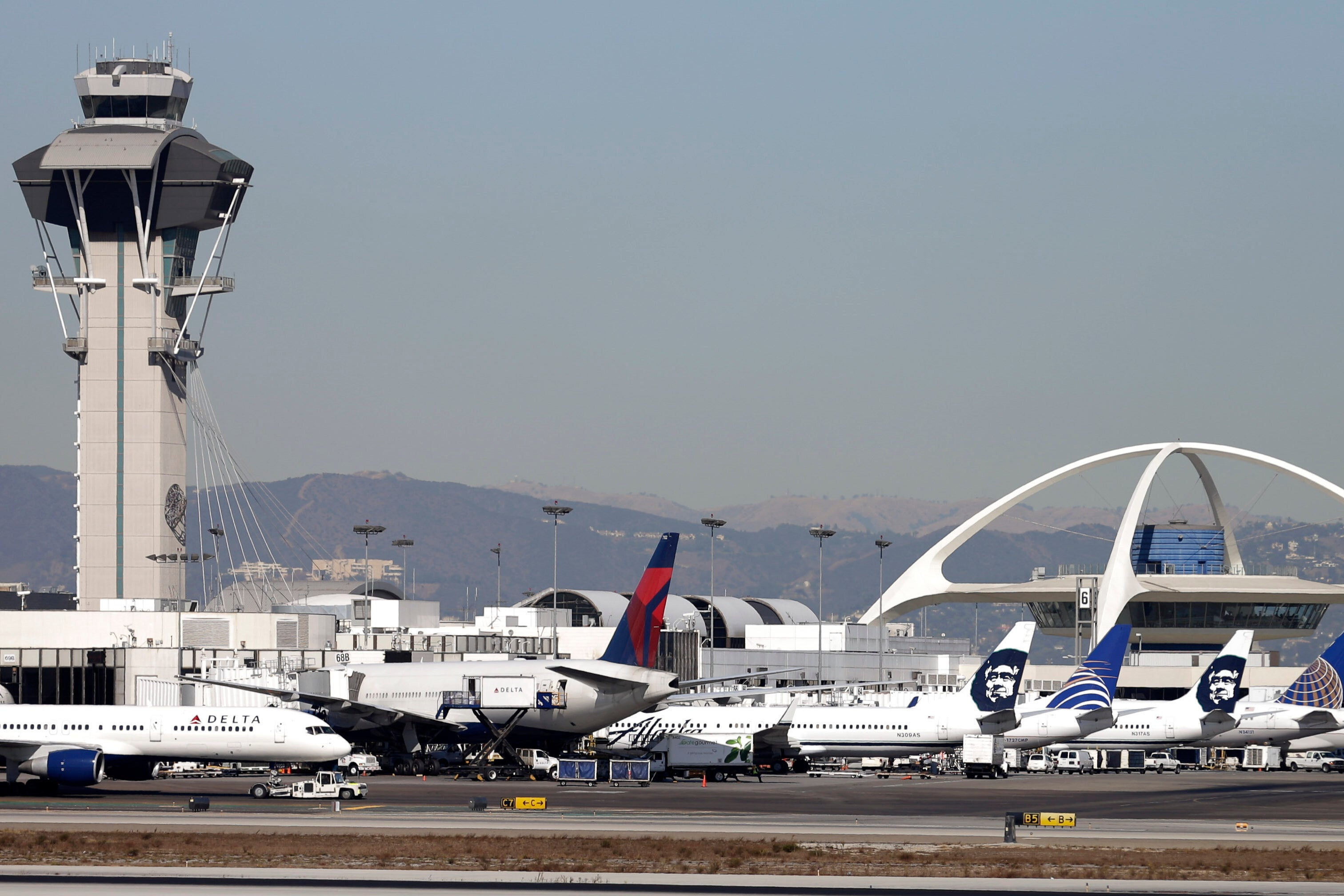
Air travel is also likely to be impacted by rising fuel prices. Though distinct from diesel, jet fuel comes from the same crude oil, tying them to a shared supply chain where price hikes in one influence the other.
The price for a gallon of jet fuel rose to $3.93 on Tuesday, marking an increase from $2.50 the day before the war broke out, according to Argus Media.
Matthew Kohlman, an expert at S&P Global, told The New York Times that jet fuel increases have outstripped even those of diesel. “While crude, gasoline and diesel have spiked considerably, they have not approached or broken record highs like jet fuel markets,” he said.
Multiple non-U.S. carriers have already implemented fuel surcharges or increased ticket prices, while U.S. airlines are more likely to incorporate those costs into base fares or change their fee models.