
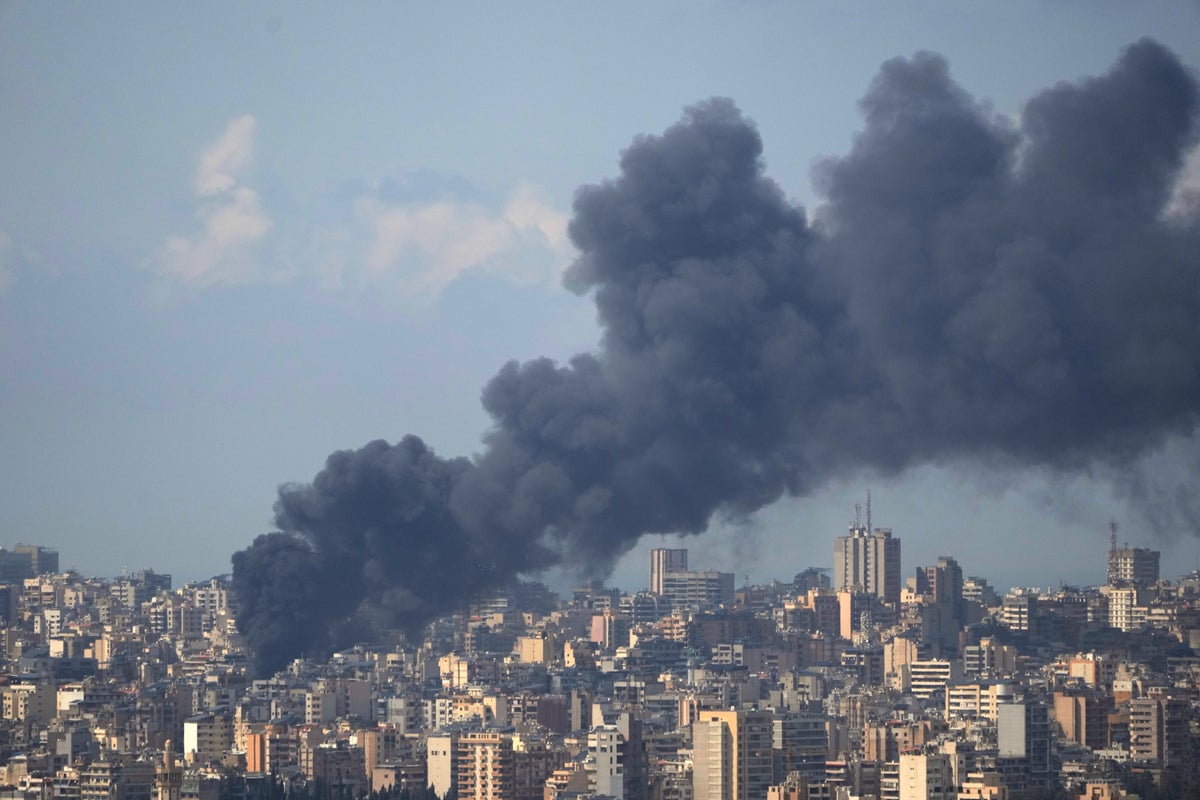
A ceasefire agreement between the US and Iran looked fragile hours after it was agreed, as Israel launched its biggest strikes yet on Lebanon and questions over the reopening of the Strait of Hormuz continue.
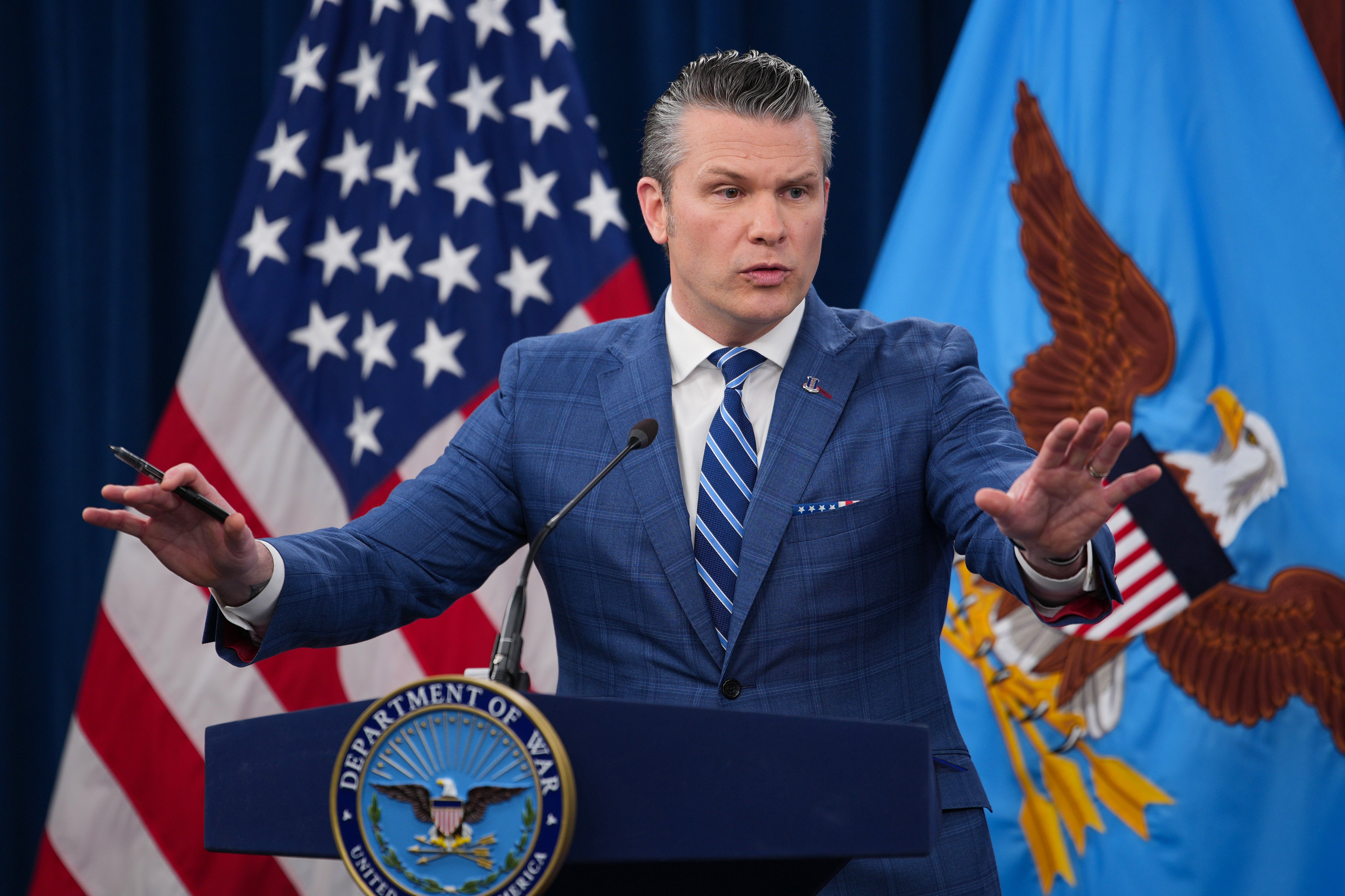
Defence secretary Pete Hegseth claimed that Iran had begged the United States for the two-week pause in hostilities, while people familiar with the talks said the White House pushed Pakistan to broker the 11th-hour deal.
In the first US briefing since the ceasefire took effect, Mr Hegseth declared a “capital-V military victory” over Iran and threatened to take its uranium by force unless it hands everything over, telling US troops to “stay ready”.
Uncertainty threatened to derail the truce as Iranian media reported that Tehran was already blocking the Strait of Hormuz over continued Israeli strikes on Hezbollah in Lebanon. Israel insisted that the ceasefire did not cover the parallel war in Lebanon, while Iran and mediator Pakistan said it did.

A senior Iranian official had said that the strait could be reopened in a limited way as soon as Thursday if the US keeps its end of the deal, while Donald Trump eyed a possible “joint venture” to charge ships for safe passage through the waterway.
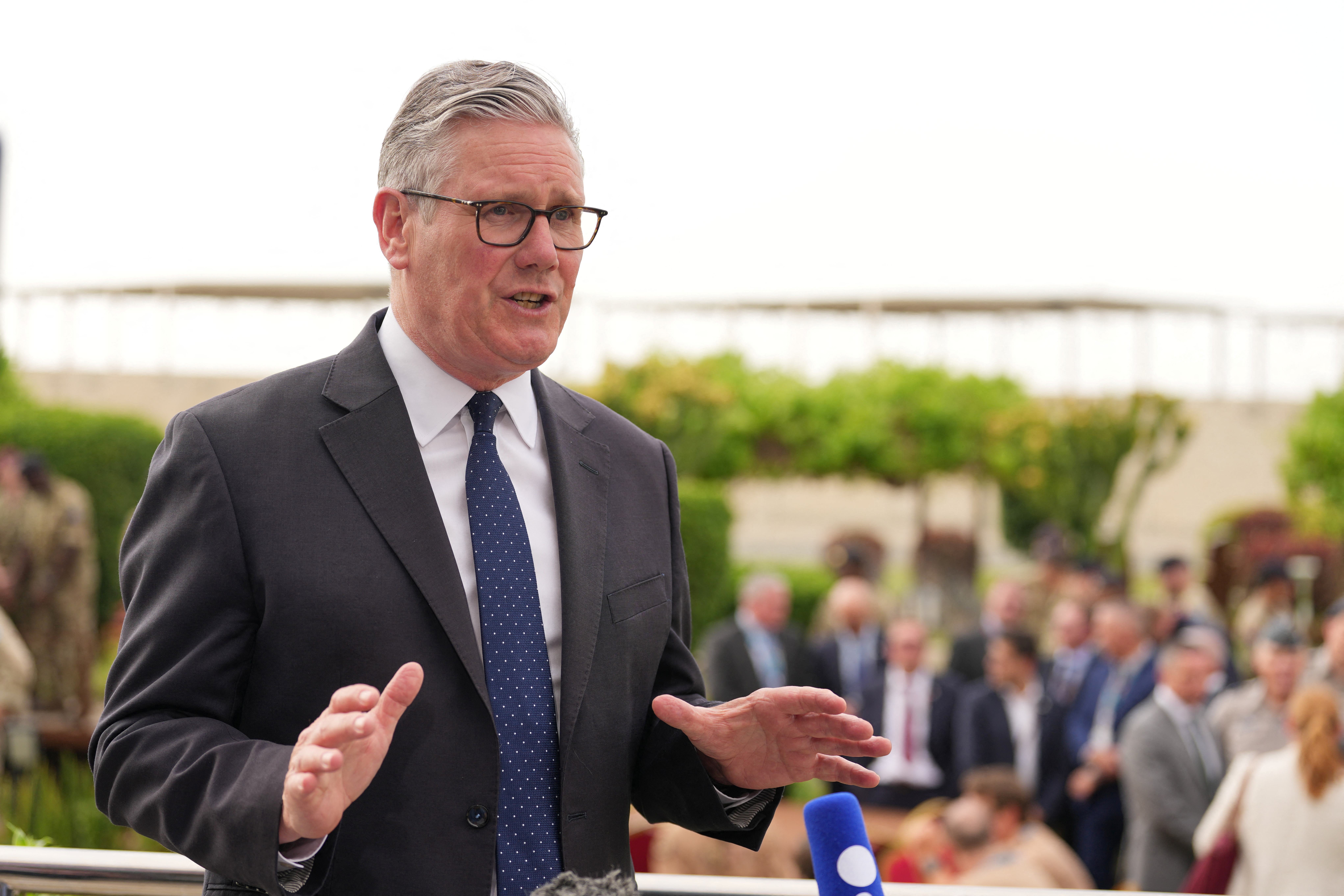
British prime minister Sir Keir Starmer said there was still “a lot of work to do” to reopen the channel and ensure the ceasefire holds during a visit to Saudi Arabia.
“We now … have a ceasefire, but there’s a lot of work to do, as you will appreciate, a lot of work to make sure that that ceasefire becomes permanent and brings about the peace that we all want to see,” he said. “But also a lot of work to do in relation to the Strait of Hormuz.”
Oil fell to $90 (£67) per barrel on Wednesday after President Trump announced the temporary truce late on Tuesday evening. A social media post hailing the deal came less than two hours before a deadline he had set for Iran to reopen the blockaded strait or face the destruction of its “whole civilization”.
People familiar with the backroom diplomacy told the Financial Times that the White House pushed for a temporary ceasefire through Pakistan even as Mr Trump publicly escalated threats against Tehran this week.
The Trump administration badgered Islamabad to convince Iran to pause the fighting and reopen the Strait of Hormuz, the sources said. A senior Iranian official told Reuters as recently as Monday that Iran would not open the strait for a temporary ceasefire.
According to the FT, Mr Trump was concerned about rising oil prices and surprised by Iran’s resilience when he sought a pause in the fighting to work on a more comprehensive peace agreement.
Mr Trump said the US had received a 10-point proposal from Iran, which he called a workable basis to negotiate. He insisted that the parties were already a long way towards reaching a definitive agreement for long-term peace.
Iran’s Supreme National Security Council sowed confusion by saying that the US had agreed to accept a maximalist Iranian plan, which was reported to include a number of elements the White House had rejected in past negotiations.
That plan also made no mention of Iran’s missile programme, which the Trump administration has sought to get on the agenda.
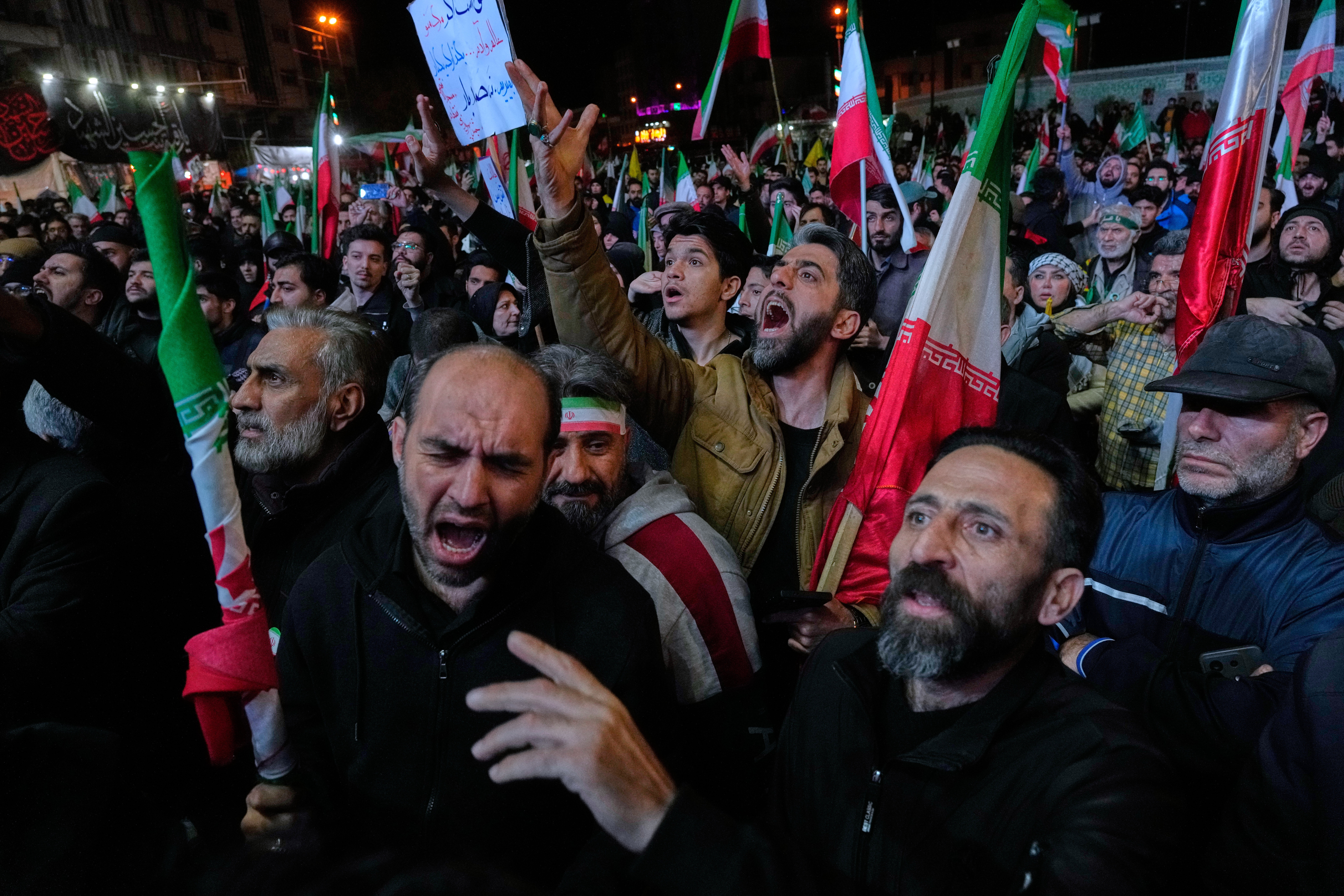
According to Iran, Washington “has, in principle, committed to” continued Iranian control over the Strait of Hormuz; acceptance of enrichment; lifting all primary and secondary sanctions; terminating all resolutions passed by the United Nations Security Council and the International Atomic Energy Agency; the withdrawal of US forces from the region; and a cessation of the war on all fronts, including Lebanon.
Confusion soon emerged as the Associated Press reported that “acceptance of enrichment” had been left out of English language versions of the plan seen by journalists. Mr Trump also published a post on Truth Social that did not refer to Iran’s 10 points, but the 15 points previously floated by the US and rejected by Iran.
Israeli prime minister Benjamin Netanyahu said Lebanon was not part of the ceasefire agreement, with Israel escalating its war against Hezbollah on Wednesday with a series of strikes.
Lebanon’s health minister said dozens had been killed and hundreds wounded. Residents said some of the Israeli strikes had come without the usual warnings for civilians to evacuate. Iran’s Tasnim news agency cited an unnamed source warning that Iran will withdraw from the ceasefire if attacks on Lebanon continue.
Long after the ceasefire was meant to take effect, Kuwait, the UAE and Bahrain all reported fresh Iranian missile and drone strikes, several of which targeted vital oil, power and desalination infrastructure.
Mr Hegseth suggested attacks were continuing because of poor command and communications issues. Iran also reported strikes on its territory.
The US president, meanwhile, welcomed Nato chief and so-called “Trump whisperer” Mark Rutte to the White House on Wednesday, after threatening to withdraw from the 32-member transatlantic alliance and denouncing Washington’s European allies for what he said was inadequate support of the bombing campaign in Iran.
As the ceasefire took effect, former British national security adviser Lord Peter Ricketts said that the war in the Middle East had been a “huge wake-up call” for Britain, and warned the government must now forget the idea of a special relationship between the UK and US.
“The idea of a special relationship we should now completely forget. It’s a transactional relationship with Washington as with every other country,” he told BBC Radio 4’s Today programme.