

Sewage was spilt from storm overflow drains into England’s rivers, lakes and seas at least once every two minutes last year, new figures show.
In 2025, the Environment Agency recorded nearly 300,000 incidents when untreated sewage spilled from the network into waterways, which should only take place in “exceptional circumstances” to prevent sewers being overwhelmed in heavy rainfall and backing up into homes.
In the second year of full monitoring of the network, there were 291,492 spills – the equivalent of more than one every two minutes.
However, spillages down more than a third (35 per cent) on 2024’s 450,398 pollution events, the figures from the Environment Agency show, and total spill duration nearly halved from the 3.61 million hours of sewage releases in 2024.
The data published by the Environment Agency shows an overall 48 per cent drop in the amount of hours of spills in 2025 compared with the previous year – with some water companies seeing reductions of more than 60 per cent and 70 per cent on 2024.
The figures show there was an average of 20.5 spills per overflow outlet, compared with 31.8 per cent in the previous year.
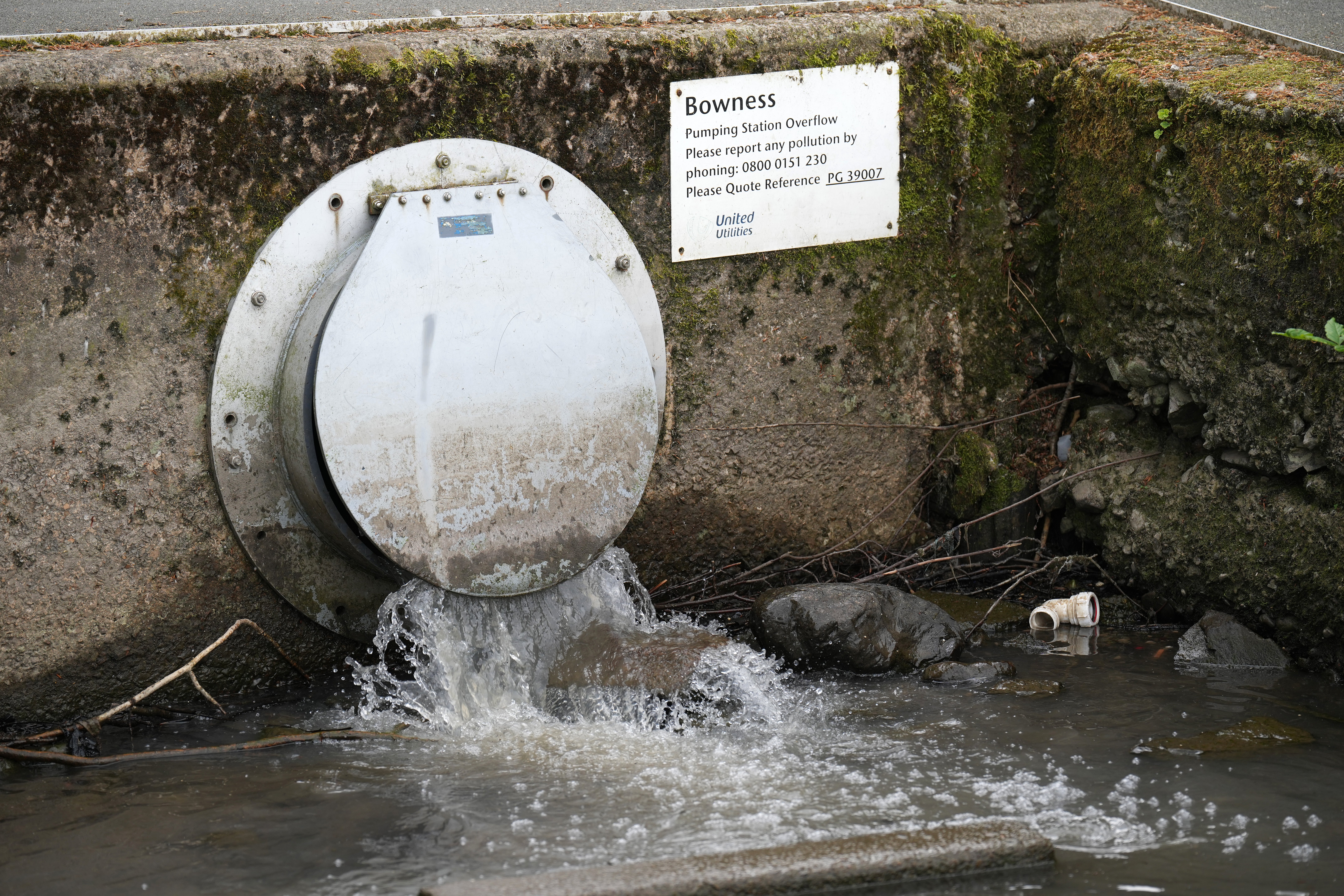
The Environment Agency said much of the improvement was due to the unusually dry conditions in 2025, which left swathes of England battling drought for much of the year, compared with a very wet 2024.
Water minister Emma Hardy said there was “still an unacceptable amount of sewage entering our waterways”.
A spokesperson for industry body Water UK acknowledged the role of the drier weather, but said a tripling of water company investment was also starting to have an effect.
But campaigners accused water companies of discharging sewage for thousands of hours on “dry days” in 2025, and warned they had already issued thousands of sewage alerts for pollution for English bathing waters this year.
Alan Lovell, chairman of the Environment Agency, said: “While these numbers are heavily influenced by rainfall levels in 2025, substantial reductions in spill duration and events are a clear win for people and the environment.
“It is vital that improvements to the sewage system are sustained over the long term, and the Environment Agency will continue to hold water companies to account where performance falls short.”
Ms Hardy said: “It is good to see that storm overflow spills are down since the previous year, but there is still an unacceptable amount of sewage entering our waterways and a long way to go in cleaning up our rivers, lakes and seas.”
.jpeg)
She pointed to action the Government was taking, from ringfencing “record investment” to legislation holding water companies to account, bringing in a single regulator for the industry, MOT-style checks on company assets and no-notice inspections.
A spokesperson for Water UK said: “Sewage spills are awful and we are working to end them as fast as we physically can.
“While the dry weather in 2025 will have led to fewer spills, we are also starting to see the effect of a tripling of water company investment.
“By building bigger storm tanks and expanding capacity at sewage treatment works, we will halve spills over the next five years.”
But Surfers Against Sewage said its analysis of data they FOI’d from the Environment Agency showed more than 187,000 hours of spills on “dry days”, when overflows should not be discharging, affecting 105 bathing waters, in 2025.
It also warned that it had issued 3,899 sewage alerts on its Safer Seas and Rivers Service app so far in 2026, more than double the number of alerts for the same period last year.
Giles Bristow, Surfers Against Sewage chief executive, said: “Don’t be fooled by the water company spin.
“They dumped sewage illegally for hundreds of thousands of hours on dry days, made scores of people sick, and polluted our so-called protected bathing sites.
“And just three months into 2026 their level of sewage dumping already dwarfs last year.
“This dirty business hasn’t changed a bit.
“The sewage scandal rages on.”