


In Britain, free entry to most museums and galleries is a point of national pride, up there with the NHS, properly brewed cups of tea and David Attenborough. But the fact is, someone has to pay for them, and the question of who is becoming an increasingly fraught one. Last week, Tracey Emin lit up the debate once more by suggesting that rich people should pick up the tab – or at least more of it.
In recent years, the discussion around free museums has only intensified. A lot has changed in the 25 years since the New Labour government introduced its policy guaranteeing universal free entry for visitors to the permanent collection of the UK’s national museums and galleries. There was a pandemic for one thing, which sapped their financial reserves and put more strain on a fundraising model already strained by the economic downturn. Access to EU cultural funds was reduced post-Brexit, and high-profile protests have led several museums to cut ties with big-ticket benefactors and encourage more scrupulous vetting of gifts. The Tate and the National Portrait Gallery, for example, no longer accept gifts by the Sackler family over their ties to the opioid crisis in America. They vigorously deny the allegations.
Some of this has been offset by a rise in ticketed temporary exhibitions (prices of which have also risen) alongside the free permanent collections. It’s a hybrid model popularised by the Tate and adopted by all the big museums who increasingly rely on blockbuster exhibitions of artists such as Lucian Freud and Lee Miller to help keep the likes of Van Gogh’s “Sunflowers” and Da Vinci’s “Virgin of the Rocks” open to all. That said, it doesn’t recoup enough: running costs have shot up; visitor numbers have fallen; and government grants are failing to bridge the gap. Between 2010 and 2023, core funding for UK arts and cultural organisations fell by 18 per cent.
But while free entry is all well and good, who is footing the bill? The short answer is no one, or rather, not enough people. It’s a patchwork of funding and the result is museums that are in dire financial straits. Last week, the National Gallery announced that it would be making significant cuts in the face of an £8.2m deficit in the coming year. This could mean fewer public programmes, less international borrowing of artworks, and higher ticket prices. The gallery is not alone; in its latest survey, the Museums Association found 61 per cent of respondents had planned service cuts in 2024 to 2025, compared to 51 per cent the previous year. The Tate, meanwhile, is operating with a deficit budget, and last year cut 7 per cent of its workforce in an effort to reduce the funding deficit left over from the pandemic.
Emin included herself when she said that wealthy people should be automatically taking out memberships at museums and making donations in order to keep them free for the wider public. The grand dame of the YBA generation has long fought to make art accessible for all with her foundation in Margate that offers studio space, residencies, and mentorship to those who might otherwise struggle to get a toehold in the art world. Her point of view frames funding museums as a civic obligation, a moral duty of those who can afford it – coinciding with the long-held belief that art is a right, not a luxury. It would make a “hell of a difference” if people with deep pockets dug into them a little deeper, said Emin.
Emin isn’t the first to spotlight private donors as lifelines for museums in a funding crisis. Speaking in January, V&A director Sir Tristram Hunt suggested that ministers be more openly grateful to the power patrons of UK arts institutions – and urged Rachel Reeves to do more to entice generous non-doms back to British shores after tax changes in the 2024 Budget triggered an exodus. “Philanthropically minded individuals” should be welcomed, he said, pointing to two “game-changing” £150m donations made to the National Gallery in 2025 by Silicon Valley investor Sir Michael Moritz and his wife Harriet Heyman, and the Julia Rausing Trust.
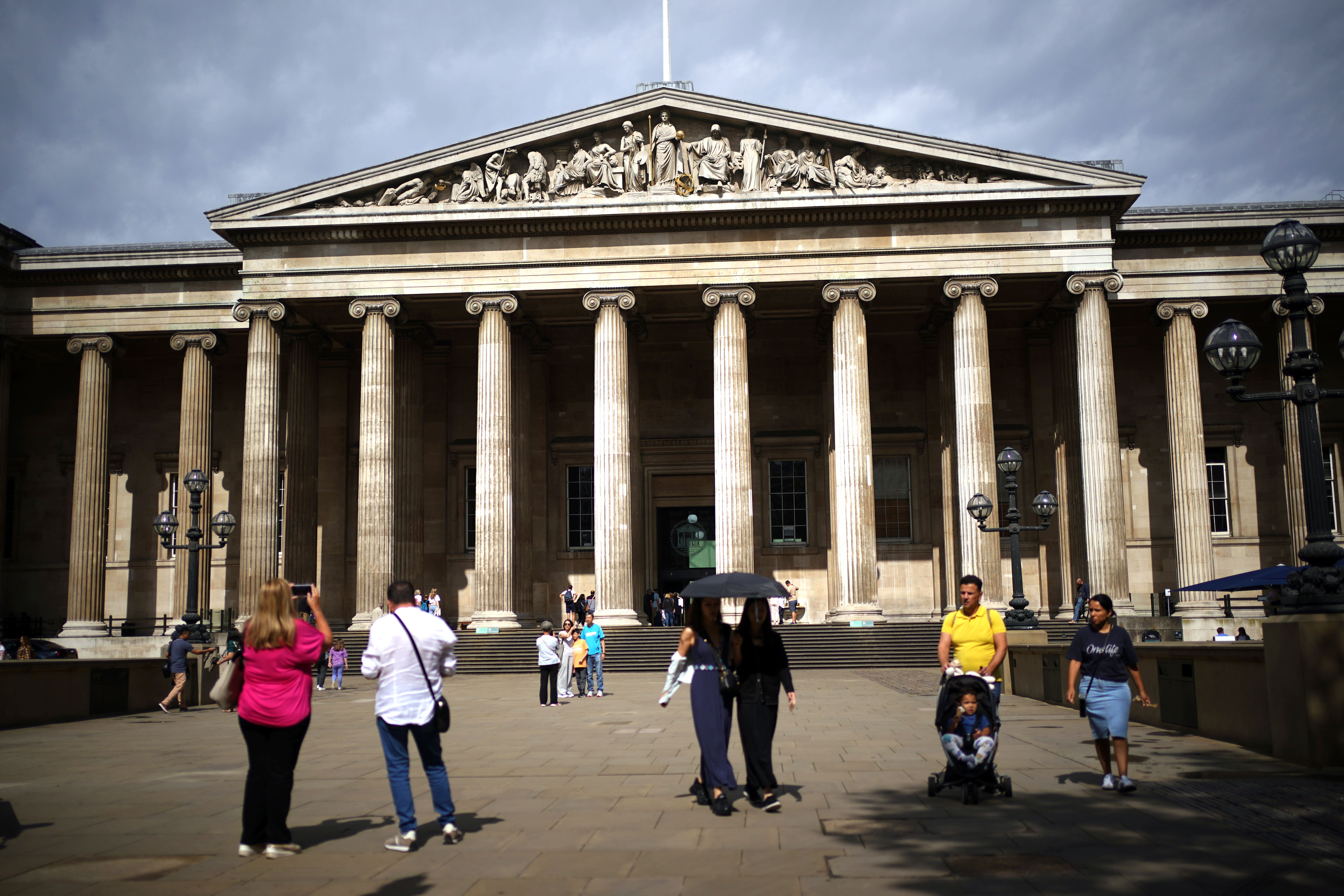
This year’s most anticipated exhibition is likewise brought to you by a Belarusian-American hedge fund billionaire. In a few months, the Bayeux Tapestry will touch down at the British Museum from Normandy thanks to a sponsorship deal with Igor Tulchinsky. Valued at about £5m, according to the Financial Times, it’s the biggest ever in the museum’s 273-year history. In a speech last week, George Osborne, chair of the British Museum and ex-Conservative chancellor, personally thanked Tulchinsky for “step[ping] up to the plate in a way we never imagined possible”. The museum will likely benefit financially and reputationally from this historic loan, which is expected to be one of the most popular shows in the British Museum’s history.
So, is it a simple case of richer people stepping up? Yes and no, suggests Alison Cole, the director of the Cultural Policy Unit think tank. “Membership schemes are a great way for the public to support museums, but they are no substitute for proper and sustained government investment.” Likewise, Jenny Waldman of Art Fund, whose National Art Pass is one of the UK’s most extensive cultural membership schemes with more than 148,000 members, agrees that while donations and memberships make a real difference, “ultimately, with or without [that] additional support, our museums need sustainable, long-term public funding”.
At this stage, the most likely proposal is the rollout of tourist fees, with some critics arguing that the current state of play means the UK taxpayer is effectively subsidising tourism. Charging overseas visitors might seem ludicrous at first glance – free cultural offerings have always been one of the main attractions for international tourists – but look around and you’ll see the UK is the outlier. From the Louvre and the Mauritshuis to the Metropolitan Museum of Art and the Museo del Prado, an entrance fee for foreign audiences (and sometimes also for domestic) is the norm.
The results speak for themselves. Last year’s major revamp of the Louvre was partially funded by foreign tourists and their €32-a-pop tickets. (Plans to line the French coffers further by relocating the Mona Lisa to its own room with its own price bracket have seemingly been parked but not scrapped entirely.) It’s no wonder then that the idea has gathered support from figures including Sir Tristram Hunt and Roy Clare, the former head of Royal Museums Greenwich. Earlier this year, Clare suggested that a more “sophisticated approach” to free entry would be fruitful. “I’m not opposed to free entry, but I don’t think it has to be free for everybody, as it were, 24/7 or 365,” he told The Telegraph.
Mark Jones, meanwhile, the former director of the Victoria & Albert Museum, and former interim director of the British Museum, called free entry a “regressive and inequitable” policy that is overwhelmingly benefiting “tourists who, by their nature, are not particularly hard up – otherwise they wouldn’t be coming to London”.

His view, however, is not one shared by his successor at the British Museum, Nicholas Cullinan, who has steadfastly maintained the importance of free entry since his appointment as director in 2024, going so far as to cite it as one of the reasons he chose to stay working in the UK. “There are no plans to charge visitors for general entry to the British Museum,” said a spokesperson for the museum, pointing to its history as the world’s first, free, national, public museum in 1759.
Cultural policy unit head Cole similarly warns against “easy answers” to a complicated problem, and speaks of the “negative unintended consequences” that a tourist museum fee might bring. “For instance, any slight behavioural change in overseas visitors, particularly those from the US or China, will disproportionately affect national museum footfall, income, and reduce tourism spend in shops, cafes and the surrounding area,” she said. Indeed, evidence shows that charging at the door decreases attendance just as long queues do, with a knock-on effect on spending in museum shops and catering.
As a cultural idea, it is also counterproductive and fractious, says Cole: “At a time of increased atomisation, do we really want to set up a type of border control at our national museums?” Instead, the think tank proposes a small tourist levy instead, an average of £3 to £5 a night that would mimic charges in cities such as Paris and Berlin, and help to fund museums while limiting the impact on tourist spending power. Waldman of the Art Fund is on the same page, pointing out the difficulty of museum fees for tourists, given that there is no ID card system in place for UK citizens.
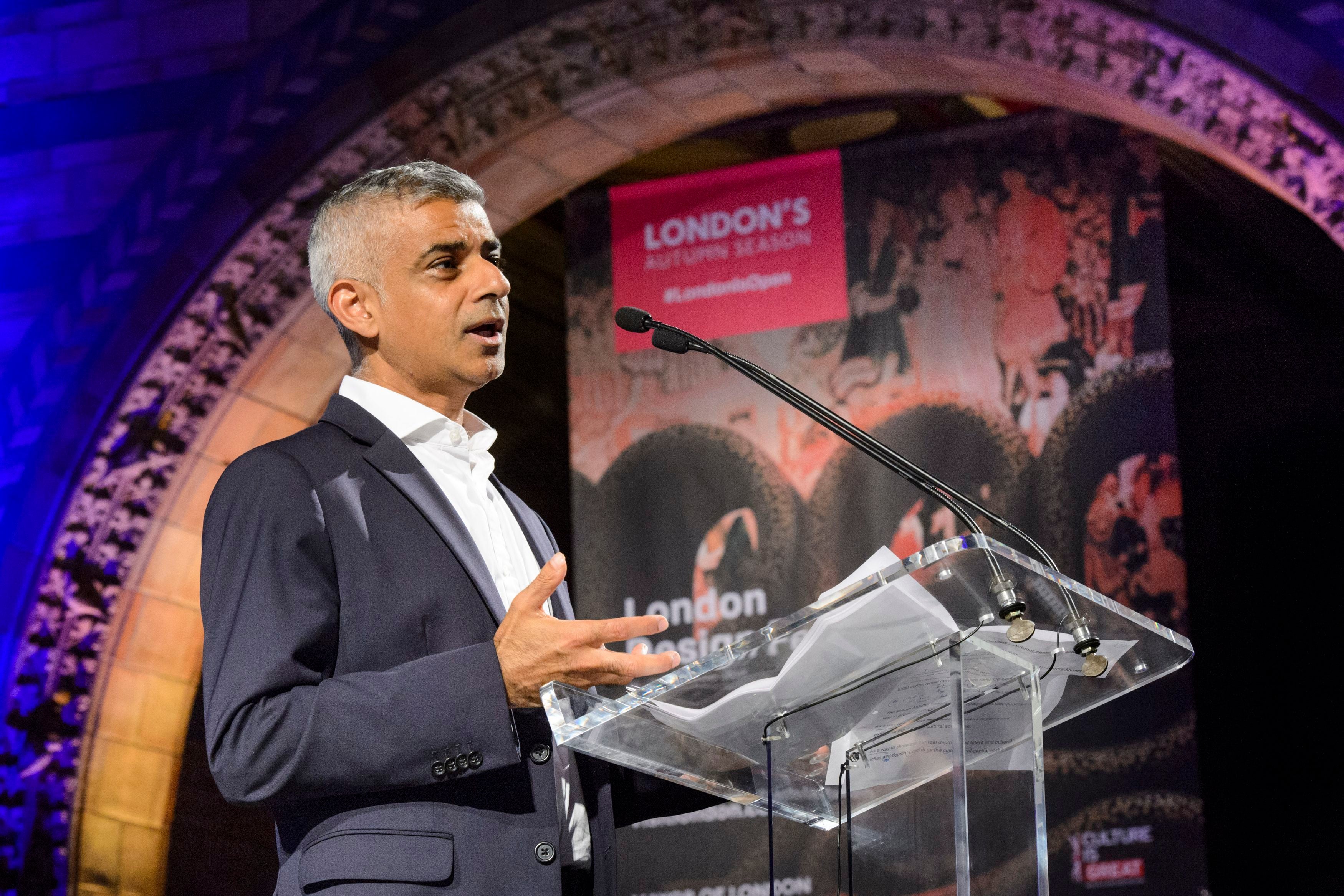
According to a 2025 report, a tourist levy could generate an estimated £1.2bn annually, a good part of which could go towards sustaining our museums. London mayor Sir Sadiq Khan has said as much himself, stating that given four out of five visitors to London come for the culture, “it seems to me that 80 per cent of the hotel levy should be going to culture”.
For those opposed to implementing museum fees, a tourist levy offers a more acceptable middle ground. Karin Hindsbo, interim director of the Tate, says, “With rising costs across the sector, we would welcome a modest tourist levy, already offered by more than 40 countries. Ring-fencing the resulting funds – estimated at around £1bn – for museums across the country would help support culture, heritage, and communities for generations to come.”
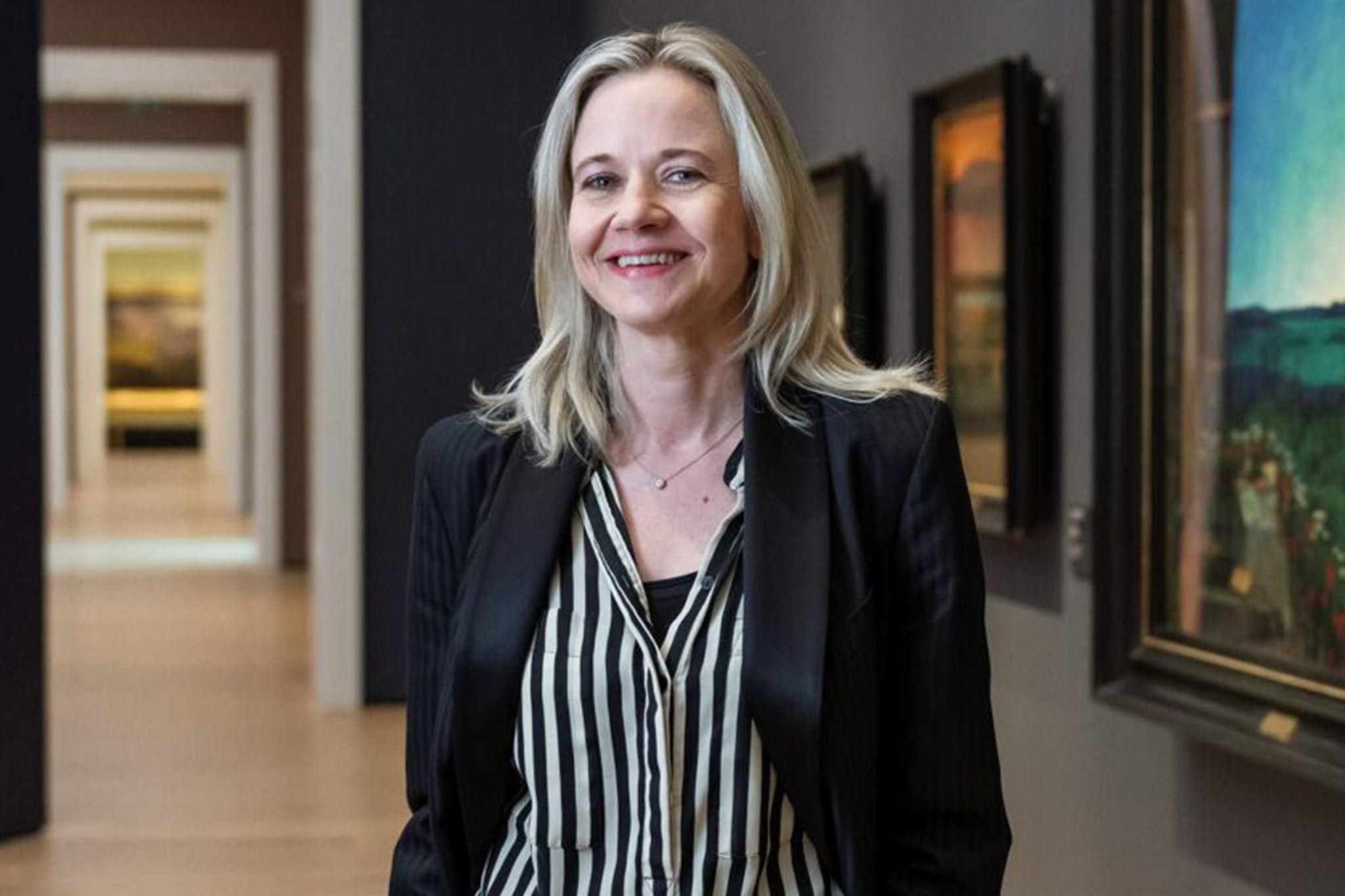
Hindsbo remains resolutely against museum-specific fees, however, stating, “As we approach the 25th anniversary of free entry to museums, we should celebrate, not question it. Having worked in Europe and being from Scandinavia, I’ve seen how the rest of the world views the UK’s free museums both with envy and admiration. They are the jewel in the UK’s cultural crown.”
Noel McLean, deputy general secretary of the Prospect union, which represents workers at the Tate, National Gallery, and National Portrait Gallery, similarly threw his support behind a tourist tax with the caveat that “it must be ringfenced for culture and tourism and not simply used to top up local government budgets”.
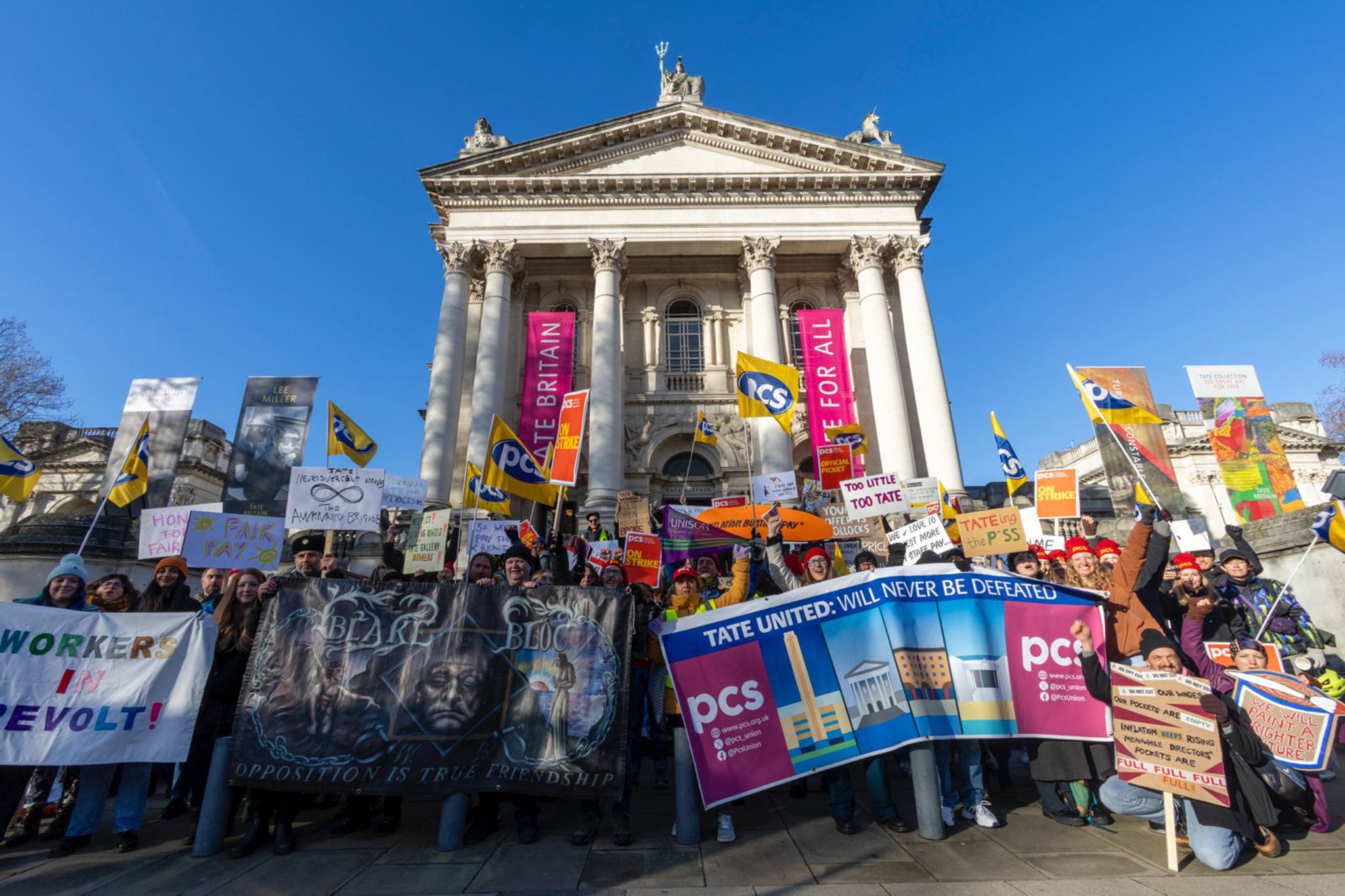
On the subject of any new museum fee, he was clear in stating that “the principle of free museum entry is an important one which keeps our heritage accessible to all and not simply the preserve of the privileged”. It’s worth noting, too, that the policy has been praised for helping to bring in a larger, more diverse audience. (Whether that is true, however, is complex, with some studies showing that while not charging may have increased the number of visitors vastly, it has failed to radically change the demographic of that visitor who remains staunchly middle-class.)
The question of who pays for our museums is bound up in another, more existential one: what are museums for? Introducing fees – domestic ones, particularly – suggests that a museum exists in the same realm as paid-for entertainment like concerts and plays, the cinema and musicals. This idea is at odds with the long and passionately held belief that museums are more akin to libraries; that art is more comparable to a book in that it, too, is a reservoir of knowledge that benefits not only the individual but the greater society. Critics may roll their eyes at such a romantic sentiment in 2026; our museums are reaching a crisis, and something or someone has got to give.