Energy bills are set to rise by over £300 this summer, a leading forecaster has warned, as conflict in the Middle East continues to drive up wholesale gas prices.
Respected energy consultancy Cornwall Insight has predicted Ofgem’s July price cap will rise to £1,973 after it decreases to £1,641 from April – a rise of £332.
This figure is updated from a forecast of £1,807 previously set by the group. It would bring the price cap to the highest rate since July 2023, which came after the record rises seen in the first year of Russia’s invasion of Ukraine.
Wholesale gas prices have more than doubled since the US launched strikes on Iran at the end of February, with further rises expected. The rate is a major influence on energy costs in the UK and the level at which Ofgem sets its energy price cap.
Iranian strikes on a gas hub in Qatar caused the price of UK natural gas to surge by almost a quarter, as global trade is rocked by the conflict.
Dr Craig Lowrey, principal consultant at Cornwall Insight, said: “Due to the nature of the cap methodology used by Ofgem, even if wholesale prices quickly return to pre-conflict levels, some of this recent volatility will be baked into the July 2026 cap.
“The ultimate scale of any increase will depend on how long the disruption continues, and while the cap can shield consumers from short term fluctuations in the market, it cannot offset a sustained rise in wholesale market prices.”
Blasts continue to be reported across the Middle East, as America and Israel exchange strikes with Iran. As fighting escalates, Iran has warned that it will “set fire” to any ships trying to pass through the Strait of Hormuz and has attacked several tankers.
The strait provides the only passage from the Persian Gulf to the open ocean, making it a crucial point for the oil industry. Around 20 per cent of the world’s gas and oil is shipped through the waterway, with the Iranian threat proving highly damaging for global trade.
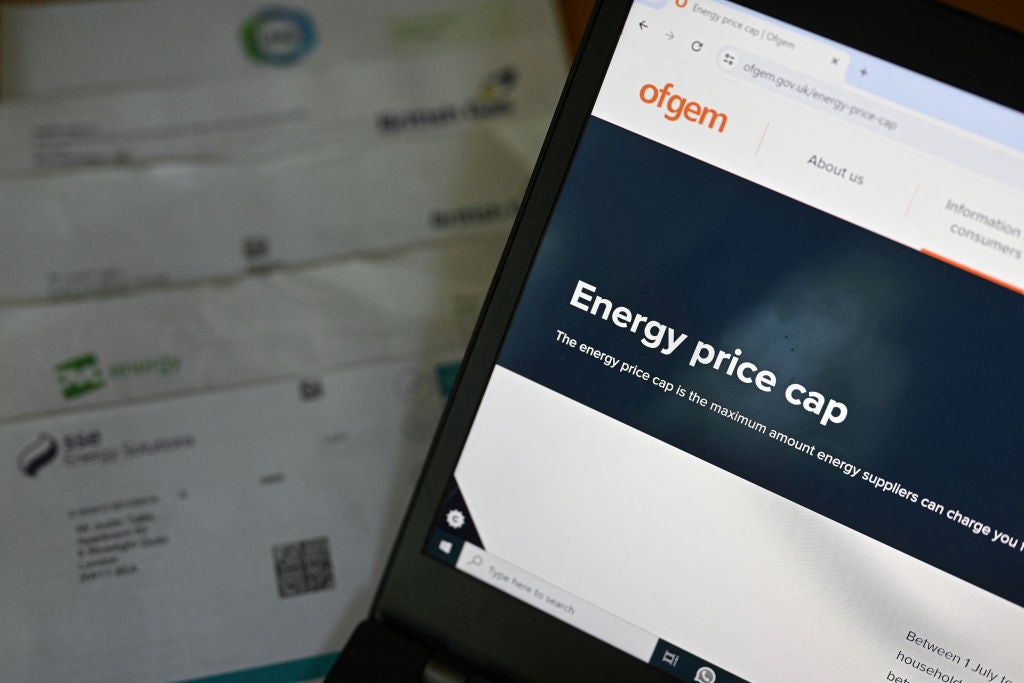
Ofgem’s energy price cap sets the maximum amount energy suppliers can charge for each unit of energy for those on a standard variable tariff. It includes most households and is expressed as an annual bill for an average home.
The figure for April to June was set in February, meaning bills are effectively protected until July. The energy regulator announced a seven per cent, or £117, reduction to the figure, broadly in line with Labour’s pledge to cut energy bills by £150 from the start of the new financial year through scrapping an energy efficiency scheme.
Ofgem will announce its cap for July to September by 27 May.