
Torrential rains have claimed two lives in Texas and the threat isn’t over yet as the state braces for more dangerous flash flooding Friday.
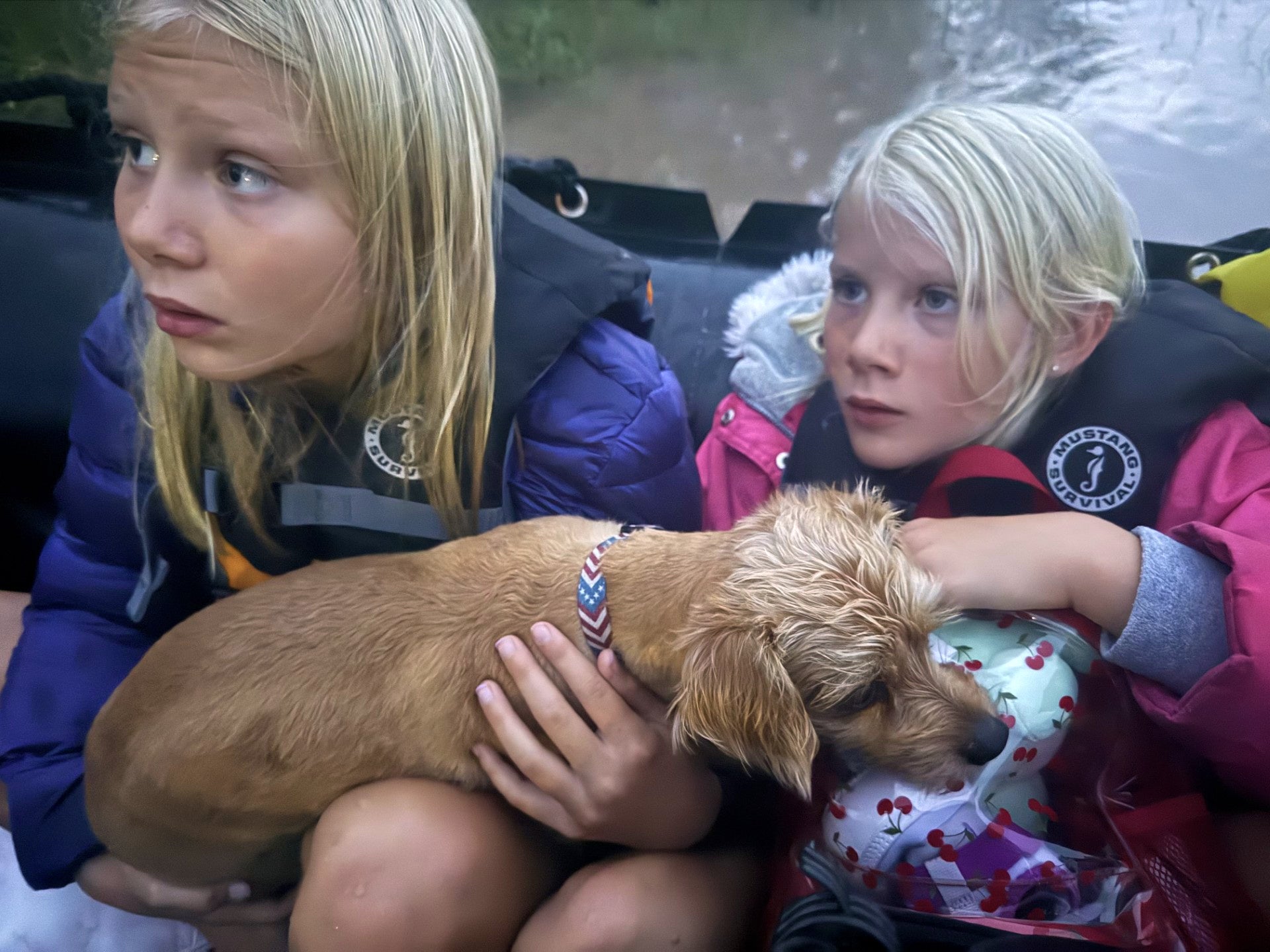
Emergency services have already conducted 230 rescues this week, including a dramatic helicopter operation that saved a man and his dog from a submerged truck.
Early Friday, the National Weather Service issued a flash flood emergency for Sonora, a city in Sutton County located approximately 170 miles northwest of San Antonio. Local authorities were actively engaged in rescue operations, with the sheriff’s office utilizing a boat to save one individual.
Residents in low-lying areas along the Dry Devils River were urged to evacuate, though the request remained voluntary, according to Chief Deputy Jon Gann.
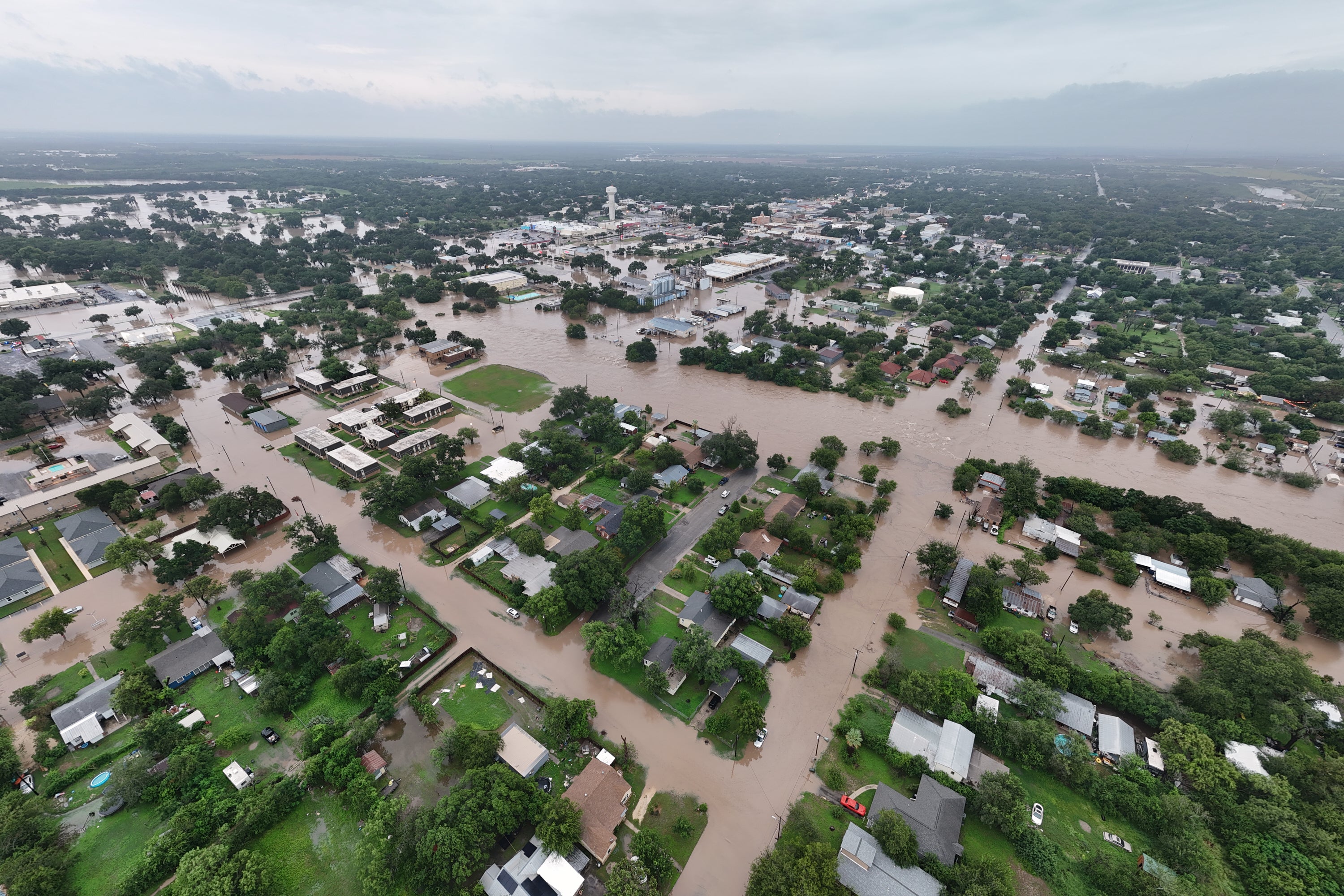
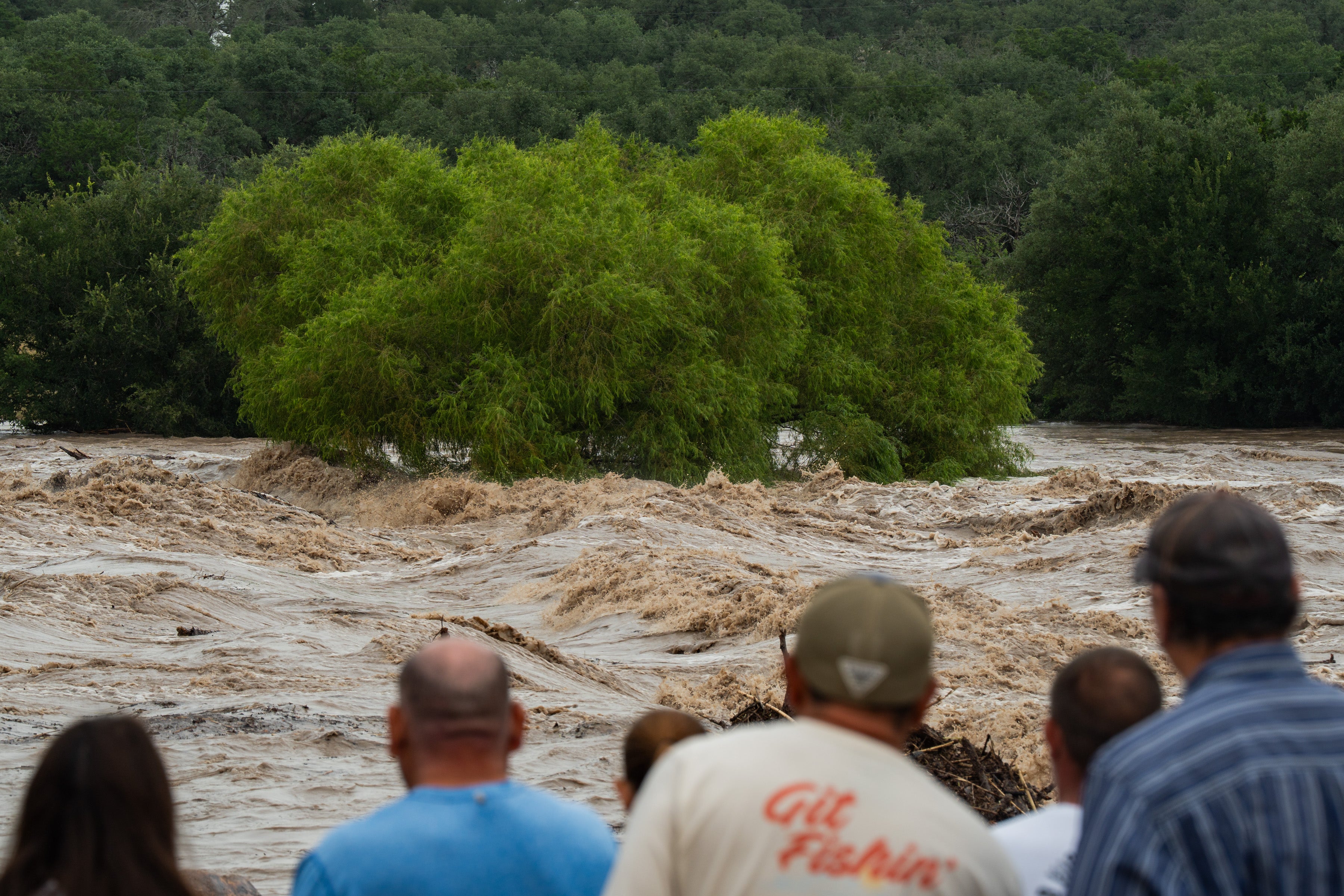
“The water’s up to the top of the banks,” Gann stated. “If we get any more, we’re going to be into homes.”
Flash flood warnings extended across several other counties in the Texas Hill Country, a region still recovering from devastating floods just a year prior. Flood warnings are expected to persist through the weekend in many downstream locations where rainfall is now tapering off. Forecasters anticipate some rivers could reach historic levels.
Areas west of San Antonio have recorded over two feet of rain since the storms began on Tuesday. Governor Gregg Abbott confirmed that rescuers, deploying boats and helicopters, have saved more than 200 people, including stranded motorists and those trapped in their homes.

The severe weather system and associated flooding have impacted multiple counties near the Mexico border and within the Hill Country, placing roughly six million Texans under a flood watch this week.
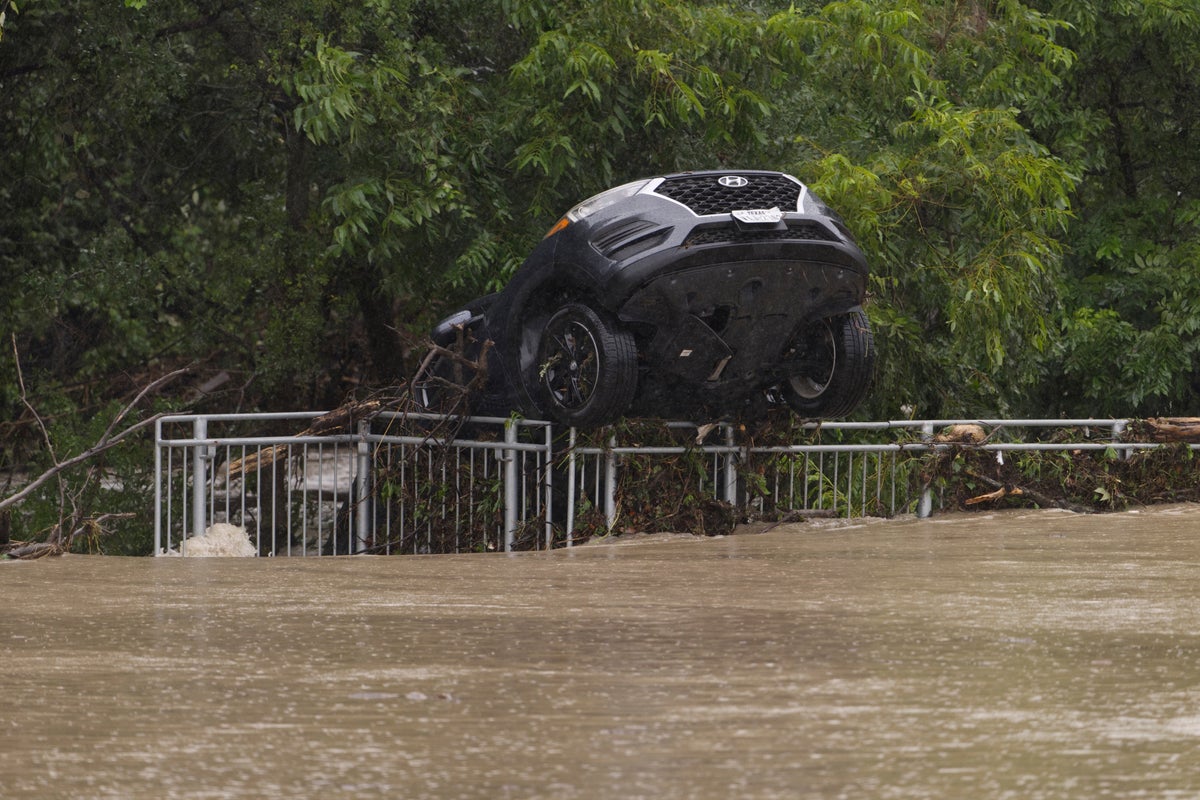
The confirmed fatalities include one person swept away near Uvalde while driving on a flooded road. The second victim, 65-year-old John Mark Steward of Kerrville, died after his mobile home was carried into Goat Creek on the Guadalupe River, his wife reported.
The Guadalupe River was the site of last year’s tragic flash floods, which resulted in the deaths of two dozen children and counselors at Camp Mystic.
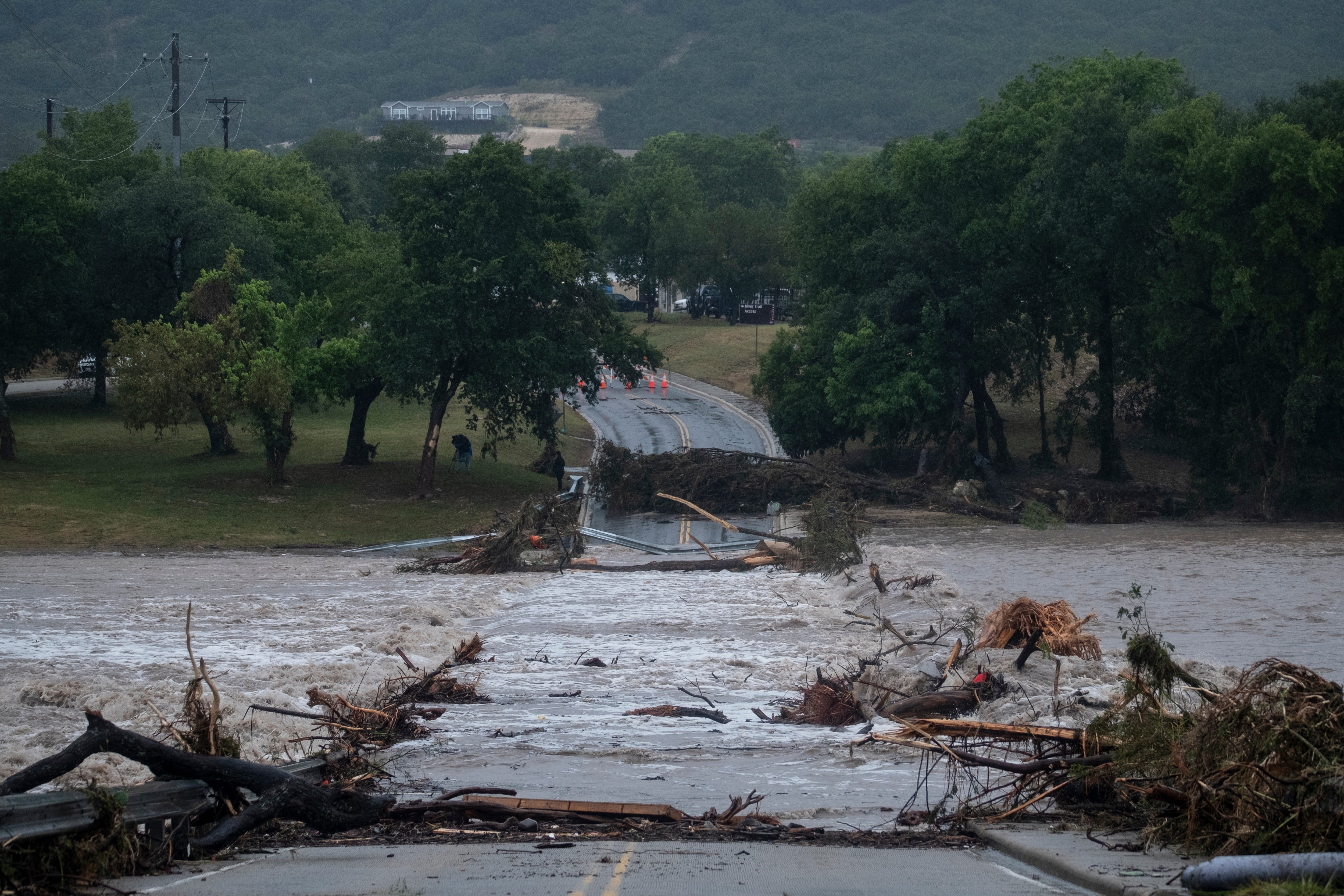
The slow-moving weather system is projected to drift northwestward on Friday, eventually making its way towards the Texas Big Bend region in the western part of the state, according to the weather service.
In Uvalde, one of the cities hardest hit by the flooding, water levels are now receding, and officials have announced the reopening of a major highway, Route 90. Floodwaters had inundated the city overnight into Thursday, cutting off most access routes.
The unfolding crisis has evoked haunting memories of last summer’s Hill Country floods, which claimed over 100 lives during the July Fourth holiday. Josiah Rodriguez, a Kerrville resident who awoke to heavy rain around 2 a.m. Thursday, navigated flooded roads to help evacuate relatives.
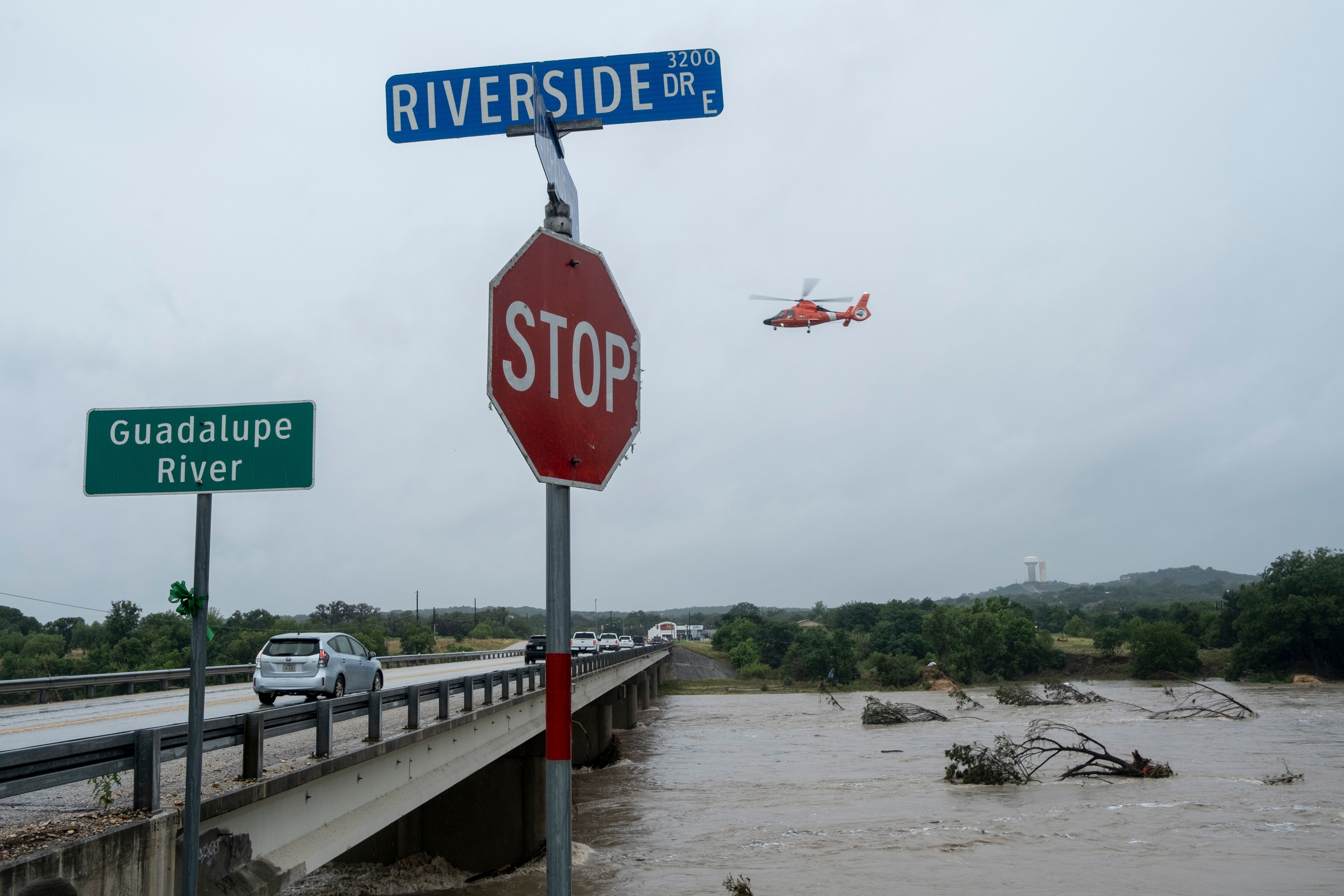
“It’s crazy happening two times in one year,” Rodriguez remarked. “Last year there was no warning of it. It just kind of happened overnight and it took everyone by surprise. This year, a lot more alerts have gone into place, a lot more safety measures.”
Residents had previously criticized local leaders for a perceived lack of swift action and warnings when the Guadalupe River overtopped its banks last year.
This year, the Guadalupe has remained below the record levels seen last year. Near Camp Mystic, which has not reopened since last year’s tragedy, the Guadalupe near Hunt reached approximately 20.5 feet, a level sufficient to cause flooding, according to data from the U.S. Geological Survey and the National Water Prediction Service.