

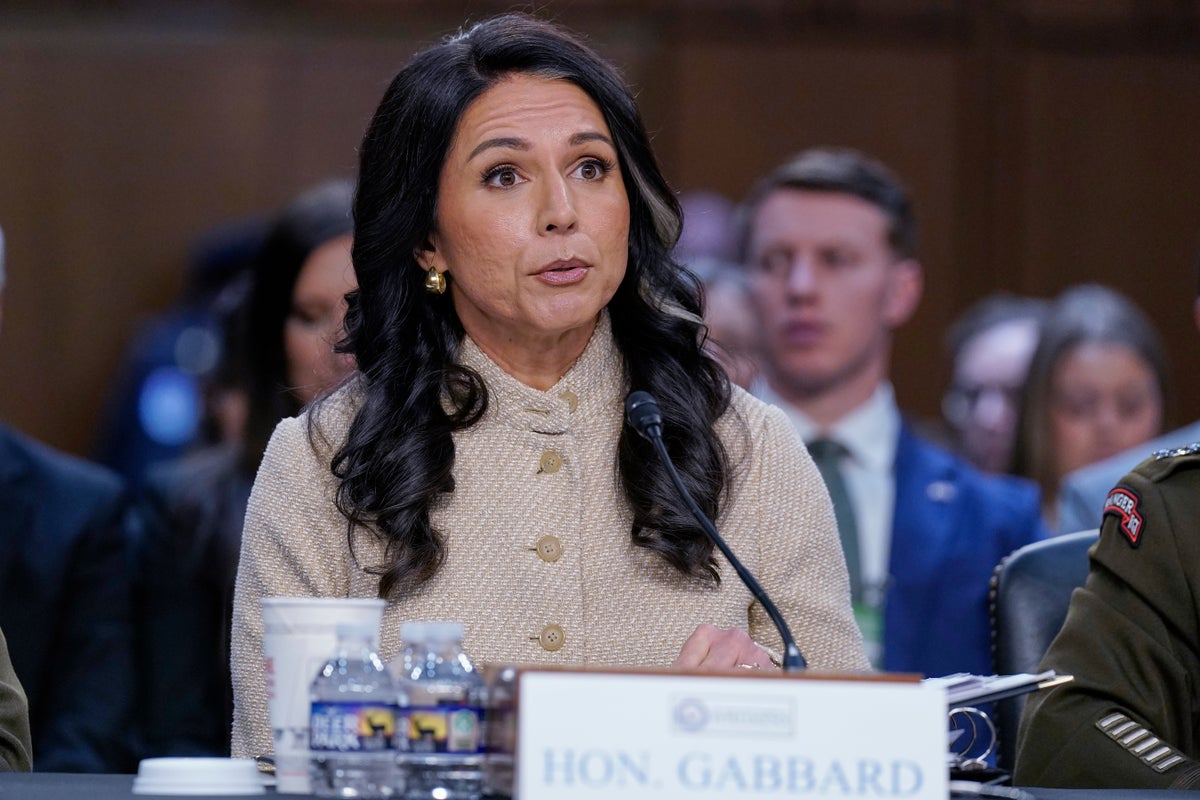
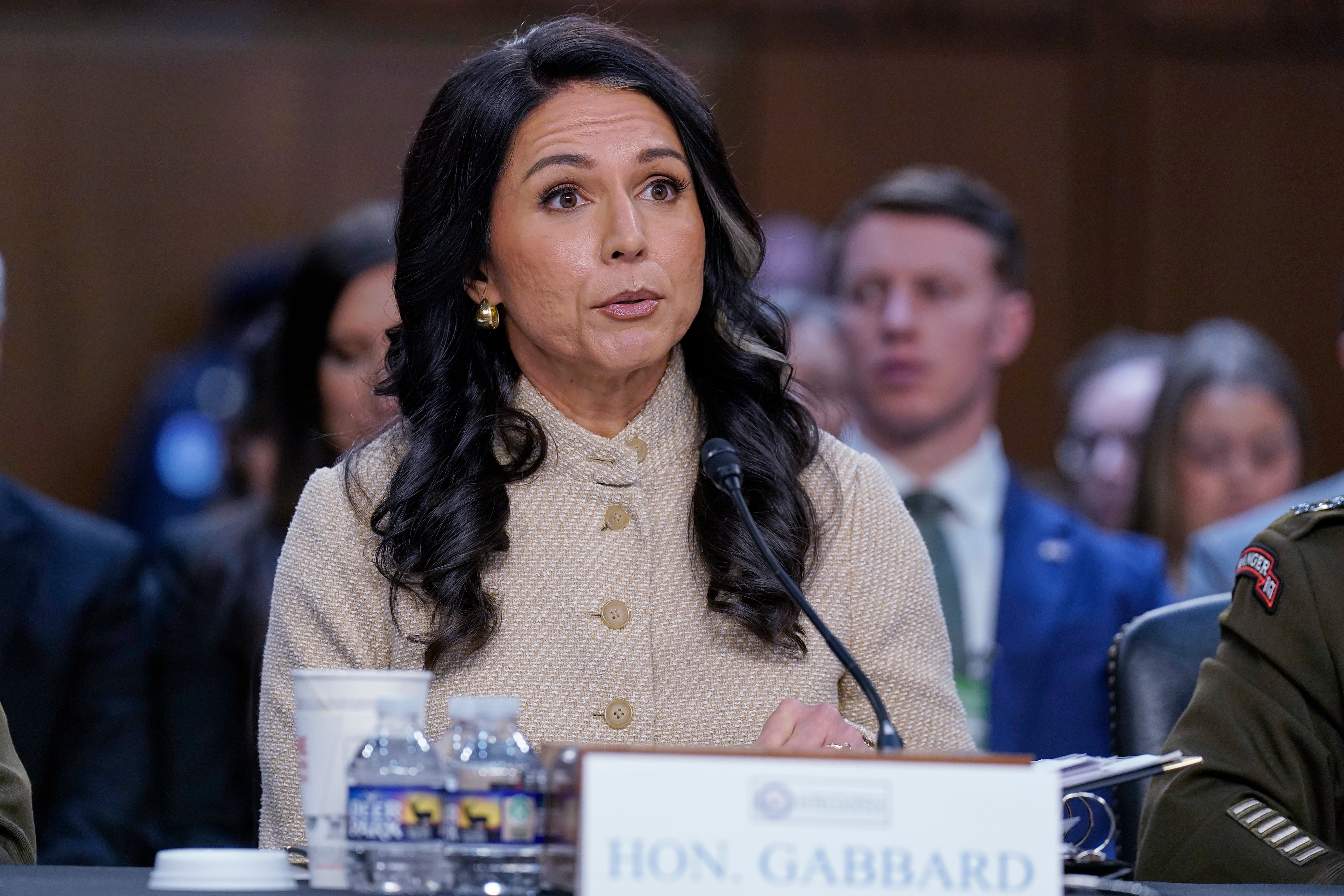
Director of National Intelligence Tulsi Gabbard pointedly refused to say whether Iran presented an “imminent” nuclear threat to America before the U.S. launched its war, angering Democratic senators during an intelligence hearing on Wednesday.
“The only person who can determine what is and is not an imminent threat is the president,” Gabbard said during questioning from Sen. Jon Ossoff of Georgia.
The committee continued to press Gabbard over what the intelligence community concluded about Iran’s nuclear program before the war, given that a written version of her statement said Iran’s nuclear capabilities had been “obliterated” with “no efforts since” to rebuild after U.S. strikes last year.
“It is not the intelligence community’s responsibility to determine what is and is not an imminent threat,” Gabbard said. “That is up to the president, based on the volume of information that he receives.”
Gabbard’s statements inspired a sharp response from Ossoff, who cut in and said, “It is precisely your responsibility to determine what consists of a threat to the United States.” He accused Gabbard of “evading a question because to provide a candid response to the committee would contradict a statement from the White House.”
In a White House statement announcing the beginning of the Iran campaign, the Trump administration said the attack was necessary to “eliminate the imminent nuclear threat posed by the Iranian regime.”
Since then, however, officials have offered shifting explanations for the war, including comments from Secretary of State Marco Rubio that the U.S. attacked Iran because Israel was planning an attack on the country, a strike that was sure to provoke Iranian attacks in response on U.S. interests.
The back-and-forth in Congress comes amid larger scrutiny of the Iran war.
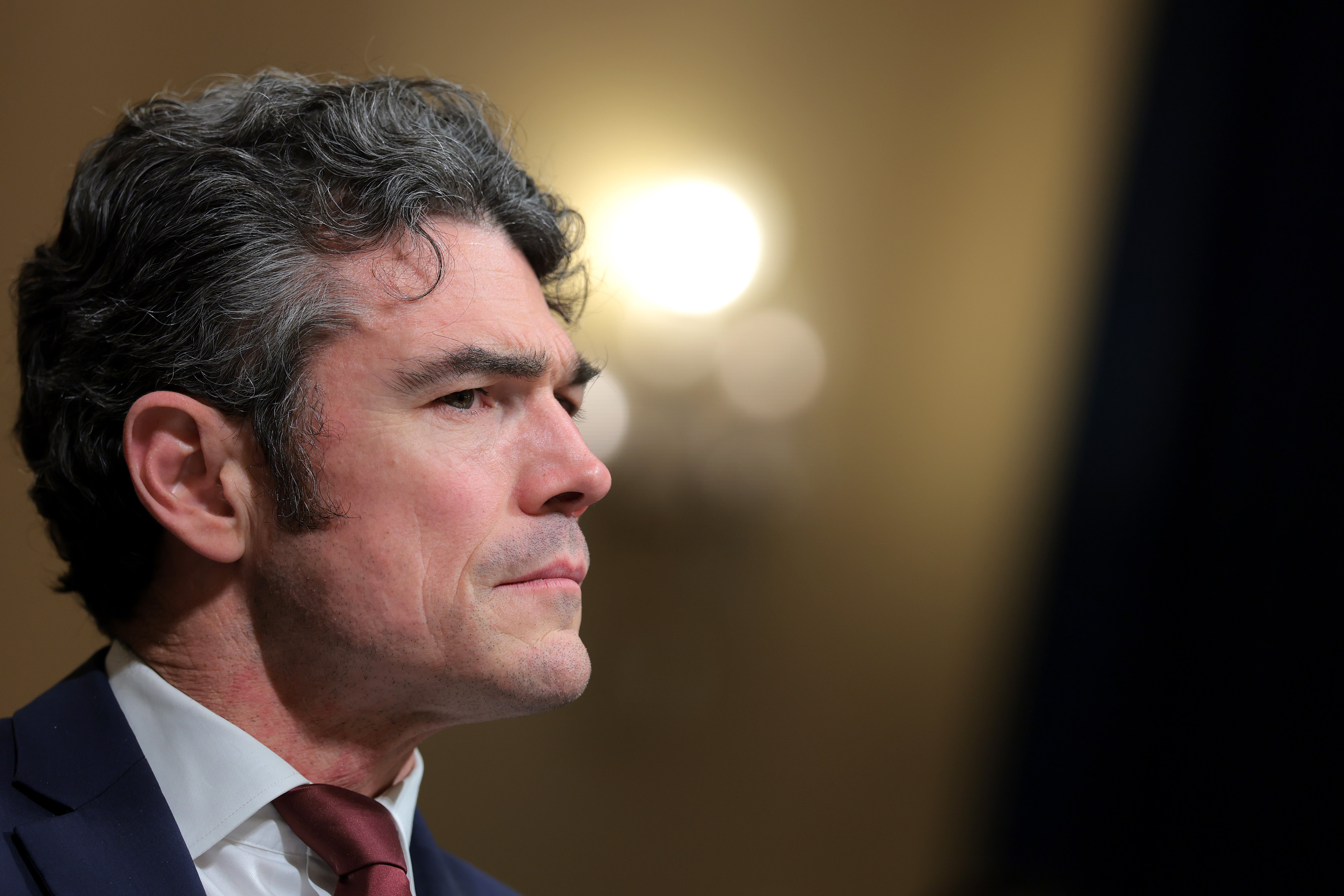
Joe Kent, the director of the National Counterterrorism Center, announced this week he was resigning, writing in an open letter that he could not “in good conscience support the ongoing war in Iran” because Iran posed “no imminent threat to our nation.”
During the Senate hearing, CIA Director John Ratcliffe challenged Kent’s conclusion.
“The intelligence reflects the contrary,” Ratcliffe said.
He added that “any fair-minded assessment” would show Iran posed a threat to the U.S. and called the intelligence leading up to the war “flawless.”
Lawmakers also questioned Gabbard about what President Trump had been briefed about the potential of the war to trigger a shutdown of the vital Strait of Hormuz, which has since taken place.
Gabbard told the panel there had “long been an assessment of the IC [intelligence community] that Iran would likely hold the Strait of Hormuz as leverage,” but declined to discuss specific conversations with Trump.
Now that the war is ongoing, the Iranian regime appears to be “intact but largely degraded,” Gabbard said.
Outside of the Capitol, the administration was also on the defensive, with Vice President JD Vance telling an audience in Michigan the war-driven spike in gas prices will only be “temporary.”
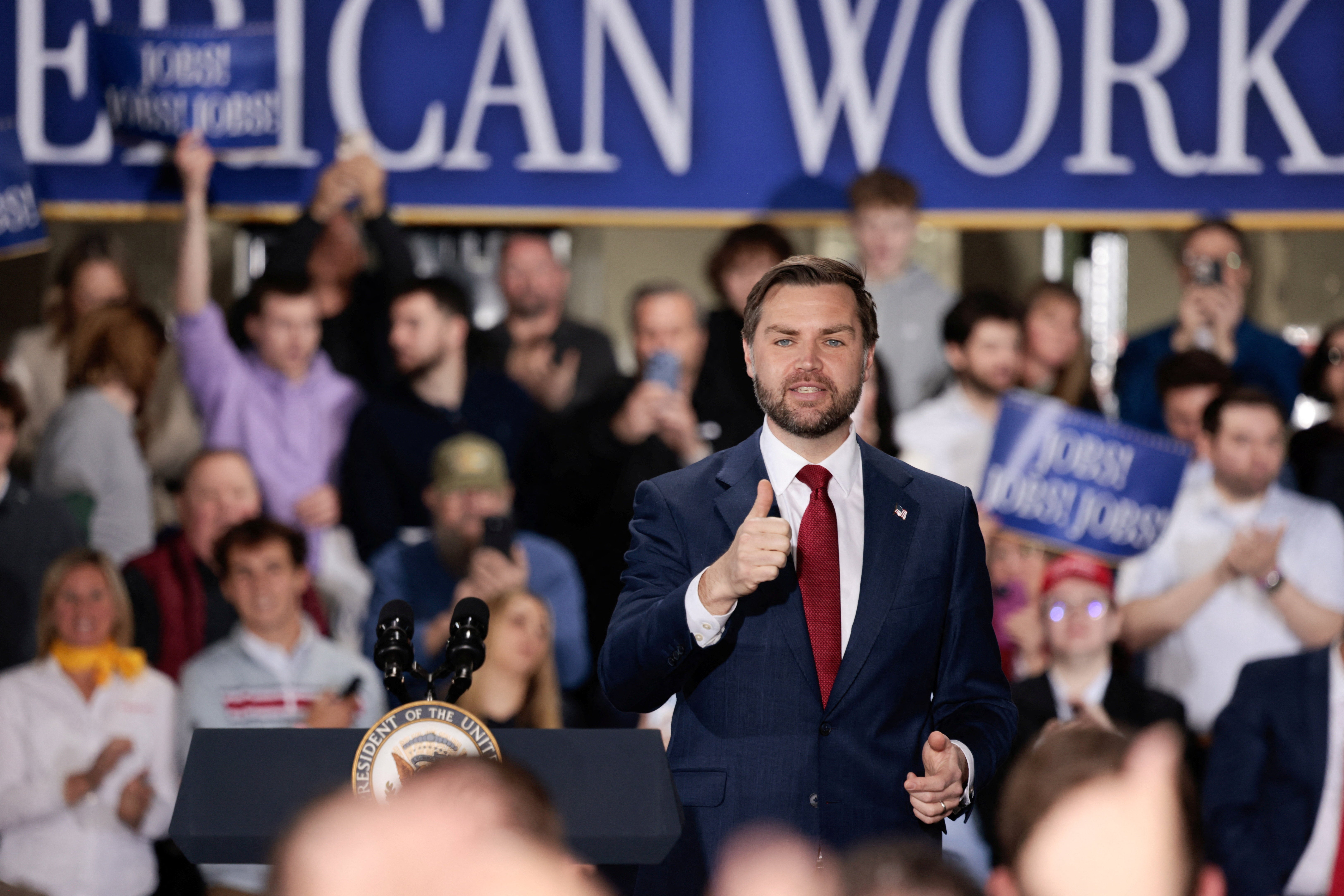
“This is a temporary blip,” he said.
“Under the Biden administration, the gas prices were high for four years. Gas prices are higher right now, and frankly, they’re not even as high as they were in certain parts of the Biden administration,” he added.
Leading members of NATO have dismissed the Trump administration’s demands for assistance in reopening the Strait of Hormuz.
“It is not Nato’s war,” said a spokesperson for German chancellor Friedrich Merz this week. “Nato is an alliance to defend the alliance area. The United States did not consult us before this war, and so we believe this is not a matter for Nato or the German government.”