
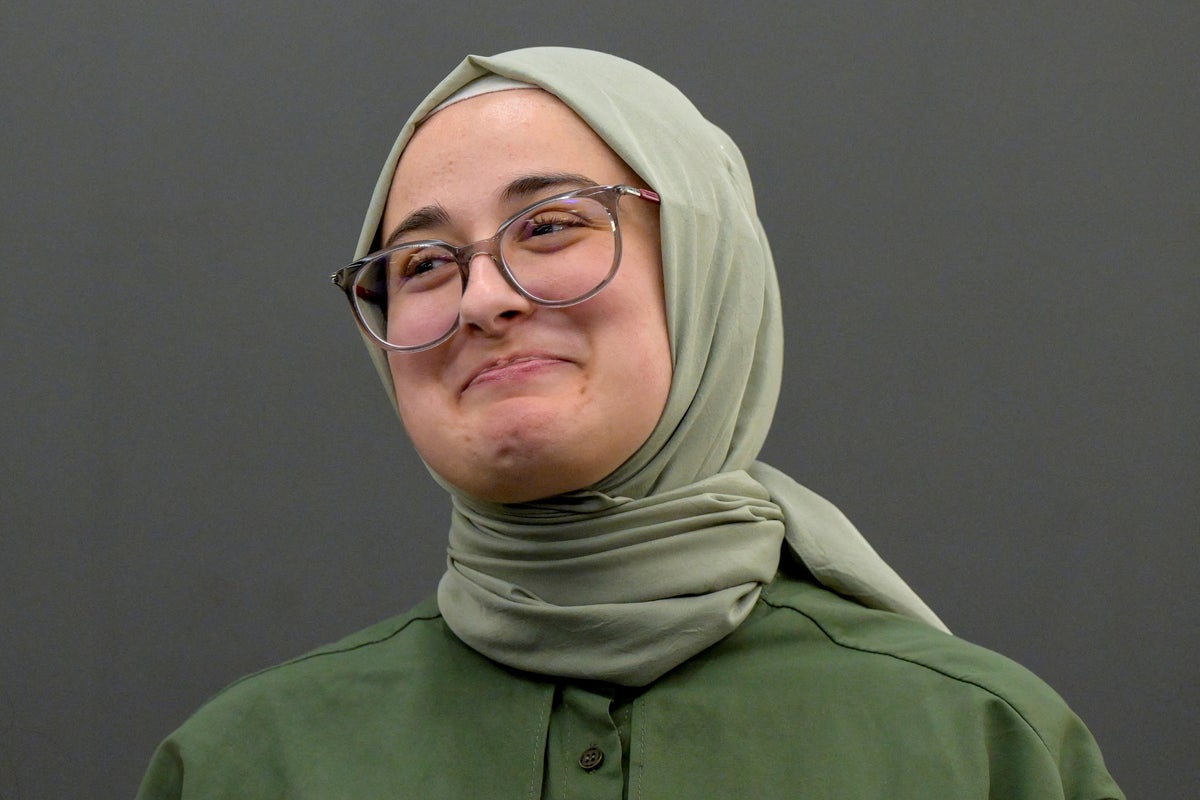
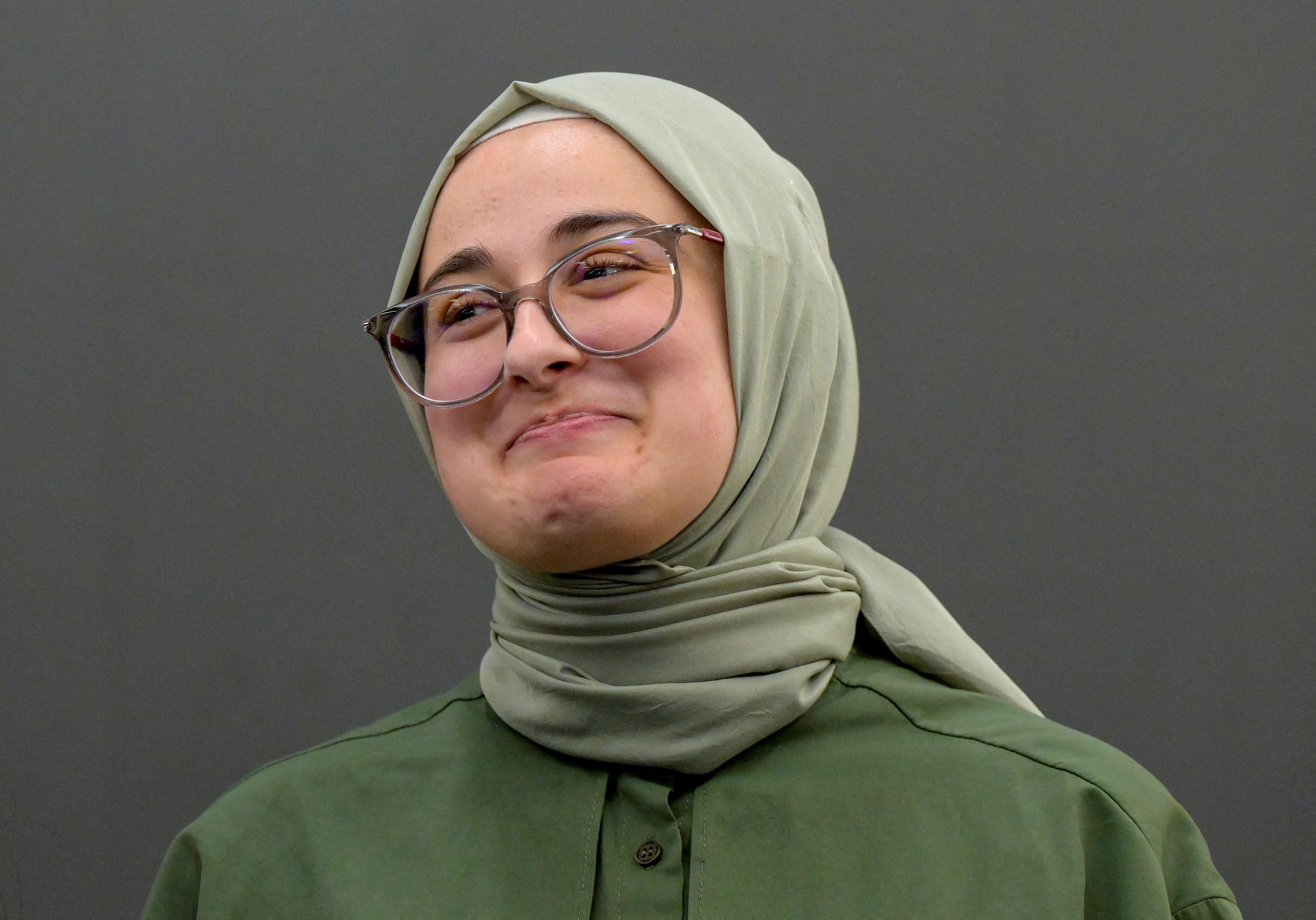
Nearly one year after masked federal agents grabbed her off the street, Tufts University scholar Rumeysa Ozturk is officially a doctor.
Ozturk, who is studying media use among children and young people, has earned her PhD from the university’s Department of Child Study and Human Development.
“My studies, research and professional work focus on how positive media use among children and young people can nurture more kindness and compassion in the world,” she wrote Wednesday on LinkedIn.
“Despite the very brutal, illegal and unjustifiable experiences I faced over the last year, I remain hopeful that our world can become a gentler and more peaceful place,” she added.
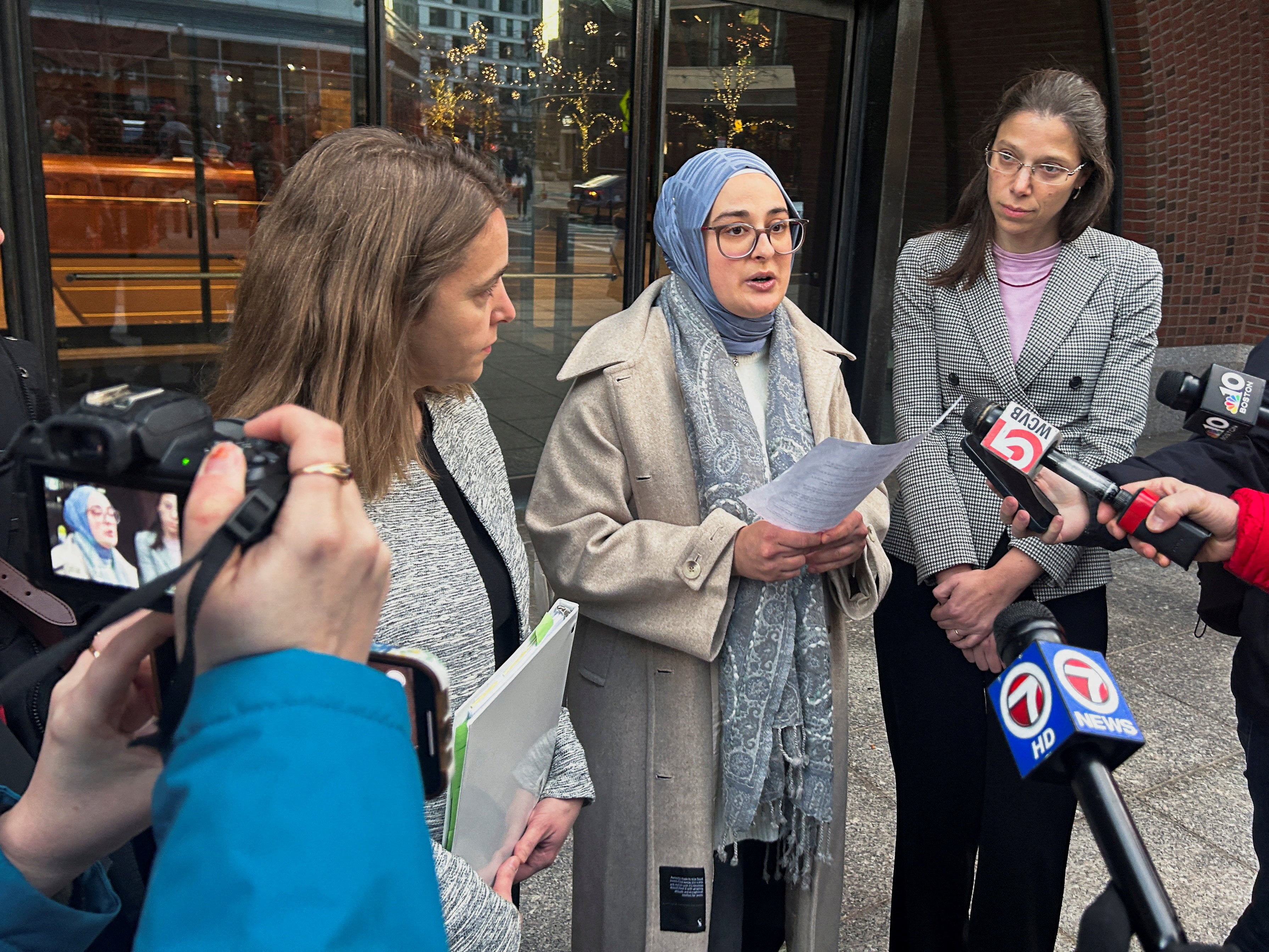
Last month, an immigration court judge terminated deportation proceedings against Ozturk, whose arrest last March by masked agents near her home in Massachusetts is among the defining images of the Trump administration’s deportation efforts targeting international students who spoke out against Israel’s war in Gaza.
Homeland Security failed to prove that the Turkish scholar needed to be deported, and an immigration court judge terminated the case, effectively ending the government’s threat of removal while she continues to challenge the constitutionality of her arrest and weeks-long detention in Louisiana.
Last year, Trump administration officials publicly accused Ozturk of engaging in activities “in support of Hamas,” but internal documents from State Department officials admitted they did not possess any evidence.
Ozturk had co-authored an op-ed in a student newspaper that criticized university leaders for dismissing students’ concerns about the war. Administration officials — relying on a pro-Israel activist group that created an online directory of student activists — canceled her student visa and signed a warrant for her arrest in response.
She was held inside an ICE detention center in Louisiana, more than 1,000 miles away, for more than six weeks.
Last year, while testifying in an orange prison jumpsuit and taupe hijab, Ozturk said it was “impossible” to pursue her academic work while in ICE detention.
“The work I do is very meaningful,” she said.
She hoped her work can “contribute to the well-being and development of children all around the world,” she said.
Ozturk, whose faculty adviser testified to her intimate connections within her department and the broader Tufts community, also described how she organized support for academics who work with children in areas of global conflict, “from Gaza to Israel, from Russia to Ukraine, from Sudan to Yemen, from Cameroon to Afghanistan.”
“All of them are ours – [children] experiencing armed conflict around the world,” said Ozturk, who was clutching her heart.
Her adviser Sara K. Johnson described Ozturk as an “expert” whose “expertise is absolutely critical” in fields of study connected to social media use and impacts to child development.
“From our children kept in federal detention centers in inhumane conditions, to our children in Gaza facing a genocide, from our children of war everywhere from Ukraine to Sudan, to our BIPOC children facing racial injustices daily and our refugee children whose childhoods are stolen, the oppression is connected and global, and so our compassion must be equally universal,” Ozturk wrote Wednesday.
“In the middle of these hard times, I am holding a moment to celebrate this joy as a new beginning to work even harder, turning years of research, volunteering, and teaching into meaningful change for children, youth, and communities,” she wrote. “I hope this news brings some joy to all who need to hear it.”
She added: “As an important side note, I would like to be called Dr. Ozturk, not Miss Ozturk, from now on.”