


The United States is building up military assets near the Middle East so it is ready to strike Iran as soon as Saturday, according to reports.
Tensions between the US and Tehran have been mounting for weeks, after Donald Trump highlighted the regime’s brutal crackdown on protesters and called for Iran to make a deal on its nuclear capabilities.
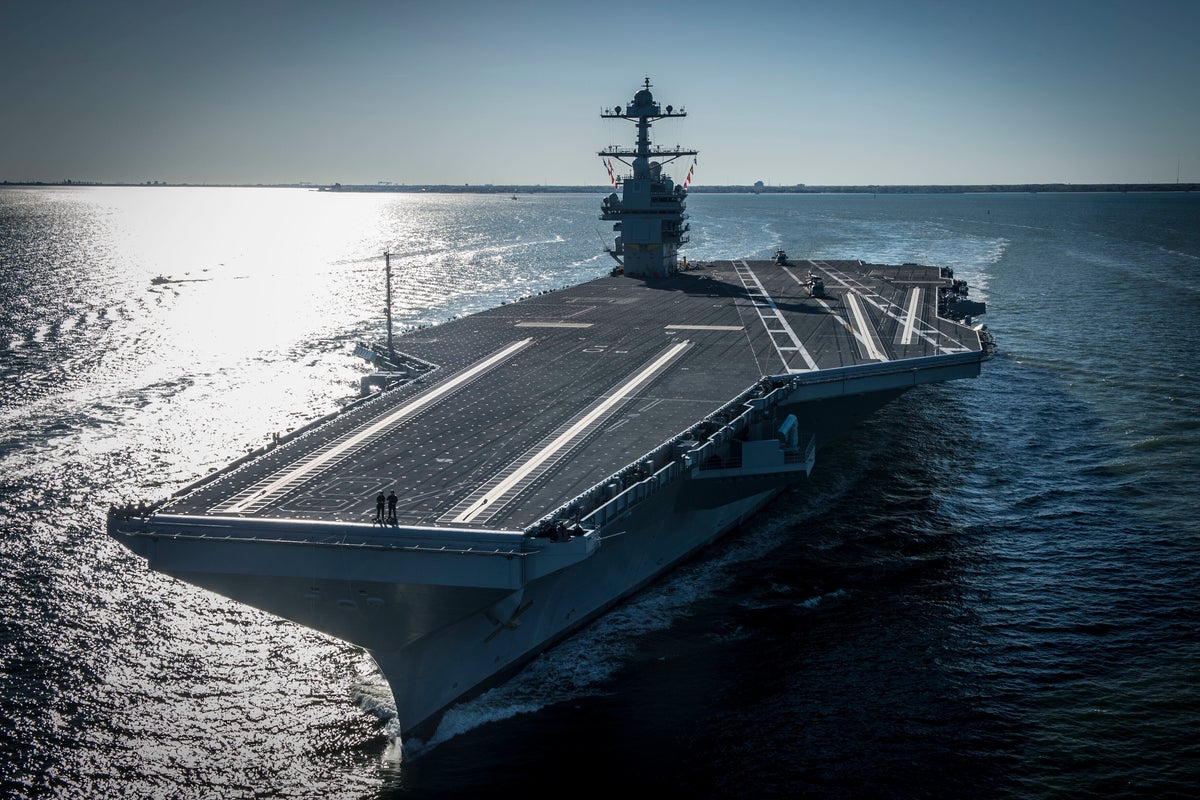
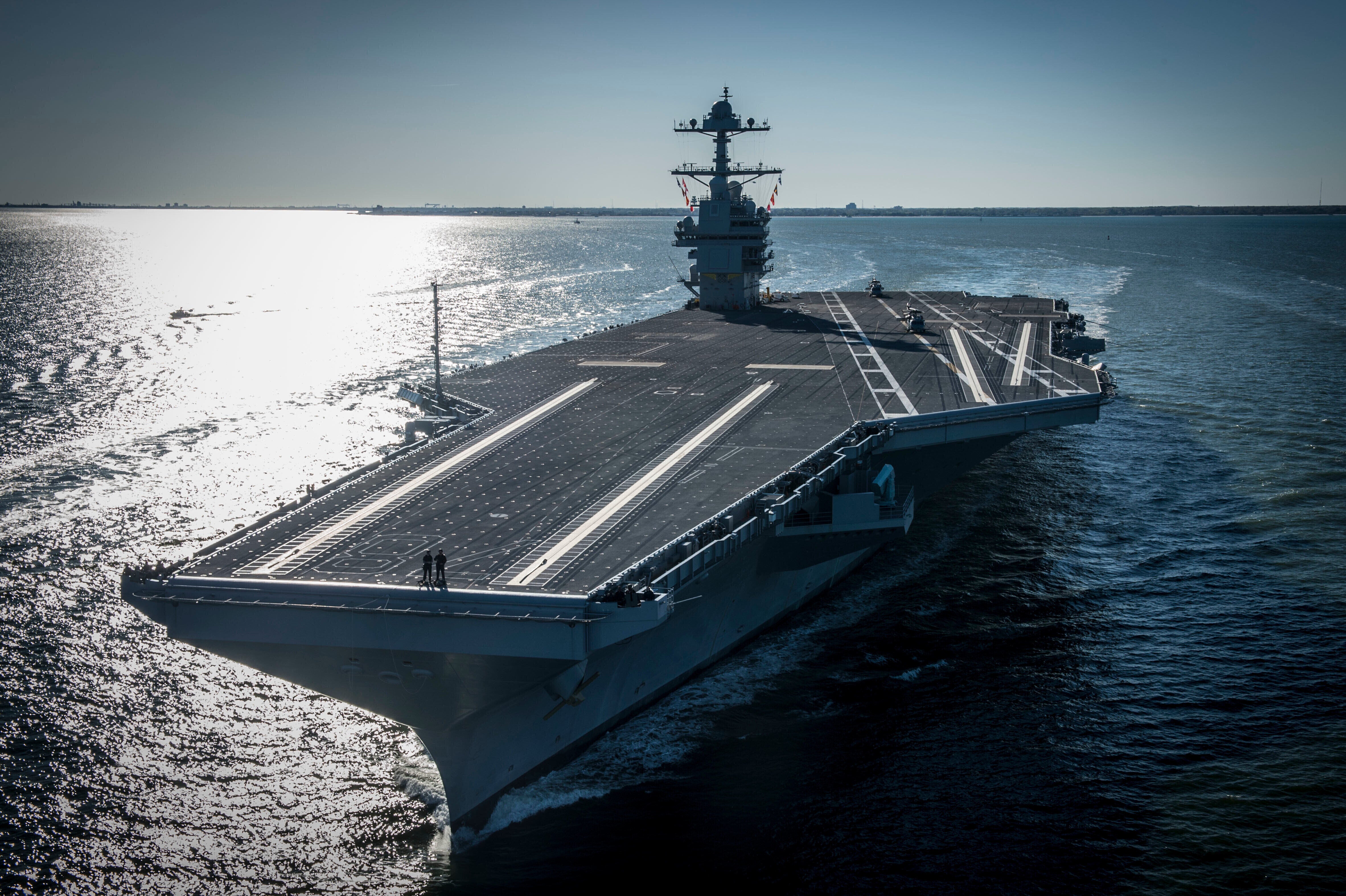
As rhetoric between the two sides has ramped up, US deployment in and around the region has grown. The USS Abraham Lincoln aircraft carrier was spotted off the coast of Oman this week and will soon be joined by the world’s largest warship, the $13 billion USS Gerald R Ford.
The ongoing buildup has seen destroyers and specialist combat ships move to cover Iran’s southern flank as F-15 and EA-18 fighter jets build up numbers across military bases to the west.
President Trump warned on Wednesday that if Iran fails to agree a deal, it may be “necessary” to attack the country from Diego Garcia or RAF Fairford, threatening to drag Britain into the conflict.
Iran remains ready to retaliate, according to the ayatollah Khamenei, who said this week the United States “may be struck so hard that it cannot get back up” if it renews attacks against the regime.
Naval buildup in the region
The USS Abraham Lincoln is currently situated in the Arabian Sea, while the USS Gerald R Ford is passing through the Gibraltar Strait and could be positioned south of Cyprus in a matter of days.
The carriers are supported by protective destroyers in a ‘carrier strike group’. In total, eleven destroyers in the region will join three Littoral combat ships. Two or three attack submarines – including at least one with nuclear capabilities – loaded with Tomahawk missiles are also present.
Khamenei issued a stark warning as the USS Gerald R Ford approached the Mediterranean this week, saying: “An aircraft carrier is a dangerous device, but more dangerous than the carrier is the weapon that can send it to the bottom of the sea.”
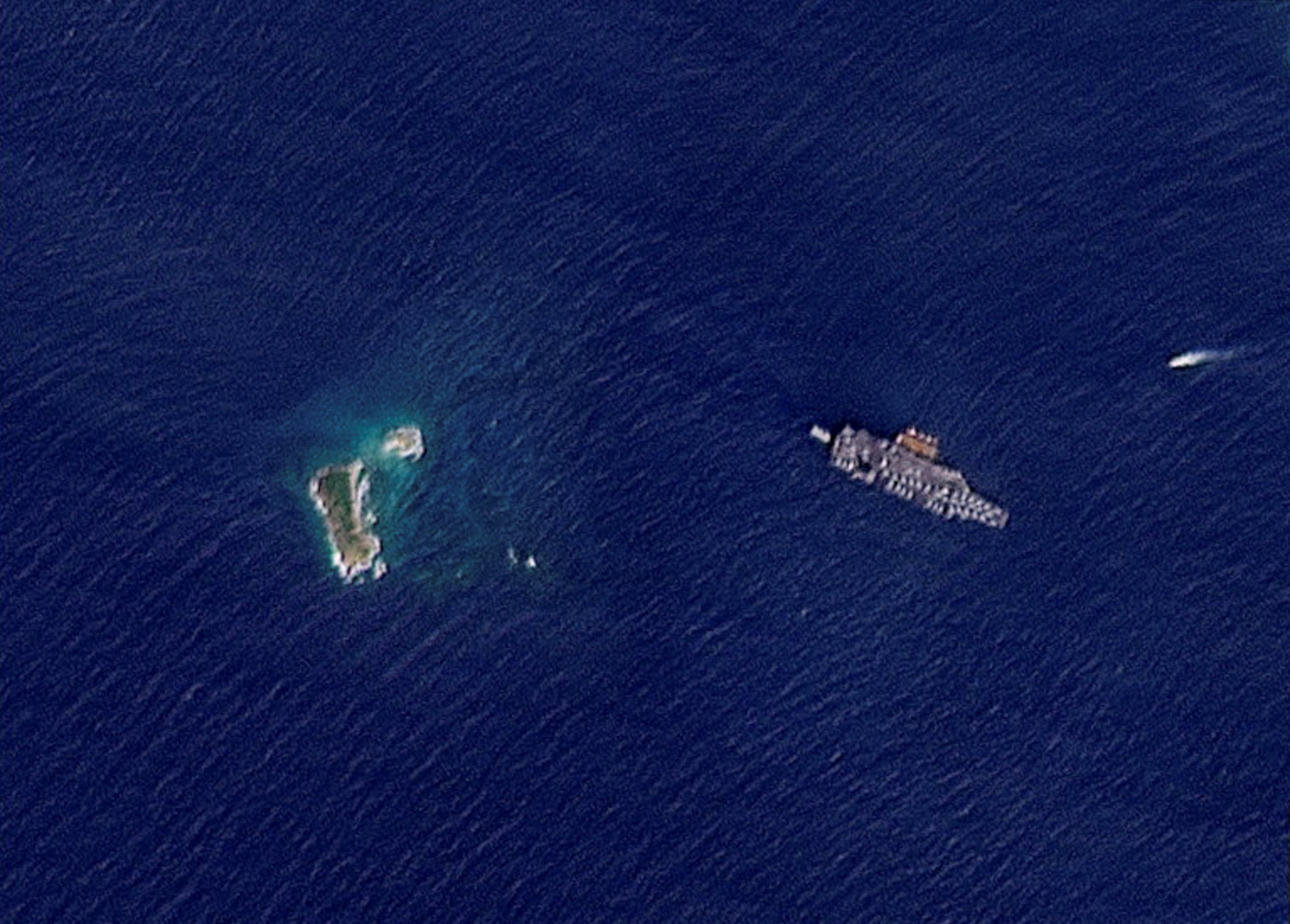
Tehran’s sabre-rattling extended to closing the Strait of Hormuz for the first time since the 1980s this week to carry out naval drills. Thursday saw more drills, this time with Russia, in the Sea of Oman.
The United States would not need to send its second aircraft carrier to the region for it to have a role in a potential conflict with Iran, however.
Positioning the 333 metre nuclear-powered ship in the eastern Mediterranean would help protect Israel and Jordan if needed.
US strengthens aerial options
Jordan is home to the Muwaffaq Salti military base, where Washington has been building up combat and cargo aircraft in recent days.
Ageing F-15s and A-10 Warthogs have been pictured on the tarmac alongside C-130 transport aircraft. The US also still has around 10,000 troops scattered across bases in the region.
Further afield, modern and long-distance aircraft open up Washington’s options for strikes. Flight trackers show the movement of Boeing KC-135 tankers to Europe and the Middle East, which suggest preparedness for longer haul flights.
Last summer, B-2 bombers set off from Whiteman Air Force Base in Missouri, refuelling several times in air on a 36-hour round trip before striking Iran and returning home.
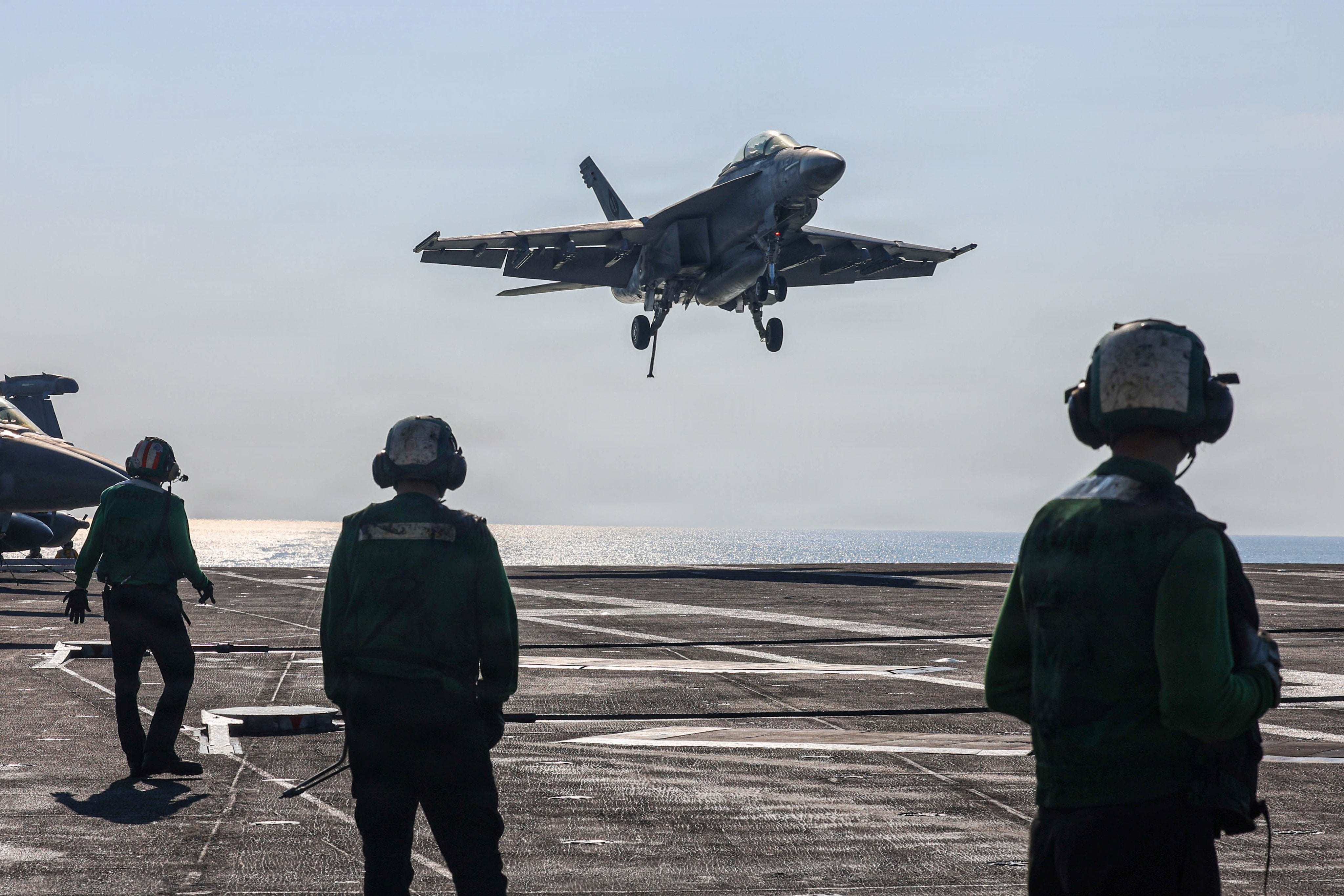
The US has moved more than 50 F-35, F-22 and F-16 fighter jets to the broader region this week, Axios reported, citing an unnamed US official and flight radar data. The two aircraft carriers have additional capacity for up to 180 aircraft between them.
Trump additionally suggested that if Iran does not submit to a deal, “it may be necessary for the United States to use Diego Garcia, and the airfield located in Fairford, in order to eradicate a potential attack by a highly unstable and dangerous regime”.
RAF Fairford in Gloucestershire is a US-operated base used as a bomber forward operating base.
A ministry of defence spokesperson told The Independent: “As routine, we do not comment on the operational activity of other nations, including third party use of UK bases.”
Proposed US operations from a base in the UK would be considered on a case-by-case basis.
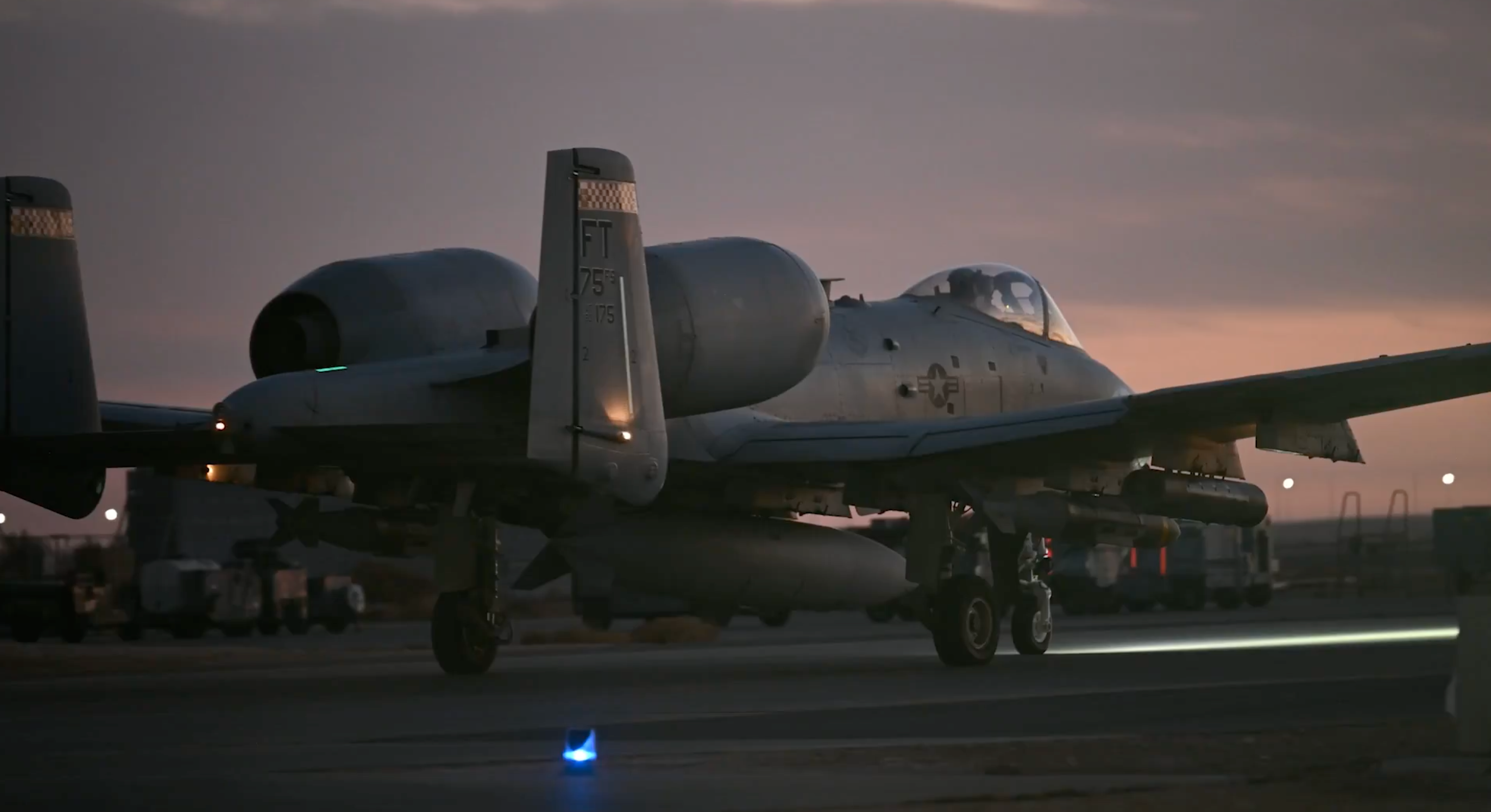
The US also appears to be tightening its air defences in the event of any Iranian retaliation. Last year’s Israeli strike on Iran’s nuclear capabilities led to retaliatory strikes by Iran on an American military base in Qatar.
The US could be prepping for that eventuality by the installation of an extensive series of C-5s and C-17s, Galaxy and Globemaster flights to bring air defence assets to its bases in the region.
Senior national security officials told Trump the military will be ready to strike Iran by Saturday, according to multiple US media outlets. One unnamed senior official said that it could be weeks before everything is fully in position, however.
“The president has ordered the continued buildup in the region, including the arrival of the second carrier group. Full forces should be in place by mid-March,” they said.