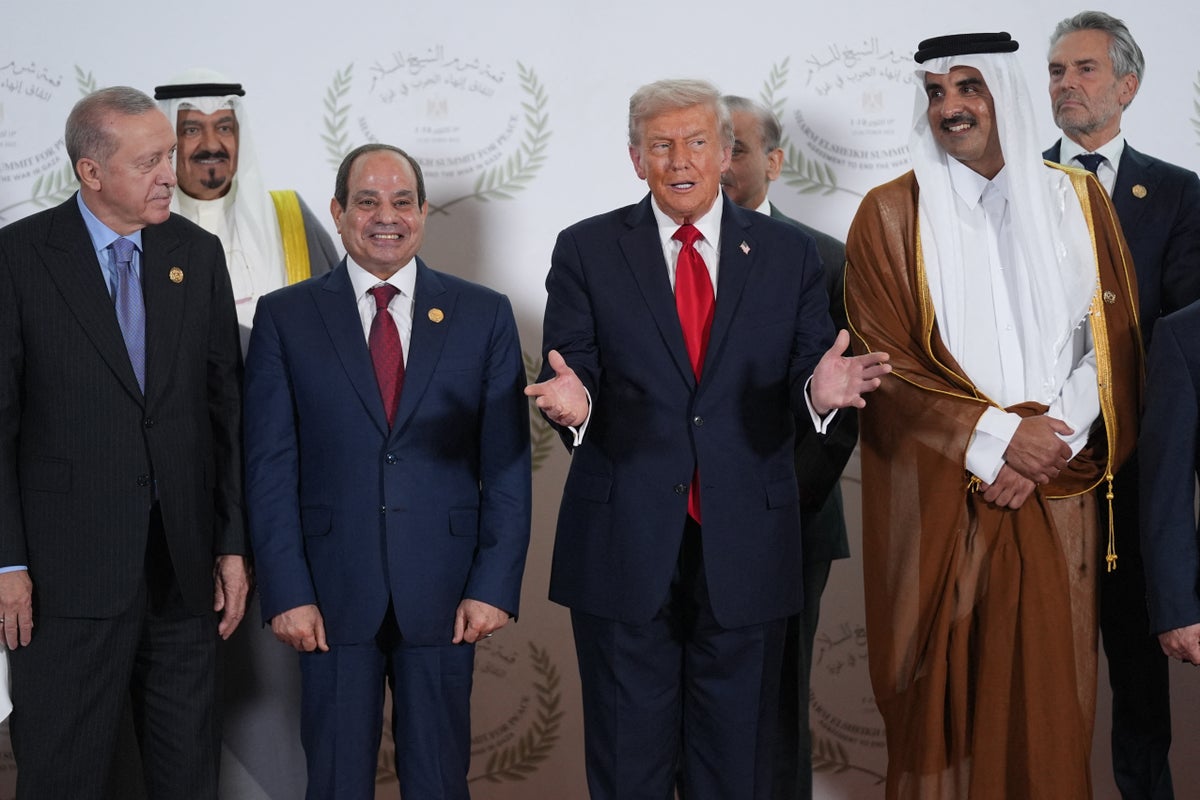
Amid the roiling diplomacy to end further chaos in world markets caused by the Israeli-American attacks on Iran, Saudi Arabia dipped into its pockets with a $3bn loan to Pakistan. This was no baksheesh moment; this was real politics in action, one which leaves US power yet further diminished.
Riyadh loaned Islamabad the money to meet a debt repayment obligation to the United Arab Emirates.
The support came in the nick of time, preventing a debt default to a neighbour and deep embarrassment when Pakistan is at the centre of global events.
It also comes as Saudi Arabia and other Gulf nations, most of whom have deep economic ties to the Trump family and the US, are putting pressure on the 47th president to end his blockade of the Strait of Hormuz.
Most of Saudi Arabia’s oil is exported through the strait, as is the fossil fuel production from the rest of the Gulf region.
The Saudis can also get about four million barrels a week out through their 1,200-mile pipeline to Yanbu on the Red Sea.
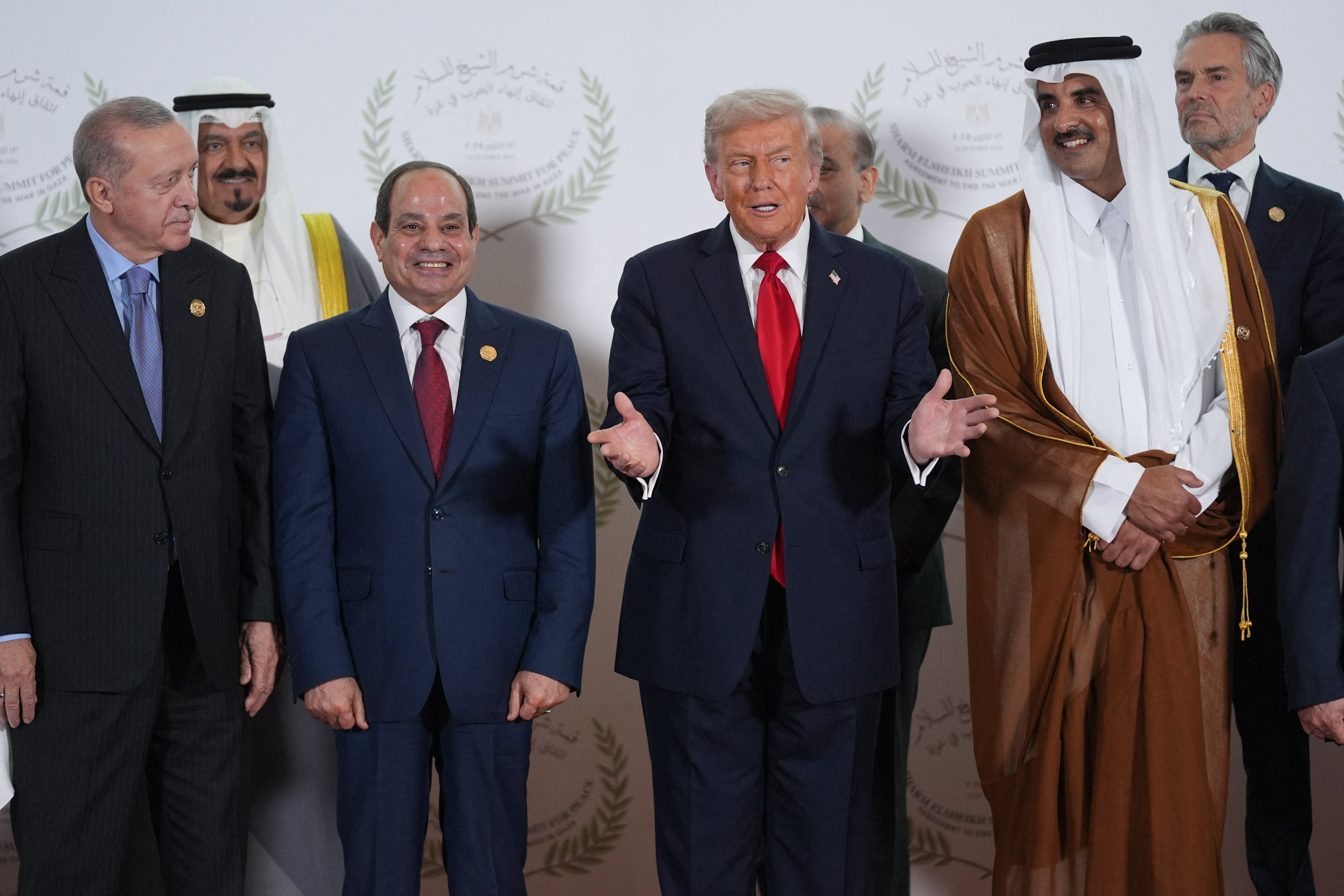
But its economy risks being further crippled if that export opportunity to the West were to be cut or disrupted, as it has been in the past, by Yemen’s Iranian-allied Houthi rebels around the Bab el-Mandeb Strait.
There has been no strategic upside to the Israeli-American attacks on Iran for Saudi Arabia or other Gulf nations.
Riyadh had been warming relations with Tehran and pivoting away from the US since the Obama administration.
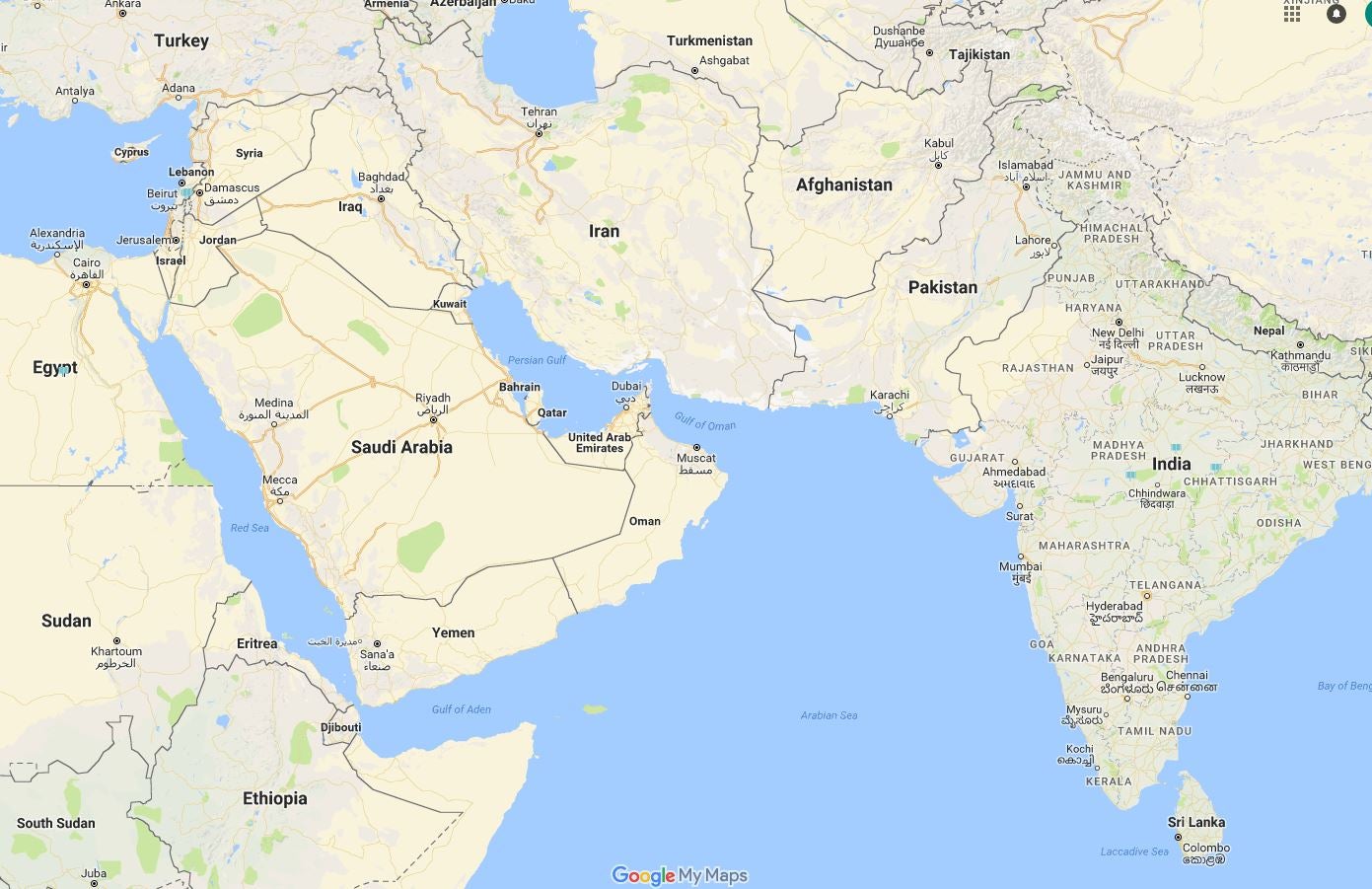
Trump has made a theatrical effort to rekindle the commercial relationship with the region.
His first foreign trip in his first term was to the Saudi capital. Qatar reportedly gave him a new aeroplane; its investors have taken vast stakes in firms connected to his family and friends.
Saudi Arabia’s public investment fund put $2bn into Affinity Partners, a private equity firm opened by Jared Kushner, his son-in-law.
In January 2025, Sheikh Tahnoon bin Zayed Al Nahyan, brother of the UAE president and chair of the emirates $1.5tn investment fund, invested $500m in the Trump family’s cryptocurrency company, World Liberty Financial.
A few days later, Trump lifted the ban on sales of Nvidia’s highest-end microchips to the UAE.
But these relationships cut little ice when the region is being subjected to retaliatory bombardment from Iran and when the US is joining Tehran in illegally closing international sea routes like the Strait of Hormuz.
“There’s no love or admiration for Trump here. There is a long-term suspicion that the Americans cannot be trusted, and if they cannot be held tightly through financial relationships, then anyway, we’ll look elsewhere for strategic friends,” said a leading Saudi businessman.
Last year, Saudi Arabia and Pakistan signed a defence pact. Now Pakistan’s prime minister is set to visit Riyadh, Turkey and Qatar this week as part of a diplomatic effort to end the Iran conflict and open the strait.
Last weekend, Islamabad hosted direct talks between the US and Iran, which failed to bring peace, but there is a loud clamour to renew the effort.
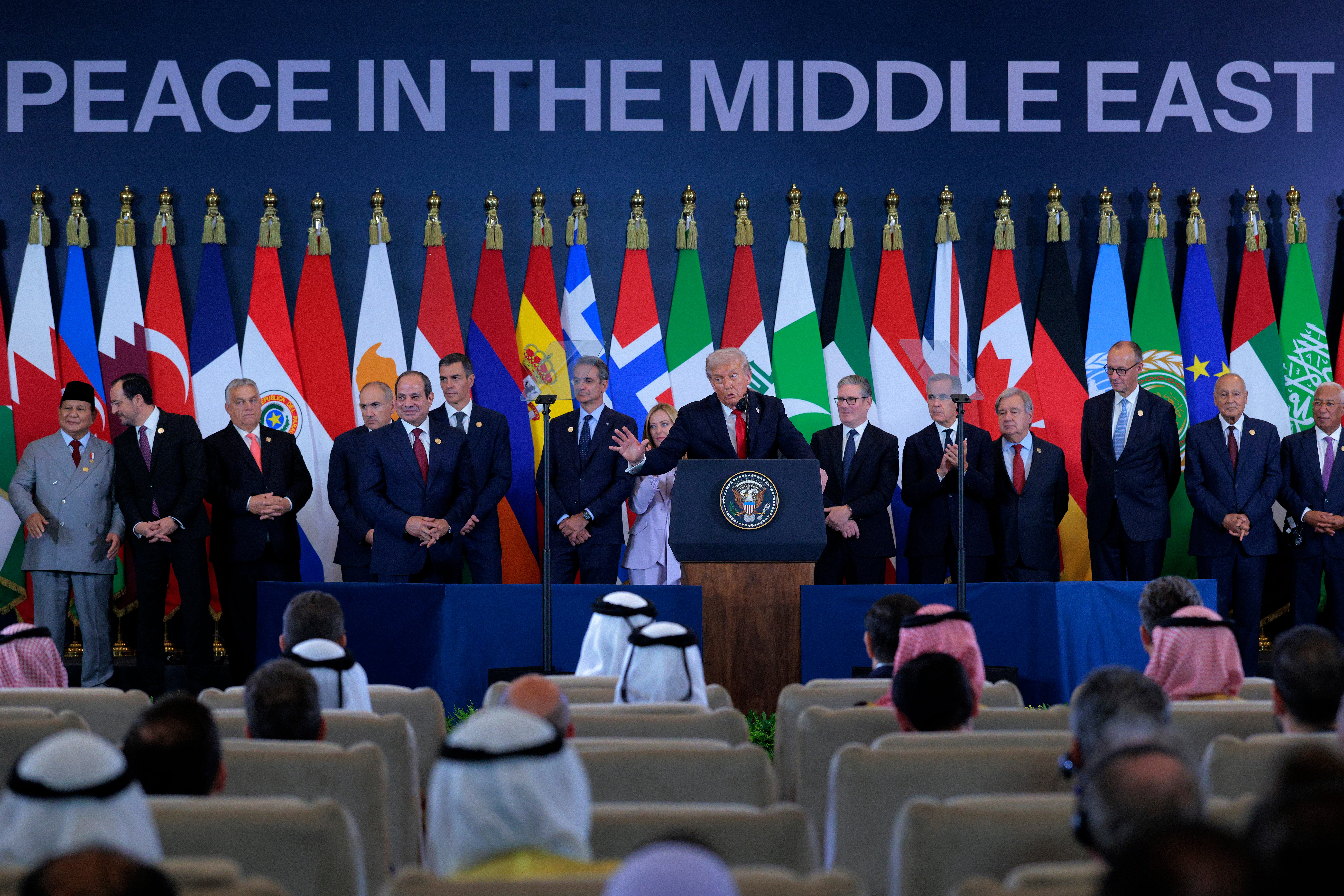
Trump told Fox News that he thought the war could be over “very soon”. In the last two weeks, he has also threatened to end Iranian civilisation.
His repeated claims to have won the war, ended the threats posed by Iran, and to have “obliterated” its nuclear programme, while still calling for it to be demolished, mean that nothing the US president says can be taken as either true or as set US policy.
“The result of all this is that US power and influence in the Gulf has been obliterated,’ said a Gulf diplomat with years of experience in dealing with the US. “Like the Europeans, we now have to make sure we have more reliable friends.”