Locked in a war that has provoked threats of genocide from America amid mayhem from Iran, Washington and Tehran are forming an accidental alliance to strangle global trade and cripple the world economy.
Donald Trump’s threat to close the Strait of Hormuz to all Iranian shipping and to all vessels that have paid Tehran an illegally imposed toll for using the international sea passage, combined with Iran’s illegal blocking of the oil artery, drove the price of a physical barrel of crude oil up to $148.
Already the cause of a global economic slowdown and surge in the price of oil, gas, fertilizer, helium and dozens of other petrochemicals, the Israel-US war against Iran and Tehran’s retaliation put all three nations squarely in the dock for violations of international law.
These now include America’s threat to violate the Laws of the Sea by making threats against international shipping which move about a fifth of the world’s fuel through the Strait.
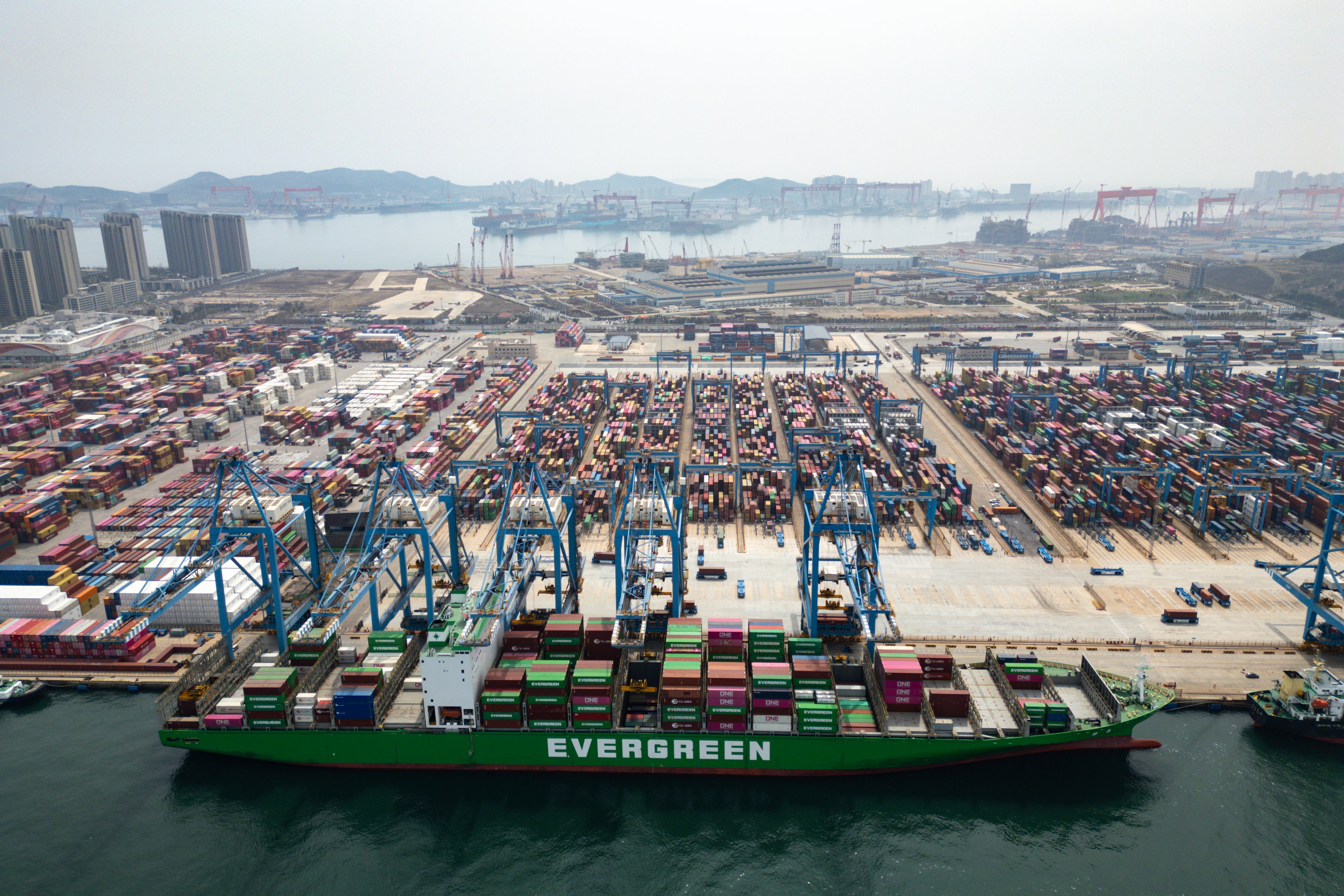
China imports about 31 per cent of the oil shipped, India about 14 per cent. In total about 86 per cent of all the oil shipped from the Gulf region by this route goes to Asia.
So China has called for “restraint” in the latest desperate effort of both the US and Iran to take their conflict to a place where each can declare some kind of victory.
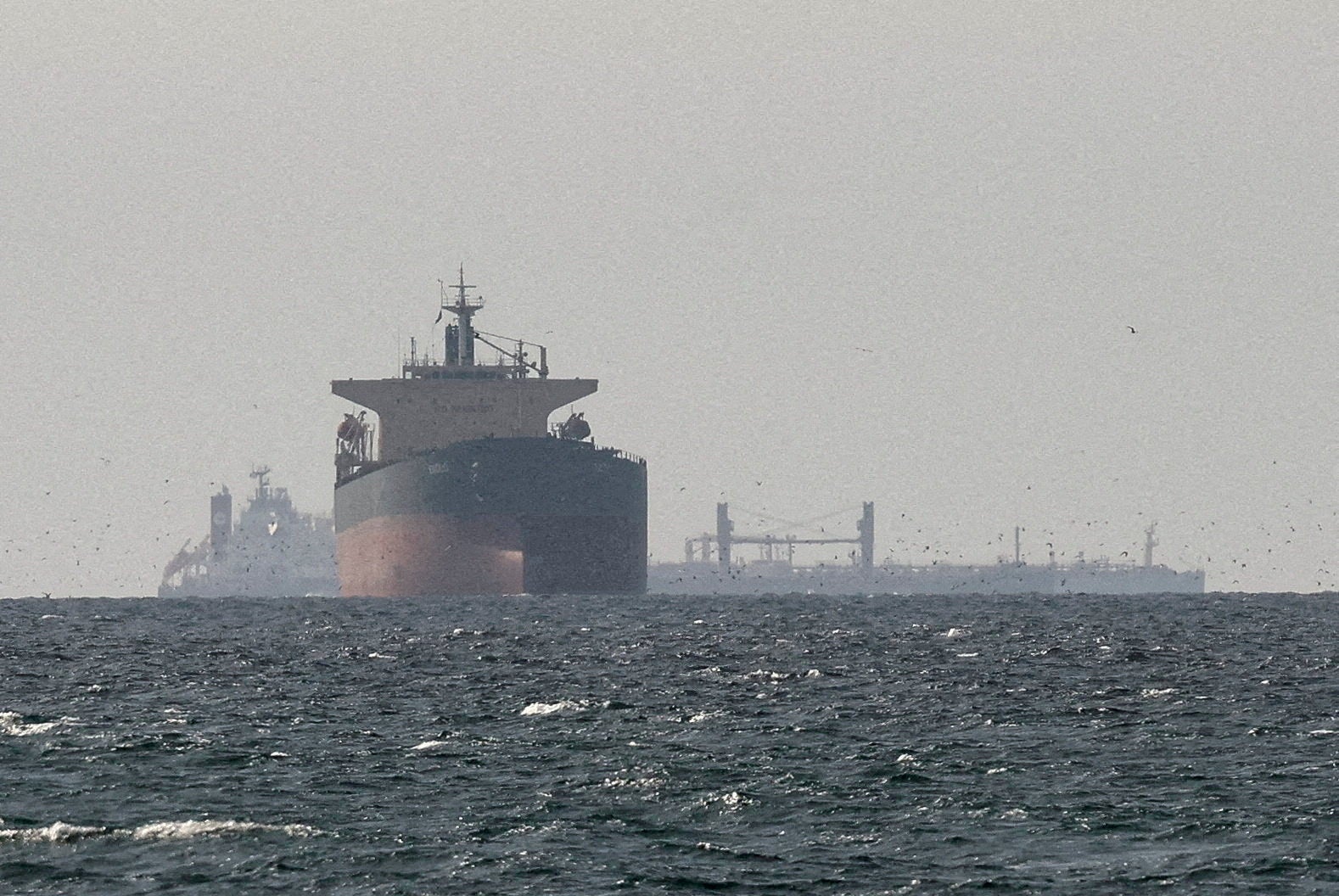
It is unclear how a US blockade would be managed. China buys about 80 per cent of Iran’s oil exports – up to 1.5 million barrels a day.
So a threat against ships taking Iranian oil through the only route out of the Gulf is a strategic threat against China.
Sinking a vessel taking oil to China would be an environmental catastrophe. It could, in theory, be seen by Beijing as an act of war.
Boarding tankers from Iran by US forces in international waters could be interpreted as enforcing sanctions. But China and Tehran would also argue that such moves would be violations of international laws governing the seascape.
Beijing is unlikely to take a belligerent stand. But Xi Jing Ping would pocket the precedent of a pirate super power again ripping up regulations designed to ensure free passage of goods around the world.
China has been building artificial islands in the South China Sea for years in an effort to lay wider claims to sovereignty over a narrow sea passage which the US and United Nations have ruled are illegal efforts to cheat the international system of Laws of the Sea. The US, and the UK among other allies, regularly sails warships through the South China Sea and close to the new archipelago of fake islands to prevent China asserting sovereignty.
Trump’s latest bizarre threat against Iran included the claim that “other Countries will be involved with this Blockade. Iran will not be allowed to profit off this Illegal Act of EXTORTION,” he wrote in a social media post.
So far no American allies have agreed to participate in his illegal blockade.
The new tactic emerged after intensive face-to-face talks between Iran and the US, headed by vice president JD Vance in Pakistan, yielded no concessions from Iran on its nuclear programme which the US (and its allies) have said must be forever shut down.
But Trump is running out of options for how to extract America from a war that may have suited Israel’s far-right agenda of trying to smash the military capabilities of nations that threaten its existence in the region, but delivered nothing that can look like success to anyone in Washington.
The forcing of the issue around the Strait of Hormuz is part of a continued effort to draw America’s traditional allies into the Middle Eastern conflict. This has failed.
Later this week, the UK and France will jointly host an international summit to put together a “defensive mission” to protect the straits. But they are leaving the US, Israel and Iran to figure out how to end their war.
“[It will] advance work on a coordinated, independent, multinational plan to safeguard international shipping when the conflict ends,” Sir Keir Starmer posted on X.
The key phrase here is “when the conflict ends” which has been a consistent principle of European and other allies who see no strategic benefit nor imperative behind the US-Israeli attacks on Iran.
Tehran, meanwhile, continues to internationalize the war with demands that any ceasefire with the US and Israel also include an end to attacks in Lebanon, where Israel has unleashed a widespread campaign across the country against Hezbollah, the Iranian-backed militia.
Israel and the US have boxed that demand out of ceasefire options. But Washington is now boxed into puzzle of its own making. How to get out of the war with Iran when none of the aims have been achieved?
The regime remains in charge in Tehran, and continues to back militant groups like Hamas and Hezbollah. It is refusing to give up its nuclear ambitions. Its missile programme threatens America’s friends in the Gulf, and there’s no sign that Tehran’s leaders will back away from their desire to put an end to the existence of Israel.
Trump, meanwhile, has threatened to put an end to Persian civilization, in language as directly threatening as anything that Iran’s ayatollahs have made about Israel.
And this week he is adding threats of piracy and outright war against China, a nuclear power with a gigantic army, navy and air force. China’s dignified response to Trump’s irrational threats and tantrums make Washington look more like the base of unhinged fanatics and Beijing, a fast expanding commercial imperial power, as a refuge for the rational.