

A significant portion of the British public is showing increased interest in home energy solutions such as solar panels, insulation and heat pumps, driven by concerns over rising costs and what many are labelling a “Trump tax”.
Polling suggests that a third of adults are now more inclined towards these installations following the recent conflict in Iran.
However, the survey, conducted by Survation for the End Fuel Poverty Coalition among over 2,000 adults, revealed a major hurdle: 60 per cent believe such energy-saving technologies are simply too expensive to install.
This financial barrier comes as nearly three-quarters (71 per cent) advocate for greater government support for insulation, and 68 per cent desire more funding for solar panels and heat pumps to mitigate future energy crises by reducing consumption and household bills.
With energy price hikes anticipated from July, a staggering 83 per cent of respondents expressed worry, and 44 per cent indicated they would be unable to afford them.
In response, 73 per cent are calling for targeted government assistance, while 67 per cent believe support should be extended to all households.
The April survey also found that three-quarters of the public (76 per cent) hold US President Donald Trump responsible for the impending energy bill increases affecting UK homes due to the Iran conflict, with nearly two-thirds (63 per cent) agreeing these rises constitute a “Trump tax” on their bills.
Beyond political figures, public anger is also directed at energy companies.
Two-thirds (64 per cent) believe the energy industry is profiteering from the Iran conflict, which has seen oil and gas prices surge. Furthermore, more than half of those surveyed consider it wrong to end the windfall tax on energy firms at this time.
The escalating energy prices, exacerbated by the US-Israeli war on Iran, have prompted 35 per cent of individuals to become more interested in home energy technology that could reduce their bills, while only a quarter reported no change in interest, and a fifth already possessed such technology.
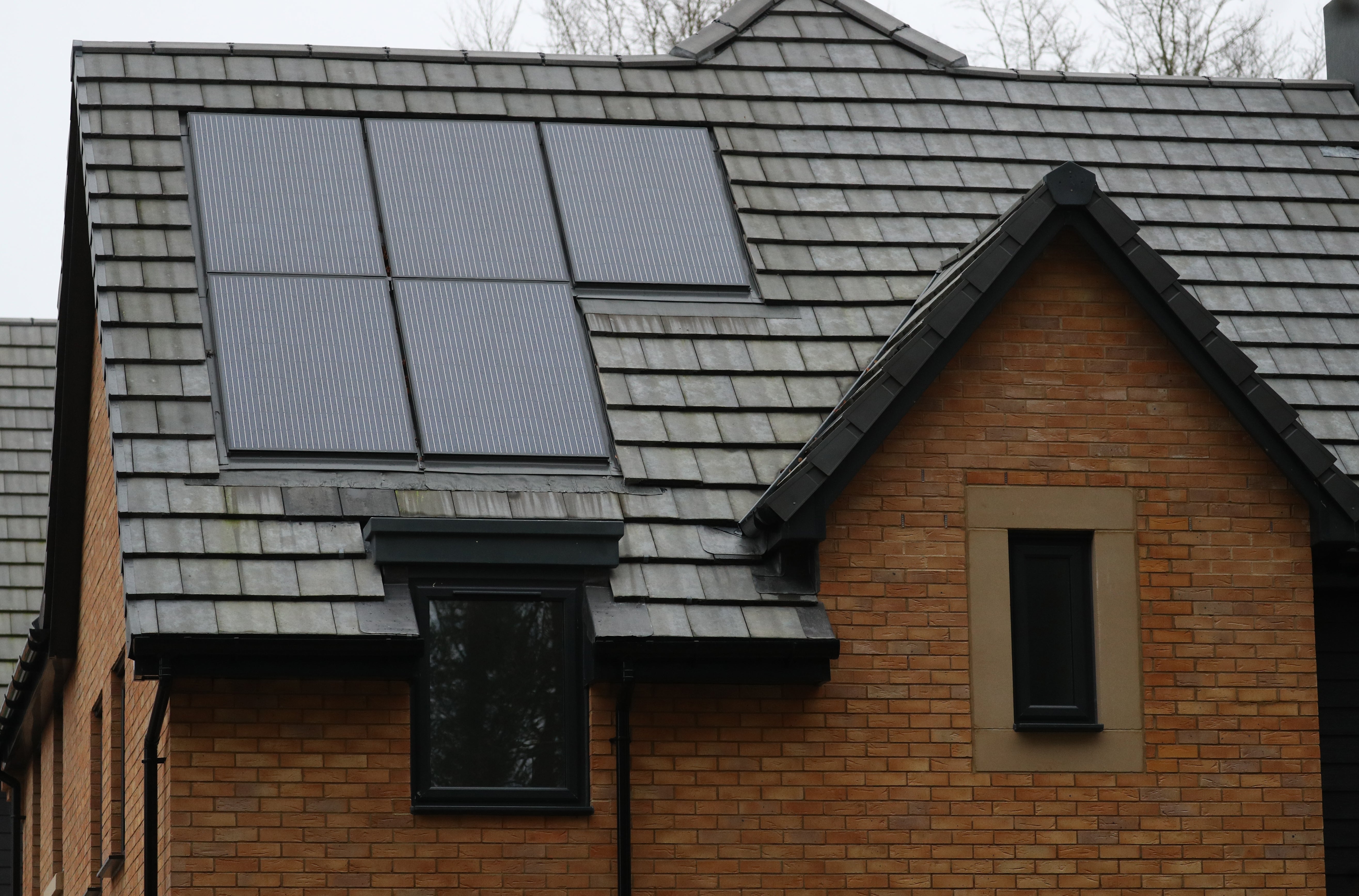
Of those who were more interested, 45% were keen on roof-top solar panels, 36% would like more home insulation, 35% are interested in the new plug-in solar option the Government is planning to bring into shops and 26% are more interested in getting a heat pump.
Simon Francis, End Fuel Poverty Coalition co-ordinator said: “The public has had enough of history repeating itself.
“They want to protect themselves from oil and gas price shocks for good, and the Government has both the means and the mandate to help them do it.
“Energy firms made £125 billion in profits on their UK operations over the last five years and companies like BP are already expecting bumper profits from the fresh crisis.
“The windfall tax revenue raised by the Treasury should be going further to help households cut their bills for good,” he said, urging the Government to make its “warm homes plan” more ambitious and guarantee every upgraded home will see energy efficiency improve and bills come down.
Under the £15 billion plan, homeowners will be able to access low and zero-interest loans, while low-income and fuel poor households will get free upgrades, for insulation, solar panels, heat pumps and batteries.
Robert Palmer, deputy director of campaign group Uplift which backs the transition from fossil fuel production in the UK, said: “People know they’re being hit with a Trump Tax, plain and simple.
“We’re facing higher energy bills, rocketing fuel prices and more expensive mortgages.
“Our dependence on fossil fuels is making all of us poorer. All except for the oil and gas bosses and their shareholders who – once again – are set to cash in at our expense.”
He said more drilling in the North Sea, as Mr Trump has repeatedly called for, would not “take a penny off our bills” and have no meaningful impact on UK gas supplies.
“The only way to insulate ourselves from these risks is to press on with renewables, like wind, and upgrade our homes with solar power and heat pumps, so we can free ourselves from oil and gas and ensure we have a liveable planet,” he said.