
President Donald Trump has set 100 percent tariffs on prescription drugs from overseas companies that have not reached a deal with him to lower prices.
On Thursday, one year after “Liberation Day,” when Trump announced sweeping global tariffs that eventually got knocked down by the Supreme Court, the president imposed new 100 percent tariffs on patented pharmaceuticals and their ingredients.
Certain large companies will be hit with the tariffs in the next 120 days, and smaller companies will see them in 180 days, according to a White House memo.
“Despite being the world leader in research and development for most innovative pharmaceuticals, the U.S. is heavily reliant on imports, threatening to limit U.S. access to life-saving medications in the event of global supply chain disruption,” the memo read.
The Trump administration will not impose tariffs on companies that have entered into “Most Favored Nation” pricing agreements and deals to produce drugs in America.
Trump issued an executive order in May that directed administration officials to “communicate most-favored-nation price targets to pharmaceutical manufacturers to bring prices for American patients in line with comparably developed nations.”
In the executive order, Trump talked about drug manufacturers scheming to “deeply discount their products to access foreign markets, and subsidize that decrease through enormously high prices in the United States.”
“As the largest purchaser of pharmaceuticals, Americans should get the best deal,” he argued.
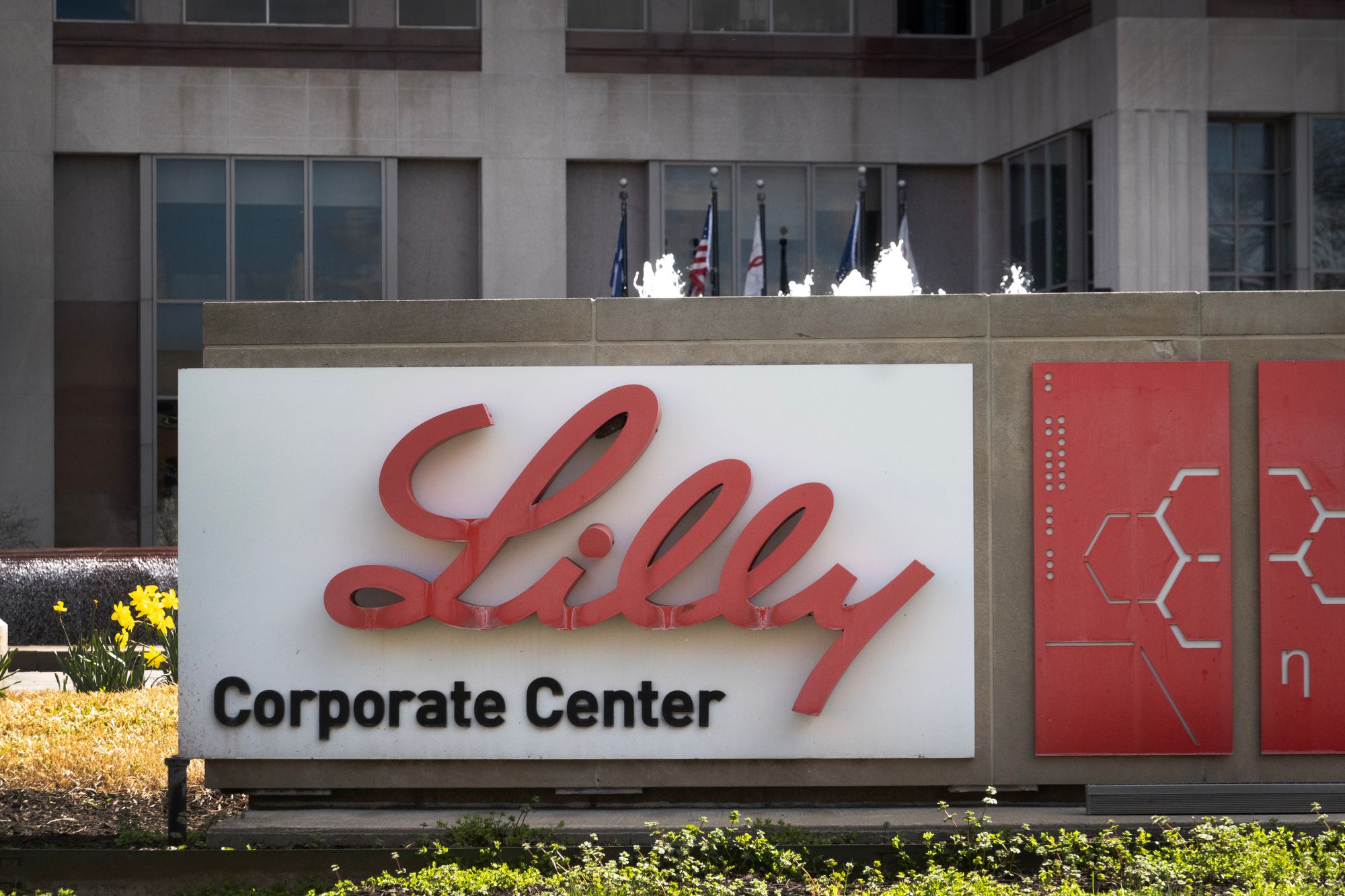
Several pharmaceutical companies, including Eli Lilly and Novo Nordisk, have struck deals with the Trump administration to lower drug costs and invest in the U.S.
Companies that enter into onshoring agreements but don’t lower drug costs will be hit with a 20 percent tariff, according to the new memo.
Some pharmaceutical products will be subject to lower tariffs if the U.S. already has a trade deal with the country of origin. If a product is from the European Union, Japan, Korea, Switzerland or Liechtenstein, a 15 percent tariff will be imposed.
Speciality pharmaceutical products, such as orphan drugs and drugs for animal health, are exempt from the new tariffs if they are from countries with trade deals or “meet an urgent public health need,” according to the memo.
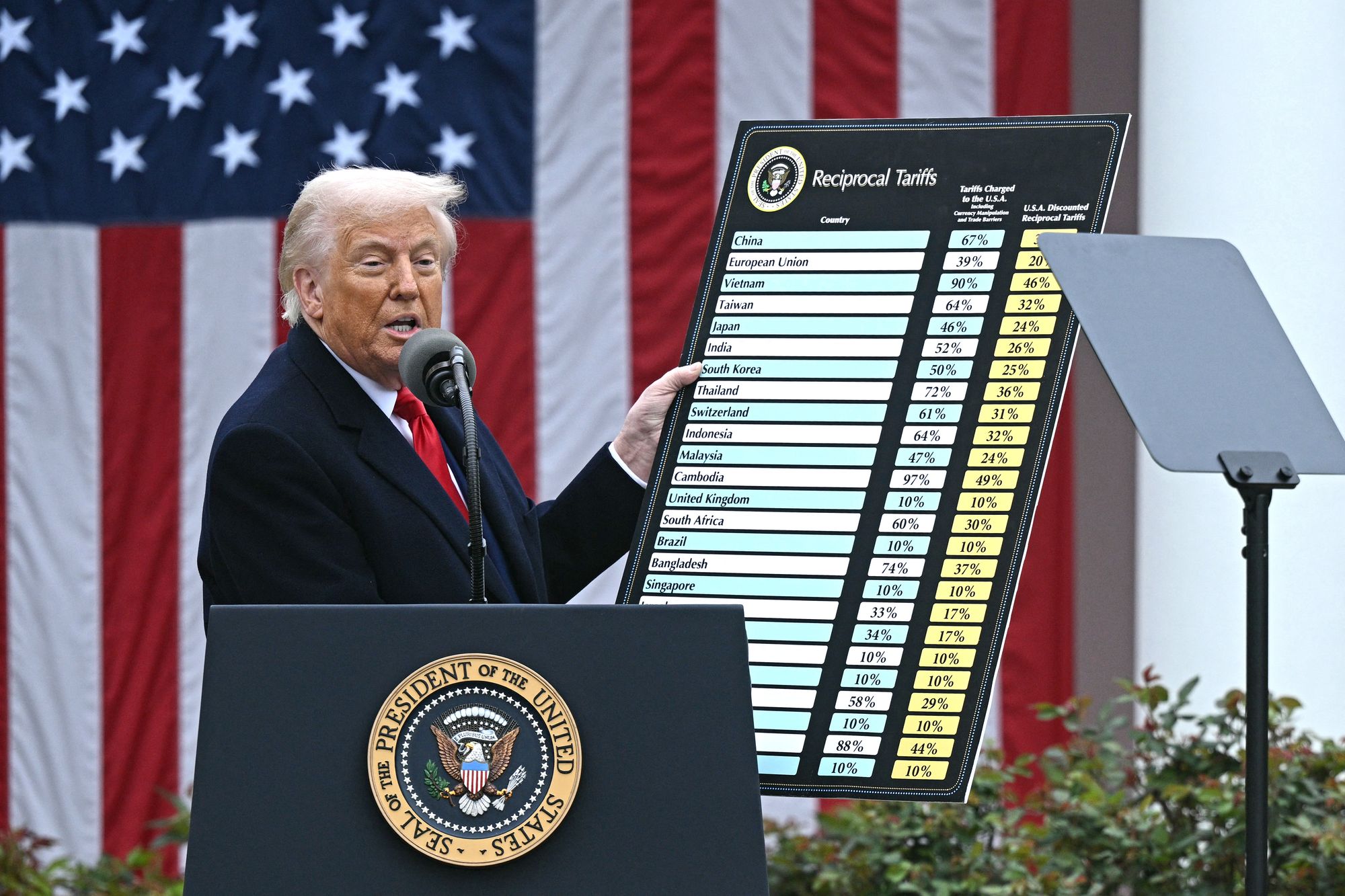
One year ago today, Trump imposed a 10 percent tariff on all imported goods and additional reciprocal levies against partners that his administration accused of unfair trade practices.
Last month, the conservative-leaning Supreme Court ruled 6-3 that the tariffs brought under the 1977 International Emergency Economic Powers Act were unlawful.
“The president asserts the extraordinary power to unilaterally impose tariffs of unlimited amount, duration, and scope. In light of the breadth, history, and constitutional context of that asserted authority, he must identify clear congressional authorization to exercise it,” Chief Justice John Roberts wrote in the decision.
Some tariffs were not impacted by the Court’s decision, including those imposed on specific sectors, such as aluminum or steel. These tariffs were imposed under Section 232 of the 1962 Trade Expansion Act, the same law that Trump used to impose the pharmaceutical tariffs.