

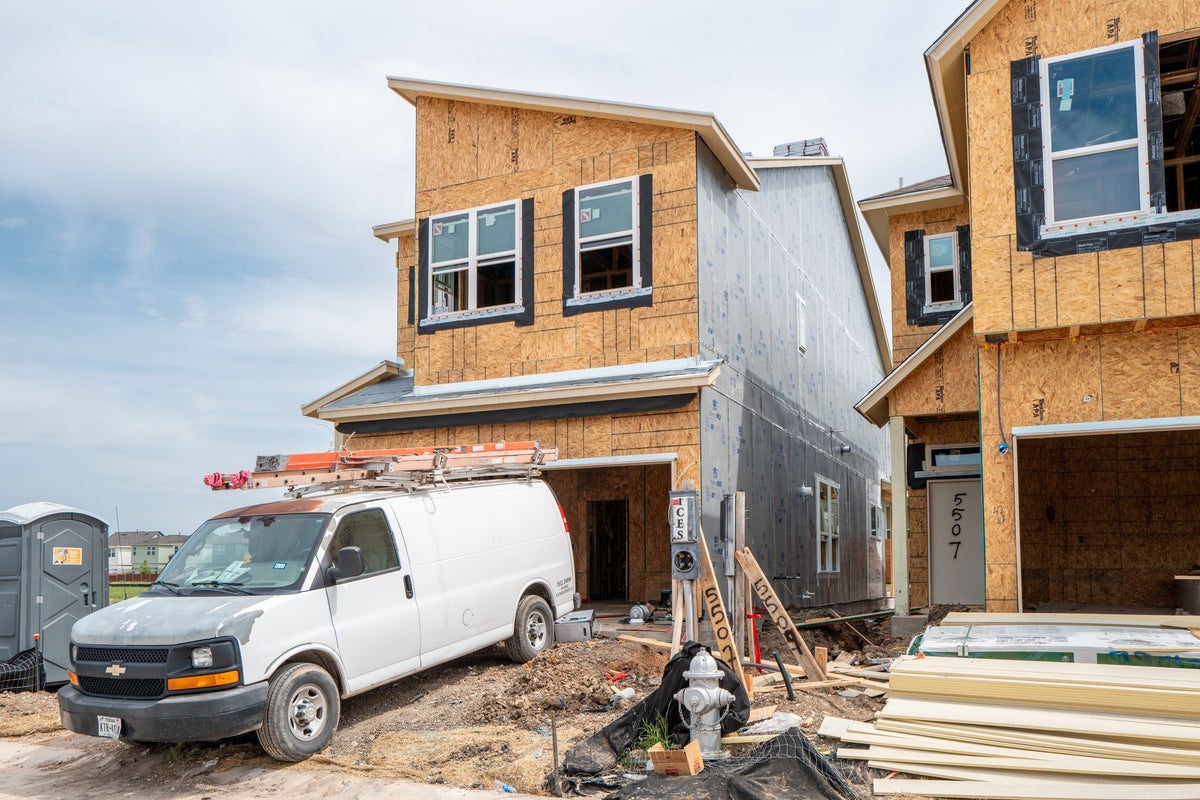
A bipartisan group of lawmakers is pushing to give special visas to construction workers, given that the Trump administration’s deportation campaign is reportedly causing a labor shortage on construction sites in states like Texas.
The Essential Workers for Economic Advancement Act, introduced in September, would offer non-citizens temporary, renewable visas for up to nine years to work in key industries where employers are struggling to hire.
“That would help us protect and get immigrants legally for those in the construction industry,” Rep. Monica De La Cruz (R-TX) told Nexstar.
De La Cruz was part of a group of South Texas leaders who met with House Speaker Mike Johnson this week to discuss the proposal, as home builders in the state warn of slowing construction times and difficulty hiring over fears of immigration raids.
“They hear Monte Cielo and say, ‘No, no. You can pay me whatever you want, but I’m not going to go work there,’” Alejandro Garcia, a home builder at work on a development in Weslaco, Texas, that has been raided multiple times, told The Wall Street Journal last week.
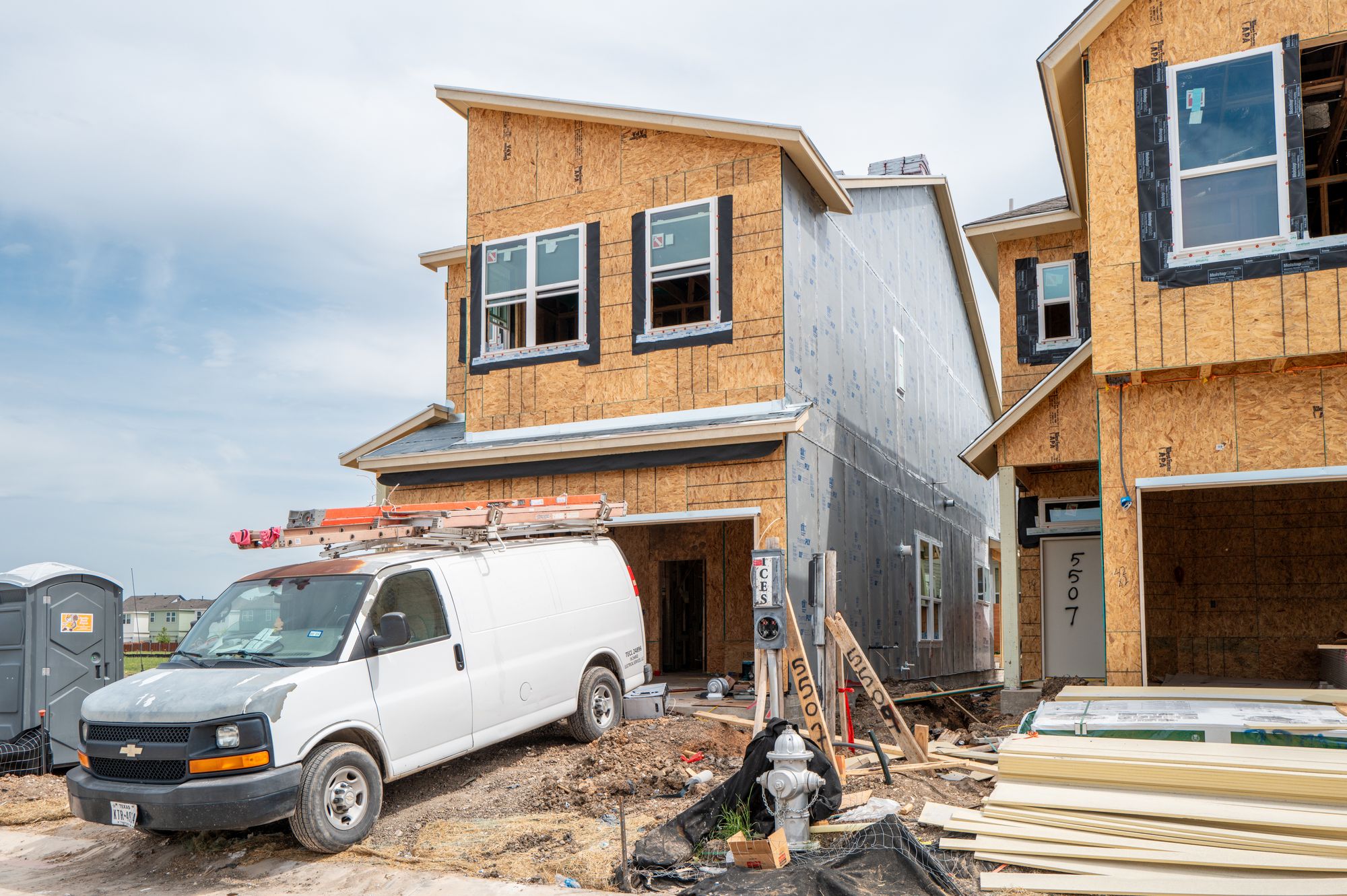
A concrete supplier in the region, meanwhile, told the paper that concrete use fell 60 percent between May and November, as builders lost workers and projects stalled.
“A project that was taking maybe four to five months on an average, starter-type home is now taking eight, nine, 10 months, just because of the delays,” Efrain Gomez, treasurer of the South Texas Builders Association, told NewsNation. “It’s a huge ripple effect.”
Immigrants, legal and otherwise, make up more than half the construction workforce in states like Texas, California, Florida, and New York, according to the National Association of Home Builders.
The Trump administration’s immigration campaign has butted up against key industries like agriculture, hospitality, and construction that rely heavily on the labor of immigrants and undocumented people.
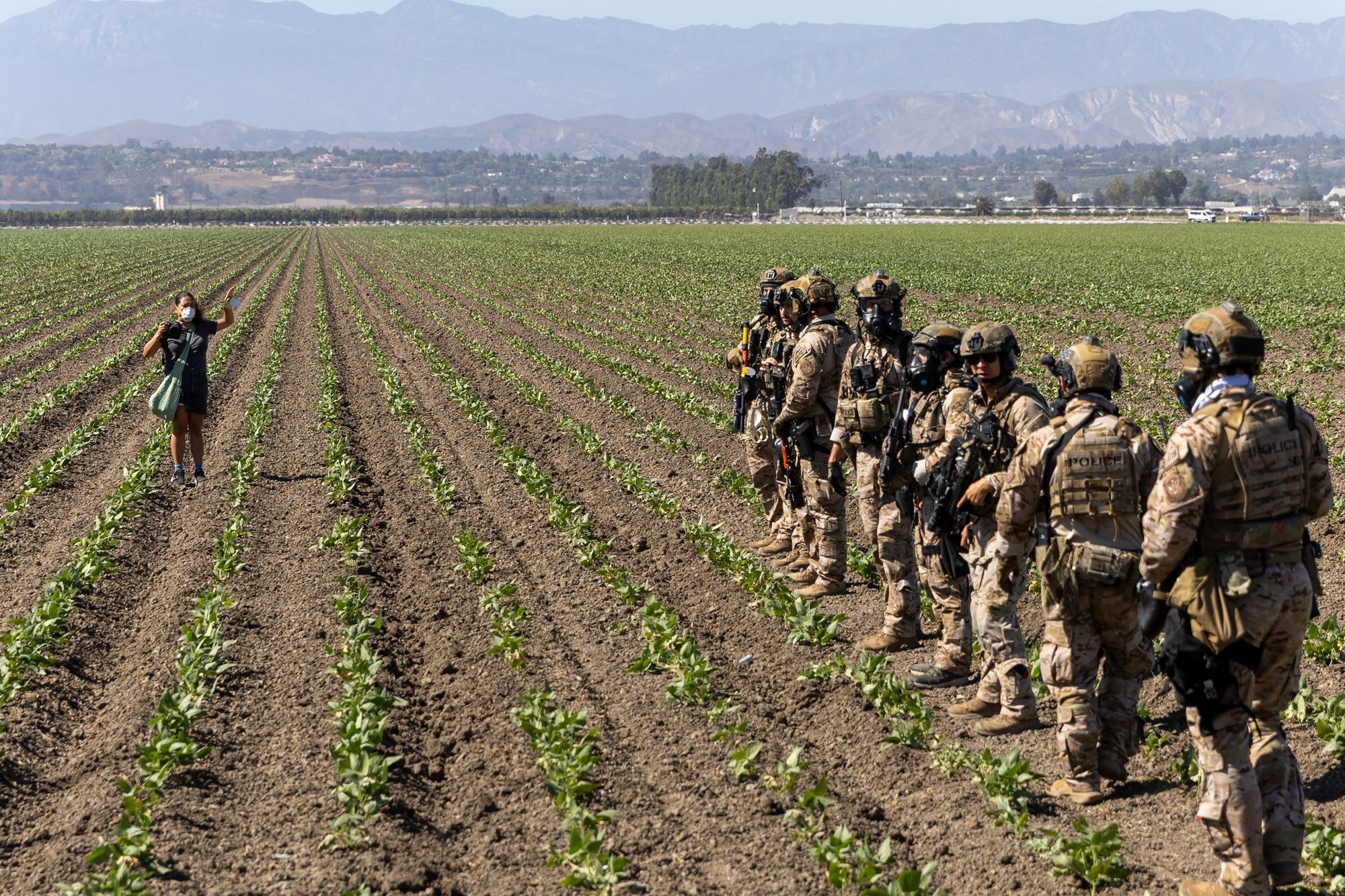
The administration has pushed to expand the H-2A visa for farm workers, and last year, Trump toyed with a pause on raids on hotels, restaurants, and agriculture, only for the administration to insist days later there would be “no safe spaces for industries who harbor violent criminals or purposely try to undermine ICE’s efforts.”
The administration has faced similar tensions over the H-1B specialist visa program, which is heavily in use by the president’s allies in the tech industry but undercuts his emphasis on hiring American workers.