Senior advisers to Donald Trump would privately prefer Israel to strike Iran first as a sharp response from Tehran would make it easier to justify US intervention, according to a report.
Two people familiar with talks on the matter told Politico that there is an assessment at the highest levels that Americans would be more likely to support the US supporting an ally than picking a fight with Iran without clear provocation.
Recent polling showed 56 per cent of the American public has little or no trust in Mr Trump’s judgment regarding the use of force overseas, reflected in a disapproval rating that has risen four points in the last month alone.
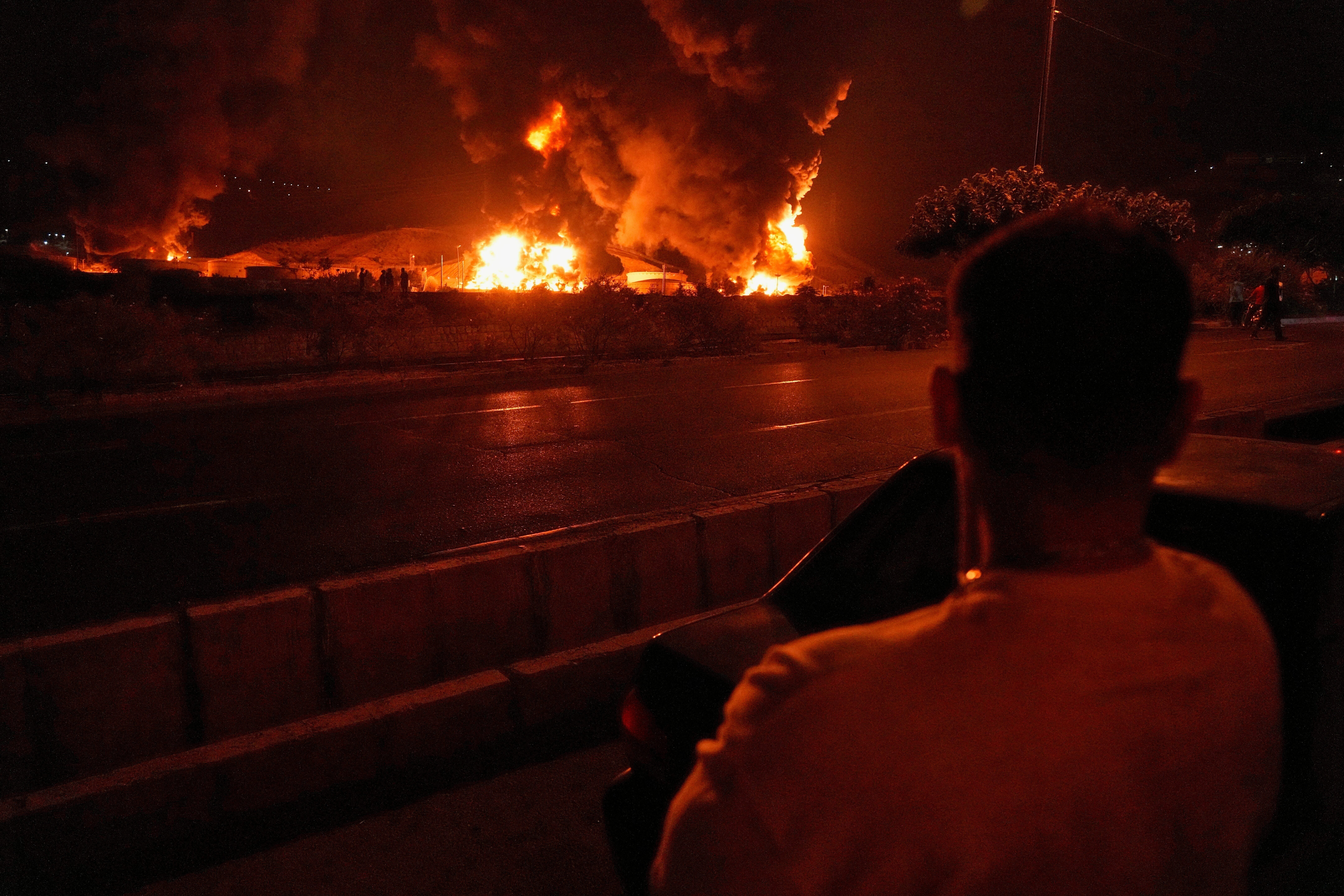
“There’s thinking in and around the administration that the politics are a lot better if the Israelis go first and alone and the Iranians retaliate against us, and give us more reason to take action,” one of the sources told Politico under the condition of anonymity.
Both sources told the outlet that if Mr Trump does opt for a military campaign, the most likely scenario would involve bilateral US-Israeli action, similar to the strikes on Iranian nuclear infrastructure last summer.
A US official told Reuters that the US has already sent a dozen F-22 fighter jets to Israel, the first time Washington has deployed combat aircraft to the country for potential wartime operations. The Trump administration has not formally announced the deployment.
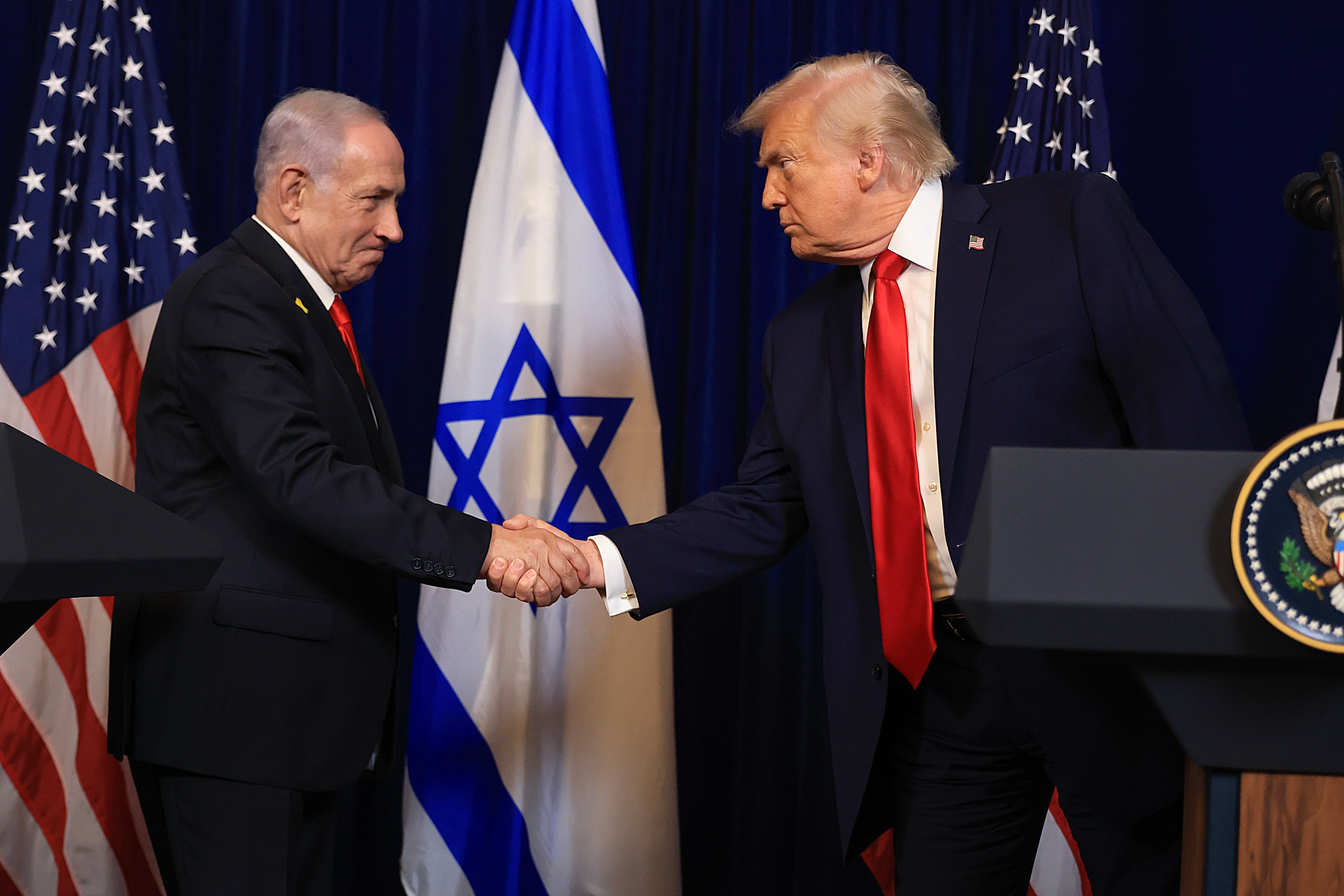
Mr Trump has said that he would prefer a diplomatic outcome to the crisis, but has kept the option of force on the table, moving two aircraft carriers and accompanying destroyers to the region in a show of force.
The USS Gerald R Ford, the largest US aircraft carrier, left port near Crete on Thursday bound for shores near Haifa in northern Israel, where it is expected to arrive on Friday.
The large US deployment has raised fears of a wider regional conflict. In June last year, the US joined Israel in hitting Iranian nuclear sites. Iran has threatened to retaliate fiercely if attacked again.

Washington is pushing Tehran to make a deal to limit its nuclear programme, which it claims is aimed at building a nuclear weapon. Iran denies the allegations, but said it would approach ongoing talks in Geneva with “seriousness and flexibility”.
Mr Trump raised tensions last Thursday when he said that Iran would have to make a deal within 10 to 15 days or “really bad things” would happen.
Iranian foreign minister Abbas Araghchi said on Tuesday that Iran aimed to achieve a fair, swift deal, but reiterated that it would not forgo its right to peaceful nuclear technology.
Washington views nuclear enrichment inside Iran as a potential pathway to nuclear weapons.