

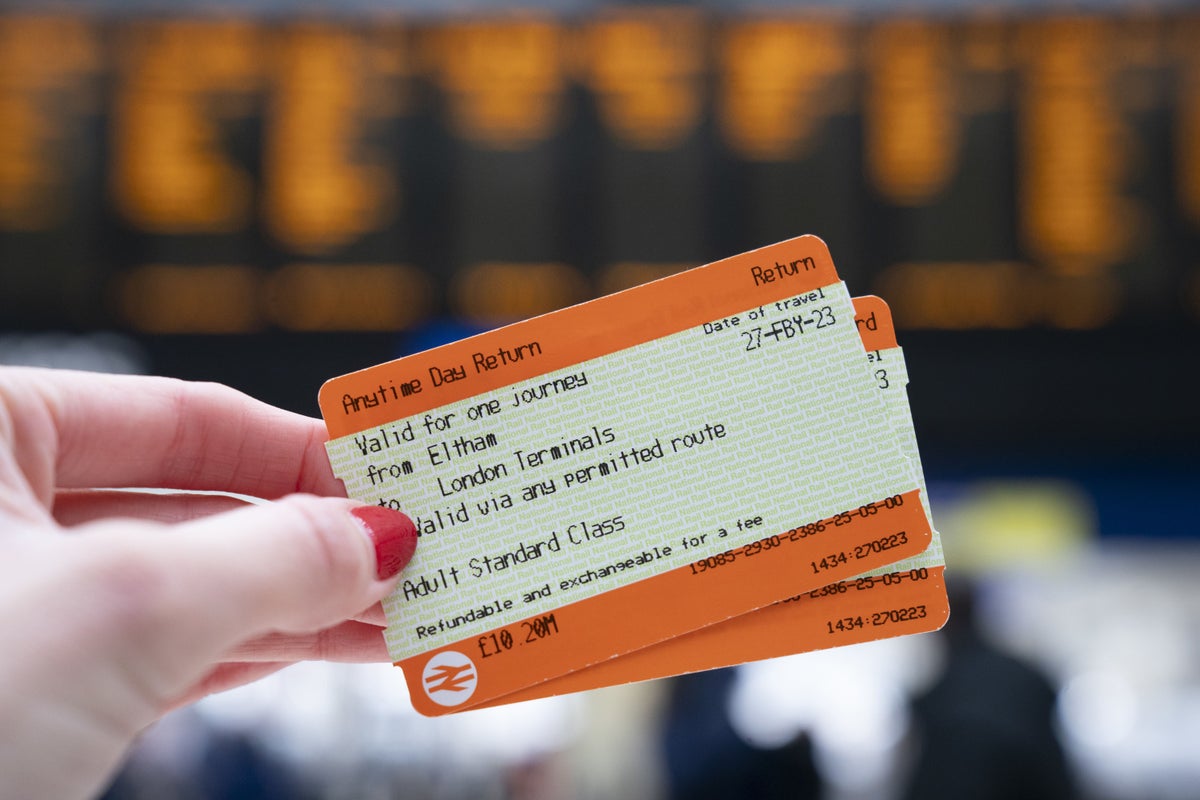
Train passengers utilising railcard discounts will soon face additional validation checks as part of a government crackdown on fare dodging, a measure the Department for Transport (DfT) anticipates will save approximately £20million annually in lost revenue.
These new trials, expected to begin in the latter half of 2026, will require passengers across Britain purchasing discounted tickets from machines to scan their railcard or input details such as its number and their name.
For those buying tickets via a registered website or app account, the information will only need to be entered once, allowing for automatic verification in subsequent transactions.
The initiative follows a decision to tighten refund regulations for flexible tickets, aimed at curbing an estimated £40 million annual loss due to abuse.
From the start of next month, Off-Peak and Anytime tickets will only be refundable up to 11.59pm on the day before they become valid for travel, unless services are disrupted.
Retailers will, however, consider claims from ticket-holders unable to travel due to exceptional circumstances, such as medical emergencies.
This change is designed to tackle “refund abuse,” where claims are made for tickets that have been used but not scanned or stamped, a practice currently facilitated by the ability to return unused tickets within 28 days of expiry without providing a reason.
In a more passenger-friendly development, the DfT also revealed plans to streamline the process for claiming compensation for disrupted services.
Under the revamped Delay Repay scheme, passengers will be able to claim payouts directly from their point of purchase, a significant improvement from the current system where applications can only be processed by the relevant train operator.
Online ticket retailer Trainline recently estimated that passengers miss out on over £80 million annually in compensation for delayed journeys because “one-click” claims are largely limited to those who buy tickets directly from operators, rather than independent retailers.
To address this, the DfT confirmed that the compensation claims systems used by 14 different operators will be merged, aiming to eliminate “confusion and frustration.”
These wide-ranging changes are set to be implemented under the umbrella of Great British Railways (GBR), an upcoming public sector body tasked with overseeing Britain’s rail infrastructure and train operations. GBR is anticipated to become operational by the end of the year at the earliest.
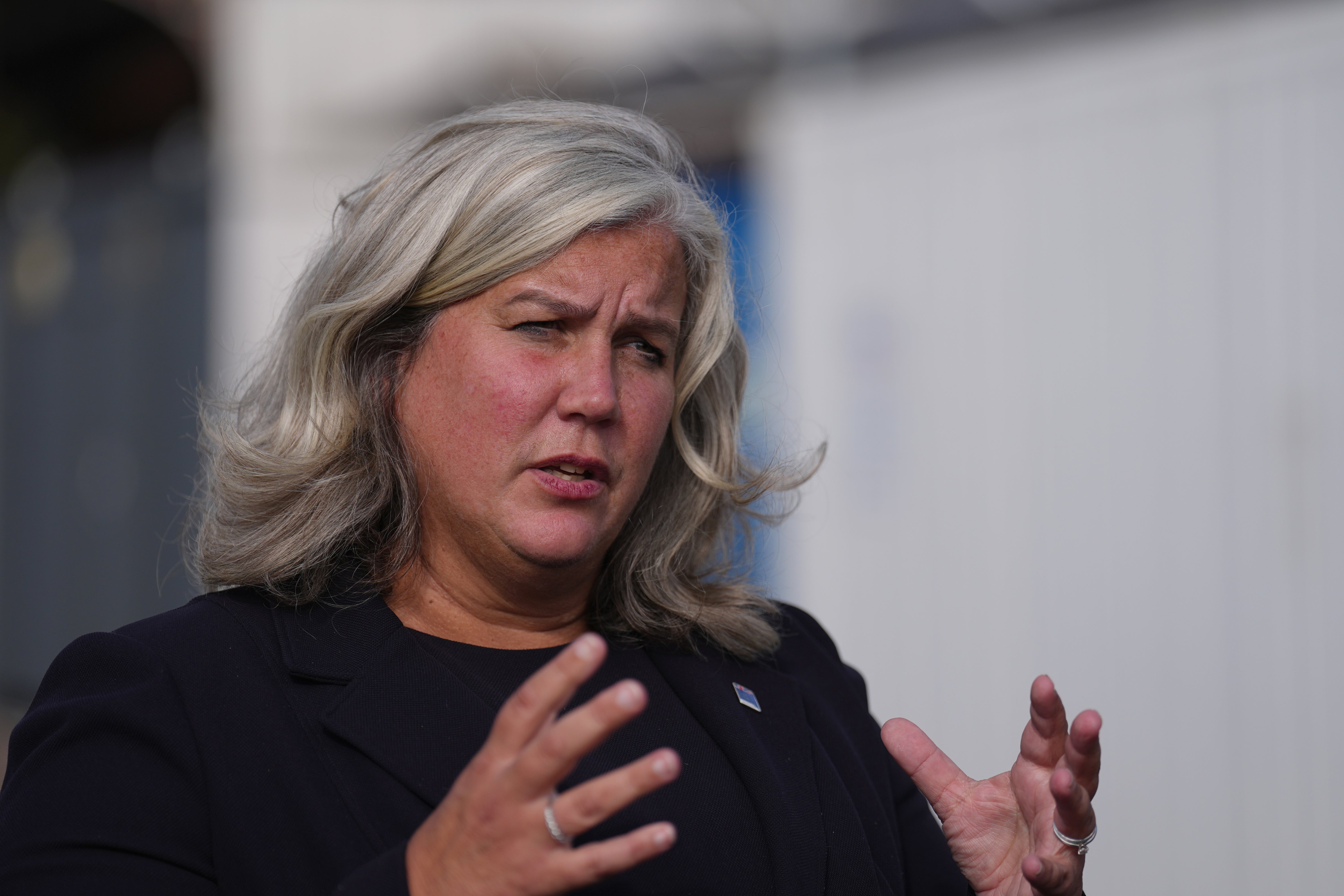
Transport Secretary Heidi Alexander stated: “Using the railway will be simpler and more reliable under Great British Railways. When services are delayed, passengers should be able to easily claim the compensation they’re owed.
“These necessary changes will ensure people can claim Delay Repay compensation more quickly and the industry can invest taxpayers’ money in the things that really matter for passengers: freezing fares and delivering train and station upgrades, rather than losing out to fare dodgers and fraud.”
Jacqueline Starr, chief executive of industry body the Rail Delivery Group, commented: “It’s important that customers can claim compensation when their journey is disrupted, and Delay Repay is there to make sure customers can receive money back when delays happen.
“The Government’s plan to develop a consolidated Delay Repay service will make it easier for all customers to request compensation, regardless of where they bought their ticket, with a more consistent process for reviewing and processing all claims.”
Jody Ford, chief executive of Trainline, added: “Wherever you buy your ticket, the focus must be on getting more people to choose rail. These future changes to Delay Repay have real potential to support that ambition and will be welcomed by millions.”
