

A Conservative councillor has been dismissed from his role as a magistrate after publicly criticising a judge and alleging a “two-tier justice system”. Simon Fawthrop, who represents Orpington ward on Bromley Council, made the controversial remarks following the conviction of four anti-ULEZ activists for harassing Mayor of London Sir Sadiq Khan.
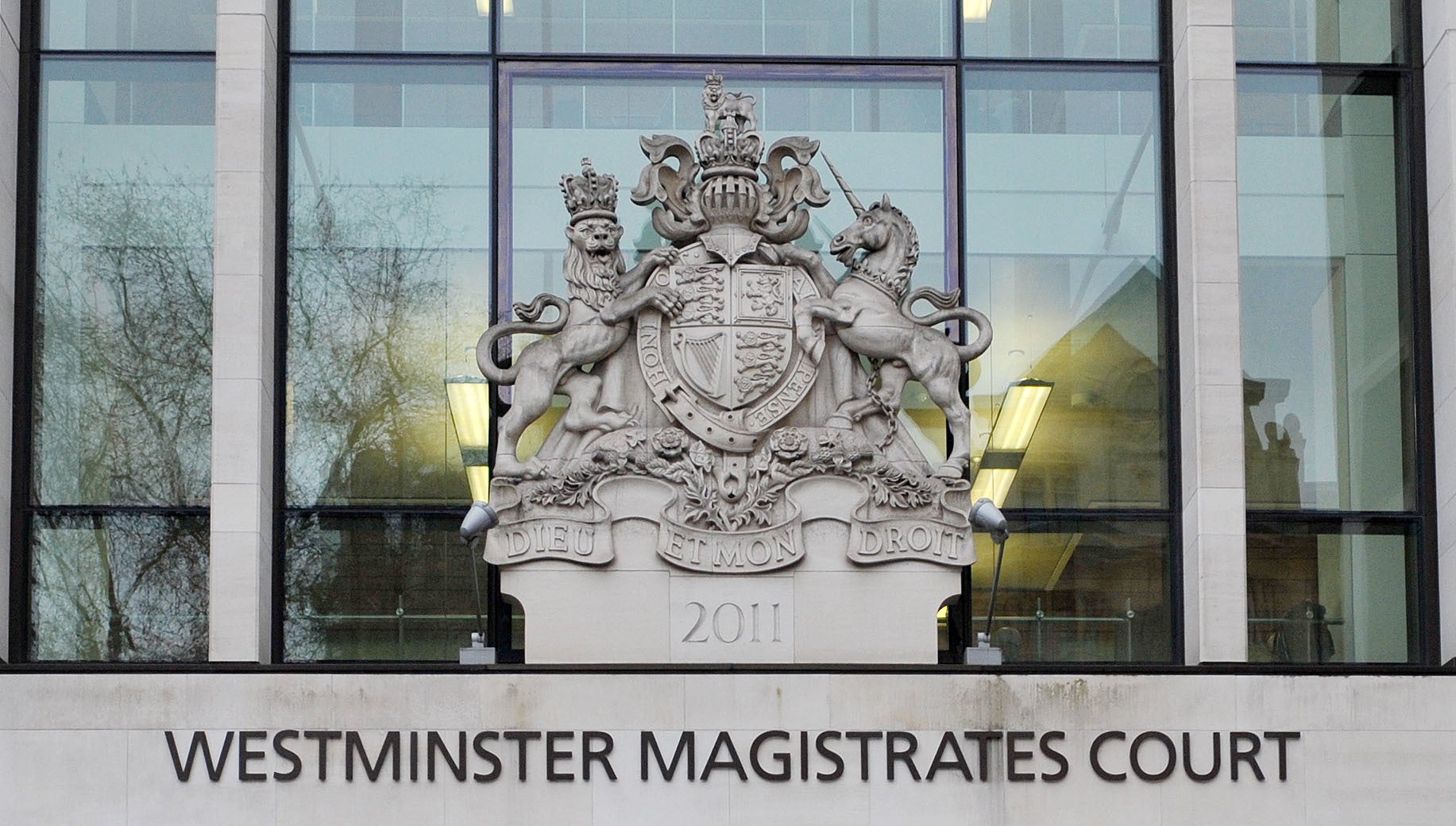
Mr Fawthrop, acting as a spokesman for the defendants outside Westminster Magistrates’ Court, stated that he himself was a magistrate. He labelled District Judge Daniel Sternberg’s verdict “inconsistent” and a “body-blow to free speech”, further suggesting the judge should have recused himself due to “unconscious bias”.
He drew a comparison to a separate case where Greenpeace activists were acquitted of criminal damage after scaling Rishi Sunak’s house. Mr Fawthrop argued that Judge Sternberg’s decision to convict the anti-ULEZ campaigners “gave the public an impression of a two-tier justice system”.
The Judicial Conduct Investigations Office (JCIO) has since found Mr Fawthrop guilty of gross misconduct, leading to his removal as a magistrate. The ruling revealed that he had claimed to be the target of a “politically motivated” complaint, and was found to have fundamentally misunderstood his duties.
The JCIO notice of the misconduct proceedings, which were conducted in private, sets out: “A complaint was made to the London Conduct Advisory Committee alleging that Mr Fawthrop publicly criticised a court judgment and the criminal justice system and referred to his status as a magistrate while acting as spokesperson for a group of defendants.
“It was also alleged that Mr Fawthrop had failed to notify his bench chair of his involvement in acting as a spokesperson for the group.”
When faced with the conduct investigation, Mr Fawthrop “maintained that the views expressed were not his own and that he had not been directly involved in the case”, the note continues.
“He argued that his involvement as a spokesperson was in his capacity as a councillor and not as a magistrate.
“He accepted that he had referred to his judicial status during one statement and apologised, saying it was unintentional. Mr Fawthrop described the complaint against him as politically motivated.”
Mr Fawthrop made his remarks outside the central London courthouse in December 2024 after activists Nicholas Arlett, Martin Whitehead, Alison Young and Lloyd Dunsford were convicted of harassment and handed fines over their demonstration around 100m from Sir Sadiq’s Tooting home.
The demonstration was called to oppose the rollout by the mayor of ULEZ charges to outer London.
Afterwards, Mr Fawthrop called the decision “a travesty of justice” and suggested the group would mount an appeal.
“Today’s judgment is another body-blow for free speech and peaceful protest in this country,” he said.
He suggested Judge Sternberg may have “misdirected himself” and had not taken into account the impact on free speech of convicting the defendants.
When asked about a suggestion that the judge may have been biased because of an alleged personal link to an event involving Sir Sadiq, Mr Fawthrop replied: “He should have taken the opportunity – and I can say this as a JP – that if there’s any doubt whatsoever that you might actually have an interest, or be not seen to be doing justice at all, you recuse yourself automatically and on this occasion this didn’t happen, and it should have happened in my view.”
A JCIO disciplinary panel “found that Mr Fawthrop’s conduct had the cumulative effect of undermining public confidence in the judiciary and the criminal justice system”.
It added: “His comments, which included criticism of the trial judge’s impartiality and integrity, were considered inappropriate for a serving magistrate.
“The panel noted that Mr Fawthrop had failed to notify his bench chair of his involvement in the case.
“They found that his justification – that he was acting solely in his capacity as a councillor – demonstrated a fundamental misunderstanding of the obligations of judicial office.
“The panel also expressed concern that Mr Fawthrop continued to minimise the seriousness of his actions and failed to fully acknowledge the risk of damage to the magistracy and the criminal justice system.”
The Lady Chief Justice Baroness Sue Carr and Lord Chancellor David Lammy agreed with the finding of gross misconduct, and ordered Mr Fawthrop be removed as a magistrate.