


A remote airport in rural Spain, which served as a major parking facility for grounded aircraft during the Covid-19 pandemic, is once again being utilised by airlines facing disruption from the escalating conflict with Iran.
Teruel airport, a state-owned hub in eastern Spain, is seeing a new influx of planes as countries close airspace and carriers reroute flights, leading to scrambled timetables and risks to jet fuel supplies.
Known as one of Europe’s largest aircraft maintenance and storage sites, Teruel previously hosted around 140 planes over two years during the pandemic.
Its dry, salt-free climate is particularly beneficial for preserving aircraft, making it an attractive option for airlines in crisis.
The airport is expected to receive approximately 20 aircraft, including 17 Qatar Airways planes, by the end of Saturday, according to a schedule seen by Reuters.
This former military base in Aragon province, often associated with Spain’s “Empty Spain” rural depopulation phenomenon, typically handles two aircraft daily.
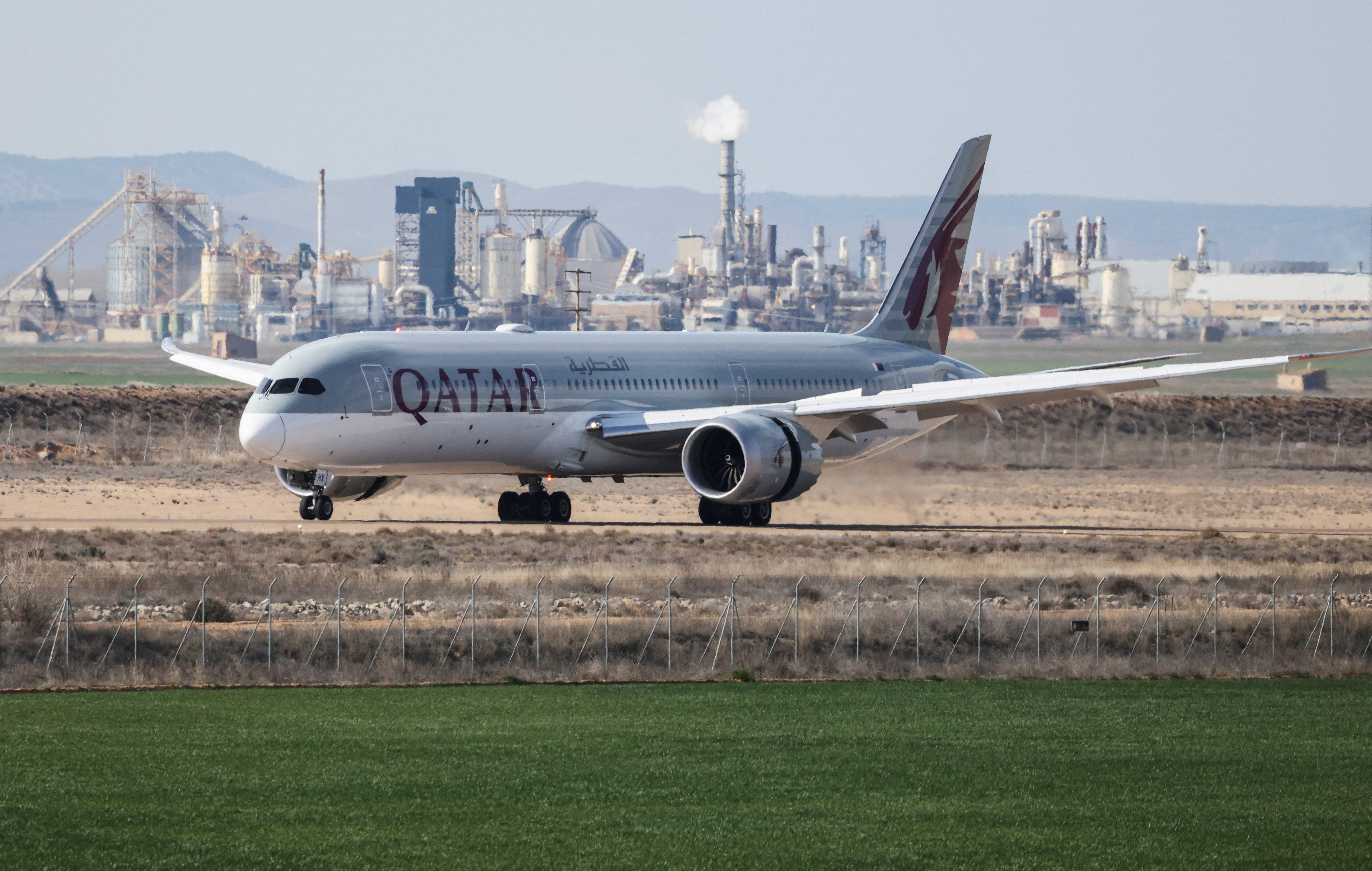
On Friday, around 10 wide-body jets, mostly operated by Qatar Airways, were due to arrive.
A Qatar Airways A380 landed mid-morning after departing from London. Two of the airline’s A350s and a Boeing 787 had landed by late afternoon. Qatar Airways did not immediately respond to a Reuters request for comment on its plans.
“It’s not normal,” said Alejandro Ibrahim, general manager of the terminal. “Companies are revising their fleets and routes and looking for safer places to park their planes, and Europe fits the bill.”
Just a few people, mainly pilots and crew, could be seen leaving the industrial airport, located 300 km (185 miles) from Madrid, on Friday morning.
With capacity for 250 wide-body and up to 400 narrow-body aircraft, Teruel is one of Europe’s largest storage facilities.
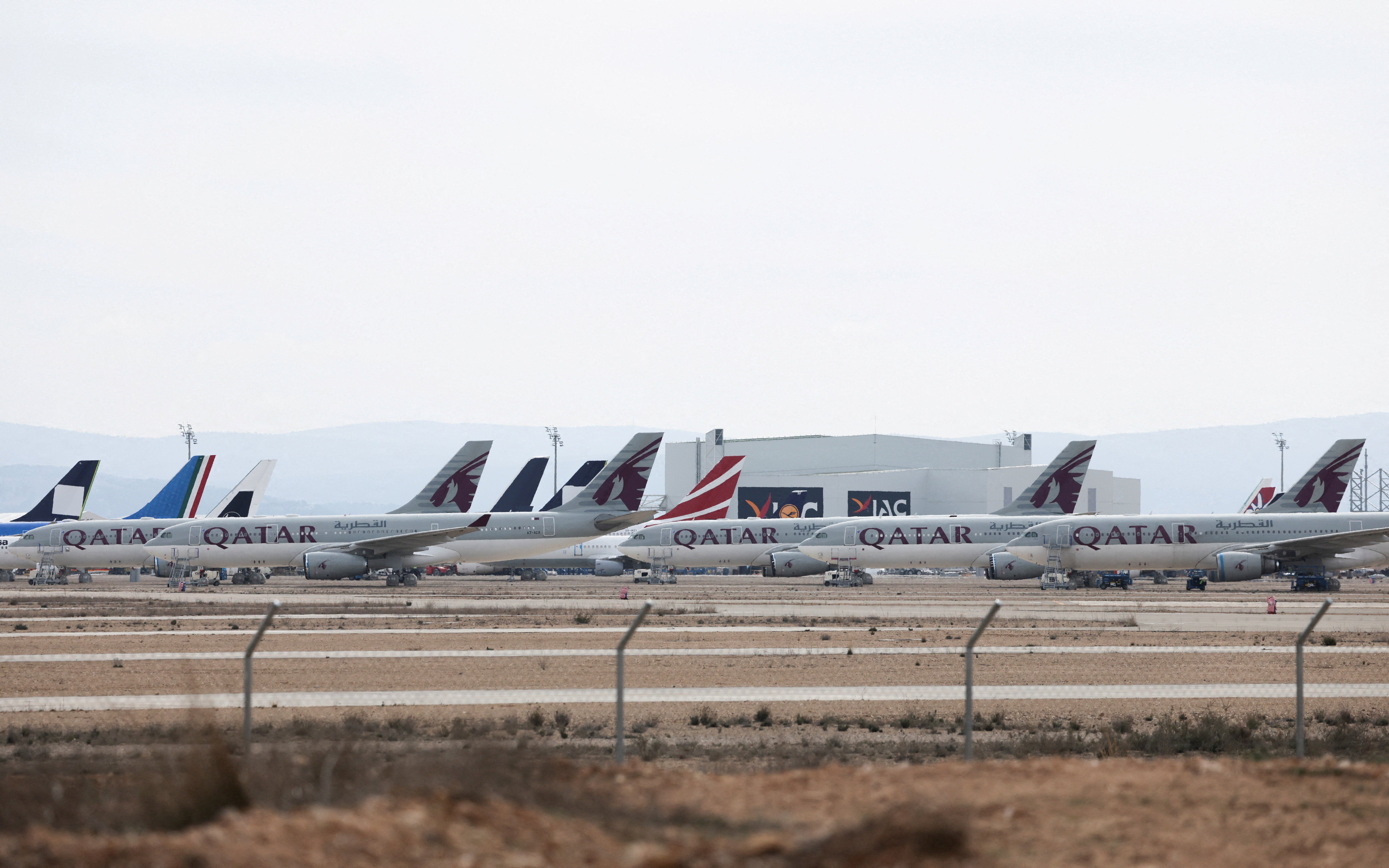
“We’ve acted as a refuge and supported global air transport,” Ibrahim said.
Since Teruel does not handle passengers, planes can sit without issue on the tarmac, he said.
The airport’s operators cannot say how many more planes could arrive as the war continues, though several Middle Eastern airlines that fly regularly to Europe are among its regular clients.
“We’re working week to week because there’s no clear horizon and it really depends on the companies … how this could all develop in the coming months,” he said.
What is preferable for business are the quick-turnaround maintenance contracts that are the airport’s usual work, he added.
“What we would like is for (the conflict) to end, because our important business is aircraft maintenance. The more planes fly, the greater activity our airport has.”