

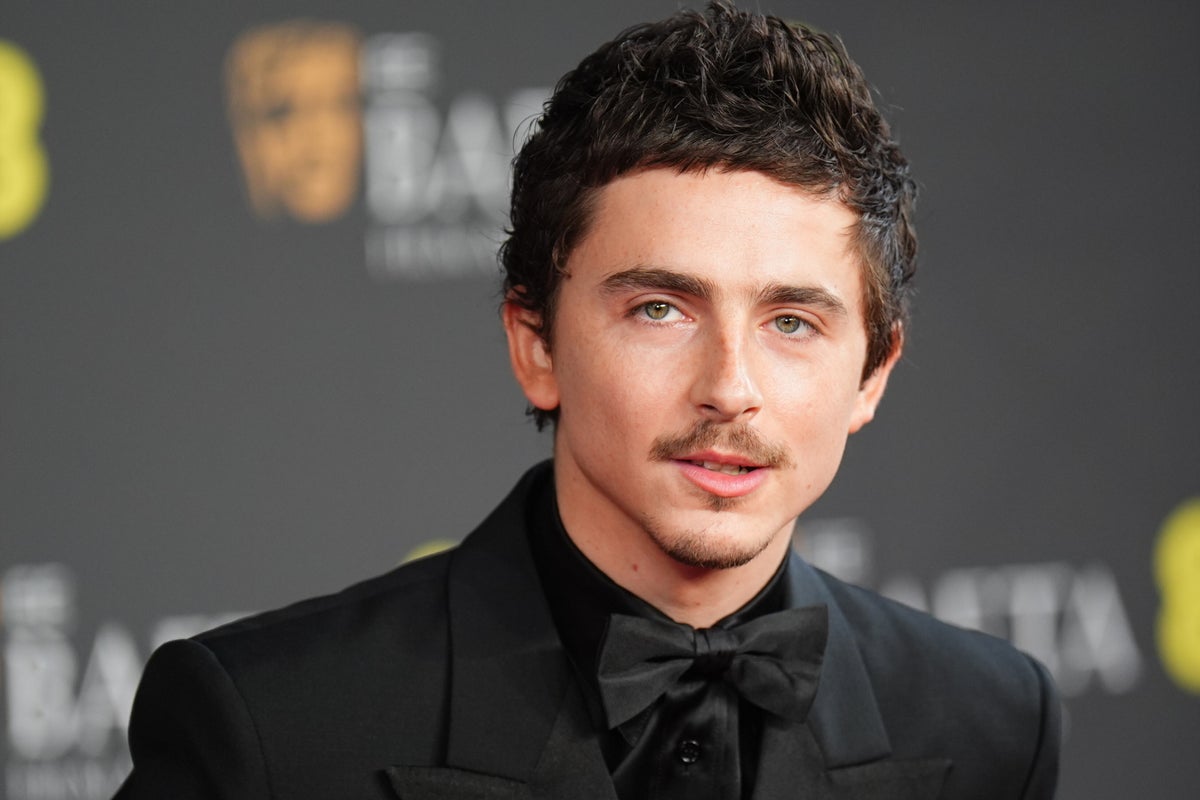
Timothée Chalamet has pirouetted his way into controversy after claiming “no one cares” about ballet or opera – with opera singers criticising his “disappointing” take.
The Marty Supreme star, 30, took part in a live conversation with Matthew McConaughey for Variety in February, during which they discussed competing with audiences’ shrinking attention spans.
“In this day of shorter attention spans, vertical 12-second spots, are we losing attention?” McConaughey asked him, pointing out that studios appear to be cutting the first acts of their films to get to “the conflict” more quickly.
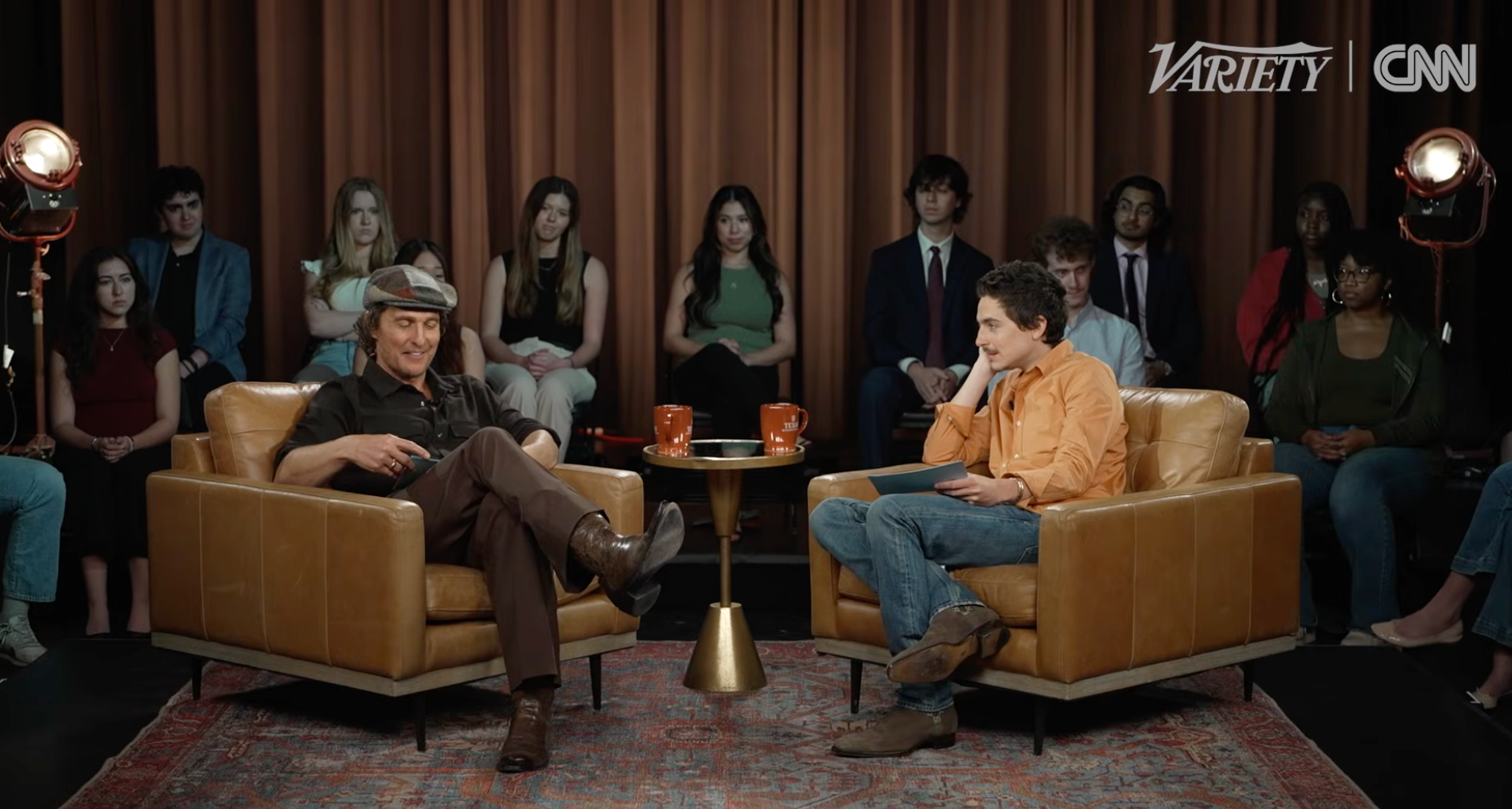
Chalamet responded by pointing out that there is an appetite among young cinema goers for slower-paced films, citing Netflix’s Frankenstein as an example.
He added: “It does take you having to wave a flag of, ‘Hey, this is a serious movie,’ or something, and some people do want to be entertained and quickly.
“I’m really right in the middle, Matthew. I admire people, and I’ve done it myself, who go on a talk show and say, ‘Hey, we’ve got to keep movie theaters alive, we’ve gotta keep this genre alive,’ and another part of me feels like if people want to see it, like Barbie, like Oppenheimer, they’re going to go see it and go out of their way to be loud and proud about it.”
He then said: “I don’t want to be working in ballet or opera where it’s like, ‘Hey! Keep this thing alive, even though no one cares about this anymore.’
“All respect to the ballet and opera people out there,” he added, laughing. “I just lost 14 cents in viewership. I’m taking shots for no reason.”
After the clip was posted online by Variety, opera and ballet stars took to the comments to weigh in on the point he made, with singer Isabel Leonard writing on Wednesday (4 March): “Honestly, I’m shocked that someone so seemingly successful can be so ineloquent and narrow minded in his views about art while considering himself as artist as I would only imagine one would as an actor.
“To take cheap shots at fellow artists says more in this interview than anything else he could say. Shows a lot about his character. You don’t have to like all art but only a weak person/artist feels the need to diminish in fact the VERY arts that would inspire those who are interested in slowing down, to do exactly that.”
Canadian mezzo-soprano Deepa Johnny described it as a “disappointing take”, highlighting that artists should “come together across disciplines” to “uplift these forms of art”.
While artist Franz Szony wrote: “Two classical art forms that have been around for hundreds of years, both of which take a massive amount of talent and discipline this man will never possess.
“Speaks volumes about his taste level for him to say this… also, saying ‘no disrespect’ after saying something disrespectful actually translates to ‘I disrespect art I don’t understand’.”
The ballet community also spoke out, with choreographer Martin Chaix arguing that the art is “very much alive”.
“If anything, in a world where AI is reshaping cinema faster than most realise, the unmediated human presence of ballet and opera becomes more essential, not less. I hope he finds his way into a theatre.”
Sir Alistair Spalding CBE, the Artistic Director and Co-CEO of Sadler’s Wells, told The Independent that in contrast to Chalamet’s comments, dance is “constantly evolving” as an art form and that he’s seeing it “grow in popularity”.
He said: “We’re attracting new, younger audiences who want to see what’s happening with the latest choreographers, what the latest trends are. We’re also seeing the boundaries of what constitutes ballet blur.
“You now often see the big ballet companies working with choreographers who perhaps sit in more of the contemporary world, or who are working with really exciting musicians; we’ve got the amazing ballet star Tiler Peck from New York at Sadler’s Wells Theatre next week who has been collaborating with James Blake.
“San Francisco Ballet are with us this autumn, working with the British DJ and producer Floating Points. That’s really exciting, and shows the artform pushing forward.”
While a spokesperson for the Royal Ballet and Opera highlighted ballet and opera’s impact on cinema. “Ballet and opera have never existed in isolation – they have continually informed, inspired, and elevated other art forms,” they said.
“Their influence can be felt across theatre, film, contemporary music, fashion, and beyond. For centuries, these disciplines have shaped the way artists create and audiences experience culture, and today millions of people around the world continue to enjoy and engage with them.”
It comes just days after the English National Opera’s former artistic director called for the industry to commission “contemporary stories” from sought-after writers.
“If opera wants to own the zeitgeist in the performing arts, then it needs to commission stories that have bigger impact,” he told The Times.
“Opera is missing out on the party. There are a lot of amazing stories in film and television that are drawing in the audience and we need some of those writing partners.”