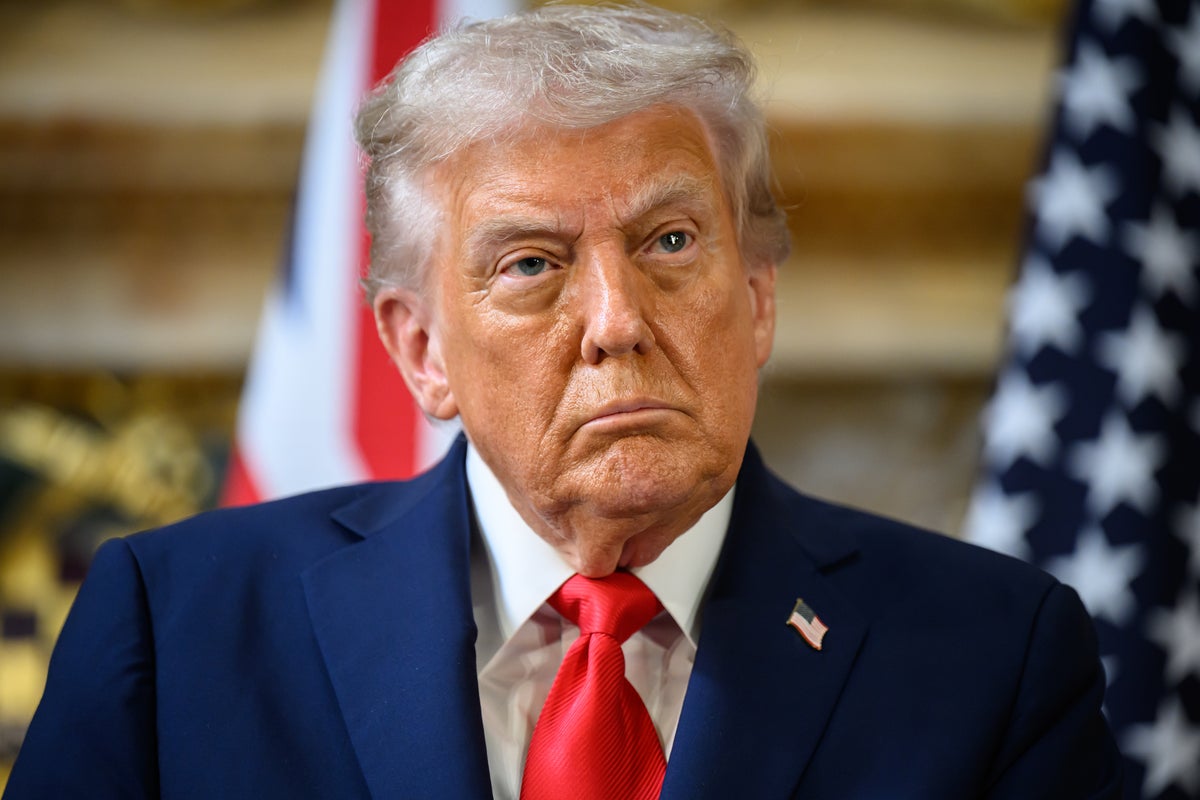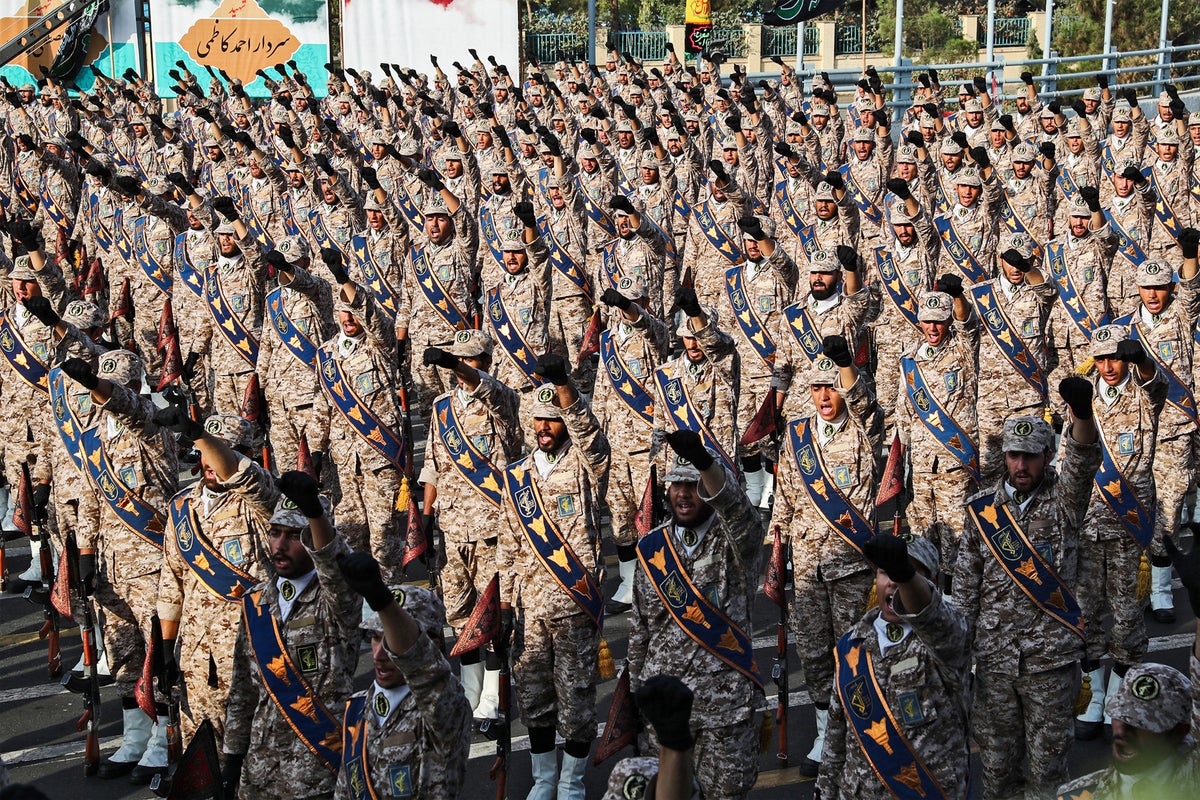


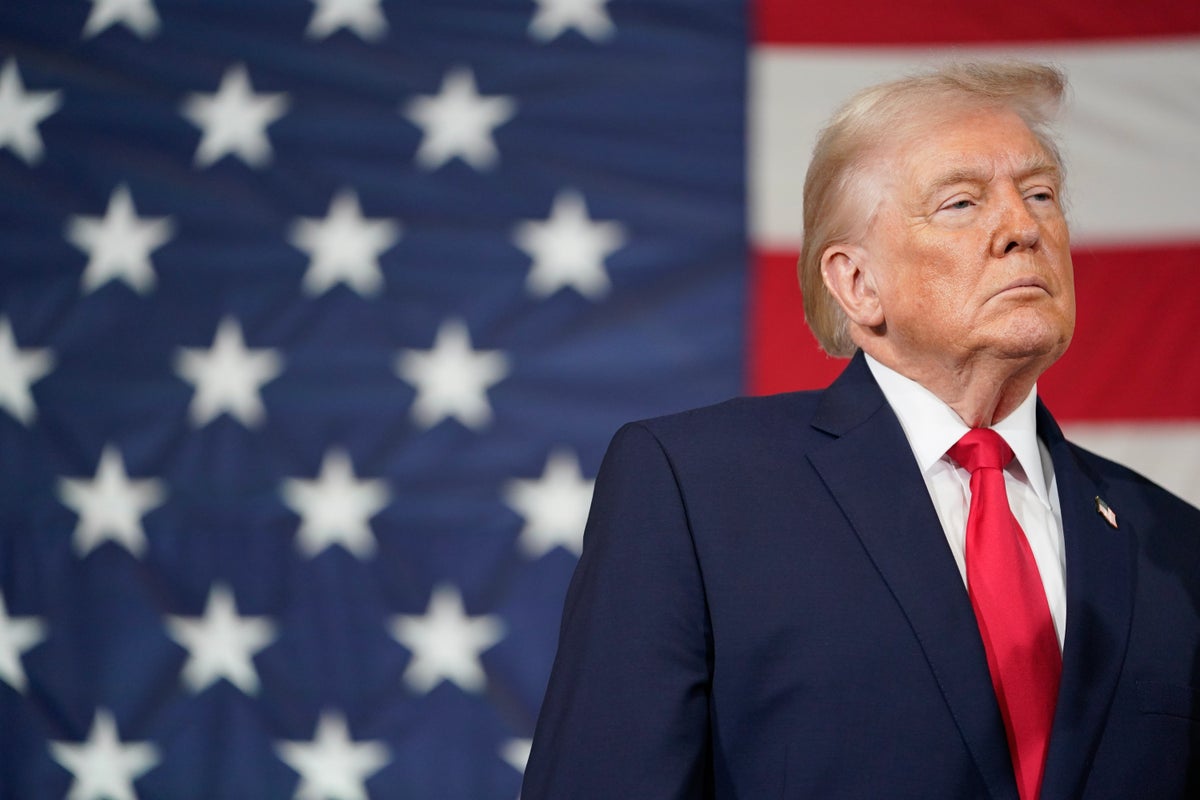
The US and Israel attacked Iran last Saturday in what US president Donald Trump said was an expansive operation to destroy the country’s military capabilities and eliminate the threat of it creating a nuclear weapon.
Iran’s foreign ministry said it would defend its homeland as the Islamic Revolutionary Guard Corps initiated counterattacks, launching drones and missiles at Israel. Further strikes were launched at US military installations in countries including Bahrain, Kuwait, UAE and Qatar.
The spiralling conflict has now spread beyond the region, dragging in Azerbaijan, Sri Lanka, and Turkey amid fears that the major conflict could drag on for weeks.
It follows weeks of pressure from Trump on Tehran to make a deal to constrain its nuclear programme. In the lead-up to the strikes, Washington built up a significant fleet of warships near Iran.

The aircraft carrier USS Abraham Lincoln and three guided-missile destroyers arrived in January to bolster the number of warships in the region. The world’s largest aircraft carrier, the USS Gerald R Ford, and four accompanying destroyers were also dispatched from the Caribbean.
At least 165 people were reported killed at a girls’ school in southern Iran in the Israeli-US strikes, according to Iran’s state-run IRNA news agency. Shrapnel from an Iranian missile attack on the capital of the UAE killed one person, state media said.
28 Feb: Ayatollah’s compound was one of the first targets
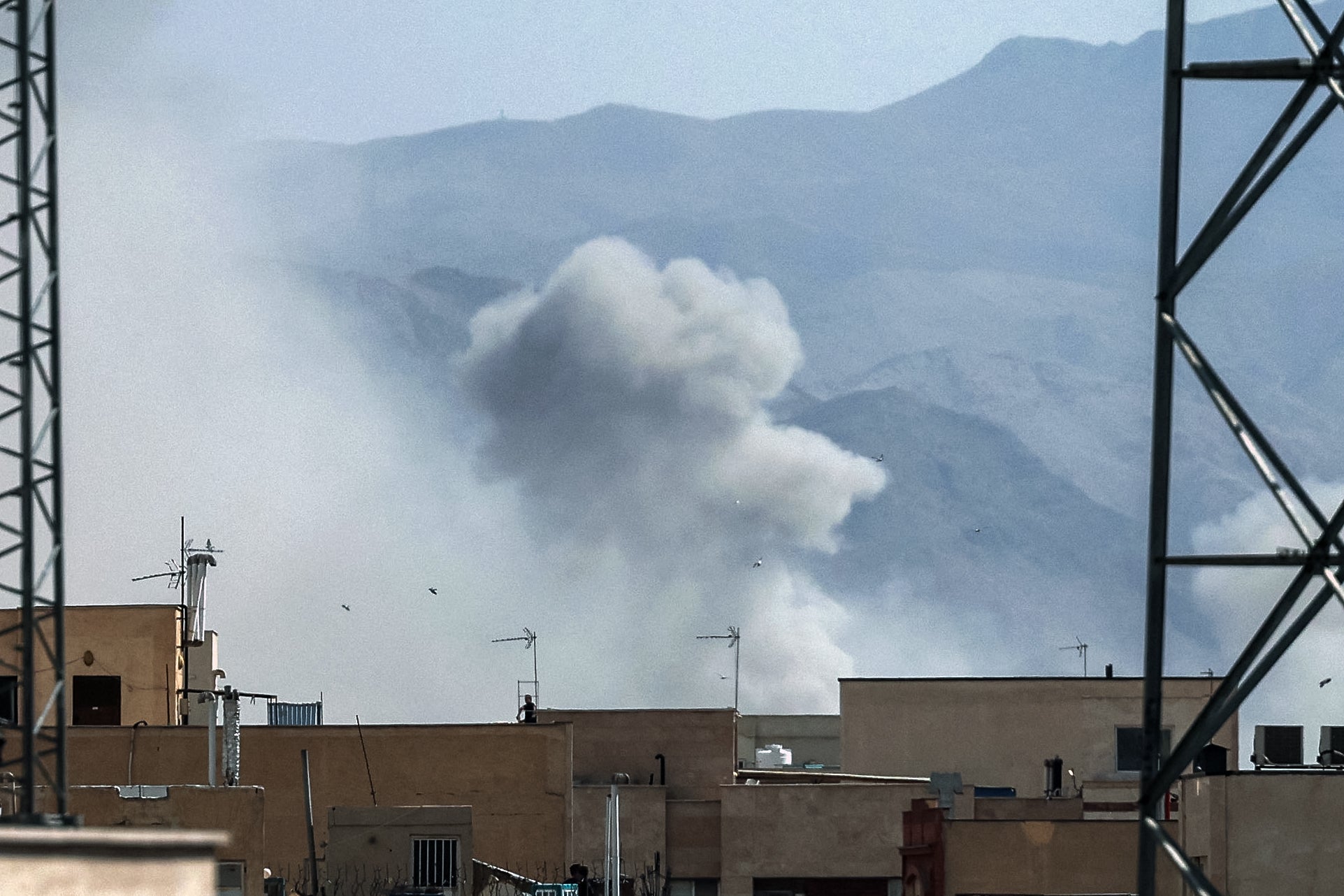
Israel announced it had launched an attack on Iran shortly after explosions were heard in Tehran on Saturday morning. One of the first strikes hit near the offices of Supreme Leader Ayatollah Ali Khamenei. It wasn’t immediately clear where Khamenei was at the time, as he hadn’t been seen for days.
Iranian foreign minister Abbas Araghchi told NBC News that Khamenei and president Masoud Pezeshkian were alive “as far as I know” – though President Trump later said the Ayatollah had died in the attacks. This was then confirmed by Iran state media later on.
Israeli defence minister Israel Katz said the attacks had been conducted “to remove threats”. Sirens were heard across Israel to warn the public about possible incoming missile strikes.
Iran strikes back at Israel and US bases
Later on Saturday, Bahrain said a missile attack targeted the US Navy’s 5th Fleet headquarters in the island kingdom. Witnesses heard sirens and explosions in Kuwait, home to US Army Central. Explosions could also be heard in Qatar, where Al Udeid Air Base hosts thousands of service members.
Iraq and the United Arab Emirates closed their airspace, and sirens sounded in Jordan.
An apartment building in northern Israel was damaged and shrapnel fell in multiple sites, according to media and police. But Lieutenant Colonel Nadav Shoshani said there had been no significant hits in Israel and rescue services said there were no injuries reported from missile barrages across the country.
Iranian-backed Houthis in Yemen, meanwhile, have vowed to resume attacks on Red Sea shipping routes and on Israel, according to two senior Houthi officials who spoke on condition of anonymity.
28 Feb: Trump tells Iranians to topple their government
It took over an hour for Trump to make an official announcement on the US involvement in what he termed “major combat operations”.
In an eight-minute video on social media, Trump indicated the US was striking for reasons far beyond the nuclear programme, listing grievances stretching back to the beginning of the Islamic Republic following a revolution in 1979 that turned Iran from one of America’s closest allies in the Middle East into a fierce foe.
Trump told Iranians to take cover but urged them to later rise up and topple the Islamic leadership.
“When we are finished, take over your government,” Trump said. “It will be yours to take. This will be probably your only chance for generations.”
28 Feb: Fighting grounds flights and disrupts commercial air travel
The fighting has disrupted air travel in the region.
Israel and the UAE, home to both the long-haul carriers Emirates and Etihad, closed their airspace Saturday. Qatar Airways Group said it has temporarily cancelled flights to and from Doha because Qatari airspace also was closed.
Planes en route to Israel were rerouted to other airports.
Virgin Atlantic cancelled its flight from London’s Heathrow Airport to Dubai and said it would avoid flying over Iraq, meaning flights to and from India, the Maldives, Dubai and Riyadh could take slightly longer. Virgin Atlantic said all flights would carry appropriate fuel in case they need to reroute on short notice.
Turkish Airlines said on X that flights to Lebanon, Syria, Iraq, Iran and Jordan will be suspended until Monday and flights to Qatar, Kuwait, Bahrain, the United Arab Emirates and Oman will be suspended on Saturday.
Dutch airline KLM previously said it was suspending Tel Aviv flights starting Sunday.
1 March: UK gives US permission to use RAF bases
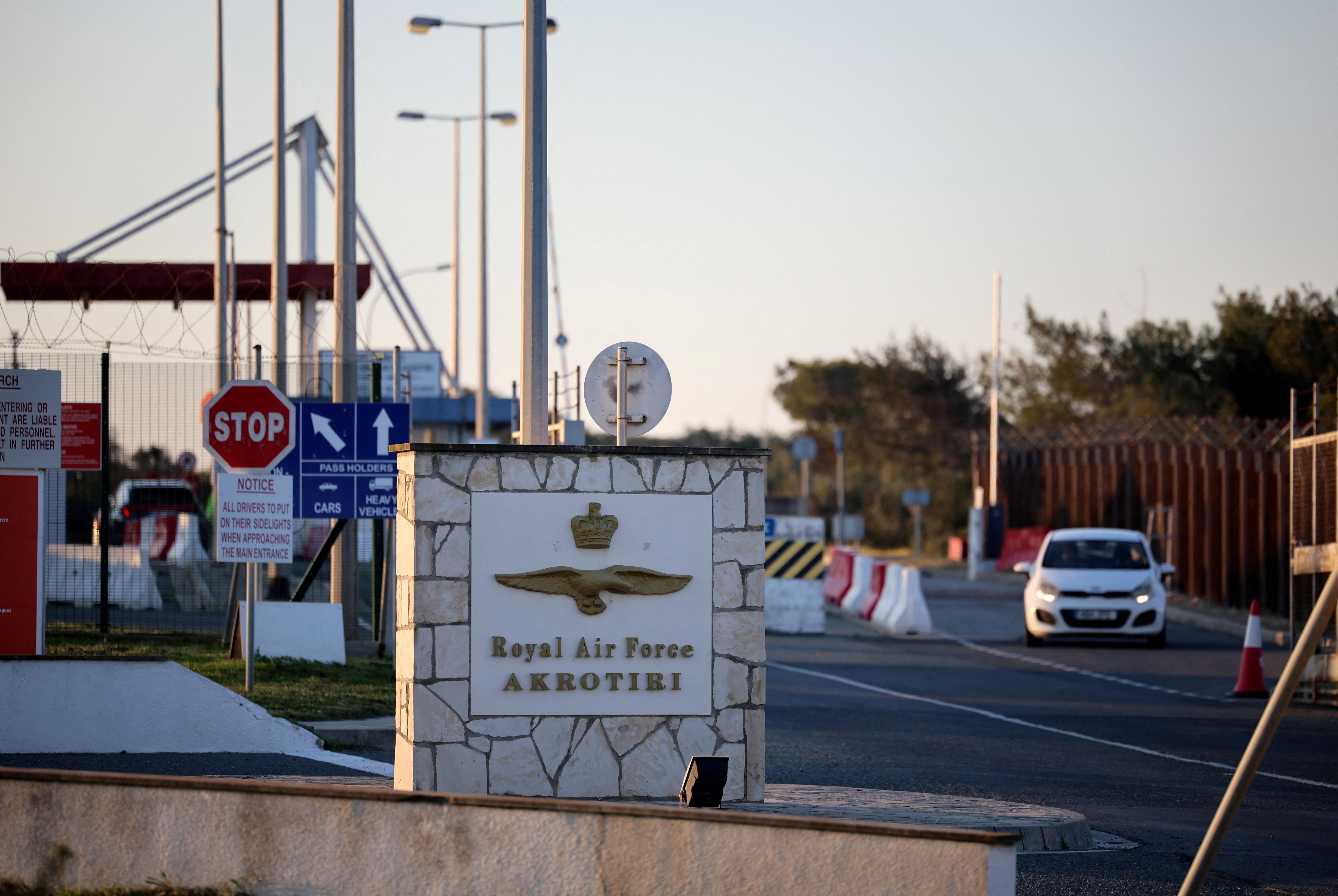
Meanwhile, at the end of the weekend, Sir Keir Starmer dramatically changed his mind over giving the Americans permission to use RAF bases in Cyprus to tackle the growing threat from Iran.
In a late statement on Sunday evening, the prime minister insisted he was giving permission for the “limited specific defensive purpose” of defending UK and US allies across the Middle East as Iran continues to lash out.
It follows defence secretary John Healey revealing that two Iranian missiles were aimed in the direction of Cyprus where the UK has bases.
Mr Trump later said he was disappointed in the delay over the decision from Sir Keir.
A drone hit the British RAF Akrotiri base in Cyprus on Sunday with two more intercepted on Monday. Sir Keir Starmer said this was “not in response to any decision that we have taken” but was launched before Britain’s announcement that it would allow America to use its bases.
Speaking in the House of Commons on Monday afternoon, Sir Keir defended the UK’s “deliberate” decision not to join in with the wave of strikes by the US and Israel on Iran at the weekend, saying: “It is my duty to judge what is in Britain’s national interest. That is what I’ve done, and I stand by it.”
2 March: War widens to include Tehran-backed militias
Iran and Iranian-backed militias have fired missiles at Israel and Arab states, reportedly hitting the American embassy compound in Kuwait, while Israel and the United States pounded targets in Iran as the war in the Middle East expanded on Monday.
The Iranian Red Crescent Society said the US-Israeli airstrike campaign has killed 555 people so far in Iran so far.
As the American and Israeli airstrikes continued, top Iranian security official Ali Larijani vowed on X that “we will not negotiate with the United States”.
Blasts were reported in Jerusalem, Dubai, Abu Dhabi in UAE, Doha in Qatar, and Manama in Bahrain as the conflict entered its third day.
2 March: US embassy ‘hit in Kuwait’ as American death toll rises
Smoke was seen rising from the vicinity of the US embassy in Kuwait, according to witnesses, and the US consulate urged Americans to “not come to the embassy”.
Three American troops were killed and five are seriously injured, the US military said, confirming its first casualties in the conflict. A fourth American service member was confirmed dead later on Monday.
President Trump has suggested the conflict with Iran could go on for the next four weeks after the US president earlier said that operations are “ahead of schedule”.
The chaos of the conflict was further highlighted on Monday when the US military said Kuwait had shot down three American F-15E Strike Eagles during a friendly fire incident. US Central Command said all six pilots ejected safely and are in a stable condition.
2 March: Israel and Lebanon’s Hezbollah exchange fire
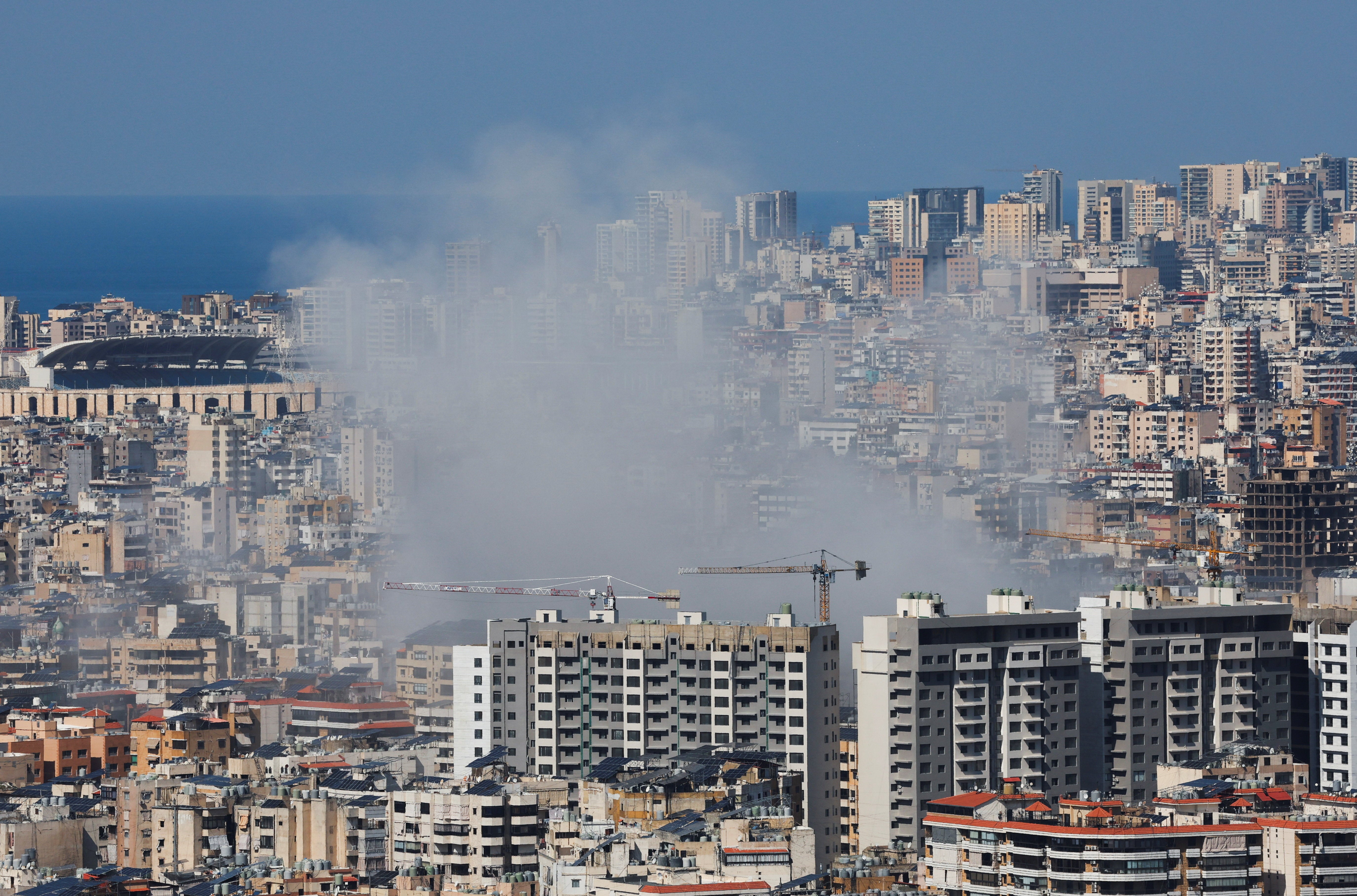
Meanwhile, Israel launched a wave of missile and drone attacks on Hezbollah-controlled southern suburbs of Beirut in Lebanon on Monday and ordered evacuations.
Israeli defence minister Israel Katz has warned that Lebanon’s Hezbollah chief Naim Qassem is now a “target for elimination”.
It comes after the group fired at Israel in retaliation for killing Iran’s supreme leader.
3 March: Death toll continues to climb as fears of protracted regional war grow
The Iranian Red Crescent Society said on Tuesday the US-Israeli operation has killed at least 555 people. In Israel, where several locations were hit by Iranian missiles, 11 people were killed. Israel’s retaliatory strikes against Hezbollah killed 52 people in Lebanon. The US military has now confirmed six deaths of American service members. Three people were killed in the United Arab Emirates, and one each in Kuwait and Bahrain.
The latest death tolls come a day after US defense secretary Pete Hegseth said the conflict “is not endless” as he held the Trump administration’s first news briefing since strikes were launched on Saturday. He insisted Iran “had a gun to our head” as he defended the joint US-Israeli attacks that sparked the widening conflict, amid growing concerns it could spiral into a protracted regional war.
The UAE, Kuwait, Bahrain, Qatar, Jordan, Oman and Saudi Arabia are now among the nations struck in retaliatory attacks.
And president Trump warned later on Monday that the worst is yet to come. “We haven’t even started hitting them hard,” he told CNN. “The big wave hasn’t even happened. The big one is coming soon.”
Israeli prime minister Benjamin Netanyahu, meanwhile, claimed he and Mr Trump are saving the world from the threat of Iran.
The conflict is already having a global economic impact with oil prices shooting up in response to the crisis.
3 March: US embassy in Saudi Arabia hit as Israel ramps up operations in Lebanon
Iran struck the US embassy in Saudi Arabia’s capital with a drone early on Tuesday as it kept hitting targets around the region. The US State Department ordered the evacuation of non-emergency personnel and family in Kuwait following the attack there, as well as Bahrain, Iraq, Qatar and Jordan as a precaution.
Meanwhile, Israel and the US continued to pound Iran with airstrikes on Tuesday, targeting nuclear facilities and missile infrastructure in particular.
In Lebanon, Israel launched more strikes on Hezbollah, the Iran-backed militia group, and said its soldiers are “operating in southern Lebanon”. Explosions could be heard and smoke seen in a southern suburb of Beirut.
4 March: War spreads beyond Middle East
Iran was forced to deny attacking Turkey after a ballistic missile entered the Nato country’s airspace, threatening to further spread the conflict beyond the Middle East.
It was the first time Nato air defences were used since the conflict in the Middle East began, raising significant fears of a major expansion in the war.
US-Israeli strikes on Iran, and Israeli strikes on Lebanon, continue into their fifth day. Images showed buildings reduced to rubble in Beirut by huge Israeli strikes, which by Wednesday had killed dozens of people.
Elsewhere, a US submarine sank an Iranian warship off Sri Lanka, killing at least 87 people.
CENTCOM said in a statement it had “struck or sunk to the bottom of the ocean” more than 20 Iranian ships, including the warship sunk off Sri Lanka in the first such action by a US submarine since World War Two.
5 March: Azerbaijan dragged into the conflict
As Iran, Israel and the US traded strikes for a sixth day, another country was dragged into the war.
Azerbaijan accused Iran of firing drones at its territory and ordered its southern airspace closed for 12 hours. Two drones landed on an airport and near a school, and Azerbaijan’s government warned the attack would “not remain unanswered”.
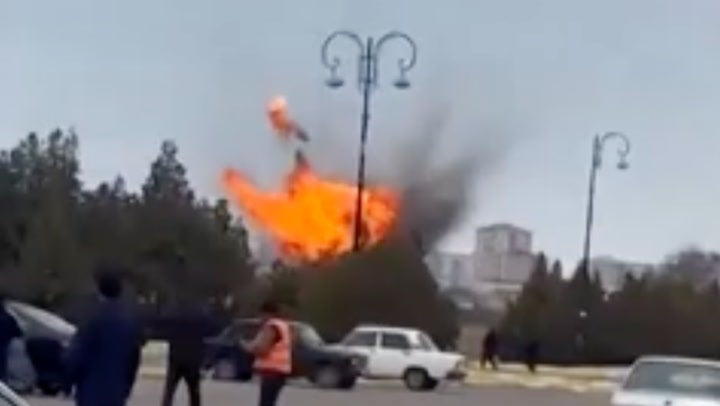
Meanwhile, Sri Lanka has started offloading the 208-member crew of a second Iranian vessel off its coast on Thursday, President Anura Kumara Dissanayake said, a day after Wednesday’s attack by the US on an Iranian warship.
In Iran, at least 1,230 people have been killed, according to the Iranian Red Crescent Society, including 175 schoolgirls and staff killed at a primary school in Minab in the country’s south on the first day of the war.
6 March: Israeli attacks on Lebanon intensify again
Israel said it has launched a “wave of airstrikes targeting Hezbollah” in Beirut’s southern suburbs, where it instructed thousands of people to evacuate.
Explosions and flashes lit up the night sky over Beirut’s southern suburbs. The Israeli military said it had carried out 26 waves of strikes overnight in the southern suburbs, saying targets included Iran-backed Hezbollah militia command centres and weapons storage facilities.
The Lebanese health ministry has reported 123 people have been killed and another 683 wounded as a result of Israeli attacks this week. There have been no reported fatalities in Israel as a result of Hezbollah attacks.
Meanwhile, Iranian forces said Kheibar missiles were fired toward Tel Aviv on Friday as part of the 21st wave of its “Operation True Promise 4″. In a statement, the IRGC said the wave began with a combined missile and drone operation targeting sites in the heart of Tel Aviv.