
.jpg?trim=0,0,0,0&width=1200&height=800&crop=1200:800 "Kelly Osbourne hits out at critics for ‘kicking me while I’m down’ after insults over her appearance – UK Times")


Three US troops have been killed as Iran ramped up its deadly retaliation campaign across the Middle East in defiance of Donald Trump’s warning of an unprecedented escalation in force if attacks continued.
Tehran launched ballistic missiles and drones towards Israel and across the Persian Gulf on Sunday, striking US bases in Bahrain, Kuwait and the UAE, as well as targeting a US aircraft carrier.
Israel and the US also unleashed fresh strikes, with blasts heard across the capital city, and former Iranian president Mahmoud Ahmadinejad among those killed.
In a social media post on Sunday, President Trump warned the US would hit Iran “with a force that has never been seen before” if it tried to avenge the assassination of their Supreme Leader Ayatollah Ali Khamenei, who was killed during Saturday’s shock strikes.
And Israeli prime minister Benjamin Netanyahu vowed to intensify its strikes on Iran, saying its forces were “striking in the heart of Tehran” and warning “this will only increase in the coming days”.
But later, the US President said Iran’s interim leadership had called for talks, and said he had agreed. He told Atlantic magazine from his Mar-a-lago home in Florida: “… so I will be talking to them. They should have done it sooner. They should have given what was very practical and easy to do sooner. They waited too long.”
The offer of talks came shortly after US Central Command confirmed that three service members had been killed as part of Operation Epic Fury – the codename for the offensive against Iran – while five others were seriously wounded and several others sustained minor injuries and concussions.
The deaths are the first combat-related fatalities of US military personnel in major operations ordered by Mr Trump since he returned to the White House last year.
In another dramatic day:
- Mr Trump said 48 leaders of Iran’s regime have been killed in Israeli strikes
- The Iranian Red Crescent Society and official state-linked media said 201 people had been killed and at least 747 injured
- Sir Keir Starmer expressed “solidarity” with the leaders of several Middle Eastern countries “in the face of dangerous Iranian escalation”
- It was revealed that Iranian missiles and drones had landed within “a few hundred yards” of British troops at a base in Bahrain
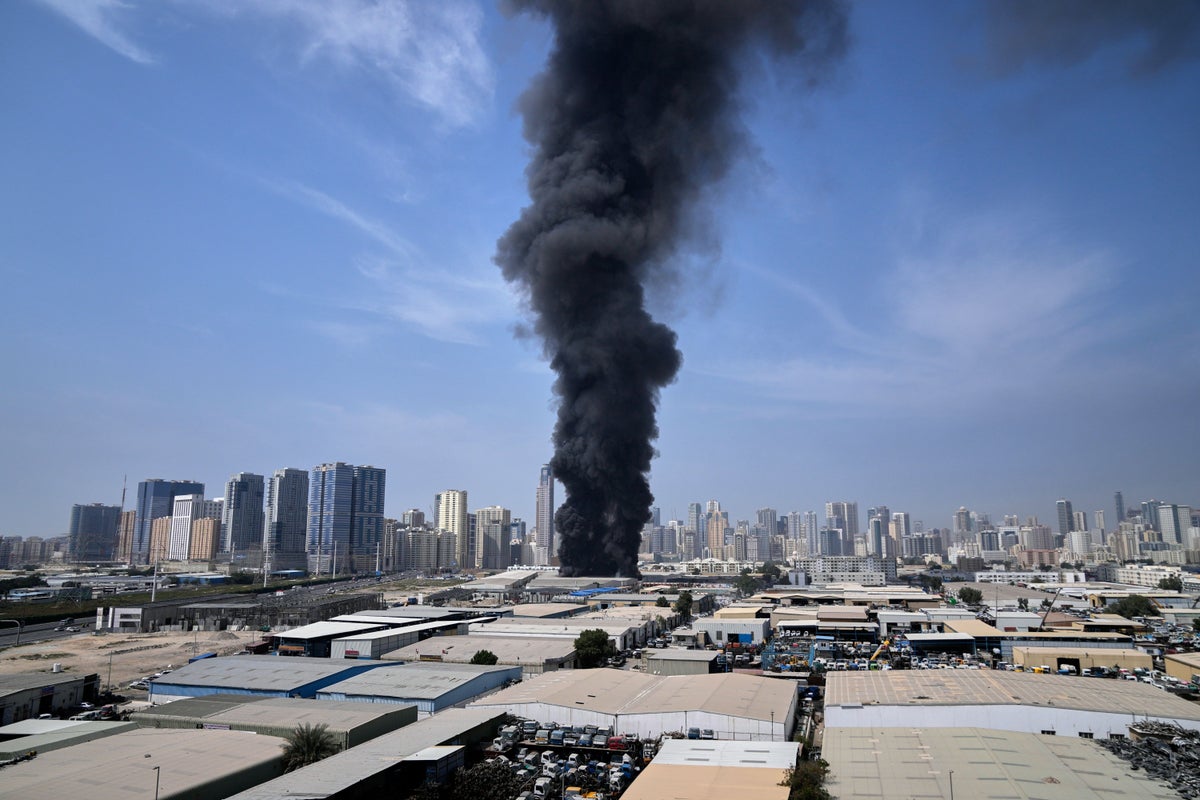
- Three people have been killed in the UAE, including one at the Zayed International Airport in Abu Dhabi, after it was targeted with an Iranian projectile
- Holidaymakers in Dubai and Doha have been forced to shelter inside their hotels as the barrage of Iranian missiles continued
Meanwhile, the Israeli military said it had carried out further air strikes in the Iranian capital to “establish aerial superiority and pave the path to Tehran”, as well as dismantling the majority of defence systems in western and central Iran.
Concern is also mounting about the security of the Strait of Hormuz, a key shipping lane for the global economy off Iran’s southern coast, where two vessels are reported to have been struck by “unknown projectiles” on Sunday.
The UK has played no part in the US-Israeli strikes, but defence secretary John Healey warned on Sunday that Iranian retaliation could put UK personnel and allies at risk.
British aircraft have been deployed on defensive operations, flying from Cyprus and Qatar and “taking down” drones and missiles “menacing” UK bases and allies, Mr Healey added. He also confirmed to Times Radio that a British “counter-drone team” in northern Iraq had shot down Iranian drones.
He said “few people” would mourn the Ayatollah, but repeatedly declined to say whether the UK backed the US-Israeli strikes that killed him, or if the UK believed they were legal, when asked six times by the BBC’s Laura Kuenssberg.
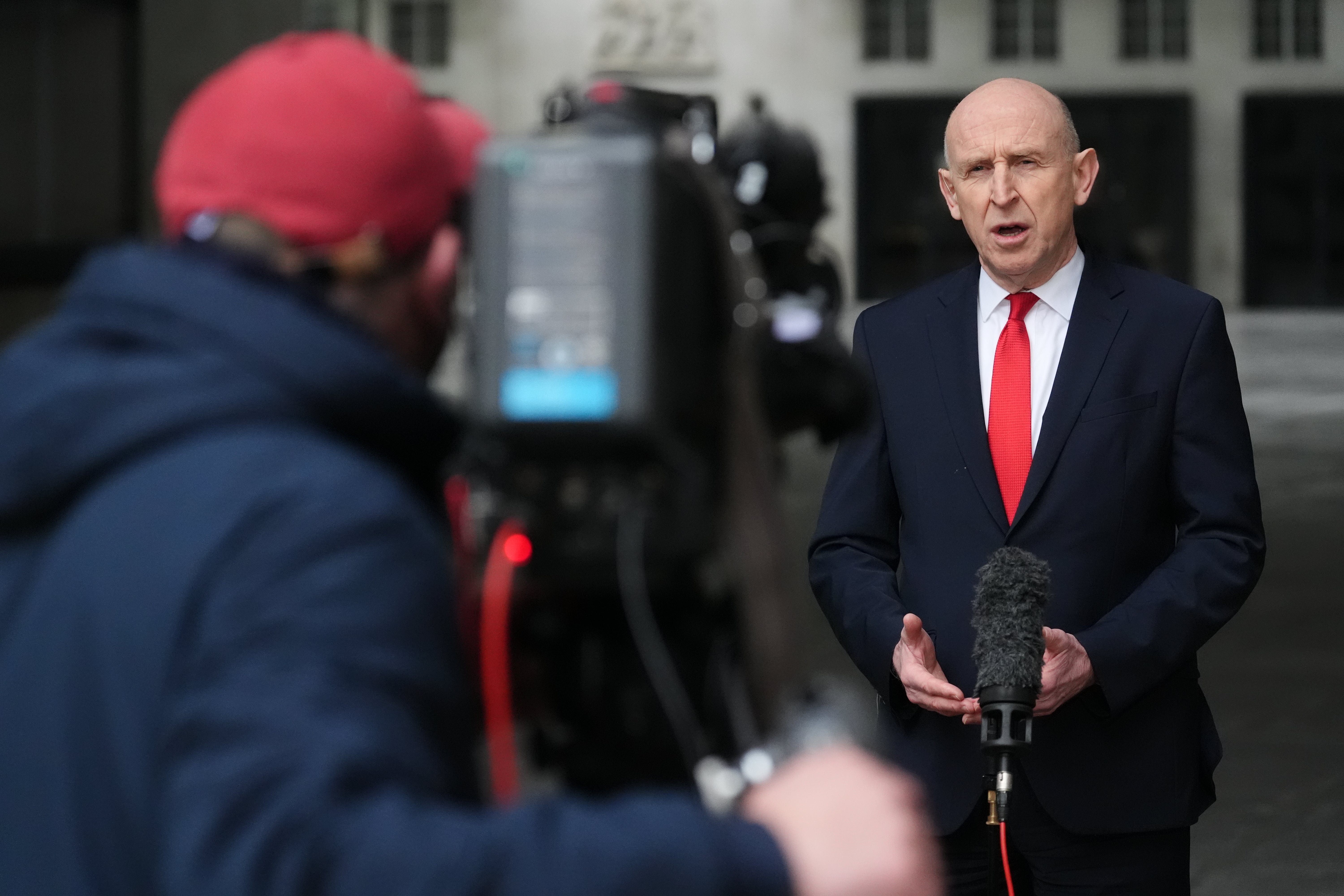
He said: “Britain played no part in the strikes on Iran. We share, however, the primary aim of all allies in the region and the US that Iran should never have a nuclear weapon.”
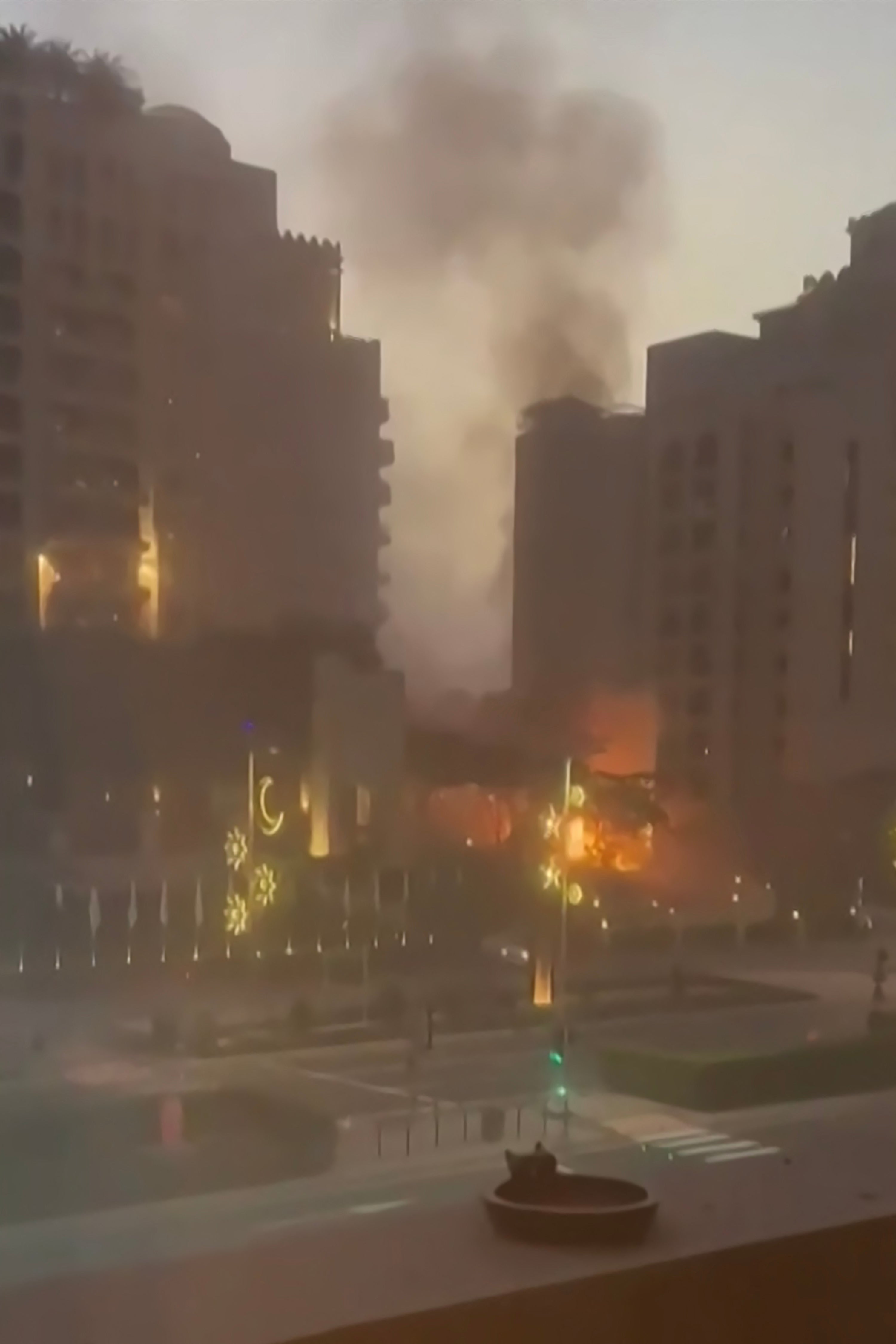
In Dubai, a global business centre home to more than 240,000 British expats, the blasts from Iranian missiles continued to cause uncertainty and fear after two hotels were hit overnight.
JS Anand, founder and CEO LEVA hotels, which has a flagship hotel in Dubai, told The Independent: “It caused a lot of panic, uncertainty, and there was an emergency message that came out in the night.
“It said there was a barrage of missiles coming in, everyone came to the lobby and basement, worried about what was going to happen, so we had to take care of them. Most of them have extended their stay because there are no flights and no certainty on when the airspace is going to open up.”
Flights across the region continue to be disrupted, causing travel chaos for thousands of travellers unable to leave. Airspace over Iran, Iraq, Kuwait, Israel, Bahrain, the UAE and Qatar remained virtually empty, maps by Flightradar24 showed on Sunday, and three major airlines – Etihad, Qatar and Emirates – have grounded all flights to the region until at least Monday.
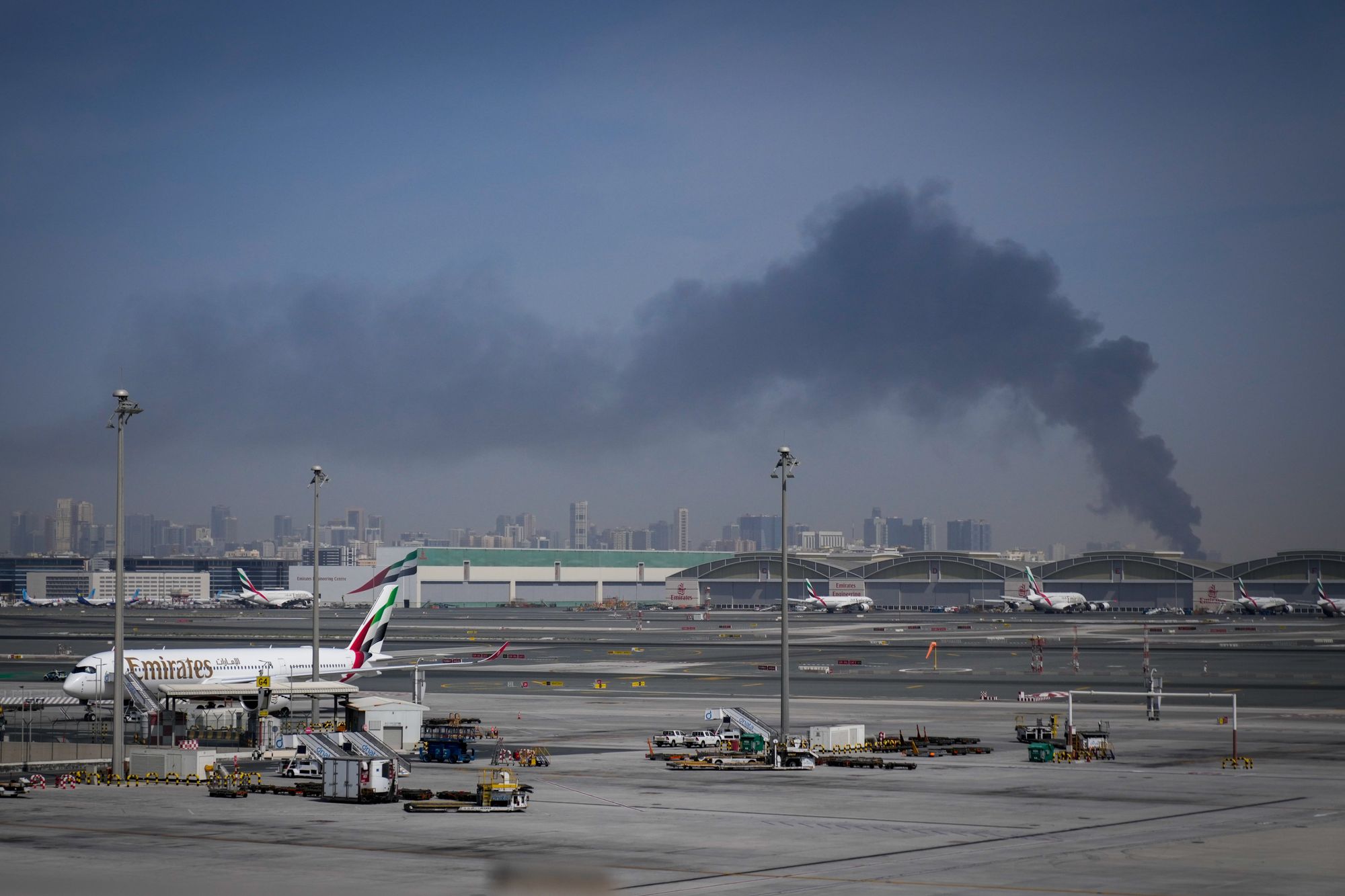
In attacks elsewhere in the region, Kuwait’s Ministry of Health said one person had been killed, and 20 people wounded in retaliatory attacks by Iran, while American citizens in Oman have been warned to take shelter after missiles were launched there.
On Sunday, the US military said it had sunk an Iranian ship, while Iran’s Revolutionary Guards said it had launched an attack on the US aircraft carrier Abraham Lincoln with four ballistic missiles, state media reported. US Central Command said the ship was not hit and that Iran’s missiles “didn’t come close”.
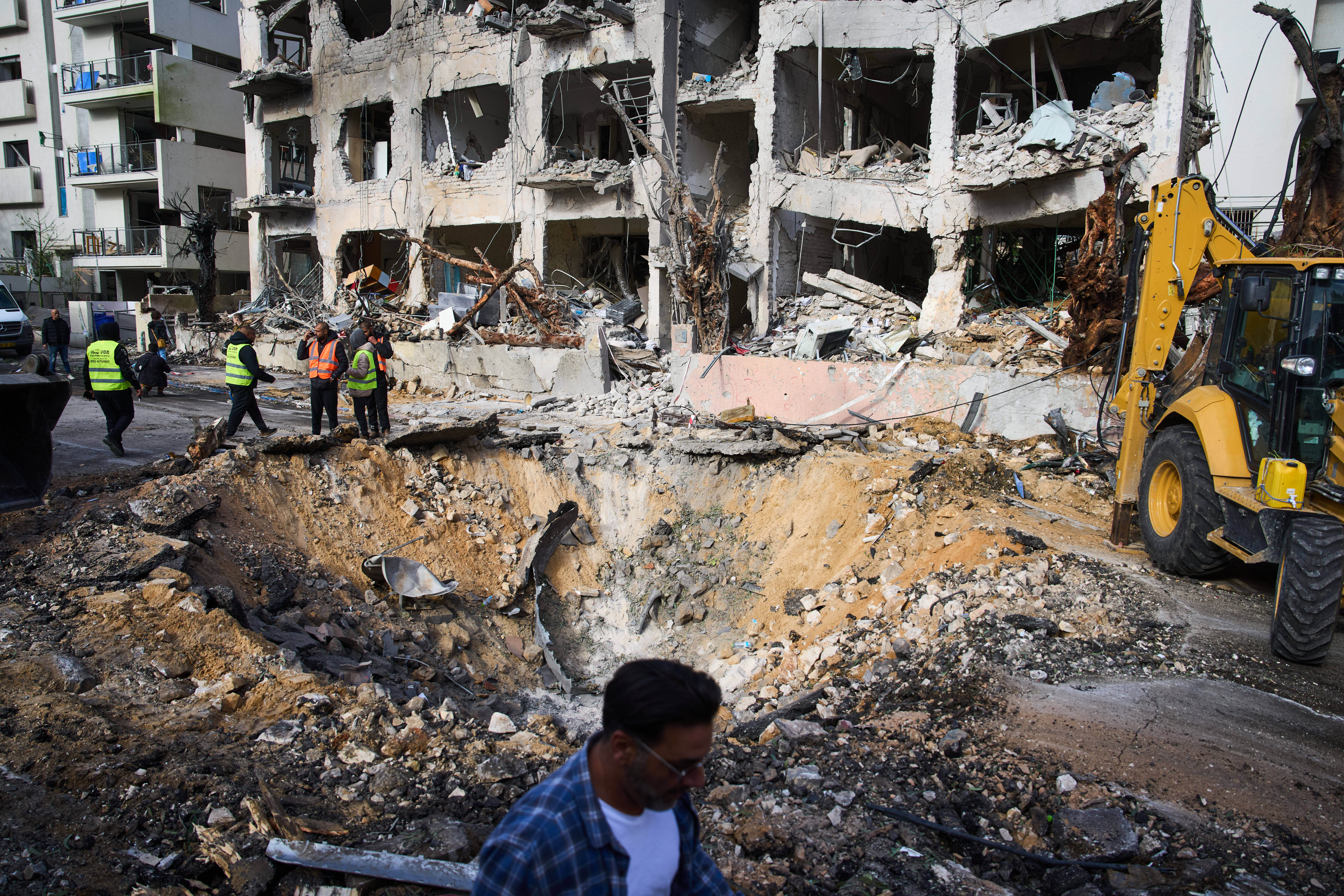
In Israel, nine people were killed by a missile strike in the town of Beit Shemesh, its ambulance service said, after sirens sounded overnight on Saturday.
Israeli military spokesperson Lieutenant Colonel Nadav Shoshani said many targets within Iran remained, including sites of military-industrial production. “We have the capabilities and the targets to keep going on for as long as necessary,” he said.