

More than 3,200 legal experts, including leading lawyers and former judges, have pleaded for the government to rethink a controversial plan to scrap jury trials for some crimes.
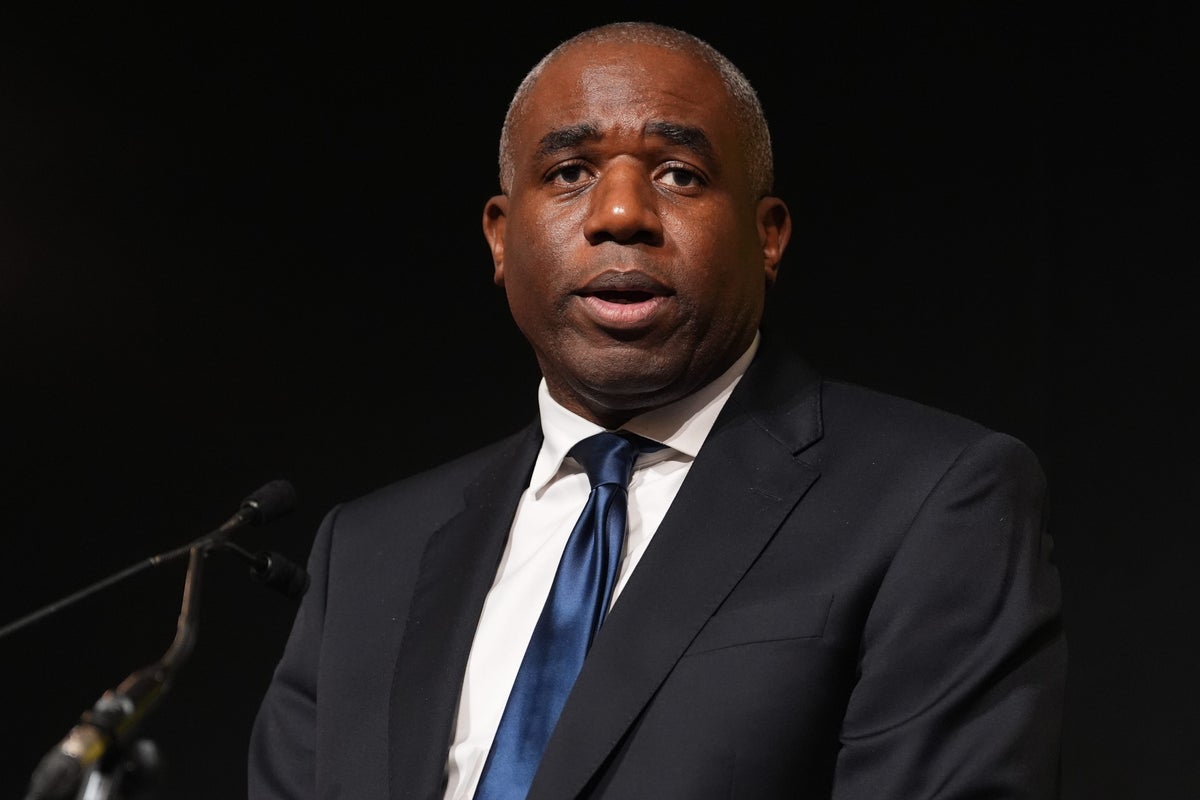
In an open letter to justice secretary David Lammy and prime minister Sir Keir Starmer ahead of a debate in the House of Commons, legal professionals called for the government to halt its proposal to remove the right to a trial by jury for crimes likely to receive a sentence of less than three years.
The group, which includes 300 barristers and 22 retired judges, warns that the government is “attempting to force through an unpopular, untested and poorly evidenced change to our jury system” that will not address the soaring court backlog, which has left victims waiting up to four years for justice.
Dozens of rebel Labour MPs are reportedly ready to vote against the government unless Mr Lammy waters down the reforms to the Courts and Tribunals Bill, which will be debated at second reading on Tuesday.
Kirsty Brimelow KC, Bar Council chair, said it was not too late for the government to listen to the “unequivocal” opposition from the legal sector and “stop before bulldozing our jury system”.
Ministers introduced legislation to parliament last month to overhaul the courts system and bring down the backlog of nearly 80,000 crown court cases by replacing juries with judge-only trials for some crimes.
The Ministry of Justice (MoJ) has warned that the backlog could reach more than 200,000 by 2035, and justice minister Sarah Sackman KC has said the government needs to do “nothing short of throwing the kitchen sink” at the system in order to cut the backlog. Unlimited court sitting days will also be funded and “blitz courts” set up to speed up the justice system, along with increased use of AI in courts.
The reforms to jury trials follow two reports on the crisis by Sir Brian Leveson, a former senior judge. However, the government plans go even further than his recommendations, which suggested that less serious cases should be heard by a judge and two magistrates, rather than by judge alone. Critics have described such a move as an “erosion of a deeply entrenched constitutional principle for negligible gain” and argued that there is little evidence that scrapping jury trials will bring down the backlog.
Research by the Institute for Government has shown that the proposal for judge-only trials would save less than two per cent of court time.
The open letter says decades of underfunding have led to the soaring backlog and called for the government to focus improving court efficiency, adding: “Juries have not caused this crisis. Every day we see and hear of delays in the system caused by court rooms continuing to be unused due to the ongoing cap on sitting days, the late delivery of defendants by the Prisoner Escort and Custody Service (PECS), broken facilities in crumbling court buildings, and shortages of court staff, judges and counsel.”

Signatories include leaders of the Bar Council, the Criminal Bar Association and officials from the charities JUSTICE and APPEAL.
It has also been signed by David Calvert-Smith, the former director of public prosecutions, the barrister and television personality Rob Rinder, barrister Shaun Wallace from ITV’s The Chase and two contestants from this year’s Traitors series, Harriet Tyce and Hugo Lodge, both lawyers.
The letter adds: “Criminal law professionals continue to stretch themselves to ensure that the voices of complainants, victims and defendants are heard in court. We ask that the government now listens to our voices, as solicitors, barristers and recently retired judges who have evidenced measures that reduce the backlog of cases without requiring curtailing jury trials. Justice should be viewed as a vital public service that deserves investment, just like education and health.”
The Bar Council’s Ms Brimelow insists that the government’s proposals would unnecessarily remove jury trials for thousands of people, adding: “This letter and its more than 3,000 signatories demonstrate the unequivocal principled and practical opposition to the restriction of jury trials from not only the Bar, but the legal profession as a whole. There is no doubt that the criminal justice is in crisis caused by decades of underfunding – not juries. The mantra of modernisation in relation to juries is a Trojan horse to hack at a deep-rooted constitutional principle for negligible gain.”

However, in a separate open letter, the victims’ commissioner, Claire Waxman, has urged MPs to listen to victims who have lost jobs, suffered severe declines in their mental health and attempted suicide while waiting years for their day in court.
She fears that without urgent action to address delays, many will simply give up. “They cannot endure years of uncertainty and re-traumatisation,” said Ms Waxman. “Fewer will come forward, more cases will collapse, offenders will act with increasing impunity, and public safety will suffer.”
Her comments come after over 30 female Labour MPs also wrote to Mr Lammy, urging the government to remain steadfast in its modernisation of the court system.
MoJ figures published last month revealed that growing crown court backlogs mean 29 cases, including violent crimes and drug offences, are scheduled to start as far away as 2030. In total, more than 2,600 crown court trials are not due to be heard until 2028, including 206 rape trials. A further 625 trials will not begin until 2029, including 14 for sexual offences – four of which are for alleged rape.
A MoJ spokesperson said: “Over 90 per cent of all criminal cases are already heard fairly without a jury, and just last week we confirmed plans to plough a record amount of investment into our magistrate courts. With victims facing unacceptably long waits for justice after years of delays in our courts, we make no apologise for pressing ahead with our plans to reform the system based on Sir Brian Leveson’s independent review, alongside modernising it for the 21st century with record investment.”