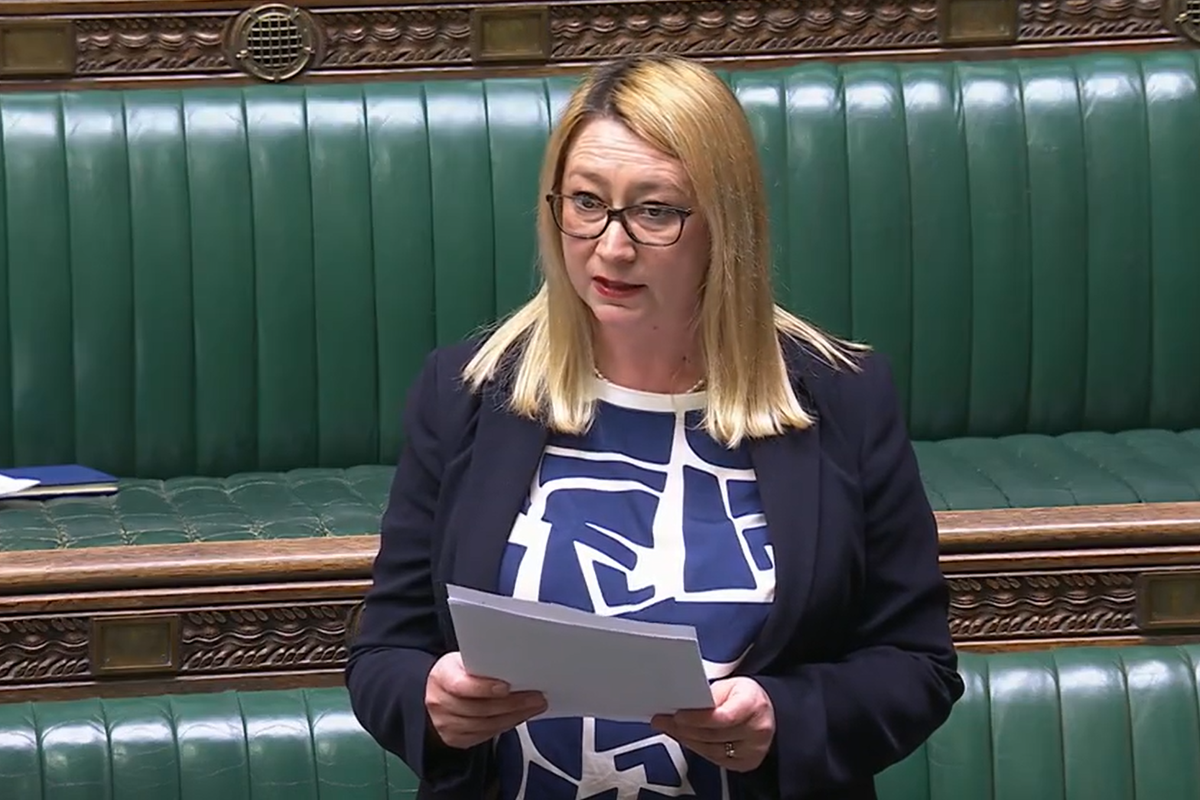


Rosamund Pike sparked debate at the weekend after calling out an audience member for texting during her performance in Inter Alia in the West End – and now other leading industry figures have weighed in, with one top director calling for phones to be banned from theatres altogether.
Inter Alia star Pike, who recently won an Olivier award for her performance, told off an audience member during the curtain call at Wyndham’s Theatre in London on Saturday, revealing she had seen someone texting during a pivotal scene.
“You know who you are and I’m not going to single you out. Maybe it was very important, and maybe you’re a doctor, and you’re saving someone’s life, and I hope you are, but we do see these, we do feel them,” she said. “I feel I’ve got to hold you all, so when I feel that and see it, it’s hard.”
Pike’s comments have divided theatregoers, with readers of The Independent split over her decision to call out the texter. However, some – including former artistic director at the Royal Court Theatre, Ian Rickson – have suggested that phones should be banned from theatres altogether.
When asked whether he would ban phones from theatres, including measures to seal them away during the performance, Rickson told The Independent: “I would do all that. I would.
“But we’re all addicted, so people get very unsettled. They might say, ‘My daughter’s ill,’ or something. They have all those reasons that they can’t do that.
“I think if we really took ownership and said, ‘We invite you to this unique collective event. It will be a phone-free space, come and take part,’ and people want to do that? Great.”
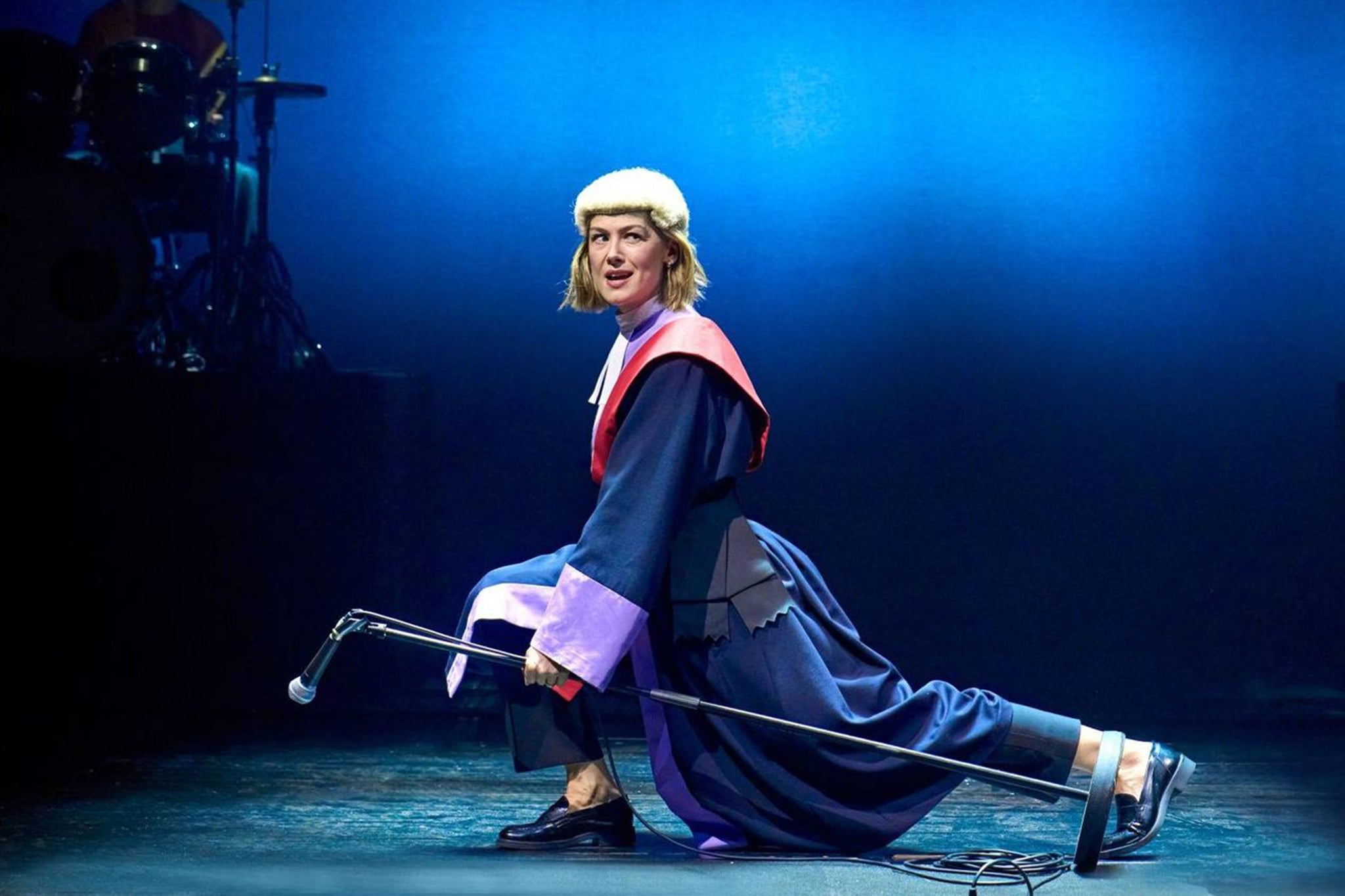
Rickson directed Jez Butterworth’s Jerusalem, one of the most celebrated plays of the 21st century, and has recently spent two years directing a series of plays in New York as part of the Together project. He added that it’s now “commonplace” for theatregoers to use their phones. He’s even watched audience members ignore a request from Hugh Jackman in Sexual Misconduct of the Middle Classes – the first of those plays – to put their phones away.
“Hugh Jackman’s character begins the play by saying, ‘Should we all turn our phones off and be in the moment? We’ve got 80 minutes. Why don’t we all embrace the collective event?’ And I have watched people even watch an actor who they’ve come to see saying that, just leaving their phones on,” he said.
“It’s so awful for an actor trying to create a connection and seeing rows of people with blue lights.”
Jeremy Herrin, who has directed a number of West End smash hits from People, Places and Things to the Wolf Hall stage trilogy, said that while he wouldn’t ban phones, it’s “a shame” when people use them during performances.
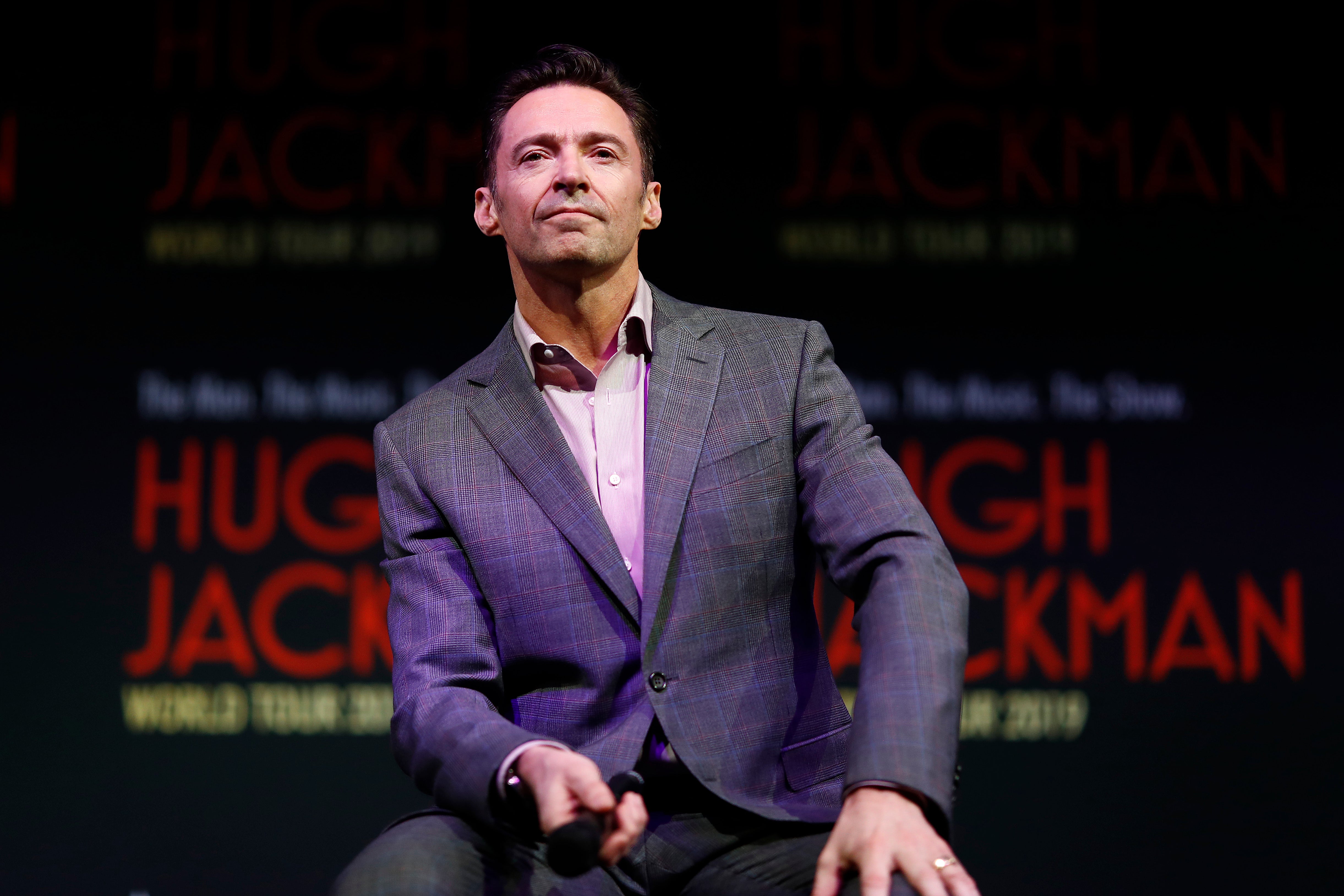
“It’s often worse with an older audience because they’re not so adept with the technology that they can turn it off or control it. With the best will in the world, sometimes people’s phones go off,” said Herrin, who is directing Grace Pervades at London’s Theatre Royal Haymarket. The David Hare play explores the relationship between Victorian actors Henry Irving (Ralph Fiennes) and Ellen Terry (Miranda Raisin), both off and on stage.
“In Grace Pervades, Miranda Raisin has a scene where an elderly Ellen Terry is wheeled onto the stage and through her dementia, describes reality as falling off a cliff. It’s a very touching moment – and that often coincides with people’s 10pm dog-walking reminders.
“We’ve all had that experience of having to pretend it’s not there and I think actors are great at just pushing on and moving through it but it is incredibly rude and it feels unmannerly.”
Herrin was willing to admit that an embarrassing phone call in the theatre can happen to anyone. “The first show that I ever directed downstairs at the Royal Court in 2009, I sat in the back row of the stalls and three rows ahead of me was Sir Peter Hall,” he said.
“I was thrilled that he was watching the show and during the second half, a phone went off near me. Peter Hall looked round really crossly and I made eye contact with him, shook my head and rolled my eyes like, ‘Isn’t it terrible?’ I then suddenly realised it was my phone – so I don’t want to cast the first stone.”
Banning phones from theatres brings with it a number of complications for audience members in this increasingly digital age – whether its parents wanting to receive updates from babysitters or those with bank cards and tickets on their phones.
“People have their tickets on their phone so their phone is on, and then because of this culture of, ‘I am here,’ they leave it on to take a picture when they arrive at the space,” Rickson said.
While Herrin, who directed Daniel Radcliffe in Every Brilliant Thing on Broadway earlier this year, said that allowing audience members to post photos on social media is also “terrific marketing”.
“My feeling is if you didn’t allow it in the pre-show or curtain call, then people’s behaviour would be much worse and more sneaky,” he said. “Then it’s genuinely invasive for their fellow audience members. We’re at a stage with technology where you haven’t had the experience unless you get a picture of it.
“It would be folly to completely ban it, but I think while the narrative is taking place, no phones.”
Earlier this year, Lesley Manville said that she found it “insulting” when theatregoers took pictures during curtain calls, telling BBC Radio 4 in April: “Clap or don’t clap, but don’t just stick your phone in our face.”
However, in some productions, taking photos and filming are encouraged – particularly when it comes to musicals. Some stars, including Legally Blonde’s Amber Davies, regularly reshare footage taken during curtain call by audience members on social media, while Six the Musical allows fans to film the show’s final song.